Three days is enough for Rome's big three, the Colosseum, the Vatican and the Pantheon, at a pace you can enjoy, if you give each its own day and book two timed tickets before you fly. The plan below suits first-timers who like to walk, and it is built for the short days of November through February, when the Colosseum closes at 4:30 p.m. and the sun sets around 5.
The order matters more than people think. The Vatican Museums close on most Sundays, the Borghese Gallery closes on Mondays, and both the Colosseum and the Vatican shut on Christmas Day and New Year's Day. Fit your three days around those rules first, then everything else falls into place.
Before you go: the order of your days
- Vatican day: any Monday to Saturday. Avoid Sundays (closed except the free last Sunday, which is a crush) and the holiday closures on December 8, 25 and 26, 2026 and January 1 and 6, 2027.
- Borghese day: Tuesday to Sunday. It is closed Mondays, December 25 and January 1.
- Colosseum day: any day except December 25 and January 1. The first Sunday of the month (December 6, 2026, for example) is free, with quotas and long lines; on a short trip, pay and skip it.
- Arrival day: most overnight flights from the US land between about 7 and 10 a.m. Keep that afternoon light and start the plan the next morning.
Different from home
Colosseum tickets carry each visitor's name, and staff check photo ID at the entrance. Type names exactly as they appear on your passports, and carry the passports that day. Name changes are allowed only once, up to seven days before your visit.
The plan, day by day
- Day 1
Ancient Rome
Morning. Take Metro Line B to Colosseo and be at security 15 to 30 minutes before your slot. In winter the Colosseum opens at 8:30 a.m.; book the first or second slot. Allow 1 to 1.5 hours inside. The standard ticket (€18, about $20) covers the first and second levels; the €24 (about $27) Full Experience adds the arena floor or the underground, and it is the one to get if it is still available. Your ticket also covers the Roman Forum and Palatine Hill, which open at 9 a.m. The entrance by the Arch of Titus is a five-minute walk from the Colosseum exit.
Midday. Two to three hours in the Forum and on the Palatine. Climb to the Farnese Gardens for the classic view down the Forum. Paths are rough and unshaded, so wear real shoes. Exit by Via dei Fori Imperiali and walk 10 minutes to Monti for a late lunch: the streets around Piazza della Madonna dei Monti and Via del Boschetto are full of trattorias and wine bars.
Afternoon. Walk 15 minutes to the Capitoline Hill, up Michelangelo's ramp to the piazza. The Capitoline Museums take two hours if you go in; the free terrace behind the Senator's Palace gives the evening view over the Forum either way.
Evening. Walk 10 minutes down past the Theater of Marcellus into the Jewish Ghetto, where restaurants on and around Via del Portico d'Ottavia serve Roman-Jewish dishes such as fried artichokes. Book ahead on weekends. See Rome food for what to order.
- Day 2
The Vatican and Piazza Navona
Morning. Metro Line A to Ottaviano or Cipro, then 5 to 10 minutes on foot to the Museums entrance on Viale Vaticano. Book the earliest slot you can, ideally 8 or 9 a.m. Plan three hours for a focused route that ends in the Sistine Chapel. Shoulders and knees must be covered, and no talking or photos in the chapel.
Midday. Walk about 15 minutes around the walls to St. Peter's Square. The basilica is free, open 7 a.m. to 7 p.m. through March 28, 2027, with an airport-style security line that is usually short in winter. Allow an hour inside for Michelangelo's Pietà and Bernini's canopy. The dome climb (open 7:30 a.m. to 5 p.m. in winter) takes about 90 minutes and is booked separately on the basilica's site. On Wednesday mornings the papal audience can delay the basilica's opening; check before you go.
Afternoon. Lunch in Prati, the grid of streets east of the Vatican around Via Cola di Rienzo, where prices drop the moment you leave the Vatican walls. Then walk Via della Conciliazione to Castel Sant'Angelo (1.5 hours inside if you go in, for the rooftop view) and cross Ponte Sant'Angelo with its Bernini angels.
Evening. Fifteen minutes on foot brings you to Piazza Navona. From early December to January 6 the square usually fills with a Christmas fair. Dinner in the lanes between Navona and Campo de' Fiori, avoiding the tables right on the big squares.
- Day 3
Borghese, the Spanish Steps, Trevi and the Pantheon
Morning. A 9 a.m. two-hour slot at the Borghese Gallery for Bernini's Apollo and Daphne and six Caravaggios. Arrive 30 minutes early to collect tickets and check bags. Then walk 15 minutes through the Villa Borghese park to the Pincio terrace above Piazza del Popolo.
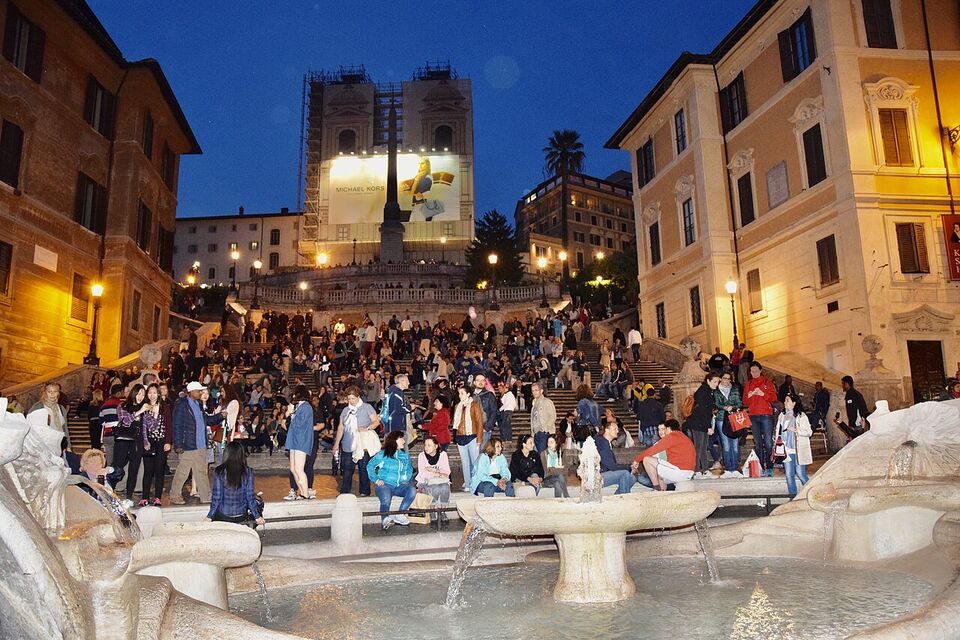
Late morning. Down to Piazza del Popolo (Caravaggios in Santa Maria del Popolo, free), then 10 minutes along Via del Babuino to the Spanish Steps. Walk up or down, but do not sit, since sitting on the steps draws fines. From there it is 10 minutes to the Trevi Fountain. The basin area costs €2 (about $2.25) from 9 a.m. (11:30 a.m. on Mondays and Fridays) to 10 p.m., and the square around it is free.
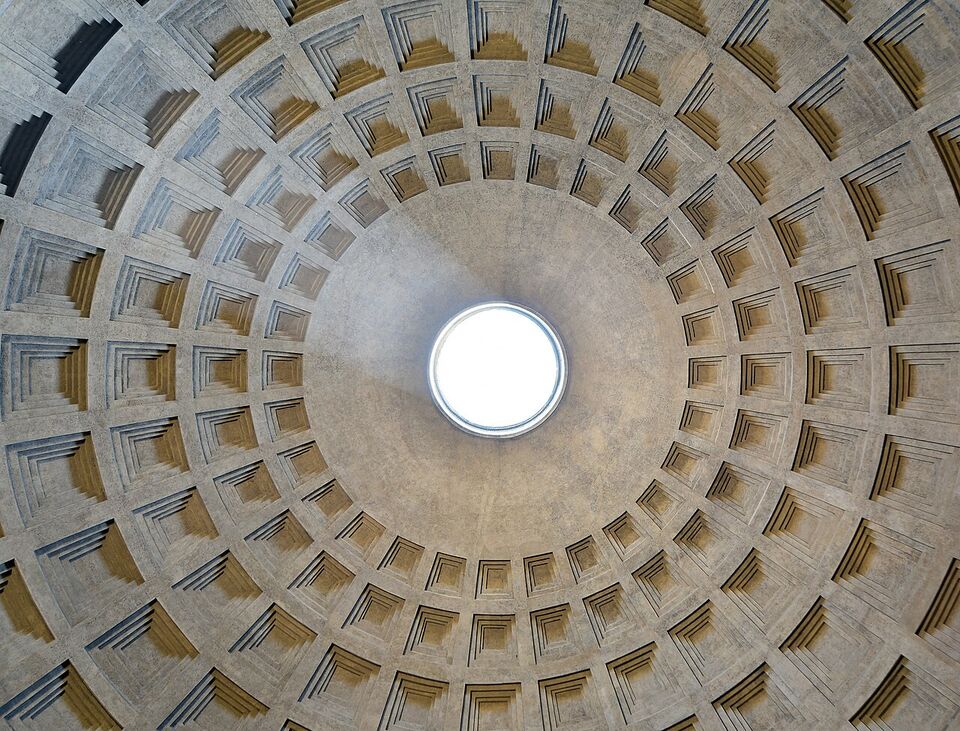
Afternoon. Lunch near the Pantheon, a 10-minute walk, then the Pantheon itself (€7, about $8; open 9 a.m. to 7 p.m.). Five minutes away, San Luigi dei Francesi holds Caravaggio's St. Matthew paintings; many churches close for a few hours around midday, so go mid to late afternoon. If it rains, go back to the Pantheon to watch the water fall through the oculus.
Evening. Cross Ponte Sisto into Trastevere, about 20 minutes on foot from the Pantheon, or ride Tram 8 from Largo Argentina in about 10 minutes. Santa Maria in Trastevere's mosaics are lit in the evening. Eat in the side streets off Piazza di Santa Maria or across Viale di Trastevere, where it is quieter.
Insider tip
See the Trevi Fountain twice: once in daylight with your €2 ticket, and once after 10 p.m., when the ticket window closes, the fountain is lit and the crowd thins. It is a 10-minute walk from most dinner spots in the center.
What to book now
Book in this order. Prices are the official ones for 2026; resellers charge two to three times as much for the same entry. See Colosseum tickets for the full ticket list and the lookalike sites to avoid.
| Sight or transport | How far ahead | Official site | Price |
|---|---|---|---|
| Vatican Museums and Sistine Chapel | As soon as dates are fixed; a few days in November and January, 2–3 weeks around Christmas | tickets.museivaticani.va | €25 (about $28) online, €20 at the door |
| Borghese Gallery | Dates open about six weeks ahead | galleriaborghese.cultura.gov.it | About €18 (about $20) including the €2 reservation |
| Colosseum, Forum and Palatine | Exactly 30 days before; set a reminder | ticketing.colosseo.it | €18 (about $20); Full Experience €24 (about $27) |
| St. Peter's dome | A few days ahead | basilicasanpietro.va | Shown when you book; the lift costs more than the stairs |
| Pantheon | A day or two, or at the door | pantheonroma.com | €7 (about $8) |
| Trevi Fountain basin | On the day | fontanaditrevi.roma.it | €2 (about $2.25) |
| Leonardo Express from Fiumicino | On the day | Trenitalia app or station machines | €14 (about $16) |
Under-18s enter the Colosseum free but still need a reserved ticket. Children under 7 enter the Vatican Museums free; reduced tickets for children and students are €15 (about $17) online.
What three days cost
These are typical fall and winter 2026 figures per person per day, without the hotel, based on the prices on our money page. Plug your own numbers into the budget calculator.
| Per person per day | Budget | Mid-range | Comfort |
|---|---|---|---|
| Food and drink | €30–35: bar breakfast, pizza by the slice, a pizzeria dinner | €60–80: trattoria lunch, dinner with wine, gelato | €120 and up: long dinners, aperitivo, a tasting menu |
| Sights | About €17 (standard tickets, skip the Borghese) | About €25 (Full Experience, Borghese, dome) | €60–120 (small-group or private guides) |
| Transport | €3–5 (mostly walking) | €5–10 (a few rides, one taxi) | €20–40 (taxis) |
| Rough total | About €55 (about $62) | About €95–130 (about $106–146) | €220 and up (about $246) |
Add the hotel and the city tourist tax: €3.50 to €10 (about $4–11) per person per night by property type, paid at the hotel. A coffee standing at the bar costs about €1.20–1.50; sit down and it can cost three times as much.
Save money
Skip the Roma Pass on a plan like this one. The Vatican is not included, you still need timed slots, and walking replaces most transit. Single tickets for each sight come out cheaper for most visitors.
Where to stay for this plan
This plan works best from the Centro Storico (around the Pantheon and Piazza Navona) or Monti, near the Colosseum, since both put two of the three days within walking distance of your door. Prati is a calm, good-value base for the Vatican day and is three or four Metro stops from the Spanish Steps. Near Termini you save money and get the airport train at the door, at the cost of a scruffier street. Our where to stay in Rome page compares the areas in detail, with prices by season.

From the airport
- Leonardo Express from Fiumicino to Termini: 32 minutes nonstop, €14 (about $16), every 15 minutes most of the day. Best if you stay in Monti or near Termini.
- Official white taxi: a fixed €55 (about $62) from Fiumicino to anywhere inside the Aurelian Walls, for up to four people with bags. Best for the Centro Storico and Trastevere, or for three or four travelers. Use the official taxi line and ignore anyone offering a ride in the arrivals hall.
- Regional FL1 train to Trastevere, Ostiense or Tiburtina: about €8 (about $9).
- From Ciampino: fixed taxi fare €40 (about $45), or a shuttle bus to Termini in about 40 minutes.
Details, including night arrivals, are on our Rome page and the flights page.
Variations
With kids
Book the Colosseum underground or arena ticket, which children remember far better than the upper levels. Keep the Vatican to the highlights and do it first thing, then reward everyone with gelato and the open space of Villa Borghese, which has bike and pedal-cart rentals. Swap the Capitoline Museums for the Capuchin Crypt only for older kids; the bone-decorated chapels upset some younger ones.
On a rainy day
Keep the Vatican as your wet-weather day if you can switch it. Other good rain options: the Pantheon in a downpour, Palazzo Massimo's ancient bronzes near Termini, the Galleria Doria Pamphilj on Via del Corso, and San Clemente's underground layers near the Colosseum. The Forum is miserable in heavy rain, so move it to a drier afternoon within your ticket's 24-hour window.
In winter
From November to February you trade long evenings for short lines. Start every day at opening, since sites close early (the Colosseum at 4:30 p.m., last entry 3:30) and it is dark by about 5 p.m. Use the evenings for churches, dinners and the lit-up fountains. In December, St. Peter's Square gets its tree and nativity, and Piazza Navona its fair; see Christmas markets in Italy and Italy in December. Expect rain about one day in three in November; see Italy in November and Italy in January.
With a fourth day
Ride the Appian Way by bike on a Sunday, when much of it is closed to cars, and visit a catacomb. Or take a day trip: Ostia Antica is about 25 minutes by train from Piramide, Tivoli's villas about an hour by regional train, Orvieto 1 hour 10 to 1 hour 30 minutes by train, and Pompeii a long but doable day via Naples. See day trips from Rome.
The slower version
Spread the same plan over four or five days: split Day 3 into a Borghese and Spanish Steps morning and a separate Pantheon and Trastevere day, and add Testaccio's market and the Aventine keyhole. Rome rewards loose afternoons more than another museum.
Mistakes to avoid
- Booking through a lookalike site. Type the official addresses above yourself; search ads often lead to resellers.
- Planning the Vatican for a Sunday or a Church holiday, or the Borghese for a Monday.
- Putting the Colosseum and the Vatican on the same day. Each is a half day on your feet, and they sit on opposite sides of the city.
- Forgetting passports on Colosseum day, or shoulder and knee cover on Vatican day.
- Taking a "taxi" from someone in the arrivals hall. Licensed Rome cabs are white with "Roma Capitale" on the door.
- Riding with an unvalidated paper ticket. Stamp it on board, or tap a contactless card instead.
- Carrying a backpack on your back on buses 40 and 64 and Metro A, Rome's pickpocket routes. See safety.
Bottom line
Three days covers Rome's essentials if you book the Colosseum 30 days out, the Vatican as early as you can, and give each a morning of its own. Base yourself in the Centro Storico or Monti, walk everywhere, and keep the afternoons loose. If Rome is the start of a longer trip, our Italy itinerary shows how to add Florence and Venice, and Rome vs Florence helps if you can only do one. Coming from Paris? Compare with 3 days in Paris or read Paris vs Rome.
Want this planned for you? Tell us your dates and we will line up the tickets in the right order, or sketch your own route with the trip builder.
Add it to a route in the trip builder, or ask us to plan the hotels, trains and guides for you.