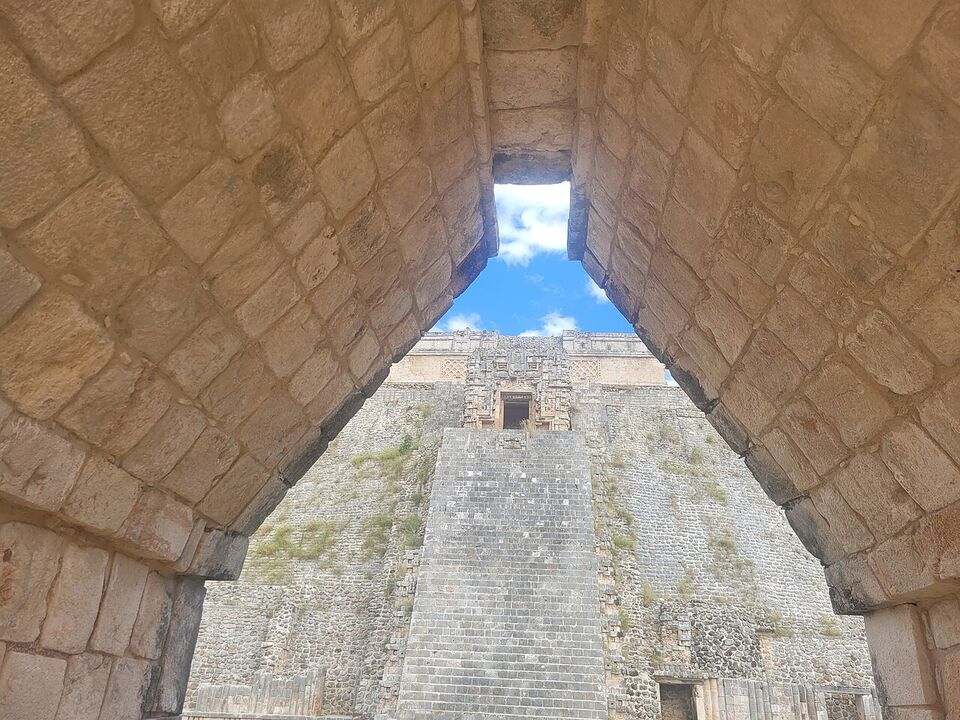
The three to beat are Gran Cenote near Tulum for clear water, turtles and an easy boardwalk swim; Dos Ojos for cavern snorkeling; and Suytún near Valladolid for the famous beam of light on a stone platform. Staying in Cancún without a long drive, head 40–45 minutes to the Ruta de los Cenotes near Puerto Morelos.
Choose by type. Open cenotes, like Zacil-Ha, Cristalino and Multum-Ha, are sunny pools that suit kids. Semi-open and cave cenotes, like Suytún, X'Kekén and Siete Bocas, are darker and more dramatic. Jumpers want Calavera or Verde Lucero. Fees below are 2026 figures from local reporting and cenote price lists; they change often, so confirm at the gate.
Quick picks
| Cenote | Best for | Cost (2026) | Time | Booking |
|---|---|---|---|---|
| Gran Cenote | First cenote, snorkeling | About MX$500 (about $27) | 1.5–2 hr | Gate; arrive at 8 a.m. |
| Dos Ojos | Cavern snorkeling, divers | About MX$450–550 ($25–30) | 2–3 hr | Gate; dives with a certified guide |
| Calavera | Jumping | About MX$300 ($16) | 1 hr | Gate |
| Cristal and Escondido | Quiet swims, one ticket for two | About MX$250 ($14) | 2 hr | Gate |
| Cobá cenotes | Cheap caves after Cobá | About MX$100–200 ($5–11) each | 2 hr for two | Gate |
| Siete Bocas | Closest cave to Cancún | Roughly MX$200–500 ($11–27) | 1–2 hr | Gate |
| Suytún | Photos | About MX$250 ($14) | 1 hr | Gate |
| X'Kekén and Samulá | Two caves on one ticket | MX$125 ($7) for both | 1.5 hr | Gate, cash |
| Ik Kil | Pairing with Chichén Itzá | About MX$200 ($11) | 1 hr | Gate |
| Zací | A swim in Valladolid town | About MX$60 ($3) | 1 hr | Gate |
Tulum and the Cobá road
The densest cluster sits on the road from Tulum toward Cobá, 5–15 minutes from town by car or bike. From Cancún's Hotel Zone, Tulum is about 2 hours by car; see Tulum.
1. Gran Cenote
Clear water over white rock, a wooden boardwalk, small turtles and cavern sections lit by sunbeams, with snorkel rental on site. It is the most famous cenote near Tulum and the busiest; the tour buses arrive by mid-morning, so be at the 8 a.m. opening. It is also among the priciest.
2. Calavera
The "skull" cenote: a jungle hole with three openings you jump through into deep water, plus a ladder to climb out. Simple and fun for confident swimmers. Busy in late morning, and no place for anyone who cannot swim in deep water.
3. Car Wash (Aktun Ha)
An open pool with lily pads, turtles and a cavern entrance popular with divers. Quieter than Gran Cenote and good for snorkeling over the plants. Named for the taxi drivers who once washed cars here.
4. Zacil-Ha
A round, open cenote with shallow areas, a small zip line over the water and a snack bar. The easiest family pick near Tulum. Less dramatic than the cave cenotes.
Along Highway 307, Playa del Carmen to Tulum
These sit just off the coast highway, so colectivo vans can drop you at the turnoff. From Playa del Carmen they are 25–60 minutes south.
5. Dos Ojos
Two connected sinkholes, the "two eyes," with some of the best cavern snorkeling and cavern diving in Mexico. Parts are dark, so bring or rent a light, or take a guided snorkel. Plan two to three hours to make the fee worthwhile.
6. Casa Cenote (Manatí)
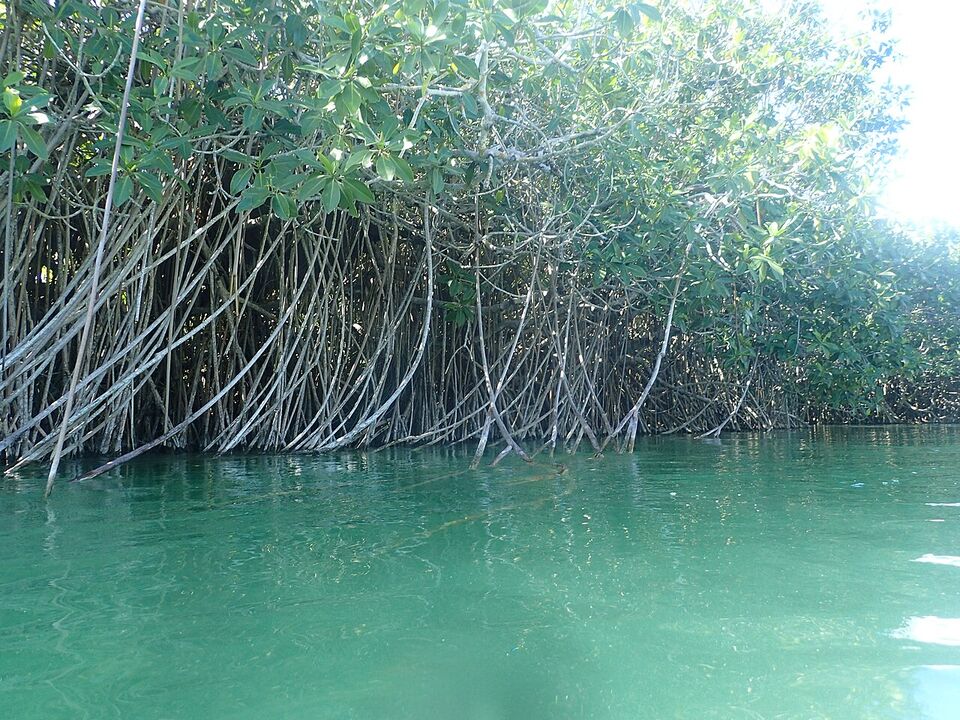
A long, mangrove-lined channel that flows toward the sea, good for snorkeling among fish. It is a lagoon, not a classic sinkhole, and a resident crocodile is part of the scenery, so follow staff instructions.
7. Cristal and Escondido
Two open-air pools on opposite sides of the highway, usually on one ticket. Cristal has a jump platform; Escondido is quieter, with more wildlife. Often uncrowded, and a short bike ride from town.
8. Cristalino
An open swimming hole with a small cliff jump and a shady overhang, right off the highway. A good family stop on the way to or from Akumal. See Riviera Maya.
9. Cenote Azul
Clear water with shallow areas that suit families, about 1.5 hours from Cancún. We could not confirm its 2026 fee; expect it in the same range as its neighbor.
10. Balam Ha
A community-run cenote that reopened in September 2026 while the town seeks legal control of the site. Hours had not been announced, and the dispute could change things, so ask in Akumal before you go. Pairs with the turtle swim.
The Cobá cenotes
11. Choo-Ha, Tamcach-Ha and Multum-Ha
Three cave cenotes run by the local community, among the cheapest in the region. Choo-Ha is a shallow dome with stalactites; Tamcach-Ha has 5 m and 10 m (16 and 33 ft) jump platforms; Multum-Ha is the calmest, with life vests to rent. Do them after climbing Cobá's main pyramid (MX$210, about $11), about 45 minutes from Tulum.
Closest to Cancún: the Ruta de los Cenotes
A road heading inland from Highway 307 at Puerto Morelos is lined with family-run cenotes and small adventure parks, 40–45 minutes from Cancún. Each sets its own fee and hours; expect roughly MX$200–500 (about $11–27) per adult, cash. You need a car, a taxi for the day or a tour.
12. Siete Bocas
Seven openings into one cave pool, so light falls in from several directions. Parts are in shadow, so wear a life vest if you are unsure. The most atmospheric stop on the route.
13. Verde Lucero
An open cenote ringed by jungle, with platforms for jumping into the water. Sunny and lively; less of the cave drama.
14. Boca del Puma, La Noria and Las Mojarras
Boca del Puma adds zip lines; La Noria and Las Mojarras are classic stops with their own fees. Several sites sell packages with zip lines, kayaks or rappelling, which cost extra. Ask what the entry alone costs before you agree to a bundle.
Valladolid and Chichén Itzá
Inland in Yucatán state, about 2 hours from Cancún, the cenotes are cheaper and many are true caves. Fees are from a June 2026 price list. Yucatán is Level 1, the State Department's lowest. See Yucatán.
15. Suytún
A cave cenote where a shaft of sunlight hits a stone walkway in the middle of the water: the photo you have probably seen. Very popular. The trade-off: crowds are lightest at opening, but the beam is strongest around midday.
16. X'Kekén and Samulá (Dzitnup)
Two cave cenotes in one adventure park: X'Kekén is known for its stalactites and light beams, and Samulá is next door. Cash only. Go at opening.
17. Zací
An open cenote with jumping platforms, a few blocks from the main square. Cheap and easy for a swim after Chichén Itzá. Less polished than the showpieces.
18. Oxman
A quieter cave cenote with natural light and tidy facilities; the higher ticket adds a private pool area. Take a taxi; the bike route is lonely.
19. Ik Kil
A deep, round cenote with vines hanging to the water and modern facilities. It is the lunch stop on most bus tours, so go early or late.
20. Yokdzonot
A village cooperative runs this open cenote, about 130 feet (40 m) deep, with zip lines, rappelling, bikes and a local restaurant. Calmer than Ik Kil and a good way to put money into the community.
21. X'Canché
An open sinkhole you reach by stairs, zip line or rappel, with a mandatory shower and no sunscreen. The swim after Ek Balam (MX$709, about $39). See ruins.
Going on to Mérida? The villages of Homún and Cuzamá have dozens more, with moto-taxi and cart circuits; see Yucatán.
Diving the cenotes
The peninsula sits on the largest known network of underwater caves on earth. With an open-water certification and some experience, you can make guided cavern dives, staying within sight of daylight, at Dos Ojos, Car Wash, Taj Mahal and Chac Mool, or see the eerie hydrogen sulfide cloud at Angelita, about 200 feet (60 m) deep and for advanced divers only. Divers pay a separate cenote fee on top of the dive. Going beyond the daylight zone needs full cave training, and untrained divers die in these systems every few years. Book through a dive shop with certified cavern guides; see outdoors.
Rules at the gate
- Shower before you get in; most cenotes require it.
- No sunscreen, insect repellent, lotion or makeup. Many cenotes ban even "biodegradable" products, because this groundwater is the region's drinking water.
- Use the life vest if you are not a strong swimmer. Fresh water is less buoyant than the sea, and many pools are deep.
- Stay in the roped area, never swim into a cave passage, and do not touch stalactites or feed fish and turtles.
- Bring cash in small bills for entry, lockers, vests and parking; card machines and ATMs are rare.
- Wear water shoes: steps and ladders are steep and slippery.
Different from home
Nearly every cenote sits on private or ejido (communal) land, so each is its own small business with its own fee, hours and rules. There is no park pass that covers them. More in beaches and health.
Tours or on your own?
Independent is cheaper and lets you arrive at opening. A rental car is the easiest way to string together three cenotes, but Mexican liability insurance is mandatory and often missing from cheap online rates; read driving in Mexico. Without a car, colectivo vans on Highway 307 drop you at Cristalino, Azul, Casa Cenote, Dos Ojos and Cristal, and a bike from Tulum town reaches Gran Cenote, Calavera and Cristal.
Tours make sense from Cancún if you will not drive, and for cavern snorkeling or diving with a guide. Grupo Xcaret sells Xenotes, a polished guided cenote day, at park prices. Before you book any tour:
- Ask how many cenotes, how long at each, and whether entry fees are included; at many cenotes they are paid in cash at the gate.
- Book with the operator's own site or your hotel's desk, and ask for its RNT number (Mexico's federal tourism registry).
- Skip "free" or "discount" cenote tours offered at the airport or on the street; most come with a timeshare presentation.
Save money
The Cobá and Valladolid cenotes cost a fraction of the famous Tulum ones: MX$60–250 against MX$500 at Gran Cenote. A family of four saves real money doing Zací, X'Kekén and Samulá instead. See budget.
Two sample cenote days
- Day 1
Tulum loop
Gran Cenote at 8 a.m., Calavera at 10, then lunch in Tulum town. Car Wash or Zacil-Ha in early afternoon, and Cristal and Escondido south of town before they close. With a car you can end at Cobá's cenotes instead, after the ruins.
- Day 2
Valladolid and Chichén Itzá
Sleep in Valladolid, enter Chichén Itzá at 8 a.m. (MX$697, about $38 for foreigners), and swim at Yokdzonot or Ik Kil afterward. Late afternoon, X'Kekén and Samulá, then a sunset dip in Zací.
From a Cancún hotel with one free morning, drive the Ruta de los Cenotes: Siete Bocas at opening, then Verde Lucero, back by lunch. See things to do in Cancún.
Seasons, weather and crowds
- Sargassum never reaches cenotes, which makes them the best plan B on a seaweed or red-flag day. 2026 was a record seaweed year on the coast, with arrivals starting in January.
- Winter cold fronts (nortes, November to February) do not cloud the water, but on a windy 65°F (18°C) evening the 75°F (24°C) water feels cold. Bring a towel and a rash guard.
- Light: sunbeams in cave cenotes need sun overhead, so cloudy days and early mornings are dimmer.
- Crowds: worst from Christmas to New Year's (roughly December 19 to January 3), in Easter week (Easter is March 28, 2027) and on weekends, when local families come out.
- Hurricane season ends November 30; after a heavy storm, check that the site and its access road are open.
More on the months: November, December, January and when to go.
Bottom line
For one cenote, pick Gran Cenote at opening. For a day, pair it with Calavera and Cristal, or go inland to Valladolid for Suytún, X'Kekén and Samulá at a third of the price. With kids, stick to open pools such as Zacil-Ha, Cristalino, Azul and Multum-Ha. Staying in Cancún, the Ruta de los Cenotes is the short drive. Deciding where to base yourself? See where to stay in Cancún and Cancún vs Tulum.
Want this planned for you? Tell us your dates, or try the trip builder.
Add it to a route in the trip builder, or ask us to plan the hotels, trains and guides for you.