Jamaica's beaches in brief
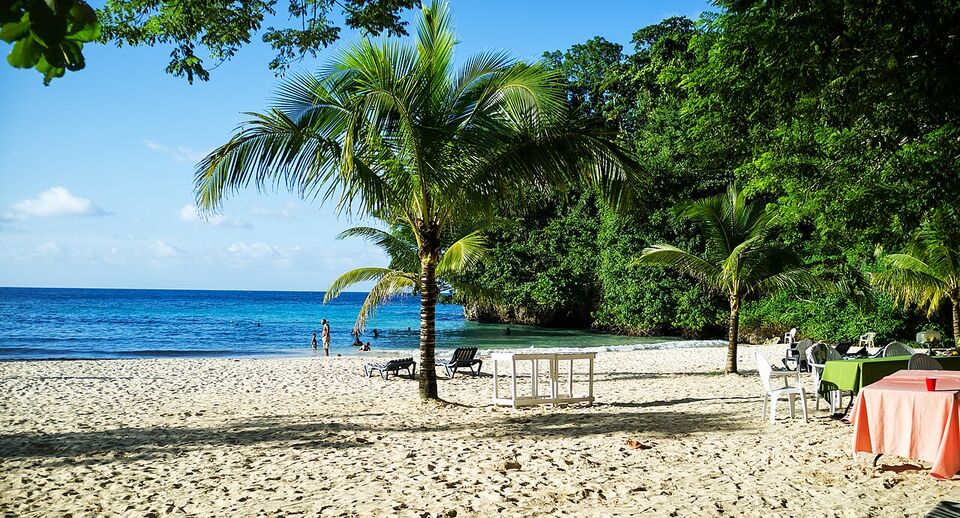
Jamaica has beaches for almost every kind of day: long strips of fine sand with calm water, small coves behind reefs, surf beaches where the Atlantic swell rolls in, and fishing beaches where the boats are pulled up on dark sand. The best one for you depends on what you want: calm water for children, a place to eat jerk, somewhere to surf, a quiet cove or a day on a tiny island.
The catch is access. Unlike many places in the US, Jamaica has few public beaches, and many of the best stretches of sand lie in front of hotels or private land. If you are staying at a resort, the beach is on your doorstep. If you are not, you will rely on a handful of public beach parks, beach clubs that charge entry and local beaches with informal facilities. This guide covers the main ones by region, what they cost, what is safe, and what to check after Hurricane Melissa (a Category 5 storm that hit the west and south on October 28, 2025).
We keep to prices we could confirm as of November 2026 and say where a figure needs checking. A sensible rule is to confirm the fee, the opening hours and whether the beach is staffed on the day you plan to go.
The best beaches at a glance
| Beach | Area | Fee for visitors | Best for | Status and notes |
|---|---|---|---|---|
| Seven Mile Beach (Long Bay Beach Park) | Negril | US$3 adult, US$1 child | Long walks, calm water, sunsets | Park open 9 a.m.-5 p.m.; resort beaches are for guests |
| Doctor's Cave Beach | Montego Bay | Check current fee | Calm, clear water; easy day out | Listed open by the Tourist Board (Nov 2026); check fee and hours |
| Harmony Beach Park | Montego Bay | Free | A free city beach | Reopened after Melissa; park 6 a.m.-10 p.m., beach Wednesday-Sunday 9 a.m.-5 p.m. per UDC |
| Ocho Rios Bay Beach | Ocho Rios | US$10 adult, US$7 child | Families, cruise-day visitors | 8:30 a.m.-4 p.m.; reopened November 2025 |
| James Bond Beach | Oracabessa | Check current fee | Events and a beach day | Check status and fees before you go |
| Frenchman's Cove | Port Antonio | Check current fee | A small, sheltered cove | Check access and fees before you go |
| Winnifred Beach | Portland | Check current fee | A local-style day out | Community beach; facilities are simple |
| Boston Bay | Portland | Check locally | Surf and jerk | Surf and currents; not a calm swim |
| Long Bay | Portland | Check locally | Surf, scenery | Rip currents; experienced swimmers only |
| Treasure Beach | St. Elizabeth | Free or informal | Fishing bays, quiet days | Currents vary; check local advice; recovering after Melissa |
| Hellshire Beach | Near Kingston | Check locally | Fried fish and a busy weekend scene | Crowded on weekends; fees and facilities vary |
| Fort Clarence Beach | Near Kingston | Check locally | A closer city beach | Check facilities before you go |
| Lime Cay | Off Port Royal | Boat fare | A tiny island day trip | Reached by boat; arrange return time |
Fees quoted in US dollars are those the Urban Development Corporation (UDC) lists for non-residents. Jamaican residents pay less. "Check" means we could not confirm a current figure and did not guess.
Negril and the west
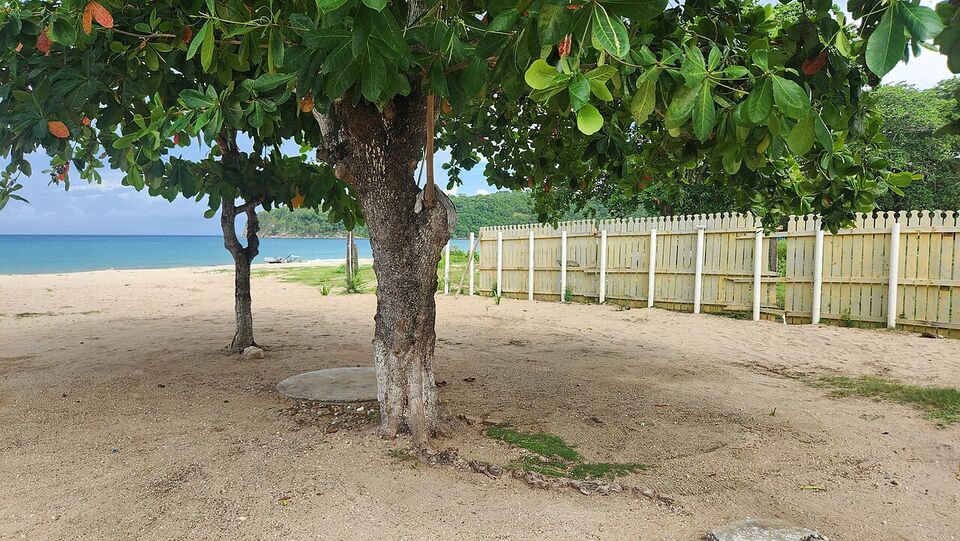
Seven Mile Beach is the signature beach of Negril, a long, gently curving stretch on Long Bay with calm, shallow water and sunsets over open sea. The stretch in front of most resorts is for guests, but you can use the managed public section at Long Bay Beach Park for US$3 (adult) or US$1 (child), open 9 a.m. to 5 p.m. daily. The beach is busy with vendors, boat and jet-ski offers and small bars. It is the easiest beach in Jamaica for first-timers and families. The Negril hotels came through Melissa with less damage than the southwest, and most are listed open as of November 2026. See our Negril guide for the cliffs, Rick's Cafe and where to stay.
Beyond Negril, Westmoreland and Hanover were hit hard by the storm. Bluefields Beach Park in Westmoreland is a UDC park with a restroom fee of J$50 (about US$0.30) and a shower fee of J$100 (about US$0.65) and hours of 9 a.m. to 5 p.m. Check its condition after the storm before you go.
Montego Bay
Doctor's Cave Beach on the Hip Strip is the most famous beach in Montego Bay, known for calm, clear water. It is a private club that charges an entry fee. The Tourist Board listed the Doctor's Cave Bathing Club as open in November 2026; check the current fee and hours before you go. Harmony Beach Park, run by the UDC, is free to enter, reopened on November 11, 2025, and the park is open 6 a.m. to 10 p.m. (the beach itself Wednesday to Sunday, 9 a.m. to 5 p.m.). In 2026 officials said the UDC manages Harmony Beach Park and has taken back Old Hospital Park (One Man Beach), while another beach, Tropical Bliss, was privatized with paid access.
The hotel beaches of Montego Bay and Rose Hall were affected by the storm. Many resorts have reopened and others, including Sandals Montego Bay and Sandals Caribbean Cay (December 18, 2026), reopen later or in 2027; see Jamaica After Hurricane Melissa and Montego Bay for status.
Ocho Rios and the north coast
Ocho Rios Bay Beach (also called Turtle Beach) is a UDC beach near the cruise pier and the town. Non-resident admission is US$10 for an adult and US$7 for a child, open 8:30 a.m. to 4 p.m. It reopened on November 11, 2025. It suits cruise visitors and families who want a managed beach with facilities, though it can be busy on ship days. Officials also say Flavour Beach in Runaway Bay has full public access, though we could not confirm a fee. See Ocho Rios and Runaway Bay.
East of Ocho Rios, James Bond Beach in Oracabessa is a sandy beach used for events and day visits. Check its fees and schedule before you go.
Save money
Cruise passengers can often walk to Ocho Rios Bay Beach for US$10 instead of paying a larger beach-club or excursion price. Check which days the beach is crowded (cruise days, often Wednesday to Friday), and bring small bills.
Port Antonio and Portland
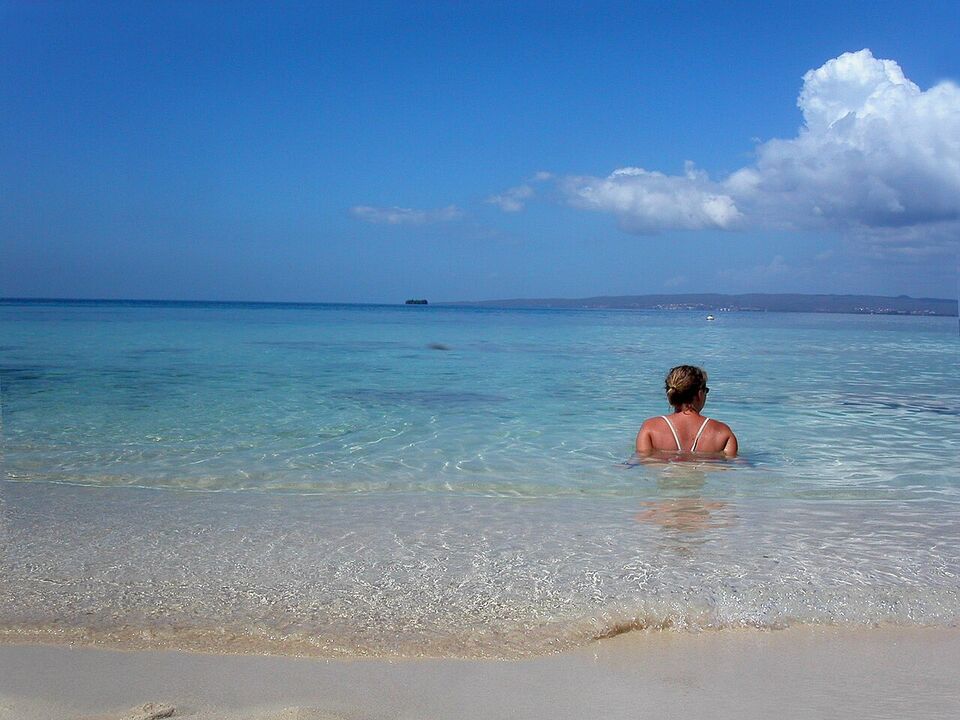
Portland, on the northeast coast, has a different character from the resort north coast: greener, wetter, less developed and with a more rugged coast. Port Antonio (Portland) is the hub, and our Port Antonio and Portland guide covers the area.
- Frenchman's Cove: a small, sheltered cove with a stream running into the sea and a postcard look. Access and fees have varied, and we could not confirm them for 2026, so check before you go.
- Winnifred Beach: a community-run beach near Fairy Hill, popular with Jamaican families and known for a relaxed, local atmosphere. Facilities are simple, and weekends and holidays are busy. Check current fees and conditions locally.
- Boston Bay: best known for surf and for the jerk centers nearby. The water is not a calm swim; it is better for surfers and for eating than for children.
- Long Bay (Portland): a long, wild beach with surf. Rip currents are a serious risk here, as described below.
The south coast and Kingston
Treasure Beach in St. Elizabeth is a string of small bays with fishing boats, dark golden sand and a quiet, community feel. The sea can be rougher and the currents less predictable than on the north coast, and lifeguards are not guaranteed. The area was badly hit by Melissa and is recovering; see Treasure Beach and the South Coast.
Near Kingston, Hellshire Beach is a busy weekend beach known for fried fish and a lively, crowded scene, with Fort Clarence nearby. Lime Cay is a tiny sandy island off Port Royal, reached by boat from the port. It is quiet on weekdays and crowded on weekends. Arrange a return time with the boat captain before you leave the dock, and bring shade and water. See Things to Do in Kingston.
Which beach for which trip
- Families with young children: Seven Mile Beach in Negril and Ocho Rios Bay Beach have the calmest water and the most facilities. Resort beaches add lifeguards at some properties; ask yours.
- Couples wanting quiet: Winnifred Beach on a weekday, a small cove in Portland or the Treasure Beach bays, with the caveat that the sea there needs more care.
- Cruise passengers: Ocho Rios Bay Beach is the simplest to reach from the pier. From Falmouth, ask your line about beach excursions, and see Falmouth and Trelawny.
- Surfers and food lovers: Boston Bay, for the waves and the jerk, with the currents in mind.
- Anyone on a tight budget: Harmony Beach Park is free, and the UDC parks cost US$3 to US$10 for adults.
Who owns the beach? Public access in Jamaica
If you are used to American beaches, this is the biggest difference. In the United States, the wet sand is generally public. In Jamaica, the Beach Control Act of 1956 requires a license for commercial or public use of the foreshore, and much of the shoreline is private or held by hotels. Resort beaches are for guests, even though the sea itself is not owned.
A group called JaBBEM, which campaigns for public access, has called for the law to be repealed. It claims only about 2.8 miles of 494 miles of shoreline are open to the public, which is less than 1%. That is the group's figure and we cannot verify it independently. No change to the law had been reported as of August 27, 2026. In March 2026 the Prime Minister promised more accessible beaches, and in June 2026 mayors backed more public beaches. In practice, this means:
- You may not be able to walk onto a hotel's beach without a day pass.
- Public beach parks run by the UDC (Long Bay Beach Park, Harmony Beach Park, Ocho Rios Bay Beach, Bluefields) are the most reliable public options.
- Many beaches have informal local access, but facilities are limited and rules vary.
- If staff ask you to leave a private beach, do so politely rather than arguing.
Different from home
Do not assume that a beautiful stretch of sand is open to everyone. Ask first, and look for signs or a ticket booth. Day passes at hotels exist, but may be limited.
Fees, vendors and etiquette
Public beach parks charge a small entry fee, usually quoted in US dollars for visitors. Private beach clubs charge more. Chairs, umbrellas, towels, lockers and food are separate costs. Carry small bills: US dollars are accepted in tourist areas, but change often comes back in Jamaican dollars at a poor rate. Bank ATMs give J$. See Money in Jamaica.
Beach vendors are part of the scene. Craft sellers, braiders, fruit and snack sellers, boat and jet-ski operators and people offering tours work most popular beaches. Most are earning a living. A friendly "no, thank you" is enough, and a clear price before you accept any service avoids arguments. Do not hand over a deposit on the beach, and book tours through your hotel or a licensed operator. Ask before taking photos of people. See Jamaican Etiquette for more.
On the beach, cannabis law is simple: possession of two ounces or less is not an arrestable offense and brings a J$500 (about US$3) ticket, smoking in public places is banned and you must never take any to the US. We give no tips on buying it.
Safety: lifeguards, currents, urchins and the sun
Lifeguards
Do not assume there is a lifeguard. Some managed beach parks and resorts have staff, but many beaches have none, and there is no national flag system you can count on. Treat each beach as unsupervised, keep children within arm's reach and do not swim alone.
Rip currents in Portland
Portland's northeast coast faces open swell, and beaches such as Long Bay and Boston Bay can have rip currents and strong surf. If you are pulled out, stay calm, do not fight the current, swim parallel to the shore until you are free, then swim in. If you are not a confident swimmer, stay out of the surf and choose a calmer beach. Winter cold fronts between December and March can roughen the sea along the whole north coast.
Sea urchins and reef
Sea urchins live on rocks, reef edges and some cliff ledges. A spine in the foot is painful and can become infected. Wear water shoes in rocky areas, look before you step and do not touch coral. If spines go in deep or the area swells, see a doctor; care is limited in rural areas, so travel insurance with medical evacuation is wise. A flight to Florida by air ambulance often costs US$30,000 or more.
Sun, heat and the sea
The sun is strong all year. Montego Bay averages about 86-87°F in winter and 92-93°F in summer, and the sea is about 81°F (27°C) in winter and 84-86°F (29-30°C) from June to October. Use reef-safe sunscreen, which is encouraged, and avoid the midday sun. Drink bottled water. Fresh water is a separate risk: avoid swimming or wading in rivers after heavy rain because of leptospirosis, for which an outbreak was declared after Melissa in November 2025. See Health and Medical Care.
Watch out
Do not go to remote beaches alone, and do not leave bags unattended on the sand. Use the hotel safe for valuables. Do not swim after drinking, which is the most common factor in beach accidents.
Seaweed, seasons and the best time to swim
Sargassum, a floating brown seaweed, can wash onto Caribbean beaches in some years and seasons. It varies by coast and by year, and we could not confirm the 2026-27 outlook for Jamaica, so we cannot say which beaches will be affected. In general, it is more common in warmer months, and exposed shores see more of it than sheltered bays. Ask your hotel about conditions before you book a beach-focused trip.
For swimming, the dry months from December to April bring the calmest weather on the north and west coasts, although cold fronts can bring wind and swell. February and March are the driest on the north coast. May and September-October are the wettest months. Hurricane season runs June 1 to November 30, with the peak from August to October. High season runs from about December 15 to April 15, and prices peak at Christmas and New Year, Presidents' week and spring break. See When to Go to Jamaica and Hurricane Season in Jamaica.
Planning a beach day
- Confirm the fee, opening hours and whether the beach is open on the day.
- Bring water shoes, reef-safe sunscreen, a hat, a towel and a refillable water bottle.
- Bring small bills in US dollars and J$ for entry, drinks and food.
- Use licensed transport (red PPV plates or a hotel-arranged driver) and agree on the fare and return time.
- Check the weather and the sea state. Avoid swimming in rough water or after drinking.
- Leave valuables at the hotel.
- For Portland, ask about rip currents before swimming.
The State Department rates Jamaica Level 2, "Exercise Increased Caution" (reissued January 17, 2026). Read the current advisory on travel.state.gov before you go, and see Is Jamaica Safe?. For more ideas, see Jamaica by Interest.
Add it to a route in the trip builder, or ask us to plan the hotels, trains and guides for you.