Overview
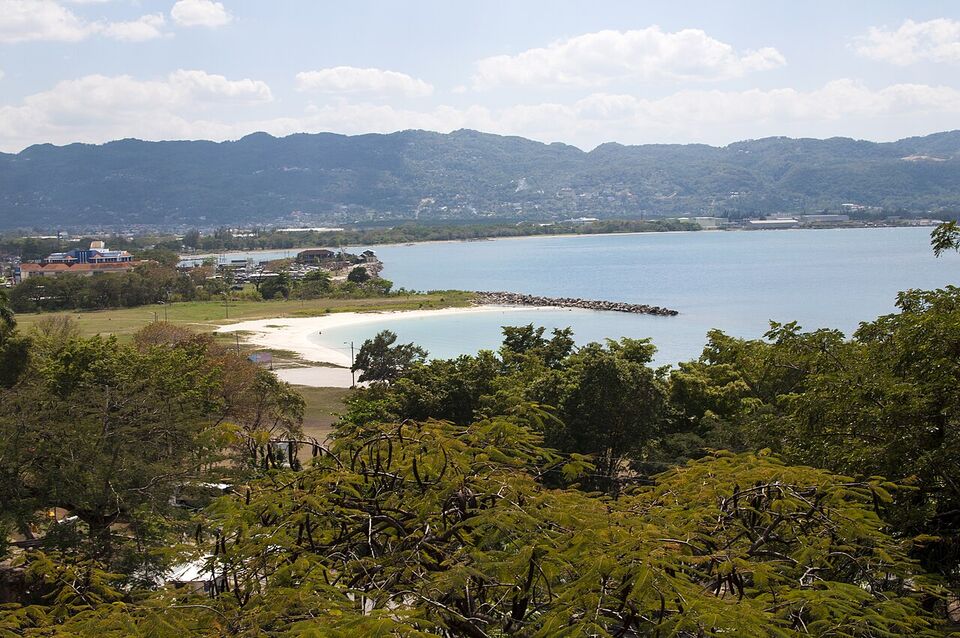
Montego Bay (MoBay) is the most convenient first stop in Jamaica for most Americans. It has the island's busiest airport, a long stretch of resorts, a lively tourist strip, some of the most accessible beaches in the country and easy roads to Negril, Falmouth and Ocho Rios. It is also the part of Jamaica that took the hardest hit from Hurricane Melissa, so the answer to "is it open?" depends on which hotel, beach or attraction you mean.
This page is the overview of the area: how it is laid out, what the recovery looks like in November 2026, where to swim, where to eat, how to get around and where to base yourself. For the detailed list of attractions with times and costs, see Things to Do in Montego Bay. For the airport, see Montego Bay Airport Transportation.
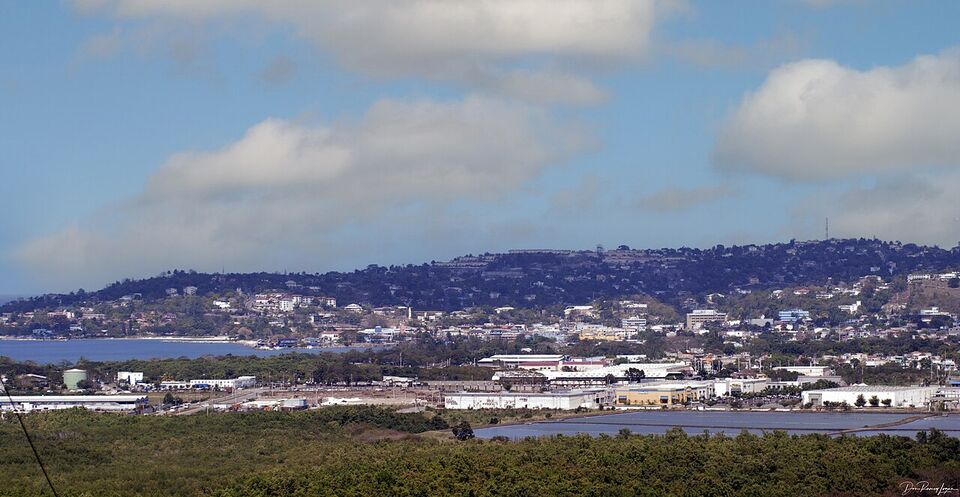
Montego Bay is in the parish of St. James, on the north-west coast. It is the second-largest urban area in Jamaica after Kingston, which means it is a working city as well as a resort area. The tourist zones run along the coast and are the parts most visitors see. The city also has a busy downtown, residential neighborhoods and, inland, areas where visitors have little reason to go.
Jamaica is on Eastern Standard Time all year with no daylight saving. Until the second Sunday of March (March 14, 2027) the time is the same as in New York. From then until November it is one hour behind New York.
Where Montego Bay stands after Hurricane Melissa
Hurricane Melissa, a Category 5 storm, made landfall on October 28, 2025 near New Hope in Westmoreland. St. James, including Montego Bay, was among the parishes with the most damage, alongside Westmoreland, St. Elizabeth and Hanover. Tourism reopened to visitors on December 15, 2025, and a year later the picture is mixed but improving.
The Tourist Board and industry reports in early November 2026 put about 80% of hotel rooms across the island back in operation, with about 90% expected for the winter season that starts in mid-December and about 95% by the end of March 2027. Villas and apartments are recovering more slowly, at roughly 60 to 70%. Those are island-wide figures, and Montego Bay and the south coast are the slowest areas.
- Open as of November 2026 (per the Tourist Board's list): Half Moon (in phases), Round Hill, Tryall Club, the Riu resorts, the two Royalton Blue Waters resorts in Trelawny (reopened in September 2026), Excellence Oyster Bay and several of the Iberostar properties at Rose Hall.
- Reopening December 18, 2026: Sandals Montego Bay and Sandals Caribbean Cay (formerly Sandals Royal Caribbean).
- Reopening in 2027: the Hyatt Ziva and Hyatt Zilara at Rose Hall, Secrets St. James, Secrets Wild Orchid, Breathless Montego Bay, Dreams and Jewel Grande. Unico Montego Bay opens in March 2027.
- Still closed (contact the hotel): Catalonia Montego Bay and the two Grand Decameron properties.
Dates on that list are projections and they move. Check the Tourist Board's hotel reopenings page and the hotel's own site before you book, and again a few weeks before you fly. Our Jamaica After Hurricane Melissa page covers the wider recovery.
Airport and ports are working. Sangster International Airport (MBJ) was the most damaged of Jamaica's international airports, and it is still being repaired and expanded, but full operations have been restored. The cruise port at Montego Bay and the pier at Falmouth both reopened in December 2025. Some roads in the west are still being repaired. The Montego Bay Bypass, part of the Perimeter Road project, was about 90% complete in early November 2026, and the Works Minister said he expects it to be ready before the winter season. There is no firm date, so do not plan around it.
Different from home
After a hurricane in the US, a damaged resort often reopens in a few months with a press release. In Jamaica the recovery is uneven, and a hotel can be open while the beach bar, spa or restaurant next door is not. Ask the hotel which facilities are working on your dates, and treat dates on any reopening list as targets.
Montego Bay by area
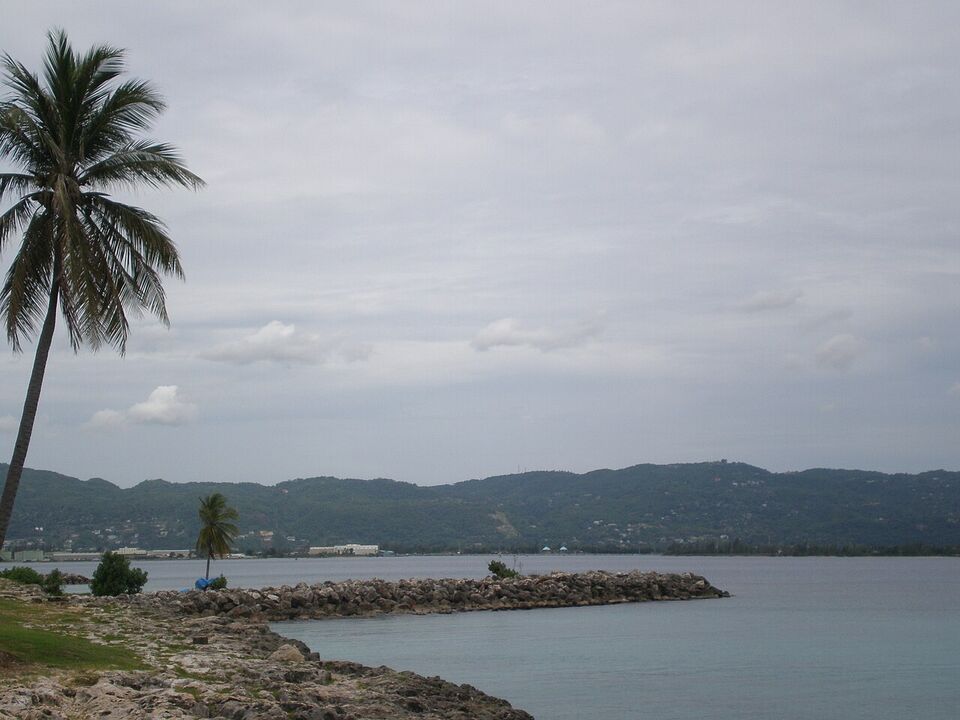
Montego Bay is spread out, and where you sleep decides what your trip feels like. Here are the areas most visitors choose between.
The Hip Strip (Gloucester Avenue)
This is the main tourist street, a mix of hotels, restaurants, craft shops and nightlife. It is the most walkable part of the city, and it is close to Doctor's Cave Beach. It suits people who want to eat and go out without a long taxi ride, and who are comfortable with vendors calling out to them. Use a licensed taxi after dark rather than walking between venues.
Downtown and Sam Sharpe Square
Downtown is where Montego Bay does its everyday business: banks, markets, churches and the old civic buildings around Sam Sharpe Square. It is a place to visit on a guided tour or a daytime outing, not to base yourself. See the sights page for the story of the square.
Rose Hall
Rose Hall is the main all-inclusive and golf area, with big resorts, a shopping complex and the historic Rose Hall Great House. It is quiet outside the resorts, so most guests stay on property and use organized tours. Many Rose Hall hotels are among those reopening in December 2026 and 2027, so check each one.
Ironshore
Ironshore, east of Rose Hall, is mostly homes and villas with golf nearby. The US Consular Agency is here, in Whitter Village. It suits visitors renting a villa who want space and a car or driver.
Reading and the west side
West of the city, around Reading and toward Hanover, the road runs past resorts and a few hotels with private beaches. It is closer to Negril than to the Hip Strip. Choose it if you want to be on a beach and out of the city. Hanover was one of the parishes hit hardest by the storm, so confirm what is open.
Trelawny and Falmouth side
Past Rose Hall the road leads into Trelawny, where the Royalton resorts sit. Falmouth, about 30 to 40 minutes from the airport, is a preserved Georgian town. See Falmouth and Trelawny.
Beaches
Beaches in Jamaica are not all public. A 1956 law, the Beach Control Act, governs commercial use of the shoreline, and in practice much of the best sand sits in front of hotels. Several groups have called for the law to be changed, and the government has promised more access, but nothing had changed as of late August 2026. In Montego Bay, public access comes through a few managed beaches.
Doctor's Cave Beach
Doctor's Cave is the best-known beach on the Hip Strip, a small, sheltered cove with calm water. It has traditionally been run as a beach club with an entry fee. The Tourist Board's list shows Doctor's Cave Bathing Club open as of November 2026, but we have no current fee or hours, so ask your hotel or call the neighboring Doctors Cave Beach Hotel (+1 876-952-4355) before you go.
Harmony Beach Park
Harmony Beach Park is managed by the Urban Development Corporation (UDC), has no entry fee and is listed open on the Tourist Board's list (November 2026). It is the main free beach. The UDC lists the park as open daily from 6 a.m. to 10 p.m. and the beach itself Wednesday to Sunday, 9 a.m. to 5 p.m. Parking is charged (J$200 an hour or J$700 a day for cars, about US$1.25 or US$4.40). Hours can change, so check with the UDC (udcja.com) before you travel.
Old Hospital Park (One Man Beach) and others
The government said in June 2026 that the Old Hospital Park beach, sometimes called One Man Beach, has returned to UDC management. The mayor also mentioned Sunset and Dead-end Beaches, two other public stretches near the Hip Strip, where an upgrade proposal is under discussion. We have no confirmed fees or hours for any of these, and facilities can be basic. Another beach, Tropical Bliss, has been privatized with paid access. If you swim at a public beach, go in daylight, keep valuables to a minimum and ask about currents.
Insider tip
Resort beaches are usually reserved for guests, though many resorts sell day passes. If you are not staying at a resort, a day pass can be easier than hunting for a public beach. Ask what is included and what is closed for repairs before you pay.
What to do in brief
Montego Bay is more of a base than a place where you tick off sights, but there is plenty to do. The headline options are the beaches above, the Rose Hall Great House, the Hip Strip at night, rafting on the Martha Brae River (listed closed on the Tourist Board's list, November 2026), a visit to Sam Sharpe Square for the story of Jamaica's National Heroes, and catamaran or snorkeling trips on the bay. Golf is a major draw at Rose Hall and Half Moon.
The details, with times and costs where we could confirm them, are on Things to Do in Montego Bay. For the full list of tours across the island, see Tours and Excursions. For the island's beaches, see Beaches in Jamaica.
Where to eat
Jerk is the dish most visitors are looking for, and Montego Bay has plenty of it. The classic format is a jerk center: an open-air spot where chicken, pork and sometimes fish are cooked slowly over pimento wood, chopped to order and served with bread, festival (a sweet fried dough) or yam, often with a side of roast breadfruit. There are several well-known jerk centers in and around the city. Hours and prices change, so we do not list them here, but asking your hotel or driver is a good way to find one that is open on the day.
Other things to try: curry goat, brown stew chicken, ackee and saltfish (the national dish, usually a breakfast), escovitch fish and, for a snack, a beef patty. The Jamaican Food guide covers them. For drinks, see Rum, Coffee and Drinks.
On price, remember that local cookshops, patty shops and markets use Jamaican dollars (J$), while tourist restaurants, tours and taxis often quote in US dollars. At the rate of J$159 to US$1, a J$1,000 meal is about US$6. Cards work at resorts, hotels and larger restaurants, but carry some small J$ notes for everywhere else.
Food safety is generally good at busy places with high turnover. As in any hot climate, stick to freshly cooked food and bottled water if your stomach is sensitive.
Getting around
From the airport
Sangster International Airport is about 2.5 miles (4 km) from the Hip Strip and 10 to 20 minutes by road in light traffic. Typical drive times from the airport are about 30 to 40 minutes to Falmouth, about 1.5 hours to Negril, about 1 hour 45 minutes to 2 hours to Ocho Rios, about 2 to 2.5 hours to Treasure Beach and about 2.5 to 3 hours to Kingston. These are typical times, not guarantees, and roadworks or traffic add to them. Our airport transportation page covers your options in detail.
Taxis
Licensed taxis display red PPV plates (PPV stands for public passenger vehicle) and are regulated by the Transport Authority. The Jamaica Union of Travellers Association (JUTA) and the Jamaica Car Livery Association (JCAL) run authorized taxis at the airport, and hotels can arrange a driver. Fares for visitors are usually quoted in US dollars. St. James taxi fares rose 16% on July 1, 2026, so any fare sheet from before mid-2026 is out of date. Agree the fare before you get in and confirm whether it is per car or per person.
Route taxis and buses
A route taxi is a shared car on a fixed route. Fares are low and paid in J$, but they are crowded and stops are hard for a first-timer to work out. The fare increase of 16% was introduced in two 8% steps in June and July 2026. For visitors, they are an experience for daytime and short hops, not the best way to get to a hotel with luggage. The Knutsford Express coach and a long-distance JUTC Rural Express connect Montego Bay with Kingston, and the Knutsford has a desk at the airport.
Ride-hailing and rental cars
Uber and inDrive operate in Jamaica, but as of October 2026 they did not have a Transport Authority license, and taxi unions oppose them. We suggest licensed taxis. If you rent a car, remember that Jamaica drives on the left, roads are narrow with potholes and night driving between towns is not recommended. See Driving in Jamaica and Getting Around Jamaica.
Watch out
Do not get into an unmarked car, even if the driver offers a lower fare. Look for the red PPV plate and the Transport Authority ID, or book through your hotel or a licensed company.
Safety in Montego Bay
The US State Department advisory for Jamaica is Level 2, "Exercise Increased Caution," reissued on January 17, 2026 (it had been Level 3 after Melissa). It cites crime, health and natural-disaster risks. It also names specific neighborhoods that US government staff may not visit, including the inland side of Montego Bay. We do not list them here because the list changes: read the current text on travel.state.gov before you go.
Murders in Jamaica fell to 673 in 2025, the lowest in about 30 years, and violent crime is concentrated in particular neighborhoods. Tourist areas, including resorts and the Hip Strip, are generally lower risk. The advice that follows from that is simple:
- Stay in the main tourist areas and book excursions through licensed operators.
- Use licensed transport (red PPV plates, or hotel, JUTA or JCAL taxis).
- Do not walk around at night outside resort areas, and do not drive between towns after dark.
- Keep valuables out of sight, lock your doors and use the room safe.
- Decline persistent vendors politely and firmly, and do not go to remote beaches or waterfalls alone.
The US Embassy reports receiving accounts of sexual assault, including against US tourists at resorts, so the usual care applies there too. In an emergency, call 119 for police or 110 for fire and ambulance. The US Consular Agency in Montego Bay is at Whitter Village in Ironshore, +1 876-953-0620, and it is closed on Jamaican and US holidays. For after hours, call the US Embassy in Kingston at +1 876-702-6000. Read more in Safety in Jamaica and Is Jamaica Safe?.
Medical care: there is good private care in Montego Bay, but private hospitals usually want payment up front and Medicare does not cover you abroad. Cornwall Regional Hospital, the main public hospital, has been rebuilding; its accident and emergency department had not reopened as of June 2026, and we could not confirm whether it has since. Buy travel insurance that covers medical evacuation, which can often cost US$30,000 or more by air ambulance.
Where to stay
Hotel prices here use three tiers: $ is under US$120 a night for a double, $$ is US$120 to US$300 and $$$ is over US$300. We do not rate or rank hotels. We suggest choosing by area and by what you want from the trip.
| Area | Best for | Typical tier | Notes |
|---|---|---|---|
| Hip Strip | Walkable dining, nightlife, short airport ride | $ to $$ | Guesthouses and smaller hotels; check each is open |
| Rose Hall | All-inclusives, golf, families | $$ to $$$ | Many resorts reopening December 2026 to 2027 |
| Ironshore and villas | Groups, longer stays, privacy | $$ to $$$ | Villas are recovering more slowly (about 60-70%); you will want a driver or car |
| West toward Hanover | Quiet beach stays, easier drive to Negril | $$ to $$$ | Confirm what the hurricane left open |
| Trelawny | Large resorts near Falmouth | $$ to $$$ | The Royalton resorts reopened in September 2026 |
Hotel rates include a 10% GCT (general consumption tax) until March 31, 2027, rising to 15% from April 1, 2027, plus a small per-room nightly tax of US$1-4 (by hotel size) as of 2026, so check your booking. Short-term rentals become liable for GCT from April 1, 2027. For help choosing between resort types, see All-Inclusive Resorts in Jamaica and Where to Stay in Jamaica.
Save money
High season runs from about December 15 to April 15, and prices peak at Christmas, New Year, Presidents' week and spring break. Late April to June and November are shoulder periods with better deals. With fewer rooms open than before the storm, expect strong demand for winter 2026-27, and book early.
Day trips from Montego Bay
Montego Bay is a good base for exploring because the main attractions on the north and west coasts are within a few hours. These are typical drive times, not official ones, so allow more.
- Falmouth (about 30 to 40 minutes): a Georgian port town with a cruise pier, close to the Martha Brae River and the Luminous Lagoon. See Falmouth and Trelawny.
- Negril (about 1.5 hours): Seven Mile Beach and the West End cliffs. Most of Negril's hotels came through the storm in better shape than Montego Bay. See Negril and our Montego Bay vs Negril comparison.
- Ocho Rios (about 1 hour 45 minutes to 2 hours): Dunn's River Falls, beaches and Mystic Mountain. Dunn's River Falls costs US$25 for adults and US$17 for children, and opens daily from 8:30 a.m. to 4 p.m. (7 a.m. on cruise days). See Ocho Rios and Runaway Bay and Dunn's River Falls.
- Treasure Beach and the south coast (about 2 to 2.5 hours): a long day trip; it is better as an overnight. This area was hit hard, so check what is open. See Treasure Beach and the South Coast.
Day trips from the Montego Bay area to the farther ends of the island are long. If you want to see more than one region, consider splitting your stay between two bases rather than driving back each night.
Planning tips
- Complete the free C5 immigration and customs declaration online at enterjamaica.gov.jm up to 30 days before you fly. Websites that charge for it are not official.
- Confirm your hotel, and any beach or tour you are counting on, is open for your dates.
- Arrange your airport transfer ahead, or confirm the fare at the desk before you get in.
- Carry small J$ notes for route taxis, markets and cookshops, and a card for hotels and larger restaurants.
- Buy travel insurance with medical evacuation cover.
- Pack water shoes, reef-safe sunscreen and insect repellent (dengue and chikungunya are spread by mosquitoes).
For entry rules, see Entry Requirements for Americans. For money, see Money in Jamaica. To put together an itinerary, try Plan Your Trip to Jamaica.
Add it to a route in the trip builder, or ask us to plan the hotels, trains and guides for you.