What there is to do outdoors in Jamaica
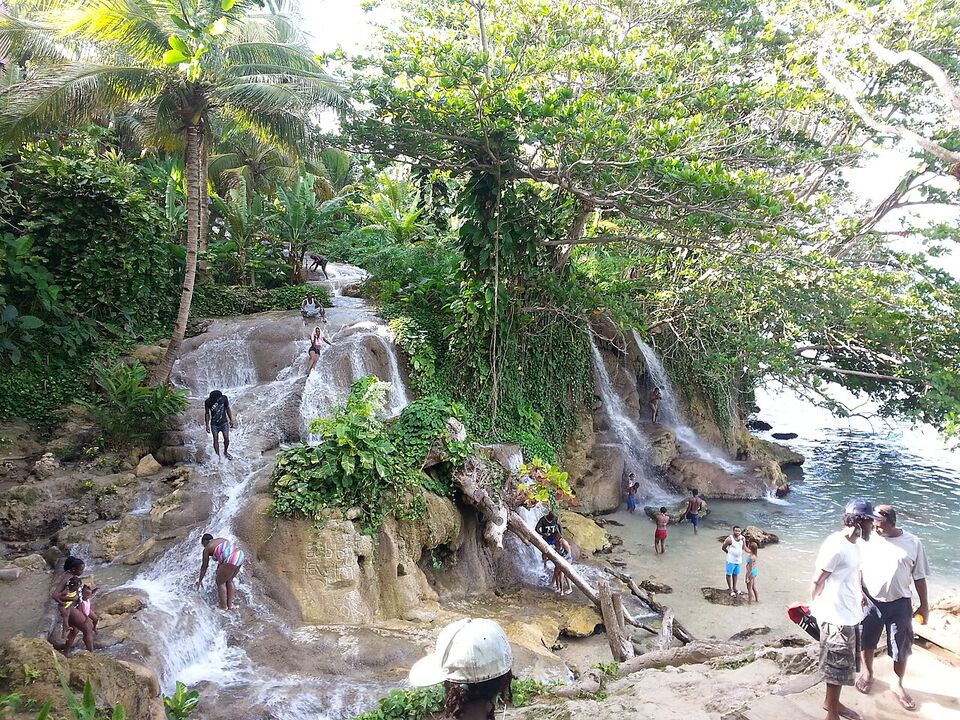
Jamaica's outdoors are more varied than the beach-resort image suggests. The mountains of the east hold the highest peak and a national park that is listed as a mixed natural and cultural World Heritage site (UNESCO, 2015). Rivers run to the sea through the north coast in short, steep waterfalls. Limestone country in the west is riddled with caves and sinkholes. Offshore, reefs line parts of Montego Bay, Negril and the east coast.
Most visitors can fit a waterfall, a river or reef trip and one early-morning walk into a beach week. The Blue Mountain sunrise hike is a bigger undertaking, but the park was closed after Melissa and still under repair in October 2026, so treat it as a future option and check before you plan anything around it. This guide covers hiking, waterfalls, rafting, caves, diving and snorkeling, fishing, birdwatching and surfing, with fees where we could confirm them and a clear safety section at the end. For area information, see Jamaica's Destinations and Jamaica by Interest.
Hurricane Melissa (October 28, 2025) damaged forests, roads and some attractions in the west and southwest. Where we have a confirmed reopening, we say so. Where we do not, the page says "check before you go" and the notes behind it list what is unconfirmed.
Hiking
Blue Mountain Peak
Watch out
A Jamaica Information Service release of October 3, 2026 says Hurricane Melissa damaged the Blue and John Crow Mountains National Park's trails, roads, Holywell cabins and Portland Gap, and forced its recreational facilities to close; repairs were only being funded then. The park is closed after Melissa and still under repair in October 2026. Do not plan a trip around the Peak hike until the park (876-619-9807) confirms it is open.
When it is open, Blue Mountain Peak, at 7,402 ft (2,256 m), is Jamaica's highest point. The classic hike starts shortly after midnight so you reach the summit for dawn, when the sky is clear enough to see across the island. An alternative is to sleep at the park's rustic Portland Gap cabins and start the final climb around 3:30 a.m.; the last stretch from Portland Gap is about 5.6 km (3.5 miles) and takes two to three hours one way.
The park's own page lists a trail fee of US$20 for visitors (page last updated March 10, 2023, so it may have changed). A guide is an extra cost. The park's published distances and times are inconsistent, so ask your guide or the park office for the route you will actually take. The Jamaica Conservation and Development Trust phone listed on the park page is 876-619-9807. Because the park's facilities were closed after Melissa and still under repair in October 2026, call before you plan anything around the trail or cabins.
It is cold on top before sunrise and windy, so bring a warm layer, a rain jacket and a headlamp. Mobile service is patchy in the mountains.
Holywell
Holywell, the park's largest recreation area, was closed after Melissa and still under repair in October 2026; check with the park (876-619-9807). It sits at more than 3,000 ft (900 m), about an hour from New Kingston, and has shorter forest walks and picnic areas that suit families and anyone who wants cool mountain air without a pre-dawn start. Fees and facilities were not listed on the park page we checked. More on the area is on the Blue Mountains page.
Cockpit Country
Cockpit Country, in the hills behind Trelawny and St. Elizabeth, is a rugged landscape of cone-shaped hills and deep depressions, with very few roads and no marked tourist trails in the usual sense. Navigating it without local knowledge is dangerous and easy to get wrong. Go with a guide from a community that knows the terrain, whether on a day trip from Trelawny or via a community tourism operator. The area was in the zone affected by the storm, so ask the guide about trail conditions, fallen trees and which routes are open. For nearby towns see Falmouth and Trelawny.
Insider tip
Book a guide through your hotel, a licensed operator or the park itself, and confirm the price before the hike starts. Avoid hiring a stranger who approaches you at a trailhead, and tell someone at your hotel your route and expected return time.
Waterfalls
Jamaica's waterfalls differ in character: some are climbing experiences, some are swimming holes and some are quiet places to sit. Prices below are the confirmed figures we have for non-resident visitors in US dollars, as of November 2026.
| Waterfall | Where | Adult / child (non-resident) | Hours and notes |
|---|---|---|---|
| Dunn's River Falls | Ocho Rios | US$25 / US$17 | Daily 8:30 a.m.-4 p.m.; opens 7 a.m. on cruise-ship days (Wednesday to Friday). Not wheelchair accessible; water shoes help |
| YS Falls | St. Elizabeth | US$25 / US$16 (ages 3-15) | 9:30 a.m.-3 p.m.; closed Mondays and public holidays; canopy ride closed until further notice |
| Reach Falls | Portland | US$10 / US$5 | Wednesday-Sunday, 8:30 a.m.-4:30 p.m.; open some public holidays |
| Mayfield Falls | Inland from Negril | Check the operator | Not on the Tourist Board's list; check before you go |
| Konoko Falls | Ocho Rios | Check the operator | Listed open by the Tourist Board, November 2026 |
| Blue Hole (Island Gully Falls) | Ocho Rios | Check the operator | Listed open by the Tourist Board, November 2026 |
Dunn's River Falls
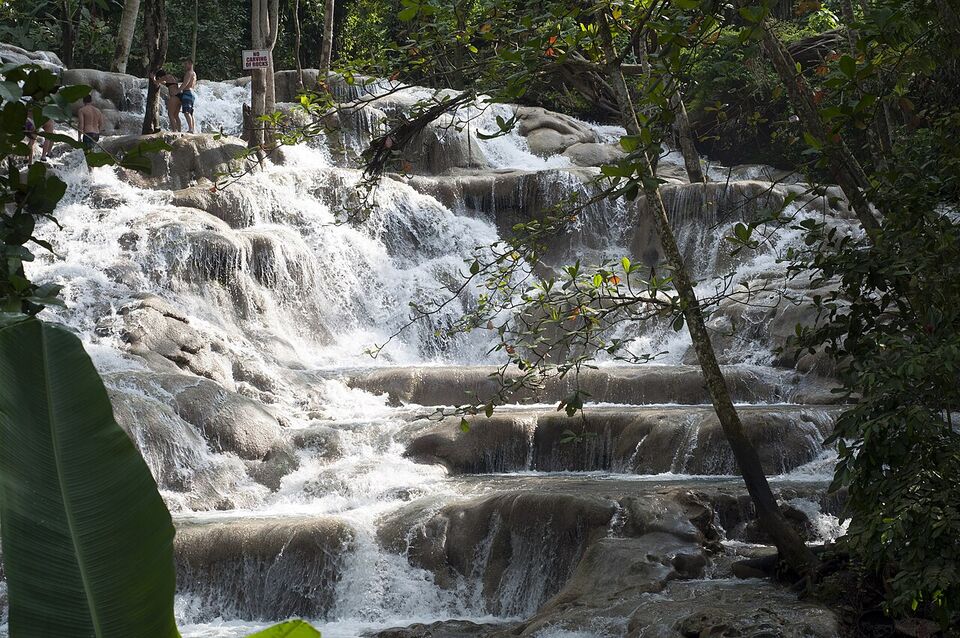
Dunn's River is the famous one: a limestone cascade that you climb in a line with a guide, ending at the beach. It reopened on November 11, 2025, and the Urban Development Corporation says an upgrade is planned. On Wednesdays to Fridays cruise passengers arrive in numbers, so aim for opening time or a day when no ships are in port. We cover the practical details on the Dunn's River Falls page.
YS Falls
YS Falls, on the south coast side of the island, is a series of tiers with swimming pools, a rope swing and shaded picnic areas. It reopened in 2026 after storm damage, and a January 2026 report described less lush greenery and possibly reduced staffing days, so check the schedule before you drive out.
Reach, Mayfield, Konoko and the Blue Hole
Reach Falls in Portland has clear pools and is part of a Port Antonio trip. The UDC's page lists it, but we did not find a post-storm closure note. Mayfield Falls does not appear on the Tourist Board's list, while the Blue Hole and Konoko Falls are listed open (November 2026); check prices with each before you go. Treat the Blue Hole and rope-swing style attractions with particular care: water levels change quickly, and entry points can be slippery.
Rafting and river trips
Bamboo rafting is Jamaica's traditional river trip: a guide poles a two-person bamboo raft downstream while you sit on a cushioned seat. The Martha Brae near Falmouth and the Rio Grande in Portland are the best-known rivers. Martha Brae rafting and Chukka White River Valley are shown as closed on the Tourist Board's list, November 2026, so do not count on them. The same list shows Rio Grande rafting as open. Check that your operator is running and get the price in writing.
River trips are not recommended after heavy rain because of fast water and leptospirosis risk, which the safety section below covers. See the tours and excursions page for how to book with licensed operators.
Caving
Limestone country along the north coast and in the interior has many caves. Runaway Bay is best known for its cave attractions, such as Green Grotto Caves, which offer guided tours with an underground lake. Cave tours are usually short, with lighting and a guide; independent cave exploring is dangerous and not recommended. The Tourist Board's list showed Green Grotto Caves as open in November 2026, but it gives no prices, so confirm tour times and the fee. Wear closed shoes with grip, since the floors are wet.
Snorkeling and diving
Jamaica's reef sites are best known around Montego Bay, Negril and the northeast. Montego Bay Marine Park protects reef and mangrove on the island's northwest coast, and Negril has its own marine park and a long run of shore and boat sites. Visibility is usually best in calm weather outside the wet months. Winter cold fronts (December to March) can bring rough seas on the north coast and cancel boat trips.
Dive and snorkel operators work from Montego Bay, Negril, Ocho Rios and Port Antonio. Choose one that checks your certification card, uses properly maintained equipment and briefs you on conditions. If you are new to snorkeling, a guided boat trip is safer than swimming from a beach alone, and a vest is a sensible precaution. We did not confirm park fees or the storm's effect on specific reef sites, so ask your operator what the water looks like now.
Watch out
Do not stand on or touch coral, even in shallow water, and watch for sea urchins on rocky bottoms. Reef-safe sunscreen is encouraged. If you have not dived in the past year, take a refresher before a boat dive.
Deep-sea fishing
Sport-fishing charters run from Montego Bay, Ocho Rios and Port Antonio, usually as half-day or full-day private boat hire with a captain and mate. Prices vary by boat and season, so get a written quote with fuel, bait and gear included, and ask whether your catch is yours to take or shared with the crew. We have no confirmed price for charters, so check with licensed operators. Seas can be rough on days with a cold front, so keep your dates flexible.
Birdwatching
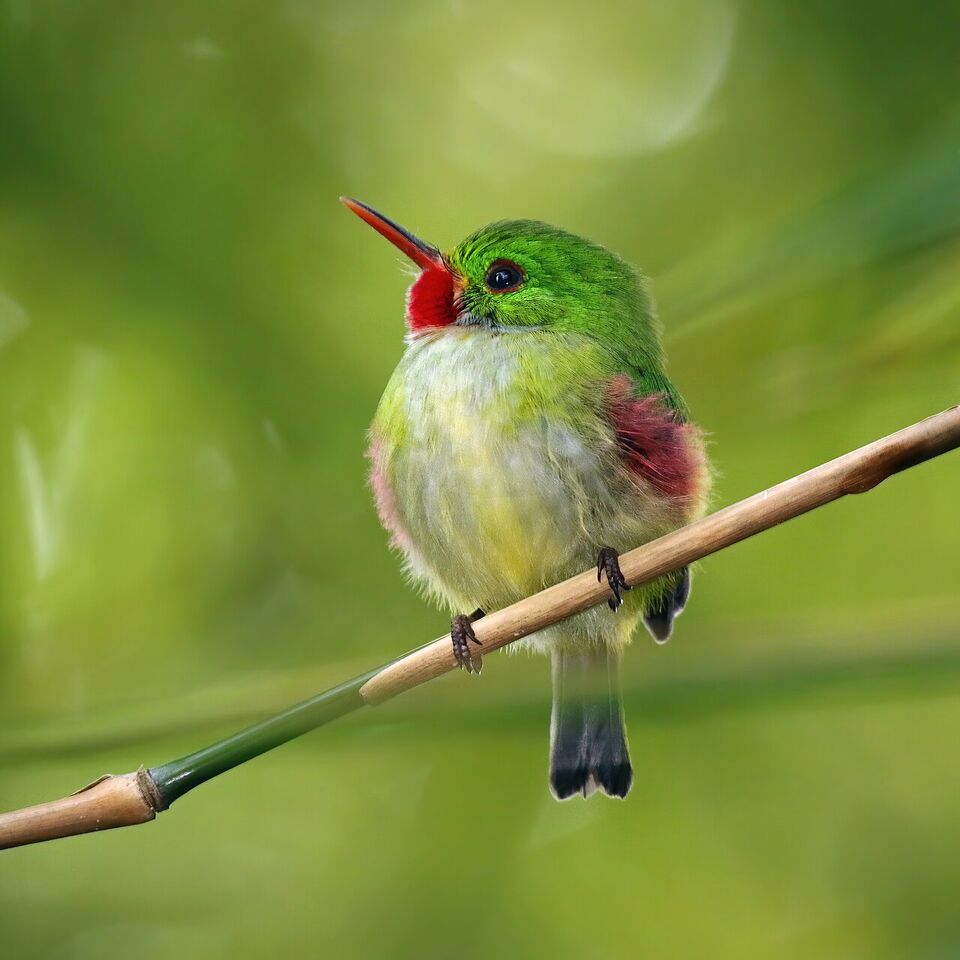
Jamaica is a small island with a strong birding reputation because of its endemic species, birds found only here. The national bird, the doctor bird (red-billed streamertail), is a hummingbird with a long tail streamer, common in gardens and forest edges. Its relative, the black-billed streamertail, is found in the east. Other Jamaican endemics include the Jamaican tody, Jamaican mango, Jamaican woodpecker and Jamaican becard. The total is roughly 30 endemic species, though counts vary by authority.
The best times are early morning and late afternoon. Botanical gardens, hill lodges, the Blue Mountains and Cockpit Country edges all have good habitat. A local bird guide is worth the fee because the birds are often heard before they are seen, and a guide can also help you identify look-alike species. Bring binoculars, a lightweight rain jacket and insect repellent. Mosquito-borne dengue and chikungunya occur in Jamaica, so repellent matters, as the health page explains.
Surfing
Surfing in Jamaica is small and local rather than a destination for big waves. Boston Bay, near Port Antonio, is the best-known break and is also famous for its jerk stands. Bull Bay, east of Kingston, has a reputation as a surfers' beach and a local scene. Conditions depend on swell, which tends to be stronger in winter when cold fronts push waves onto the north coast. We could not confirm board rental prices, lesson availability or current conditions at either spot, so ask locally before you travel. Swim and surf with caution, as beaches vary in current and have few lifeguards.
Seasons, weather and what to bring
December to April is the driest stretch and the most comfortable for hiking, although it is also high season for hotels. May and September to October are the wettest months, and the Montego Bay and Kingston records both show October as the rainiest month on average. Rain on the north coast and in the hills can arrive suddenly in any month, so treat a forecast of "isolated showers" as a reason to bring a jacket, not to cancel.
The hurricane season runs from June 1 to November 30, and the peak risk is August to October. Outdoor operators close in storms and for days afterward while rivers clear, so keep flexible days in your plan and buy travel insurance that covers weather cancellations (see hurricane season in Jamaica).
A basic outdoor kit for most of the trips above:
- Water shoes with grip for waterfalls and rivers (Dunn's River is slippery), plus closed shoes for caves and trails.
- A light rain jacket and a warm layer for the Blue Mountains.
- Reef-safe sunscreen, a hat, insect repellent and a refillable water bottle.
- A dry bag or waterproof pouch for phone, passport copy and cash.
- Small J$ notes for entry fees, guides' tips, parking and snacks, since many outdoor sites price locals' services in J$.
- A headlamp for the Peak hike, and any prescription medicines in their original packaging.
Save money
Entry fees are quoted in US dollars for visitors, but guides, drivers and food stalls often quote in J$. J$1,000 is about US$6 at US$1 = J$159. Carrying small bills avoids change coming back at a poor rate. Bundle a waterfall and a beach in the same day to share one driver's fare, and compare a licensed hotel-arranged tour with a private driver before you book.
Sample outdoor days
- Day 1
Ocho Rios waterfall morning
Arrive at Dunn's River Falls at opening (8:30 a.m., or 7 a.m. on cruise days) and finish by late morning. Add a beach hour at Ocho Rios Bay Beach (US$10 adult, US$7 child; 8:30 a.m. to 4 p.m.) and be back at your hotel before afternoon rain.
- Day 2
South coast falls and rum
YS Falls opens at 9:30 a.m. and closes Mondays, so go on another day. The Appleton Estate Rum Experience is open Tuesday to Saturday, 9 a.m. to 3:30 p.m., and the two can share a long day from Treasure Beach or Black River.
- Day 3
Portland: falls and surf beach
Reach Falls is open Wednesday to Sunday only. Combine it with Boston Bay in the afternoon. This works best if you stay in Port Antonio.
- Pre-dawn
Blue Mountain Peak (when it reopens)
The park was closed after Melissa and still under repair in October 2026, so this is a plan for later. Start from the trailhead after midnight or from Portland Gap at about 3:30 a.m., with a guide, and be down by late morning. Do not plan a long drive afterward; you will be tired.
Families, accessibility and fitness
For children, waterfalls with pools, gentle river rafting and snorkeling from a boat are the easiest outdoor activities, but each has an age or height minimum that varies by operator. Dunn's River Falls is a natural climb and is not wheelchair accessible, and most trail and cave sites are uneven. If mobility is a concern, ask each operator what the terrain is like, how long the walk is and whether there is a lower-effort option. Rafting and boat trips are often easier than hikes, but boarding may involve steps or slippery decks.
The Peak hike is long and at altitude, so treat it as a serious walk of several hours in the dark and cold. Train beforehand if you are not used to hiking, and carry snacks and water.
Safety in the outdoors
Most outdoor trips in Jamaica go without trouble, and the same few risks cause most of the problems.
- Flash floods. Rivers and gullies can rise within minutes after upstream rain, even when it is sunny where you are. Leave river pools and rafting routes as soon as rain starts or the water changes color.
- Leptospirosis. The CDC notes a risk from freshwater exposure and advises avoiding swimming or wading in fresh water after heavy rain. Jamaica declared an outbreak after Melissa in November 2025, and the Tourist Board says health authorities are monitoring suspected cases. If you have a fever, headache or muscle pain after freshwater exposure, see a doctor and mention it.
- Going alone. Do not visit remote beaches or waterfalls alone. Go with a licensed guide or a group.
- Heat and sun. Strong all year. Carry water, a hat and sunscreen.
- Mosquitoes. Use repellent, especially at dawn and dusk and after rain.
The emergency numbers are 119 for police and 110 for fire and ambulance. Medical care is limited in rural areas, and ambulances are not always staffed. Buy travel insurance that covers medical evacuation, since an air ambulance to Florida can cost US$30,000 or more. For more, read Safety in Jamaica, which also covers the State Department advisory.
Watch out
Cannabis: possession of up to 2 ounces brings a J$500 (about US$3) ticket in Jamaica, smoking in public is banned, and you must never carry it back to the US. We do not give tips on buying it.
Choosing a guide and booking
Use a guide with credentials: a park-linked guide for the Peak, a licensed tour operator for river and cave trips, or a community tourism operator for Cockpit Country. Ask what is included (transport, park fee, food, water, gear), the group size, the meeting time and the cancellation policy. Pay in the currency the operator quotes, and ask for a receipt. Our excursions page has more on avoiding touts.
For a typical week, you might combine a waterfall morning in Ocho Rios with a beach afternoon, or add a Portland day with Reach Falls and Boston Bay. If the Peak trail reopens and you plan to hike it, add one night in Kingston or the mountains. The when to go page explains how the weather affects each choice.
Add it to a route in the trip builder, or ask us to plan the hotels, trains and guides for you.