Overview
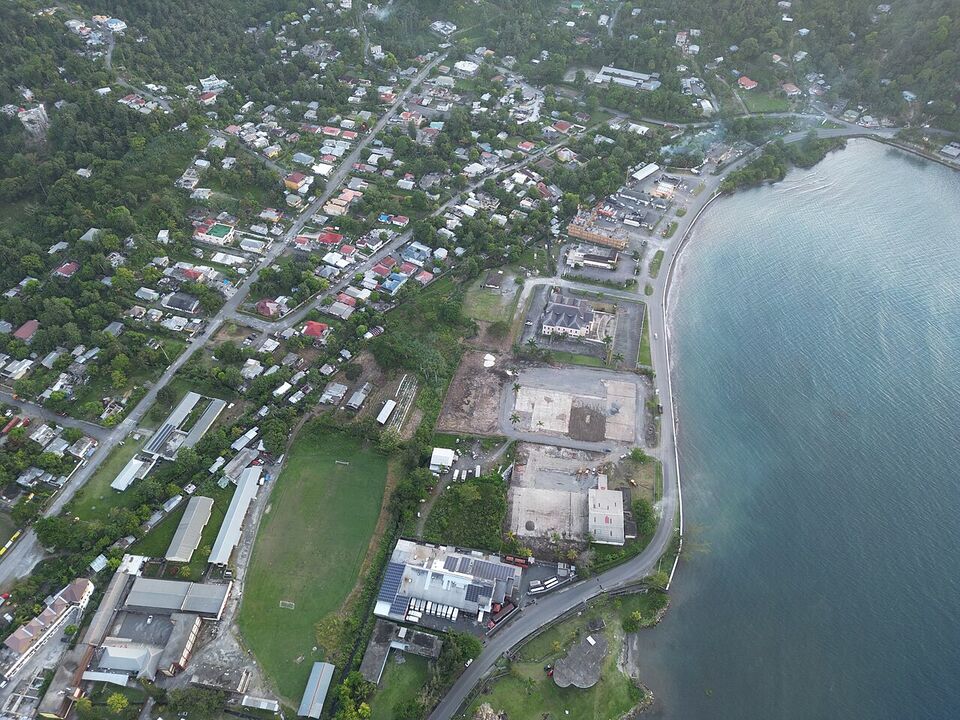
Port Antonio is the main town of Portland, the parish at the northeast corner of Jamaica, and it is the opposite of a resort strip. The coast is a run of small coves, forested hills and rivers, and the pace is slow. Visitors come for river rafting on the Rio Grande, the freshwater pools of Reach Falls, the sheltered beach at Frenchman's Cove, and the jerk pits of Boston Bay. Hotels are mostly small, and a lot of accommodation is in villas.
The drive is the main cost. Port Antonio is about 2 hours from Ocho Rios and 4 hours or more from Montego Bay, so most travelers pair it with Ocho Rios, Kingston or the Blue Mountains rather than flying in from the west. If you have only a week and want a beach resort, you may be happier on the north coast or in Negril. If you want a quieter side of the island, this is it.
Port Antonio and Portland came through Hurricane Melissa largely unaffected, because the storm hit the southwest of the island. The Jamaica Tourist Board's hotel reopenings list showed all 15 listed Port Antonio properties as open on November 12, 2026, and its attractions list showed rafting, Reach Falls, Frenchman's Cove Beach, Boston Beach and others as open. Dates and statuses change, so call ahead for anything you plan to build a day around.
Who Portland suits, and who should skip it
Portland suits travelers who like to be outdoors, who are happy with simple food and small hotels, and who do not mind a long drive. It works well as the second stop on a two-base trip, after a few days of resort time, or as the first stop before a drive over the hills to Kingston. Couples, small groups renting a villa and people interested in Maroon history will find plenty to do.
It is a weaker fit for families who want a kids' club, travelers who want a big white-sand beach, or anyone who needs a short airport transfer. Rain can interrupt plans, and some attractions close on set days. If that sounds like too much uncertainty, choose a north coast resort and visit Portland on a single day trip.
Reach Falls
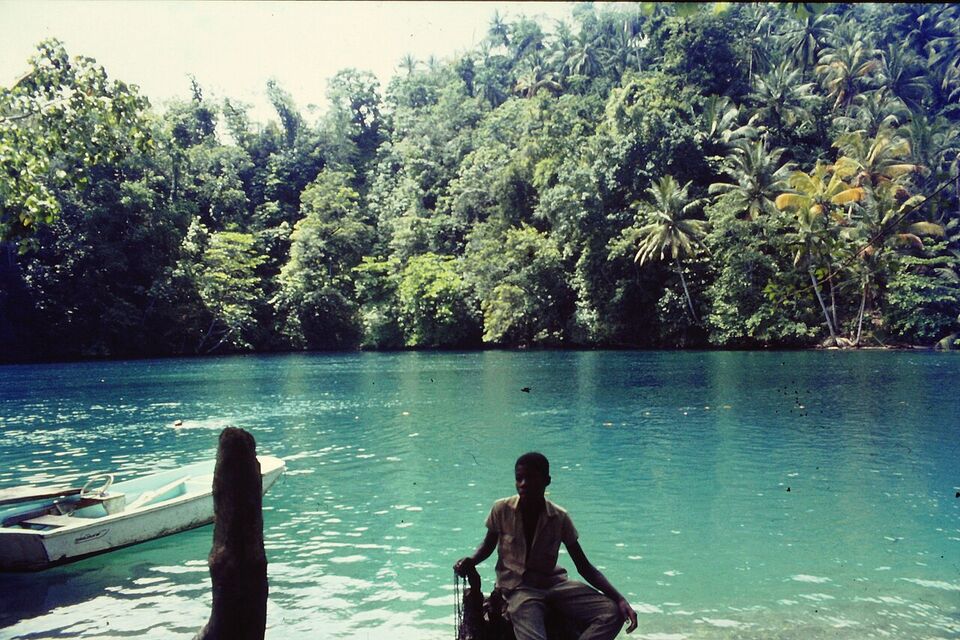
Reach Falls, in the hills inland from the coast road, is a series of clear pools and cascades in a forested river valley. It is managed by the Urban Development Corporation (UDC) and is among the most popular day outings in Portland. As of November 2026, non-resident adults pay US$10 and children US$5. Jamaican residents pay J$500 (about US$3) for an adult and J$250 (about US$2) for a child.
The falls are open Wednesday to Sunday, 8:30 a.m. to 4:30 p.m., and also on public holidays except Good Friday and Christmas Day. That means they are closed on Mondays and Tuesdays. The UDC page does not mention any post-hurricane closure, and the Tourist Board list shows Reach Falls as open.
Watch out
Do not go to Reach Falls on a Monday or Tuesday, and do not visit after heavy rain. The river can rise fast, and freshwater after heavy rain carries a risk of leptospirosis. The CDC advises against swimming in freshwater in those conditions. If the pools look brown and fast, stay out.
Guides at the falls take visitors through the pools and show where it is safe to swim and where not. Ask the park what the guide service costs and whether a tip is expected. We could not confirm any guide fee, so treat it as a separate cost. Wear water shoes and bring a towel and a change of clothes. Our outdoors guide compares Reach Falls with other waterfalls on the island.
Rafting on the Rio Grande
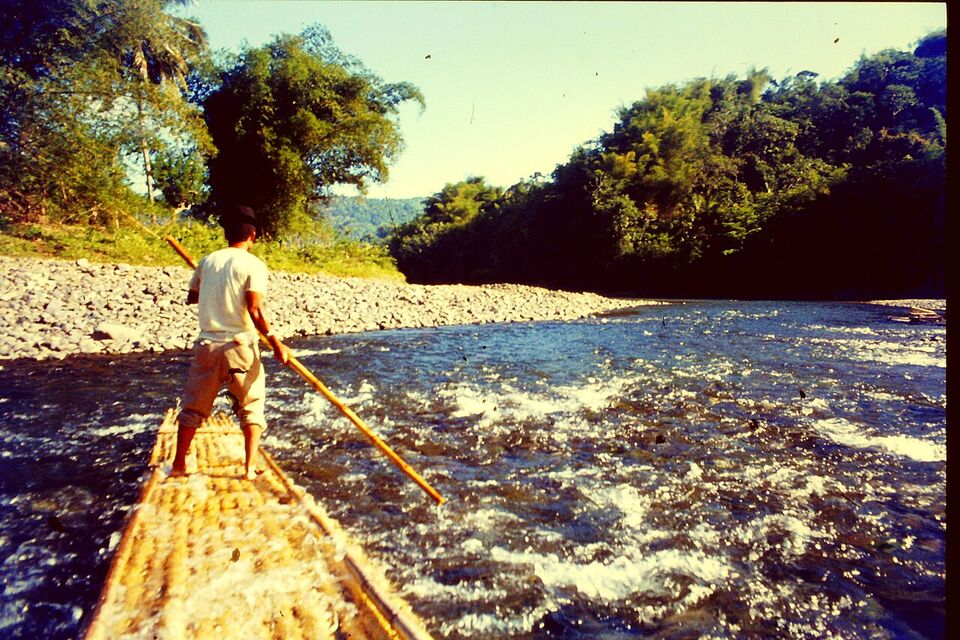
Rafting on the Rio Grande is the classic Portland outing. You sit on a long bamboo raft, poled by a raftsman, down a calm river through forest, usually for a few hours. The Tourist Board lists Rio Grande rafting as open in November 2026. We could not confirm a current price, the start point or exact duration, so confirm all three when you book, and ask whether the price is per raft or per person.
Book through a licensed operator or your hotel rather than approaching a raftsman on the roadside. The Martha Brae in the west was still listed as closed on the same Tourist Board page, so do not assume that all of Jamaica's rafting is running. See tours and excursions for how to check a company's license.
Insider tip
Book a morning departure in the dry season (December to April) if you can. Portland rain can arrive in an afternoon downpour, and the river is nicest when the sky is clear.
Beaches and the coast
Frenchman's Cove
A small, sheltered cove where a freshwater river meets the sea, with a sandy beach and a calm swim. The Tourist Board lists it as open. Check the entry fee and current hours before you go.
Winnifred Beach
A beach that is popular with local families, especially on weekends and holidays, which is part of its charm and part of its crowd. We could not confirm the current fee or facilities, so ask locally and bring cash in J$.
The Blue Lagoon
A deep, sheltered, blue-green lagoon fed by springs and open to the sea, a well-known swimming and boating spot. Its status and access were not confirmed, so check how to get in and what it costs. The water is deep, so swim only where staff or local boatmen say it is fine.
Navy Island
A small island in the harbor reached by a short boat ride from the Errol Flynn Marina area. The marina's status was not confirmed, so check that the boat service is running before you plan around it.
Boston Bay
The rough surf and the roadside jerk pits make this a stop for lunch more than for swimming. The Tourist Board lists Boston Beach as open.
Beach access in Jamaica is not like the US. Many beaches are private or tied to a business, and some public beaches charge small fees. Our beaches guide explains access, lifeguards and currents. Do not swim at a beach you have not been told is safe, particularly where there are waves, rip currents or a river mouth.
Boston Bay jerk
Boston Bay is known as the home of jerk, the spiced, slow-smoked chicken and pork that Jamaica is famous for. The cooking style is often traced to the Maroons, the descendants of people who escaped slavery and built free communities in the hills. Today you will find a cluster of roadside jerk centers near the beach, serving meat cooked over pimento wood, with festival (a sweet fried dumpling), bread or yam.
We have not confirmed specific stands, prices or hours, and we do not recommend one over another. Choose a busy one, where the meat is cooked fresh, and ask the price per pound before you order. Most roadside places price in J$ and take cash. The food guide describes how jerk differs from barbecue and explains what the heat level means.
Other things to do
Port Antonio has a handful of smaller sights that fill a slow afternoon.
- The Folly: the ruins of a large early-20th-century mansion on a point near the lighthouse, with sea views. Check access and any fee with locals.
- Somerset Falls: a gorge park with falls and pools west of Port Antonio. Check that it is open, and the price, before you drive there.
- Nanny Falls, NonSuch Falls and the Charles Town Maroon Museum: all listed as open by the Tourist Board in November 2026. The Maroon museum in Charles Town is a good way to learn about the Maroon communities, so check opening times.
- Errol Flynn Marina: the harbor marina is a base for boats and for the town's old Hollywood connection. Its current status is unconfirmed.
- Alligator Head Foundation: a conservation and marine research group listed as open. Contact it for visiting options.
A three-day plan
This plan assumes you arrive from Kingston or Ocho Rios and have a car or a driver. Swap days if the weather turns, and confirm that each stop is open on your date. Reach Falls is closed Monday and Tuesday, so build the plan around that.
- Day 1
Town, harbor and the coast
Arrive by early afternoon, settle in, and walk the town if you are staying in Port Antonio itself. Visit the harbor and, if the boat is running, Navy Island. Walk or drive out to the Folly in the late afternoon for the light on the sea.
- Day 2
Reach Falls and the beaches
Go to Reach Falls early, on a Wednesday to Sunday, before groups arrive. After lunch, head to Frenchman's Cove or Winnifred Beach for a swim, with Boston Bay jerk for a late lunch or an early dinner on the way back.
- Day 3
Rafting and a slow morning
Book a morning Rio Grande raft with a licensed operator. Leave the afternoon free for the Maroon museum in Charles Town, a swim, or the drive to your next stop.
If you only have a day trip from Ocho Rios, choose Reach Falls and Boston Bay, leave at about 7 a.m., and plan to be back after dark. Roads are hard to drive at night, so a driver who knows them is worth the cost.
Eating, money and practical details
Dining in Port Antonio runs from roadside jerk and cookshops, which price in J$, to a few restaurants serving visitors, which often price in US$. Seafood, jerk, rice and peas, and festival are standard. Because power cuts and supply gaps can happen after storms, call ahead if you are driving a long way to a particular restaurant. We do not rank places here.
Cards work at hotels and larger restaurants, but small businesses, river guides and jerk stands usually want cash. ATMs give J$, and banks are in Port Antonio itself, so draw money in town before you go to Reach Falls or a beach. A few small notes make tipping rafters, guides and parking helpers easy. Our money guide explains tipping and the exchange rate (US$1 = J$159).
Phone coverage is usually weaker in the hills and river valleys than in town. Download offline maps, tell your host when you expect to be back, and keep your phone in a waterproof pouch when you are near rivers.
Safety and good manners
Portland is generally quiet, and tourist areas are lower risk than some urban neighborhoods, in line with the State Department's Level 2 "Exercise Increased Caution" advisory, reissued on January 17, 2026. Use licensed transport (red PPV plates or a hotel-arranged driver), avoid driving between towns at night, and do not go to remote beaches or waterfalls alone. See our safety guide.
Politely decline unsolicited offers of guiding or rides, and use the official ticket desk at Reach Falls. In rural communities, a greeting before you ask a question goes a long way. Ask before you photograph people, and respect Rastafari homes, farms and places of worship. Our etiquette guide gives more detail.
The medical facilities in Portland are limited. Bring your own medicines in their original packaging, carry insect repellent, and buy travel insurance that covers medical evacuation. An air ambulance to Florida often costs US$30,000 or more. See health.
Rain, weather and when to go
Portland is the wettest part of Jamaica. The Blue Mountains catch the moisture blowing in from the northeast, so the parish stays lush but also gets rain in every month. Showers can be brief and heavy, and they can close a road or turn a river brown.
December to April is the driest stretch, but it is also when cold fronts can bring wind, showers and rough seas to the north coast. The wettest months across Jamaica are May and September to October, and hurricane season runs from June 1 to November 30. Pack a light rain jacket, quick-dry clothes, insect repellent and a waterproof bag for your phone. Read our when to go guide.
Getting there
You have several options, depending on where you start.
- From Kingston: Norman Manley International Airport (KIN) is the nearest major airport. The drive to Port Antonio takes about 2 to 3.5 hours depending on the route and traffic. The road crosses hills, with many bends.
- From Ocho Rios: about 2 hours along the coast, with Ian Fleming International Airport nearby for flights. See flights to Jamaica.
- From Montego Bay: 4 hours or more. Most people fly into Kingston or Ocho Rios, or stay overnight along the way.
- By coach: the Knutsford Express serves Port Antonio, with passenger hours of 5:45 a.m. to 8 p.m. at the station, online booking, one 50-lb bag plus a carry-on, non-refundable tickets and a J$300 (about US$2) fee to change a date. Check knutsfordexpress.com for fares, because we could not confirm them.
- By road: a rental car is the freedom option, but the roads are narrow, winding and wet. See driving in Jamaica. Jamaica drives on the left.
Small domestic flights serve Portland's aerodrome from time to time, but routes vary, so ask a domestic carrier directly. Cruise ships rarely call at Port Antonio (only a handful of calls in total for Kingston and Port Antonio from January to July 2026), so it stays quieter than the cruise ports.
Where to stay
Port Antonio has small hotels, guesthouses and a lot of villas, which makes it a good place for groups, families and travelers who prefer a kitchen and a view. Rates vary widely: guesthouses tend to be $, boutique hotels and good villas $$ and top-end villas $$$ per night for a double, though villas are often priced per house instead.
The Tourist Board listed all 15 hotels it tracks in Port Antonio as open in November 2026, so a stay is straightforward. We do not name individual properties here: choose by location (on the coast near Frenchman's Cove, in town near the marina, or inland), and book early over Christmas and New Year. Hotels add a small per-room nightly tax of US$1-4 (by hotel size) as of 2026, and GCT at 10% until March 31, 2027, rising to 15% on April 1, 2027. Check your booking. Short-term rentals become liable for GCT from April 1, 2027. See where to stay.
Different from home
Many small hotels and villas in Portland have no on-site restaurant or only a limited menu, and power or water can be interrupted after storms. Ask whether meals are included, whether there is a generator, and whether a cook can be arranged. Pay attention to how far the nearest shop is.
Add it to a route in the trip builder, or ask us to plan the hotels, trains and guides for you.