Overview: what Jamaicans drink
Jamaica has a drinks culture bigger than its size. The island makes rum with a worldwide following, a lager that appears on every bar menu, a grapefruit soda that is mixed into half the cocktails, coffee grown in the mountains above Kingston, and a long list of fruit juices and roots drinks. The short answer for a first-time visitor: try a rum punch at your hotel, a cold Red Stripe or Ting at a beach bar, a fresh coconut from a vendor, and take home a certified bag of Blue Mountain coffee.
This page covers each drink, how much things cost, what the law says, and how to take bottles home. It also covers the safety points that matter more in the sun than people expect. For what to eat with these drinks, see Jamaican Food.
Rum
Rum is made from sugar cane, and sugar defined Jamaica’s economy for centuries. Today the island has a small number of working distilleries, and Jamaican rums are known for strong, fruity flavors produced by long fermentation in pot stills. You do not need to know the vocabulary to enjoy it. Aged rum is for sipping, white rum is for mixing, and overproof rum is for mixing very carefully.
Appleton Estate
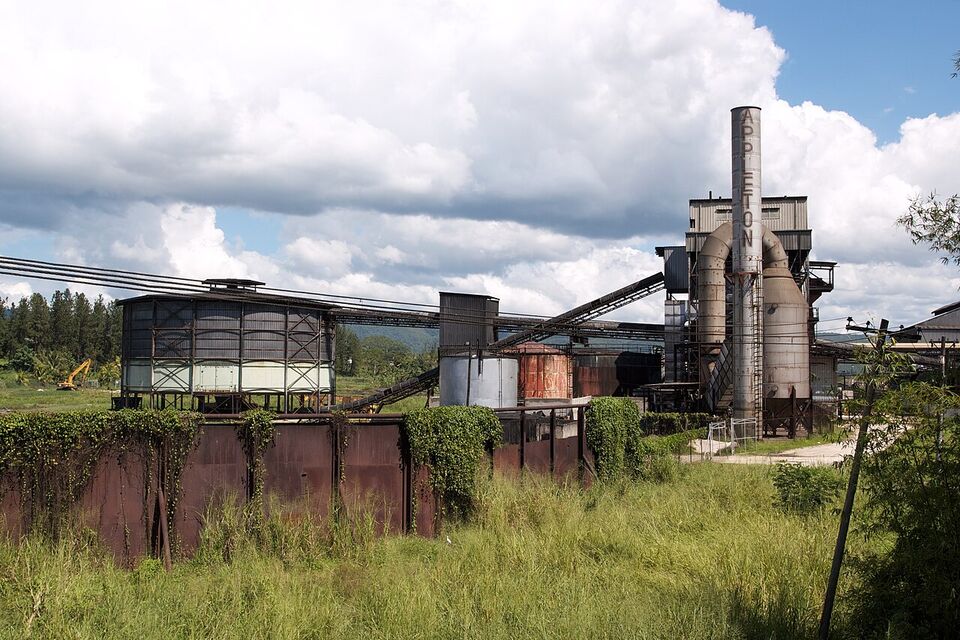
Appleton Estate, in St. Elizabeth, is the best-known name and is owned by the Campari Group. Its aged rums are widely sold in the US. The estate offers a single tour, described on its site as the Joy Spence Appleton Estate Rum Tour (named for its master blender), with a welcome cocktail, a short video, sugar cane juice, a look at the distillery and ageing houses, and a tasting. The estate site lists the tour as open Tuesday to Saturday, 9 a.m.-3:30 p.m., with walk-ins welcome and reservations recommended for groups of 15 or more. Booking is through a tour operator that also provides transport. We could not find a price on the official page, so check the site before you go.
St. Elizabeth was one of the parishes hit hardest by Hurricane Melissa. A Jamaican government account in April 2026 listed the Appleton rum experience among south coast attractions that resumed operations, and the estate site shows no closure notice. Even so, call or email ahead (the estate gives 876-448-2237 and appletonrumtour@campari.com on its site), because conditions in the area can change. Our south coast guide covers the drive and what else is open nearby.
Wray & Nephew
Wray & Nephew White Overproof is the bottle you will see behind almost every bar. It is much stronger than the 80-proof (40% alcohol) rum Americans know, typically about 63% alcohol by volume. Locals drink it with Ting, coconut water or ginger beer, and some use it in tonics, but it is meant to be diluted. See the safety section below.
Hampden Estate
Hampden Estate, in Trelawny, makes some of the island’s most distinctive pot-still rums, valued by bartenders for their strong, funky aroma. The Observer reported in November 2025 that about 80% of Hampden's roofs were damaged by Hurricane Melissa, but no aged rum was lost. Check with the estate or a tour operator whether visitor tours have resumed before planning a visit. It is covered in our Falmouth and Trelawny guide.
Worthy Park
Worthy Park, in the Lluidas Vale area of St. Catherine, is a working sugar estate that produces rum, and tours are sold by operators on half-day trips from Montego Bay and Kingston. Check tour prices and schedules directly, and book a tour from a licensed operator (see Tours and Excursions).
Insider tip
If you want to see rum made, the estate matters less than the season. Distilleries run on the harvest of sugar cane, which usually falls in the first half of the year. Ask about the production schedule when you call, because a tour on a day with no production still shows the ageing houses and tasting room.
Rum bars, punch and cocktails
Rum punch is the island’s signature cocktail, and every bartender has a version. The traditional rhyme is “one of sour, two of sweet, three of strong, four of weak”: one part lime juice, two parts sweetener (syrup or sugar), three parts rum and four parts water or juice, with nutmeg grated over the top. Hotels usually pour a sweeter, fruitier version with pineapple and orange juice. Beach bars may use overproof rum, which makes a stronger drink than the glass suggests.
Other drinks you may meet:
- Rum and Ting: white rum with the tart grapefruit soda over ice.
- Rum and coconut water: a refreshing pairing, popular after a day on the beach.
- Dark ’n’ stormy style drinks: dark rum with ginger beer and lime.
- Guinness punch and Dragon stout punch: stout blended with condensed milk, nutmeg and spices; a creamy drink often sold at street stalls and bars.
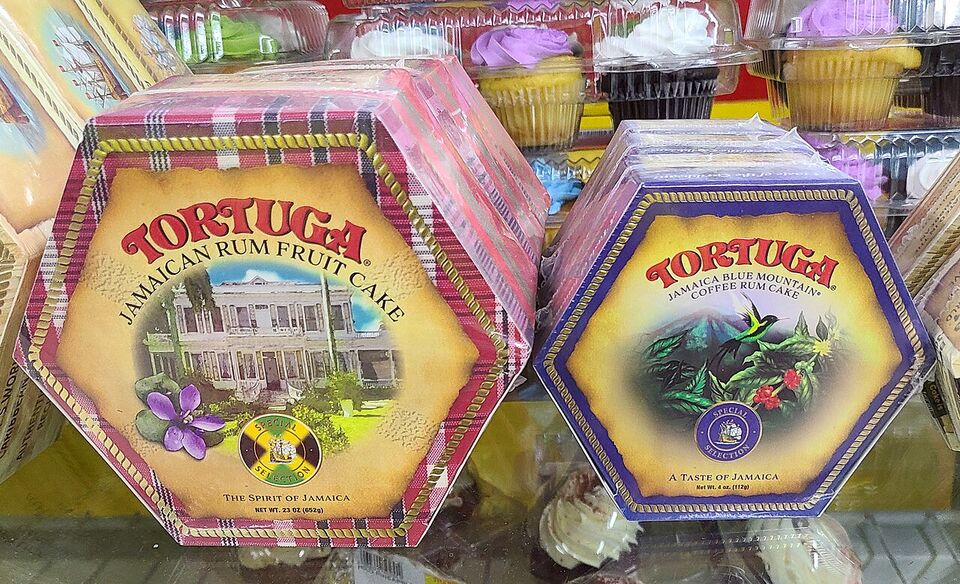
- Rum cream: a sweet, creamy liqueur you will find in gift shops.
Rum bars and street dances (see Reggae and Bob Marley) are social places. Stick to well-lit places with other visitors, and do not leave a drink unattended.
Beer, stout and wine
Red Stripe
Red Stripe is Jamaica’s best-known beer, a pale lager sold in short brown bottles in bars, shops and resorts. It is brewed by Desnoes & Geddes in Kingston and is part of the Heineken group. Expect a cold one to cost roughly J$500-800 (about US$3-5) at a local bar and more at a resort or tourist-area restaurant in late 2026. Prices are not regulated and vary a lot. Red Stripe also makes a light beer and flavored versions, and non-alcoholic options exist.
Dragon stout and other beers
Dragon stout is a sweet, dark beer made in Jamaica. Many bars also stock Guinness Foreign Extra Stout and Heineken, and craft brewers have started to appear in the larger tourist areas. Wine is imported and expensive, and cocktails often cost less than a decent glass of wine.
Soft drinks, juices and roots drinks
Ting
Ting is a fizzy grapefruit soda with a tart edge, sold in bottles and cans, and it is the Jamaican answer to a cold soda. It is also a mixer for rum and Red Stripe (a “shandy” of beer and Ting is common).
Coconut water
A vendor will cut the top off a green coconut with a machete and hand it over with a straw. Drink the water, then ask the vendor to split the shell so you can eat the soft jelly inside. Prices are roughly J$300-600 (about US$2-4) from a roadside vendor in late 2026, and tourist areas charge more. Ask the price before the vendor cuts it. Buy from a stand with other customers.
Fresh juices
Fresh juices use whatever is in season: orange, pineapple, watermelon, carrot, sorrel, tamarind, soursop, guava and June plum. At a cookshop, ask what is fresh. Sugar cane juice is pressed on the spot at some stalls. Fresh drinks made with ice or tap water are a place where sensitive stomachs sometimes protest, so consider a bottle for the first day or two. Our health guide has more.
Sorrel
Sorrel is a deep red drink made from the dried sepals of the sorrel plant (a relative of hibiscus), steeped with ginger, pimento and sugar, and served cold. It is the drink of Christmas season, often poured with rum added, and many Jamaican families make a batch in December. You can sometimes find it at other times of year, but December is when it is everywhere. See Jamaica in December.
Roots tonics and other drinks
Irish moss (a seaweed-based drink with milk and spices), peanut punch, carrot juice, and herbal roots tonics are sold at juice bars and Ital restaurants. Many are sweet and filling. Some roots tonics are sold with claims that they boost energy or stamina. Treat these as flavors, not medicine, and ask what is in them if you take medication.
Blue Mountain coffee
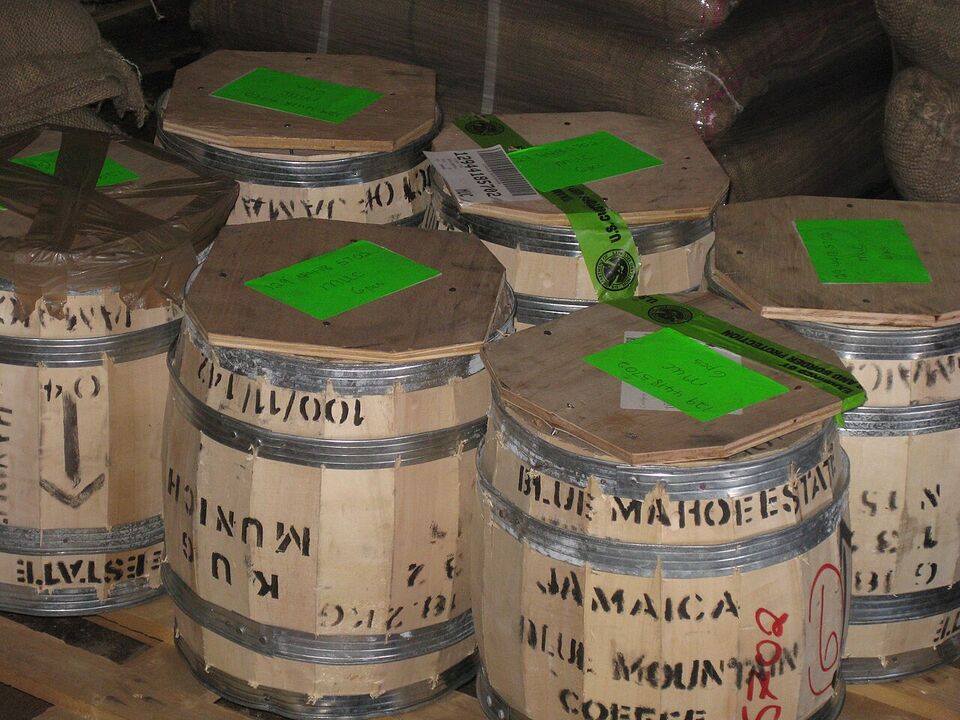
Jamaica Blue Mountain coffee is grown on the slopes of the Blue Mountains above Kingston, in a defined area with a protected name managed by the Coffee Industry Board of Jamaica. It is known for its mild, smooth flavor and low bitterness and is one of the world’s more expensive coffees. The area is cool and misty, which is part of why it is prized.
What to buy
- Look for the Coffee Industry Board’s certification on the bag, which marks Jamaica Blue Mountain coffee. A bag labeled “Blue Mountain blend” may contain a share of other coffee.
- Buy sealed bags from a coffee shop, supermarket, duty-free shop or an estate store, not from a roadside seller with an unmarked bag.
- Expect to pay much more than for ordinary beans. Prices vary, so compare a few shops.
- Beans keep their flavor better than ground coffee; grind it at home.
Visiting a coffee farm
Coffee farm tours run in the Blue Mountains, typically as a day trip from Kingston or a stop on a hiking visit. Operators exist (we do not recommend one), so ask about prices and post-hurricane status. The Blue Mountains came through Melissa better than the southwest, but roads and access can vary, so confirm with the operator. Read our Blue Mountains guide for the drive and what else to see. The Jamaica Blue Mountain Coffee Festival was held on March 7, 2026, as part of a food and drink festival in Kingston; the 2027 date had not been announced.
Different from home
American coffee is often served as a big cup of drip. In Jamaica, coffee at a resort is usually familiar, but local homes and cafes may serve it strong, small and sweet. Ask for it “with milk” and “no sugar” if you want it your way.
Rules, age and prices
The legal age to buy or drink alcohol in Jamaica is 18. Venues may ask for ID, and some resorts and tour operators set their own rules, so check if you travel with older teens. That is lower than in the US, but US rules still matter on the way home: you must be 21 to bring alcohol back duty-free.
Prices depend on where you drink. As a rough guide for late 2026, a beer at a local bar is roughly J$500-800 (about US$3-5), and a rum drink at a tourist-area restaurant or beach bar is often priced in US dollars and costs more. All-inclusive resorts include drinks, and policies on premium brands differ. If you are not at an all-inclusive, check whether a service charge has been added to your bill before tipping (see Money in Jamaica).
The alcohol tax rise
The 2026 budget raised Jamaica’s tax on alcohol. A commentary in the Observer in February 2026 reported that the special consumption tax rises from J$1,230 to J$1,400 per liter of pure alcohol (about US$7.70 to US$8.80), and that a new levy applies to sweetened non-alcoholic drinks. Check when each change takes effect; prices may move in 2026 and 2027. Separately, the tourism rate of GCT (sales tax) rises from 10% to 15% on April 1, 2027, which will affect hotel and resort bills.
Taking rum home
US Customs and Border Protection allows one American liter (33.8 fluid ounces) of alcohol to be included in your personal exemption duty-free, if you are 21 or older, it is for your own use, and it is legal in the state where you arrive. More than that is subject to duty and tax, and some states set stricter limits. Large amounts may need a permit. Our guidance is simple: plan on one liter, and check CBP and your state rules if you want more.
Some practical points:
- Pack bottles in a checked bag, wrapped in clothes. Liquids over 3.4 ounces cannot go in your carry-on. If you buy in a duty-free shop after security, the shop will put the bottle in a sealed tamper-evident bag; do not open it before your final flight, and keep your receipt. Check the TSA site for connecting-flight rules.
- Declare alcohol on your US customs form if asked.
- Jamaica’s own duty-free allowance on arrival is 1 liter of spirits and 1 liter of wine, but this page is about what you bring home.
- Do not pack cannabis or cannabis products to take home. They are illegal under US federal law (see Jamaican Etiquette for the Jamaican rules).
For more on souvenirs and customs, read Shopping and Taking Things Home.
Drinking safely in the sun
Jamaica is hot all year, and alcohol makes the heat harder on the body. The main points are these:
- Overproof rum is strong. At about 63%, one measure carries well over one and a half times the alcohol of a typical shot of 40% rum. Dilute it, sip it, and remember that mixed drinks with white rum can taste lighter than they are.
- Drink water too. Alternate each alcoholic drink with water, especially at a beach bar or on a boat.
- Do not drink and swim. Currents, sea urchins and boat traffic make the sea less forgiving. Many catamaran trips have an open bar, so pace yourself.
- Do not drive after drinking. Jamaican roads are narrow and winding, and drivers keep to the left. We do not quote a legal blood alcohol limit. Use a licensed taxi after drinking; see Getting Around Jamaica.
- Protect your drink. Watch the bartender pour, do not accept drinks from strangers, and keep an eye on your glass.
- Cover up. Sun and alcohol dehydrate fast. Use sunscreen, wear a hat and take shade breaks.
Watch out
The US Embassy routinely hears about sexual assaults, including against US tourists at resorts, and heavy drinking raises the risk of becoming a victim of any crime. Know your limit, travel with friends, and use licensed transport. More in Safety in Jamaica.
Water, tea and everyday drinks
Bottled water is sold everywhere, from supermarkets to roadside shops, and costs little compared with resort minibars. The CDC says tap water is safe to drink where hotels use filtration, and hotels often provide bottled water on request. If you stay in a villa or guesthouse, ask your host whether the tap water is treated, particularly in the southwest, where storm damage disrupted some water systems.
Hot drinks are part of daily life too. Many Jamaicans start the day with bush tea (a herbal tea steeped from leaves such as lemongrass, mint or fever grass), cocoa tea made from grated local cocoa, or a cup of cornmeal porridge. Bush teas are a home remedy tradition, and they are fine to try for flavor, but do not rely on them for any health condition.
Malt drinks and bottled juices are also sold in every shop. Sweetened soft drinks are affected by the new levy mentioned above, so prices may move. If you are buying for a group, a cooler and a case of bottled water from a supermarket is the cheapest way to stay hydrated on a day trip. Bring your own reusable bottle if your hotel has refill stations; plastic waste on the island is a real problem, and it is worth carrying out what you carry in.
Questions to ask before you buy
- Is the price in J$ or US$? Many tourist-area bars quote in US dollars.
- Is a service charge already on the bill?
- Is the rum or coffee sealed, with a label showing the producer?
- For tours, is the operator licensed, and is a tasting included?
A simple drinks plan
If you want to cover the basics in a week, try this:
- First afternoon: a cold Red Stripe or a Ting, and plain bottled water.
- Day two: fresh coconut water from a vendor, then a juice at lunch.
- Midweek: a rum punch at sunset, and, if you are in the south or Kingston area, a rum or coffee tour you have confirmed.
- Last days: buy a sealed bag of certified Blue Mountain coffee and, if you wish, one liter of rum, and pack it in your checked bag.
In December, add sorrel. Near Christmas, it is the drink everyone is pouring.
Add it to a route in the trip builder, or ask us to plan the hotels, trains and guides for you.