The short answer
Most Americans who visit Jamaica have a trouble-free trip, and the island receives millions of visitors a year. The risk is not evenly spread, though. Violent crime is serious in certain urban neighborhoods, and it is a bigger problem than in most places Americans vacation. Tourist areas, resorts and organized tours are generally lower risk than the country as a whole, according to the US government's own advisory.
That is the honest picture, and it asks for a few habits rather than a change of plans: use licensed transport, stay out of the restricted neighborhoods, keep valuables out of sight, avoid walking around at night outside resort areas, and decline persistent offers politely. If you only want the quick version, read Is Jamaica Safe?. This page is the full guide, written for people who want the detail before they book.
Safety also has a second layer in late 2026. Hurricane Melissa, a Category 5 storm, hit western Jamaica on October 28, 2025, and recovery is still under way. Most resort areas are operating, but some roads and services in the southwest are still being repaired. Our Jamaica After Hurricane Melissa guide covers what is open, and Hurricane Season in Jamaica covers storm planning.
What the State Department advisory says
The US State Department rates Jamaica at Level 2, "Exercise Increased Caution," citing crime, health and natural disaster risks. This was reissued on January 17, 2026. The rating had been raised to Level 3, "Reconsider Travel," after Hurricane Melissa in late 2025, so the January update was a step back down. Advisories can change at any time, and the State Department's own page does not always make the date easy to see, so read the live version at travel.state.gov before you book and again before you fly.
The advisory's main points, in plain terms:
- Violent crime, including armed robbery and sexual assault, occurs throughout Jamaica. Rates are lower in tourist areas.
- The homicide rate is among the highest in the Western Hemisphere, even after the recent fall (see the next section).
- Police response to serious crimes can be slow and prosecutions are infrequent.
- The US Embassy routinely receives reports of sexual assaults, including from American tourists at resorts.
- Medical care is limited outside major cities, and private hospitals require payment up front.
- Some neighborhoods are off limits to US government employees, and the advisory recommends similar caution to visitors.
The restricted areas
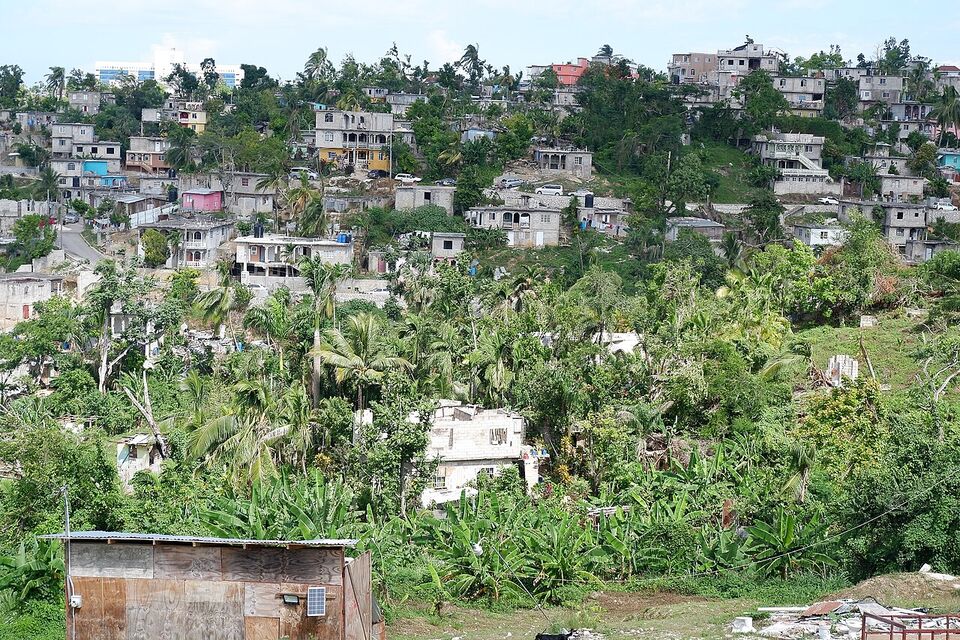
The advisory names specific neighborhoods, towns and road stretches that US government personnel may not enter. They include parts of Kingston and Spanish Town, the inland side of the main highway in Montego Bay, and areas in several other parishes. We do not reproduce the list here because it changes and a stale list is worse than none. Open the advisory, read the current names, and compare them with the address of anywhere you plan to stay or visit.
In practice, most tourists never come near these places. The ones who do are usually in a private car on a day trip, following a map app that routes through a shortcut, or visiting someone. If your route to a resort, beach or attraction passes through one of the named areas, ask your hotel or tour operator for the usual route and use it.
Two driving-related rules
US government staff are also told not to use public buses and not to drive between cities at night. The State Department suggests similar caution for visitors, and we agree with it. Our Driving in Jamaica page covers the road conditions behind that advice.
Crime: the numbers and the pattern
Jamaica ended 2025 with 673 murders, the lowest annual total in about 30 years according to the Gleaner, and a sharp fall from the year before. Early 2026 reports pointed to a further drop in murders, though robberies were reported up in the same period, and the police commissioner publicly warned against complacency. We could not confirm full-year 2026 figures as of November 2026, so treat the trend as encouraging rather than settled.
What matters for a visitor is where the violence happens. Most of it is concentrated in specific urban neighborhoods and is tied to gangs and local disputes, which is why the advisory lists neighborhoods rather than whole cities. Visitors are not usually the targets of that violence. The crimes that more often affect tourists are theft from rooms, beaches and parked cars, pickpocketing in crowded places, robbery of people walking alone at night, and scams.
The island has also used states of emergency and special security zones in recent years to target crime hot spots. We could not confirm which are in force as of November 2026. If one covers the area you plan to visit, expect a visible police and military presence and possible checkpoints, and carry photo ID or a copy of your passport.
Resort safety
Gated resorts and all-inclusives are the lowest-risk setting for most visitors. They have perimeter security, controlled access and staff on site. The usual problems are petty theft and, less often, more serious incidents involving other guests or staff. The State Department says plainly that the US Embassy receives reports of sexual assault at resorts, including against American tourists. That is not a reason to avoid resorts. It is a reason to bring the same judgment you would use at a bar or a hotel at home.
Precautions that make a difference
- Keep an eye on your drink from the moment it is poured. Do not accept drinks from people you do not know, and do not leave a drink unattended at the pool, the swim-up bar or a club.
- Use the room safe for passports, cash and phones, and keep the door locked, including the balcony door on the ground floor.
- Do not invite people you have just met to your room, and tell a friend or family member where you are going if you leave the resort.
- Know where the security desk is and how to reach it from your room.
- Watch your alcohol intake. Open bars make it easy to drink more than you plan to, which affects your judgment and your ability to look after yourself and your group.
- Keep the resort's front desk number in your phone, along with the numbers in the emergency section below.
If something does happen, move to a safe place first, then tell resort management and security and ask them to contact the police. You can also call the US Embassy in Kingston at any hour. Seek medical care promptly even if you are unsure what you want to do next, because some evidence and treatment are time-sensitive. Report in writing to the resort and keep a copy.
Our All-Inclusive Resorts in Jamaica guide covers leaving the resort safely, and Where to Stay in Jamaica covers choosing an area.
Transport safety
Taxis and transfers
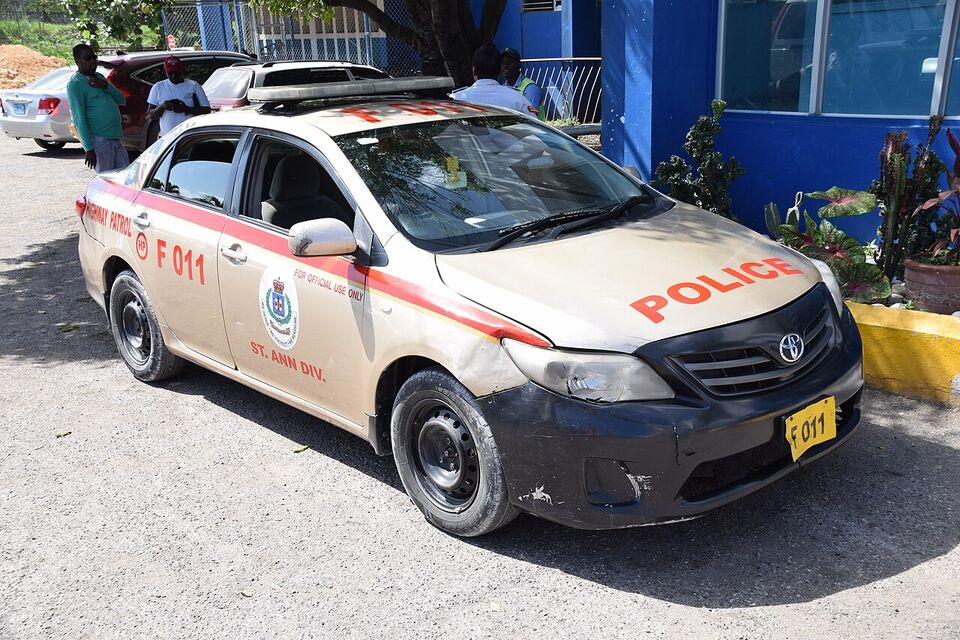
Use licensed transport. Licensed route taxis, the shared cars on fixed routes, carry red PPV plates, and other licensed public passenger vehicles carry plates such as white "P" plates. The car should be marked as a taxi and the driver should carry a Transport Authority ID. At Sangster airport in Montego Bay, the JUTA and JCAL desks just outside the customs exit are the authorized airport taxis. There is no published fare sheet, so agree the price at the desk before you get in. Resorts and tour operators can also send a pre-booked driver.
Avoid unmarked cars offering rides at the airport exit or on the street. A friendly stranger who "knows a guy" with a car is the usual way fake taxis work. Fares for St. James taxis rose by 16 percent in July 2026, so a price you read in an older guide may be out of date. For fares, routes and other options, see Getting Around Jamaica and Montego Bay Airport Transportation.
Uber and inDrive operate in Jamaica without a Transport Authority license as of October 2026, and the licensed taxi unions oppose them. We suggest licensed taxis as the safer choice for visitors, because you know the vehicle is registered and the driver is accountable to a regulator.
Buses and route taxis
The Knutsford Express coach network is a practical and comfortable way to travel between major towns, with online booking and staffed terminals. Route taxis are cheap and local, but they are crowded and the driving can be fast, so they suit confident travelers on short hops by day. The State Department tells its own staff not to use public buses, so you should weigh that when choosing between a coach, a route taxi and a private driver.
Driving
Jamaicans drive on the left, and rental cars are right-hand drive. Roads can be narrow and winding with potholes, drivers pass on blind bends and use the horn to warn of their approach, and pedestrians and animals share the roadway. We suggest avoiding driving at night, especially between towns. Lock the car, keep bags out of sight, and do not stop to help at an unlit roadside if you feel unsure. If a police officer stops you, stay calm, be polite and ask for a ticket you can pay at a tax office or a police station. See Driving in Jamaica.
Watch out
Do not leave your bag, phone or wallet in a parked car, even for a few minutes, and do not leave a rental car unlocked at a beach or waterfall. Opportunistic theft from vehicles is among the most common crimes visitors report.
Hustlers, scams and lottery calls
Street vendors and hustlers
In busy tourist areas, you will be approached by people selling crafts, jewelry, tours, boat rides or hair braiding. Most are trying to earn a living and a clear, friendly "no, thank you" ends the exchange. A few are persistent. Keep walking, keep your tone calm and avoid long conversations that put you on the hook. Never accept a "gift" you did not ask for, such as a bracelet put on your wrist, because it comes with an expectation of payment. Agree any price before you accept a service, and say which currency (US$ or J$) you mean. For manners and how to say no kindly, see Jamaican Etiquette.
Unlicensed tours and fake guides
At waterfalls, beaches and attractions, someone may offer to be your guide as you walk up from the car park. Book tours through your hotel or a licensed operator, check the price in advance, and be wary of anyone who sets a price after the activity. Our Tours and Excursions page covers booking safely.
The lottery scam
Jamaica's lottery scam is a fraud that mainly affects people in the US, not visitors on the island. Callers, often from numbers with the 876 area code, tell a victim they have won a sweepstakes or lottery and must pay fees or taxes before collecting the prize. Older Americans are common targets. Prosecutions in both countries continue in 2026. If you get such a call, hang up, do not send money or gift cards, and report it to the Federal Trade Commission. We mention it because some travelers worry that an 876 number is always a scam. A call from your hotel or a tour operator is normal, but never pay a "prize fee."
Water and outdoor safety
Most Jamaican beaches have no lifeguards, so you are responsible for your own safety. Check the sea state before you swim, and stay out when the water is rough, especially on the north coast when winter cold fronts bring swell. Rip currents can occur on open beaches, and alcohol and swimming do not mix.
On boat trips and catamarans, use the life jackets the crew provide, listen to the briefing, and choose licensed operators with safety gear on board. Snorkelers should stay with a guide or a buddy. Watch for sea urchins on rocky bottoms, and wear water shoes for entry. Jellyfish are possible in some conditions. If you are stung or spiked, rinse the area with sea water, remove any spines carefully and seek medical advice if it gets worse. For more on what to bring, see our Jamaica Packing List, and for beaches, see Beaches in Jamaica.
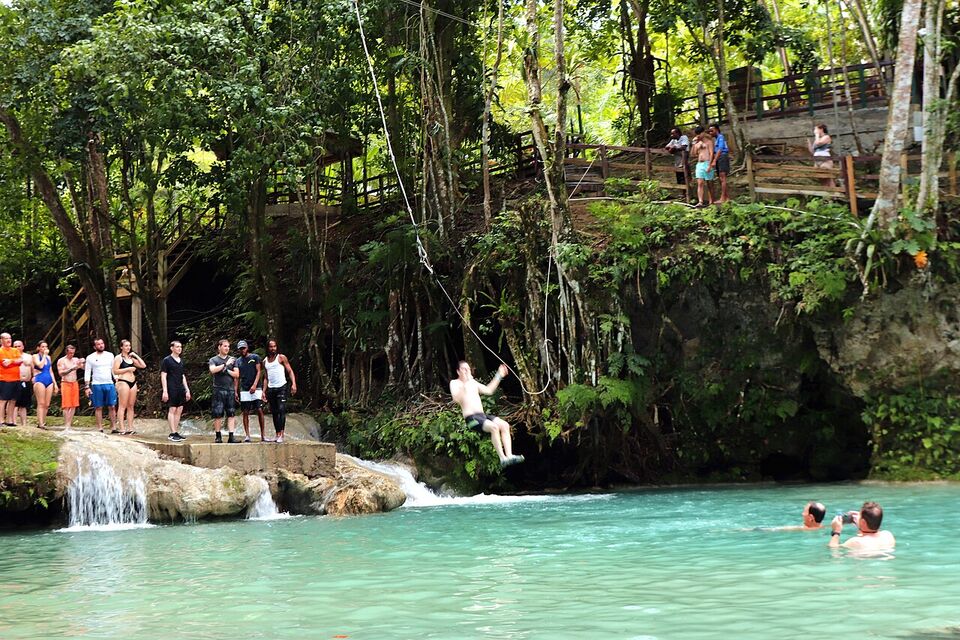
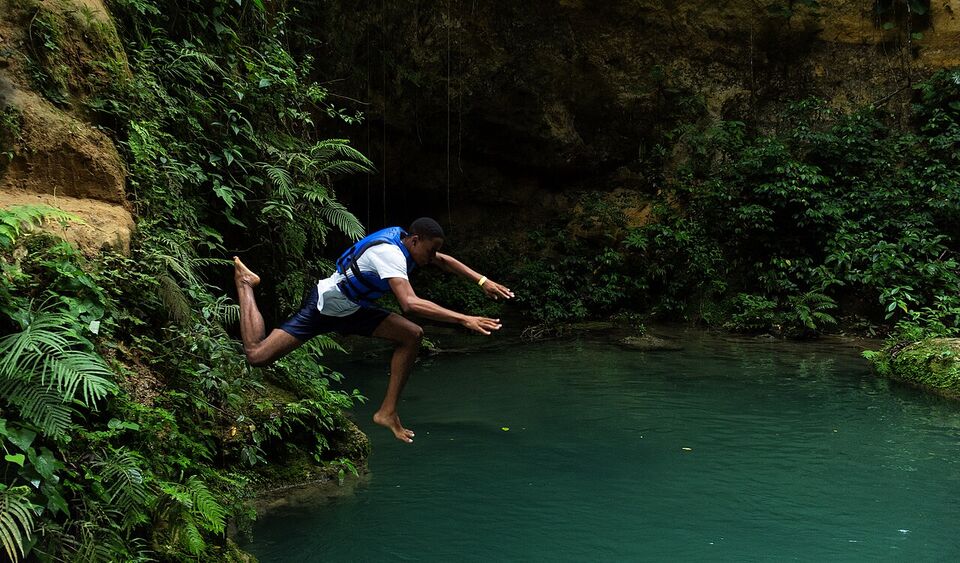
Waterfalls and rivers need extra care. Rocks are slippery, currents can change fast after rain, and flash floods occur in the wet months. Do not swim in rivers or pools after heavy rain. Fresh water after rain is also the setting for leptospirosis, which is covered on our Health and Medical Care page. Do not go to remote beaches or waterfalls alone, and use a guide or a group where the route is unclear. Do not jump from cliffs or ledges unless the site has a clear, known, supervised practice and you understand the depth.
Natural hazards
Hurricane season runs June 1 to November 30, with the highest risk from August to October. Melissa showed what a direct hit can do. Plan for it with flexible bookings and insurance, and follow the warnings of the Jamaica Meteorological Service and the Office of Disaster Preparedness and Emergency Management (ODPEM). See Hurricane Season in Jamaica.
Jamaica also sits in an active seismic region, and earthquakes occur from time to time, nearly always small. If you feel one, drop, cover and hold on, then move away from buildings and cliffs when it stops. Heavy rain can cause landslides on mountain roads, including in the Blue Mountains and Portland, so leave extra time and follow local advice. Heat is a hazard all year, and we cover it in our health guide.
The law: cannabis, firearms and drugs
Firearms and ammunition
Jamaica treats firearms offenses very seriously. Guns, parts and ammunition, even one bullet, are prohibited without prior authorization, and a US concealed carry permit does not change that. An American tourist was arrested at Sangster airport in July 2026 after two magazines containing 30 rounds were allegedly found in luggage, and the law treats unauthorized possession of a firearm or ammunition as an offense carrying a mandatory life sentence with at least 15 years before parole. Empty every bag, pocket and compartment before you pack, including a bag you have used for hunting, range visits or a previous trip. Pepper spray, tasers and camouflage clothing are also prohibited without a permit. See Entry Requirements for Americans.
Cannabis
Possessing 2 ounces or less is not an arrestable offense in Jamaica: it brings a J$500 (about US$3) ticket and no criminal record. Smoking in public places is banned and carries the same ticket. More than 2 ounces remains a criminal offense, and non-residents can apply for a permit for medical use. We give no tips on buying it. Never take it to the US: it is illegal under federal law, and US Customs treats it as a drug offense. Other drugs are illegal and carry serious penalties, and you should treat any offer from a stranger as a risk.
Different from home
In the US, you can sometimes argue your way out of a traffic stop or a small mistake. In Jamaica, a firearms or drugs matter is handled under strict statutes, and the US government cannot get you released. Embassy staff can visit you in custody, help you find a lawyer and contact family, but they cannot pay bills or overrule the court.
Safety for specific travelers
Women and solo travelers
Women traveling alone or in groups visit Jamaica regularly and many have trouble-free trips. Expect more attention than at home in some tourist areas, including calls and invitations on the street. Ignore it or answer briefly, and keep moving. Stay in a place with good reviews and secure access, arrange transport in advance for arrivals after dark, and share your plans with someone at home. The resort precautions above apply to everyone.
LGBTQ+ travelers
Jamaican law criminalizes sex between men. It is rarely enforced against visitors, but attitudes in much of the country are conservative, and public affection between same-sex couples can draw hostility. Many resorts welcome all couples, and policies differ, so check with the property before you book. Discretion in public, in taxis and in smaller towns is the practical advice. Keep your plans flexible and your phone charged.
Families
Families usually find resorts and organized tours straightforward. Keep a close eye on children near water, since few beaches have lifeguards, and consider a pool-fenced villa or a resort with a supervised kids' program. Our Jamaica by Interest page links to family-focused guides.
Emergency numbers and getting help
| Who | Number | Notes |
|---|---|---|
| Police | 119 | Jamaica Constabulary Force |
| Fire and ambulance | 110 | Ambulances are not always staffed or available, especially in rural areas |
| US Embassy, Kingston | +1 876-702-6000 | 142 Old Hope Road, Kingston 6; also answered after hours; KingstonACS@state.gov |
| US Consular Agency, Montego Bay | +1 876-953-0620 | Whitter Village, Ironshore, Unit EU-1; appointments by phone or email; closed on Jamaican and US holidays; MobayACS@state.gov |
| Your hotel | Front desk | Often the fastest way to reach security, a doctor or a taxi |
We could not fully confirm every emergency number in current use, so save the hotel's front desk number and know your address or the nearest landmark when you call. If you lose your passport, call the embassy or the Montego Bay consular agency to start the replacement process, and report the loss to the police.
Enroll in STEP
The Smart Traveler Enrollment Program (STEP) at step.state.gov is free. It sends you security alerts for Jamaica, including storm and unrest notices, and helps the embassy contact you in an emergency. Enroll before you go, and add a family contact at home.
On a US holiday
The consular agency in Montego Bay closes on both Jamaican and US holidays. If you need help then, call the Kingston number, which is answered after hours.
Insurance and preparation
Buy travel insurance that includes medical coverage and medical evacuation, and read the exclusions for hurricanes, alcohol-related injury and adventure activities. An air ambulance to the US often costs US$30,000 or more, and your US health plan, including Medicare and Medicaid, does not cover you abroad. Private hospitals usually want payment up front, so you may need to pay and claim later. Our Health and Medical Care page has details.
- Enroll in STEP and save the embassy numbers in your phone.
- Buy insurance with medical evacuation and keep the policy number and emergency line handy.
- Complete the free online customs form at enterjamaica.gov.jm before you fly (see Entry Requirements for Americans).
- Photograph your passport and keep a copy separate from the original.
- Check your phone plan for roaming, or arrange a local SIM (see Phones, Data and Power).
- Pack medicines in original packaging with a copy of the prescription.
- Empty every bag, pocket and pouch of ammunition and prohibited items.
- Read the current advisory and the hotel reopenings page of the Jamaica Tourist Board.
Insider tip
Take a few minutes before you leave home to save three things in your phone: the hotel's phone number and address, the embassy number, and a photo of your passport. Add the name of the nearest big town or landmark to the address so a taxi driver or an emergency operator can place you quickly.
Simple rules that keep trips trouble-free
These are the rules we would give a friend, and they match the editorial advice we apply across this guide:
- Use licensed transport: red PPV route taxis, resort cars, and JUTA or JCAL taxis from the airport.
- Do not walk around at night outside resort areas, and avoid driving between towns after dark.
- Keep valuables out of sight, and use the room safe.
- Decline persistent hustlers politely and firmly.
- Do not go to remote beaches or waterfalls alone.
- Lock doors and windows, in rooms and in cars.
- Carry a copy of your passport rather than the original on day trips.
- Check the current advisory and the restricted areas list.
If you follow those, your risk drops sharply. For more on choosing a base, see Montego Bay, Negril and Kingston, which each have a safety section for that area. Questions that come up repeatedly are answered on our Jamaica FAQ for Americans.
Add it to a route in the trip builder, or ask us to plan the hotels, trains and guides for you.