Negril in brief
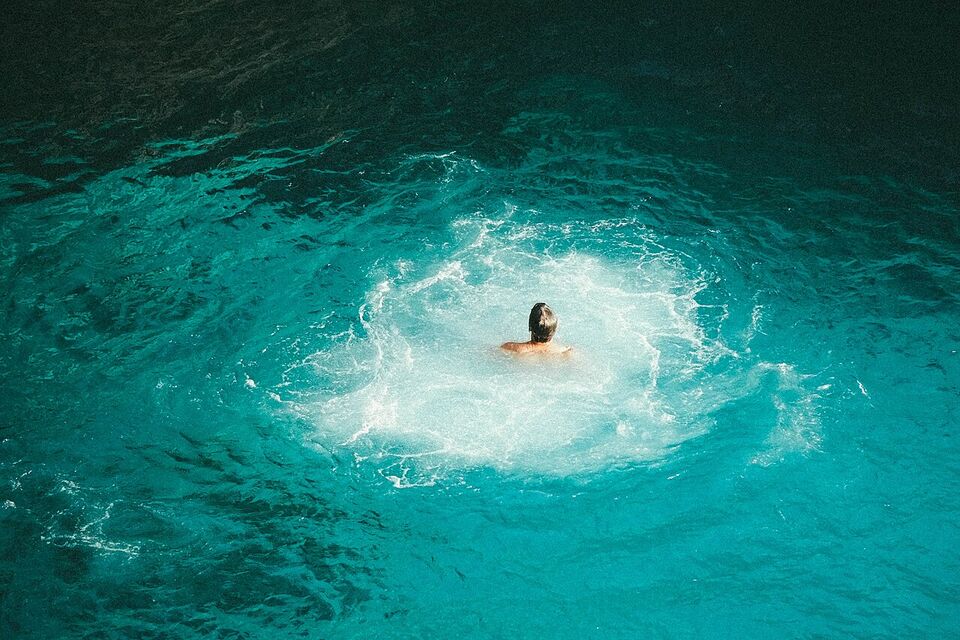
Negril is the part of Jamaica built around the sea and the sunset. Two things draw people here: a long, flat, sandy beach on the north side of town, and a line of low limestone cliffs on the south side where hotels, bars and swimming ledges look straight west over open water. It sits at the far western tip of the island, in two parishes (Westmoreland to the south, Hanover to the north), and it has always felt looser and smaller than Montego Bay.
For most Americans the decision is simple. If you want a wide beach with calm, shallow water and either a resort or a small beachfront hotel, stay on Seven Mile Beach. If you want to swim from rocks, watch the sun go down from a ledge and keep things low-key, stay on the West End cliffs. Both are about ten minutes apart by taxi, so you can sample the other side on any day.
Negril is also a place where it is worth being honest about the past year. Hurricane Melissa, a Category 5 storm, hit Jamaica on October 28, 2025, and the west and southwest took the worst of it. Negril's hotels and beachfront came through with much less damage than Montego Bay or the south coast, and most of the town is back. This guide says what we could confirm as of November 2026 and what you should check before you go. For the island-wide picture, see Jamaica After Hurricane Melissa.
Negril after Hurricane Melissa
The Jamaica Tourist Board's hotel reopenings list, which is updated on a rolling basis, shows nearly every Negril property as open as of November 2026. That includes the large all-inclusive resorts along the beach and many of the smaller cliff-side hotels. A handful of properties are listed as closed. The board's list is undated and its dates can change, so treat it as the starting point and confirm with your hotel directly.
The three Royalton resorts in Negril reopened on August 25, 2026, after a refresh. Tourism officially reopened across the island on December 15, 2025, and Negril's hotels began welcoming guests back around that date. Plenty of independent businesses (restaurants, bars, dive and boat operators, craft sellers) reopened over the following months. We cannot confirm every one, so call or message before you plan a day around a specific place.
The honest summary: the beach and the cliffs are open, the town works, and the infrastructure is mostly back. Some vegetation is thinner than in older photos, a few buildings are still being repaired and a few hotels remain closed. Visiting helps. Hotel work, boat trips, taxis and market stalls are how many families here make a living, and the recovery depends on that income.
Insider tip
Always book a hotel that you can see listed as open on the Tourist Board's hotel reopenings page (visitjamaica.com/travel-alerts/hotel-reopenings), and ask the property about construction, pool and restaurant access and beach condition for your dates. Dates on that page are subject to change.
Seven Mile Beach
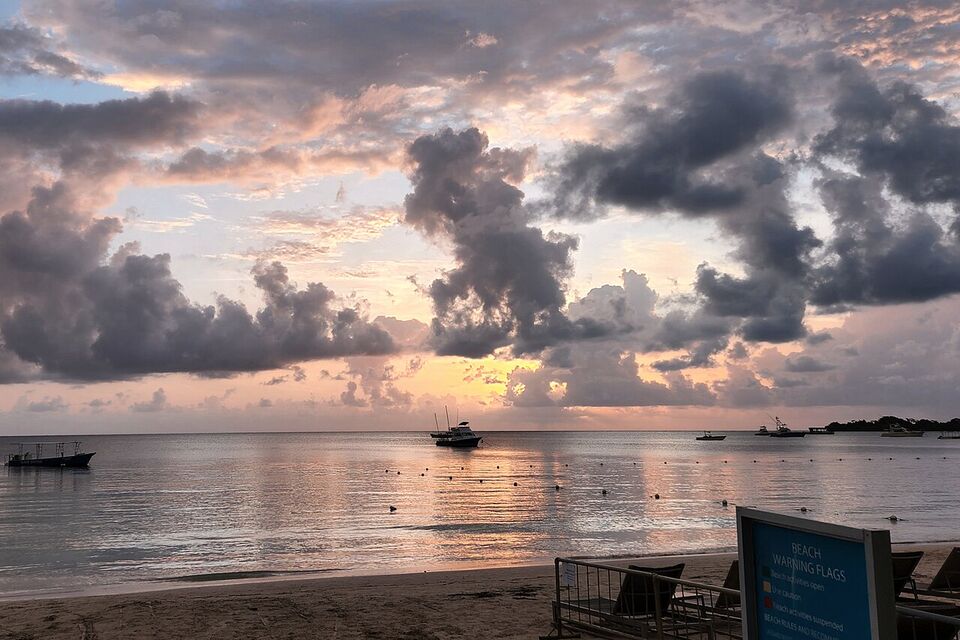
Seven Mile Beach runs along Long Bay, the curve of coast on the north side of town. It is commonly given as seven miles (about 11 km), although the sand you will actually use is divided into stretches by hotels, beach bars and the occasional rocky patch. The water is generally calm and shallow, which is why families and first-timers like it. Winter cold fronts (December to March) can bring wind and surf, but this is usually the gentlest swimming in western Jamaica.
The beach is a working place. Between the large resorts you will find small beach bars, chairs for rent, boat and jet-ski operators, braiders, craft sellers and people offering food, drinks and tours. Most are making a living, and a friendly "no, thank you" is enough. See the safety section below for how to handle persistent offers.
Long Bay Beach Park
The simplest public access is Long Bay Beach Park, run by the Urban Development Corporation. As of November 2026 the non-resident fee is US$3 for an adult and US$1 for a child, and the park is open 9 a.m. to 5 p.m. daily. It has the advantage of being a defined, managed stretch, which makes it easy to find if you are not staying on the beach. Bring small bills, because change is usually given in Jamaican dollars.
Jamaica's law on beach access is unusual by American standards, and it affects Negril. Most of the shoreline is controlled by private owners and hotels, and the legal right to use the foreshore is limited. For the details, see our guide to Jamaica's beaches.
Bloody Bay
At the north end of the beach, Seven Mile Beach merges into Bloody Bay, a sheltered curve lined mostly by larger resorts. It is quieter than the central beach and has fewer vendors on the sand. If you want calm water and a more resort-oriented day, this is the end to look at.
Different from home
There are no lifeguards you can count on at most of Negril's beaches, and no flag system like a US municipal beach. Treat the water as unsupervised, keep children within arm's reach and do not swim after drinking.
The West End cliffs
South of the roundabout, the road runs out along the West End, a stretch of coral limestone that rises a few feet to a few dozen feet above the water. There is almost no sand here. Instead, hotels, small restaurants and bars have built steps, ladders and decks down to the sea, and visitors swim from ledges into deep, clear water. Snorkeling is good from some of the ledges when the sea is calm, and the bars along the cliffs are the classic place to watch the sun set.
The West End is quieter and more spread out than the beach. It suits couples, solo travelers and anyone who prefers a small hotel or villa. It is less suited to small children or anyone who needs easy access, because many properties involve steps and ladders to reach the water. It is also more exposed to winter swells, so on a rough day the swimming ledges can be closed or dangerous.
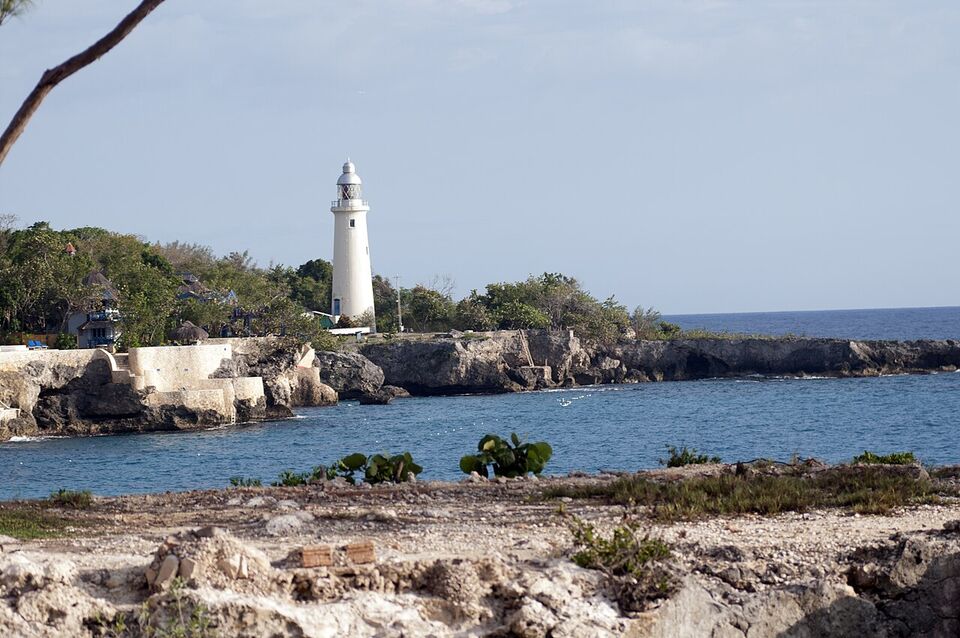
The Negril Lighthouse, at the far western point, has been a landmark since 1894. Check with local operators about whether it is open to visitors and whether climbing is permitted, because this varies and we could not confirm a current policy.
Rick's Cafe
Rick's Cafe is the best-known sunset bar on the cliffs. According to the cafe's website it is open to the public from noon to 10 p.m. daily, and there is no cover charge. It has a bar, a kitchen, live music on some days and, famously, a set of ledges and platforms from which people jump into the sea. Expect crowds from mid-afternoon on clear evenings, and expect that the best seats go early. Because we cannot confirm every detail from outside, call the cafe on +1 876-822-1764 if you are planning around a specific time, a group or an event.
Cliff jumping and safety
Cliff jumping is a Negril tradition and also the most avoidable cause of injuries for visitors. Jumpers use ledges at several heights, and the higher ones are tall enough to hurt you if you land badly. A few basics reduce the risk:
- Start from the lowest ledge, and move up only if you are comfortable. There is no shame in watching.
- Do not jump after drinking. Rick's is a bar, and this is the main way people get hurt.
- Do not jump alone, and do not jump when the sea is rough or the swell is surging against the rocks. After a north wind or a cold front the water at the base can be dangerous.
- Look before you leap. Ask staff where the water is deepest and where rocks are, and follow the lines used by the regulars. Enter feet first.
- Wear water shoes. Sea urchins live on the rocks, and a spine in the foot ends a holiday quickly.
- Check your travel insurance. Some policies exclude injuries from cliff jumping, and medical care in the area is limited. A medical flight to Florida can cost tens of thousands of dollars (often US$30,000 or more).
Watch out
Serious injuries can mean a transfer to Montego Bay, about 1.5 hours away, and Cornwall Regional Hospital's emergency department was still being restored as of mid-2026 (check the current status). Private hospitals usually ask for payment up front. If you plan to jump, treat it as a risk you are choosing, not a routine activity.
Sunsets and boat trips
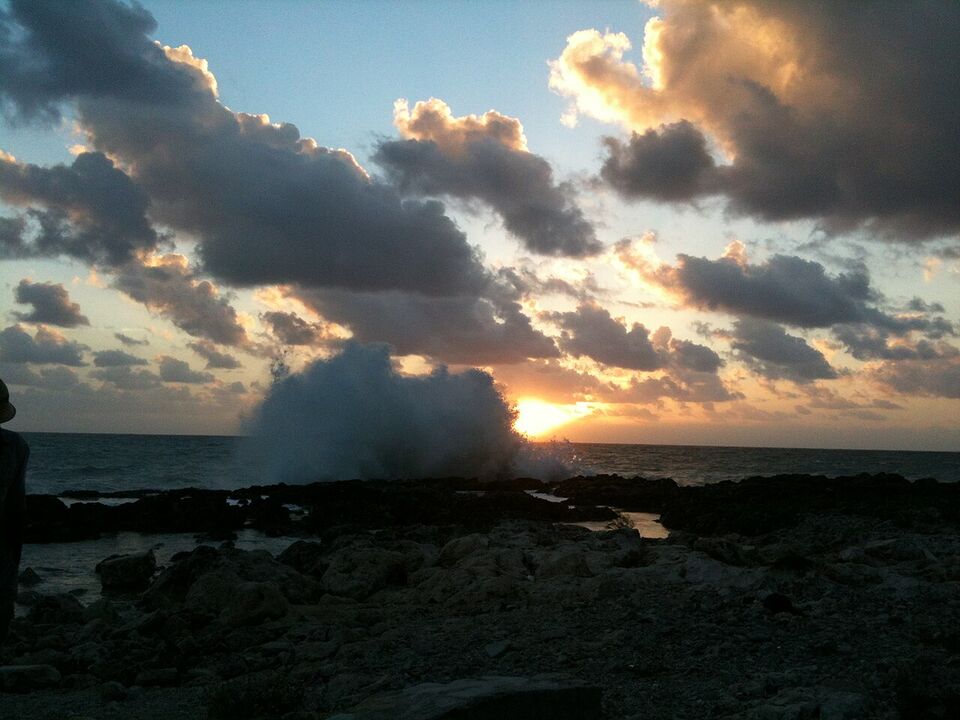
The sun sets over open water here, with nothing in the way. In December it goes down around 5:30 p.m., and in June nearer 6:45 p.m.; arrive an hour early at a cliff bar for a seat. Jamaica uses Eastern Standard Time all year, with no daylight saving, so it matches New York from early November to March 14, 2027 and runs one hour behind New York the rest of the year.
The beach side has sunsets too, with a wider, calmer view and often a quieter bar. You do not have to be on the cliffs to see it.
Boat trips in Negril include catamaran sunset cruises, snorkel trips to the reefs, glass-bottom boats and beach-to-beach transfers. Island Routes said in late 2025 that its Negril powerboat and catamaran trips were expected back by December 6, 2025; we have not confirmed current schedules or prices for any operator. Use a licensed operator, ask what safety equipment is on board, and avoid unlicensed offers on the beach. For more on tours see Tours and Excursions.
The roundabout and the town
Negril has no formal downtown. What people call the town is the area around the roundabout, where the beach road meets the road to the West End, with a few shops, banks and ATMs, a small supermarket, a pharmacy, eateries and taxis waiting for fares. It is the practical center: cash machines, groceries, bottled water, sunscreen.
Use bank ATMs where you can (inside banks, malls and the airport), carry small J$ notes for cookshops, craft stalls and route taxis, and keep US dollars for tourist prices. US dollars are accepted in tourist areas, but change often comes back in Jamaican dollars at a poor rate. For more see Money in Jamaica.
The Tourist Board's list, November 2026, shows the Negril Craft Market and the Rutland Point Craft Market closed, so ask your hotel where vendors are trading. Wherever you shop, greet people before you ask a price, bargain politely and do not take photos of vendors without asking. Our etiquette guide has more.
Nature and day trips near Negril
Several nature spots lie within an hour or two of Negril. Most need current checks, since access roads and facilities were affected in 2025.
Royal Palm Reserve
A protected wetland just inland, with a boardwalk through swamp forest and a good place to look for birds. Check its opening hours, entry fee and boardwalk condition before you go.
Mayfield Falls
A series of small pools and cascades, usually visited by walking upstream with a guide. Hours, prices and trail condition have not been confirmed for 2026, so ask your hotel to check, and avoid freshwater swimming after heavy rain because of leptospirosis risk.
Blue Hole mineral spring
A deep, clear spring that tours often pair with Mayfield Falls. Status, price and access are unconfirmed, so check before you commit a day to it.
YS Falls
The most popular waterfall day trip from Negril. Admission is US$25 for an adult and US$16 for a child (3-15). Open 9:30 a.m. to 3 p.m., closed Mondays and public holidays. The canopy ride is closed until further notice.
YS Falls as a day trip
YS Falls is in St. Elizabeth, in the southwest, an area hit hard by the hurricane. It reopened in January 2026 with three pools and the waterfall open, and the Jamaican government said in April that it was welcoming visitors again. Plan roughly 1.5 to 2 hours each way from Negril and arrive early. The Tourist Board's list shows YS Falls open (November 2026); check ysfalls.com for current rates and hours before you go. Bring water shoes. For more on the south coast, see Treasure Beach and the South Coast.
Where to stay: beach, cliffs, resort, villa or guesthouse
The first choice is where, and the second is what kind. Here is how they fit together.
Beach or cliffs
- Seven Mile Beach: sand, calm water, easy for kids, many all-inclusives, more vendors, more people. Good for first-time visitors and families.
- West End cliffs: ledge swimming, sunsets, smaller hotels and villas, quieter nights, steps to the water. Good for couples and travelers who prefer a low-key setting.
Resort, villa or guesthouse
- All-inclusive resort $$$: food, drinks and activities included, predictable and secure. Good if you want to switch off or travel with children. Most Negril resorts are listed as open, but check. See All-Inclusive Resorts in Jamaica.
- Boutique or cliff hotel $$: smaller, often with a restaurant and ledge swimming. Rooms vary, and some can book up early for winter.
- Villa or apartment $$: good for groups; the island-wide recovery of villas and apartments was about 60-70% in late 2026, so confirm that the exact property is operating. Short-term rentals become liable for GCT from April 1, 2027.
- Guesthouse $: basic rooms, often family-run; cheapest, with fewer services. Use well-reviewed properties and ask about security.
Hotel taxes in Jamaica include a General Consumption Tax (GCT). Hotels and licensed tourism businesses pay a reduced 10% until March 31, 2027, after which it rises to 15% from April 1, 2027 (the hotel association is still lobbying against that). There is also a small per-room nightly tax of US$1-4 (by hotel size) as of 2026; check your booking. Our where to stay page has more on room types and prices.
Save money
High season runs from about December 15 to April 15, and prices peak at Christmas and New Year, Presidents' week and spring break. Late April to June and November are cheaper. Negril is hot all year, with sea temperatures near 81°F (27°C) in winter and 84-86°F (29-30°C) from June to October.
Food and drink
Negril eats well without needing a reservation. Along the beach and the cliffs you will find small restaurants serving fresh fish (often fried or steamed with okra and peppers, in the style called escovitch for the fried version), jerk chicken and pork, curry goat, rice and peas, fried plantain and festival (a sweet fried dumpling). Pepper shrimp and lobster are on many menus in season. Fish and lobster prices vary, so ask for the price before you order.
Jerk is often cooked outdoors over pimento wood in drums or pits, and quality varies from stall to stall. Roadside cookshops and patty shops price in Jamaican dollars. Check food hygiene the way you would at home: busy stalls with high turnover are a better bet than quiet ones. See Jamaican Food and Rum, Coffee and Drinks for more.
Tap water is treated in towns and resorts, but many visitors drink bottled water anyway. Tipping varies; some all-inclusives say they do not require it, and others welcome it. Read your bill for a service charge before adding more. See Money in Jamaica.
Getting to Negril and getting around
Negril is about 50 miles (80 km) from Sangster International Airport (MBJ) in Montego Bay, usually 1.5 hours by road. The trip is longer in traffic or if the road is under repair; some damaged roads in the west are still being fixed. Most visitors fly into Montego Bay for this reason.
- Licensed airport taxi: JUTA and JCAL operate authorized desks just outside the customs exit at MBJ. There is no published fare sheet, so confirm the price at the desk before you get in. St. James taxi fares rose 16% on July 1, 2026. See Montego Bay Airport Transportation.
- Pre-booked transfer: your hotel or a private company can arrange a driver. Agree the price and the pickup point in advance.
- Knutsford Express: an air-conditioned coach with a desk at Sangster airport and a stop in Negril (Negril office hours 5:15 a.m. to 8 p.m.). One bag up to 50 lb plus one carry-on, non-refundable tickets, date change J$300 (about US$2). Check knutsfordexpress.com for fares and times.
- Route taxis: shared cars with red PPV plates running fixed routes, cheap and paid in J$. Fares rose in two 8% steps in June and July 2026.
- Rental car: Jamaica drives on the left, roads are narrow with potholes, and driving between towns at night is best avoided. Read Driving in Jamaica.
Once in Negril, most visitors use licensed taxis for short hops. Agree the fare before you get in and use red PPV plates or a resort-approved driver. Negril also has a small aerodrome; domestic flights vary, and we could not confirm its current service. Uber and inDrive operate in Jamaica without a Transport Authority license as of October 2026, and taxi unions oppose them. Licensed taxis are the safer bet. See Getting Around Jamaica.
Safety and hustlers
The U.S. State Department rates Jamaica Level 2, "Exercise Increased Caution" (reissued January 17, 2026), citing crime, health and natural disaster risks. It names specific higher-risk neighborhoods across the island, including areas in several western parishes, and US government staff may not go to them. We do not list individual neighborhoods here because the list changes: read the current advisory on travel.state.gov before you travel. The embassy also receives reports of sexual assault, including against US tourists at resorts.
Murders fell to 673 in 2025, the lowest in about 30 years, and violent crime is concentrated in specific urban neighborhoods. Tourist areas are generally lower risk. Practical habits matter more than fear:
- Use licensed transport (red PPV plates or resort, JUTA or JCAL taxis).
- Keep valuables out of sight and use the room safe.
- Do not walk around at night outside resort areas, and avoid empty stretches of beach after dark.
- Do not go to remote beaches or waterfalls alone.
- Lock your door and your car.
Vendors and hustlers
Negril's beach and roundabout have more persistent sellers than most places, and they vary from friendly craft sellers to people who will not take no. Carry on walking, keep your tone relaxed and say "no, thank you" clearly. Do not hand over money or a deposit for a tour on the beach. Book through your hotel or a licensed operator instead.
On the matter of cannabis: possession of two ounces or less is not an arrestable offense, and brings a J$500 (about US$3) ticket and no criminal record, but smoking in public places is banned and you must never take any to the US. We give no tips on buying it. People who approach you on the beach offering it are not a safe source.
Emergency numbers are 119 for police and 110 for fire and ambulance. The US Consular Agency in Montego Bay is at Whitter Village, Ironshore (+1 876-953-0620) and closes on Jamaican and US holidays. See Is Jamaica Safe? and Safety in Jamaica for more. LGBTQ+ travelers should know that Jamaican law criminalizes sex between men, though it is rarely enforced against visitors; many resorts welcome all couples, but check the policy.
A sample plan for four nights
- Day 1
Arrive and settle in
Take a licensed transfer from MBJ (about 1.5 hours) and spend the afternoon on the sand. Watch the sunset from the beach or walk to a nearby bar. Keep dinner simple.
- Day 2
Seven Mile Beach and a boat trip
Swim in the calm water in the morning. In the afternoon, take a catamaran or snorkel trip with a licensed operator, if one is running.
- Day 3
West End and Rick's Cafe
Take a taxi to the cliffs and swim from a ledge in calm weather. Arrive at Rick's Cafe by mid-afternoon, claim a seat and stay for the sunset. Do not drink and jump.
- Day 4
YS Falls or a rest day
If you want a waterfall day, go early to YS Falls (open 9:30 a.m. to 3 p.m., closed Mondays). Otherwise stay put. The ride is longer than it looks.
If you are choosing between Negril and Montego Bay, see Montego Bay vs Negril. For the other destinations, see Jamaica's Destinations.
Practical notes before you go
- Passport valid on entry and exit; no visa for stays up to 90 days. You may be asked for a return or onward ticket.
- Complete the free online C5 immigration and customs form at enterjamaica.gov.jm, up to 30 days ahead. Websites that charge for it are not official.
- Pack water shoes for the cliffs, reef-safe sunscreen, insect repellent (dengue and chikungunya occur) and a copy of your travel insurance with medical evacuation.
- Check your hotel's status on the Tourist Board's hotel reopenings page.
- Check the weather and the sea if you plan to jump or snorkel. Hurricane season runs June 1 to November 30, with the peak from August to October.
For entry rules in full, see Entry Requirements for Americans, and for the season, see When to Go to Jamaica.
Add it to a route in the trip builder, or ask us to plan the hotels, trains and guides for you.