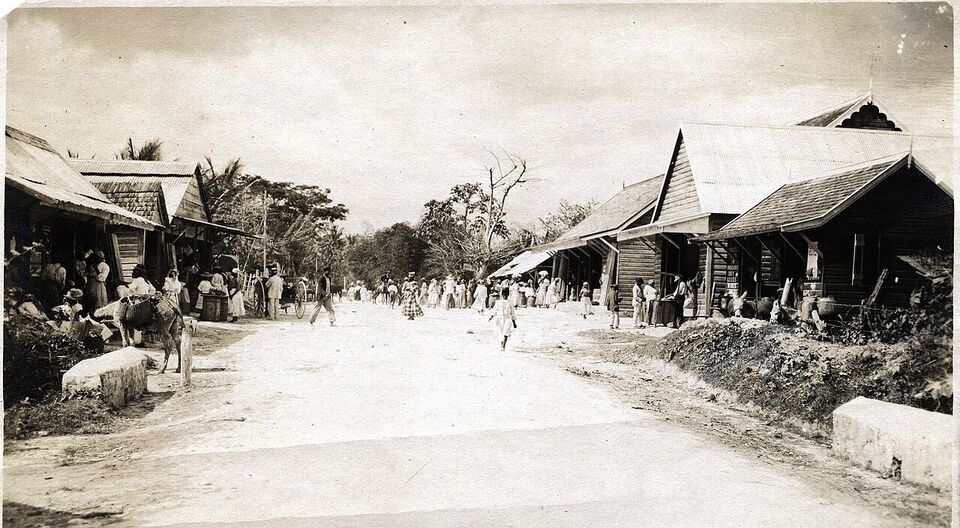
Overview: the short list of what matters
Jamaican etiquette is mostly about respect, expressed out loud. Greet people, speak to them as people, and slow down for a conversation before business. Dress for the place you are in, ask before you take a photo, and treat elders, churches and the Rastafari faith with respect. When you meet a persistent seller or a stranger offering to guide you, a calm, friendly, firm no works better than avoiding eye contact.
Most visitors spend much of their time inside resorts, where a staff member will smooth the way. The advice below matters most when you leave the resort for a market, a beach, a jerk center or a town. It also helps explain why a polite hello changes a stranger’s response to you. Pair this page with Jamaican Patois Phrases for the words, and with Safety in Jamaica for the practical risks.
Different from home
In many American settings, a customer gets straight to the point. In Jamaica, skipping the greeting reads as rude, even in a shop or taxi. Start with “Good morning” or “Good afternoon,” wait for the reply, and then make your request.
Greetings: good morning matters
Greetings carry real weight. Say “good morning” until noon, “good afternoon” until about dusk, and “good evening” after that, to shop staff, drivers, hotel workers and people you pass on a quiet road or path. Many Jamaicans will say it first, and if they do, answer in kind. Notice that people often add “how are you?” and expect a real, short reply.
If you only learn one thing, learn this: a greeting comes before the question. A taxi driver who is greeted properly tends to be friendlier, and a vendor who gets a hello before a “how much?” is more likely to give you the right price. In informal settings, you may hear “wah gwaan” (what’s going on) or “how yuh do” (see the phrase table in our Patois guide). Reply with a smile and a friendly answer, even if you do not use the same words.
Handshakes, names and titles
A handshake is common between adults. Between friends, a fist bump is typical, and you may see people touch fists while saying hello. Use “Mr.,” “Miss” or “Mrs.” with older people until they tell you otherwise. Calling an older woman “Miss” plus her first name, such as “Miss Pat,” is a normal, warm form of address. Do not call anyone “mon” or imitate an accent. It sounds like mockery.
Respect for elders and manners
Respect for older people is a pillar of Jamaican family life. Offer your seat on a bus or at a table, let an older person go first through a door, and do not interrupt them. Children are brought up to speak politely to adults, and you may notice that children greet strangers with “good afternoon.” If you travel with kids, teaching them to say it is a gift.
Manners also show in conversation. Jamaicans can be direct and expressive, and a loud discussion is not necessarily an argument. Do not take a raised voice as hostility, and do not respond with sarcasm. Avoid swearing, including in jokes. Words that are casual in American English can be offensive in Jamaica, particularly “bad words” connected to religion or the body, and using them in public can draw sharp reactions.
Dress
Jamaica is hot, and swimwear is the right dress for beaches, pools and boats. Away from the beach, people dress more conservatively than many American visitors expect. In towns, markets, shops, restaurants and on public transport, wear a shirt and shorts, pants, a skirt or a dress. Walking through Montego Bay, Ocho Rios or Kingston in a bikini top, swim trunks or without a shirt marks you as a visitor who did not pay attention, and it can draw unwanted comments.
A few practical rules:
- Wear a cover-up or shirt and shorts between your hotel and the beach, and when you walk into a restaurant for lunch.
- Cover shoulders and knees for church and for official buildings, and for visits to homes in rural areas.
- Camouflage clothing is restricted by Jamaican customs, so leave it at home (see Entry Requirements for Americans).
- Nudity: some resorts have clothing-optional areas or adults-only sections with their own rules. Do not assume that rule applies to public beaches.
For clothes by activity and season, see our packing list.
Photography: ask first
Ask before you photograph a person. That includes vendors, children, people in church, fishermen and anyone cooking at a roadside stall. Many will say yes, some will ask for a tip, and some will say no. Accept it with a smile. A photo of a market stall, a street scene or a view is usually fine, but if a person is clearly the subject, ask.
Some points to remember:
- If someone poses and then asks for money, that is a negotiation. You can say “no, thank you” and delete the photo, or agree on a small amount first. Agreeing a price in advance avoids an awkward moment.
- Do not photograph inside churches during a service, at funerals, or at a Rastafari ceremony.
- Do not photograph police, military or government buildings, or airport security areas.
- Drones: recreational drone flying does not need a permit from the civil aviation authority, but you must follow its operating rules. Ask permission from people nearby before launching one near a beach or village.
- Do not post photos of strangers’ children online.
The storm damage in the west is not a photo opportunity. Many people are still rebuilding their homes and businesses, so think before you point a camera at wrecked houses or ask someone to pose in front of one.
Religion and churches
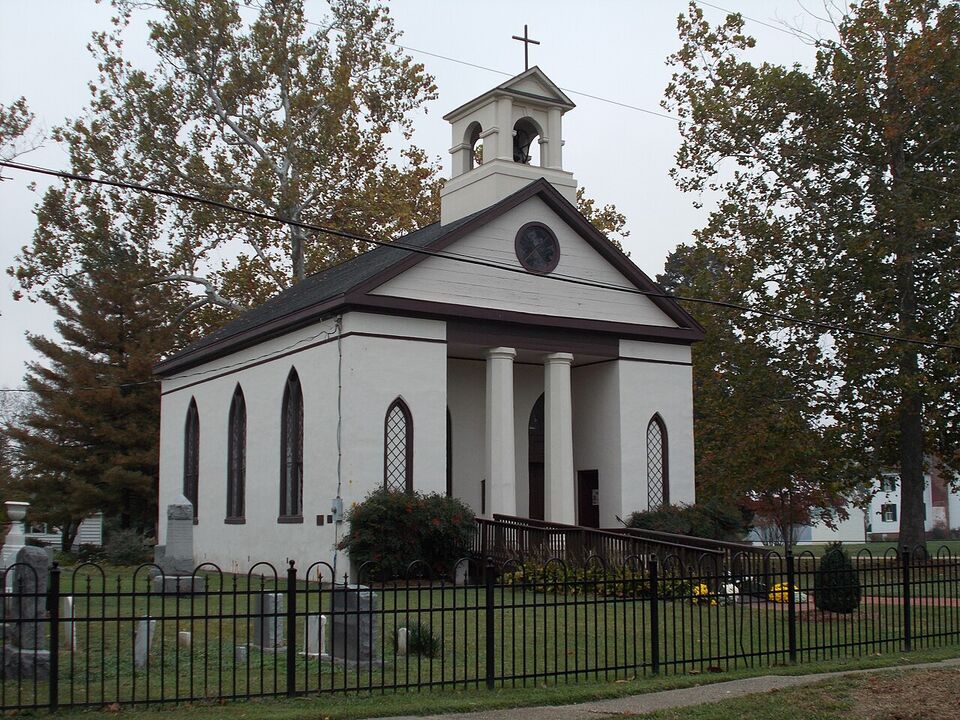
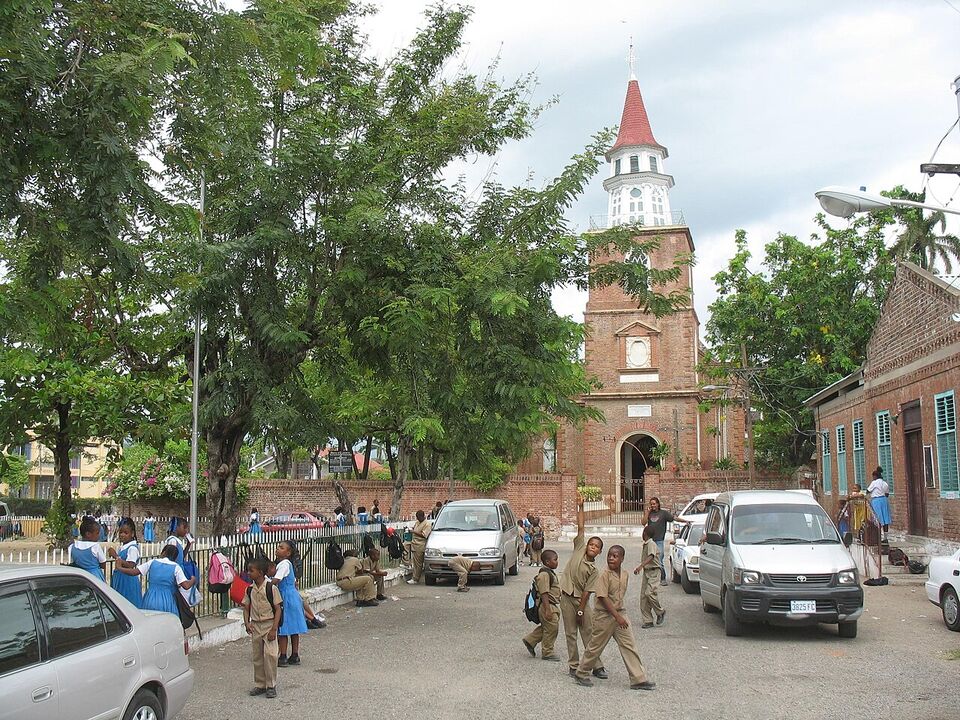
Jamaica is deeply religious, and Christianity is part of daily life. Churches of many denominations fill on Sunday, and gospel music is common on the radio and in buses. Visitors are generally welcomed, but there are some conventions:
- Dress modestly in church: shoulders and knees covered, and phones silent.
- Services can run long, with singing, testimony and sermons. If you attend, plan on two hours or more, and stay until a natural break before you leave.
- Do not photograph unless invited to.
- Sunday is a rest day for many families. Some shops close, and businesses outside tourist areas may have shorter hours.
- Many people say grace before meals. If you are invited to a meal, wait until the host begins.
Avoid joking about religion, and avoid debates about it. Other faiths are present, including Rastafari, Hindu and Muslim communities, and small Jewish and Chinese communities that have shaped the island.
Rastafari: respect
Rastafari is a faith and a way of life that began in Jamaica in the 1930s. It is not a costume or a style. Say “Rastafari,” not “Rastafarianism,” and do not use “Rasta” as a joke or as a label for anyone with dreadlocks. Many Rastafari follow Ital food (see Jamaican Food), and some wear locks, wear the colors red, gold and green, and observe particular practices. Many members respect “I and I” as a way of speaking about the self in relation to others.
When you meet Rastafari people, treat them as you would any other person, with a greeting and courtesy. Some points deserve special care:
- Do not touch someone’s hair or head.
- Do not ask personal questions about their faith as entertainment. If someone chooses to talk, listen.
- Do not make jokes about Haile Selassie, repatriation or Marley. The Bob Marley Museum is a museum, but for many, Marley’s music is also part of the faith (see Reggae and Bob Marley).
- Do not photograph a Rastafari person or a ceremony without explicit permission.
- Rastafari sacramental use of cannabis is exempt from the law at registered worship sites. That does not make it a tourist activity, and we give no tips about where to find or use cannabis.
Vendors, hustlers and polite refusals
Vendors and touts in tourist areas are a fact of life. Craft sellers, braiders, taxi drivers, tour sellers and people offering to be your guide can approach you on beaches and streets, and some are persistent. Most are trying to earn a living, and some are not licensed. The goal is to stay friendly, clear and firm.
A polite, firm no
- Greet them first: “Good afternoon.” It lowers the temperature.
- Say “no, thank you” once, clearly, with a smile. Keep walking.
- If they persist, repeat “not today, thank you” without engaging, and do not argue.
- If you are interested, ask the price and agree before you accept anything. Do not accept an item placed in your hand or a braid started without a price, since you may be asked to pay afterward.
- Do not go with a stranger to a remote beach, a house or a market alley.
Book tours and rides with licensed operators or through your hotel, and use licensed taxis with red PPV plates or resort, JUTA and JCAL taxis. If someone makes you feel unsafe, move toward a hotel, shop or police officer. See Tours and Excursions and Getting Around Jamaica.
Insider tip
The same sentence works for most situations: “Not today, thank you, have a good day.” Say it with a smile. Many people accept a clear, kind refusal and wish you well in return.
Tipping and paying fairly
There is no single official tipping rate in Jamaica. Published guides suggest ranges of about 10-15% at restaurants and a little more for exceptional service, and these are recommendations, not rules. Start by reading the bill: some restaurants and hotels add a service charge, in which case an extra tip is optional. All-inclusive policies vary. Sandals has published a no-tipping statement, Beaches includes tips and taxes, and individual staff such as butlers or spa therapists may accept a gratuity. If you tip, tip in the currency you are using.
For smaller services, keep some small bills. A few examples of what visitors commonly do: round up for a cookshop meal, tip a few US dollars to a porter per bag, and tip a driver or guide at the end of a day if the service was good. Agree taxi fares in advance, since licensed taxis are regulated but not metered. More detail is in Money in Jamaica.
US dollars are accepted in tourist areas, but change comes back in J$ at a poor rate. Pay in J$ at a cookshop, route taxi or market, and keep notes small. Tourist prices are quoted in US$, for example US$25 for Dunn’s River Falls.
Time: “soon come” and the clock
Jamaican time is flexible in social life. A party that starts at 9 may fill at 11, a minibus leaves when it is full, and a meal may take an hour to arrive. That is a normal pace, not poor service, and it is a good reason to build slack into your day and not rush a person who is helping you. You may hear “soon come,” which can mean in a few minutes or a lot longer. Ask politely for a specific time if it matters.
The opposite applies to tours, flights and airport transfers. Tour operators, flights and cruise departures keep to a schedule, and you should be early. Jamaica uses Eastern Standard Time all year without daylight saving, so it matches New York from early November to March 14, 2027, and runs an hour behind New York in the rest of the year. Check your pickup time against the right clock.
LGBTQ+ travelers
Jamaican law criminalizes sex between men. It is rarely enforced against visitors, but social attitudes toward same-sex relationships can be hostile, and public affection between same-sex couples can draw harassment. Many resorts welcome all couples, and policies differ, so check the resort’s policy before you book. Outside resorts, many LGBTQ+ travelers choose discretion in public and in taxis, markets and small towns.
For any emergency, call 119 (police) or 110 (fire and ambulance), and contact the US Embassy in Kingston, +1 876-702-6000, which answers after hours. More in Safety in Jamaica. For trip ideas by interest, see Jamaica by Interest.
Cannabis laws and manners
Cannabis is widely associated with Jamaica, and the legal reality is more limited than many visitors expect. Under the 2015 amendments to the Dangerous Drugs Act:
- Possessing 2 ounces or less is not an arrestable offense and creates no criminal record. It brings a J$500 (about US$3) ticket.
- Smoking in public places, and within a short distance of them, is banned and can bring a ticket.
- Non-residents can apply to the Ministry of Health for a medical permit.
- Over 2 ounces remains a criminal offense.
- Rastafari sacramental use is exempt at registered worship sites.
Check current rules with the Ministry of Health before you travel. Never carry cannabis out of Jamaica or into the US, where it is illegal under federal law and customs treats it as a drug offense. We do not give tips about buying it. If you do not use it, do not feel pressure to. A clear “no, thank you” works, as described above.
Watch out
Firearms, ammunition (even one bullet or an empty magazine), pepper spray and tasers are prohibited without a permit, and the penalty for ammunition is severe. Americans have been arrested for stray rounds left in luggage. Empty every bag before you pack. Details are in Entry Requirements for Americans.
Haggling
Prices in supermarkets, restaurants, hotels and attractions are fixed. In craft markets and with street vendors, taxi drivers and some tour sellers, prices are open to discussion. The first price quoted to a visitor is often higher than the price a local would pay.
- Greet first, smile, and ask the price.
- Make a counteroffer that is fair, not insulting. Offering about half is common, and many settle somewhere between.
- Be willing to walk away politely. Do not haggle if you do not intend to buy.
- Do not bargain over food at a cookshop or over fares in a licensed route taxi, since those are set.
- For taxis, agree on the fare before you get in. For tours, compare two or three licensed operators.
- Haggling is a conversation, not a contest. A few hundred J$ (a couple of US dollars) matters more to a craftsperson than to you.
See Shopping and Taking Things Home for what to buy and what to avoid.
Respecting the environment and communities
Jamaica’s reefs, rivers and beaches are part of its economy and its identity. A few small habits protect them:
- Use reef-safe sunscreen, and do not touch or stand on coral. Do not take shells, coral or sea creatures as souvenirs.
- Do not litter on beaches, rivers and trails. Take rubbish with you if there are no bins.
- Do not feed wildlife, including iguanas, crocodiles and fish.
- Stay on marked trails and follow guide instructions at waterfalls and rivers.
- Save water. Parts of the island have water shortages, and recovery from Hurricane Melissa strained supplies in some places.
- Buy from local businesses where you can: a local guide, a family-run guesthouse, or a roadside cook. Tourism jobs matter to families still recovering from the storm.
Be respectful about the recovery too. Rebuilding is ongoing, particularly in the west and southwest, and the best way to help is to visit with care, spend locally and treat everyone with dignity. Our After Melissa guide explains where things stand.
Add it to a route in the trip builder, or ask us to plan the hotels, trains and guides for you.