What to bring home, and what to leave
The best souvenirs from Jamaica are things you can eat, drink, wear or hang on a wall: coffee, rum, spice blends, handmade crafts, art, books and music. The things to leave behind are the ones that cause trouble at the border, such as fresh fruit, meat, plants, anything made from coral or turtle shell, and any cannabis products.
This guide covers what to buy and where, how to bargain without offending, how duty-free shops work, what the US allows you to carry home, and how to ship what will not fit in your bag. For the drinks themselves, see rum, coffee and drinks, and for manners with vendors, Jamaican etiquette. Prices below are only given where we confirmed them; for everything else, ask or check first.
Blue Mountain coffee
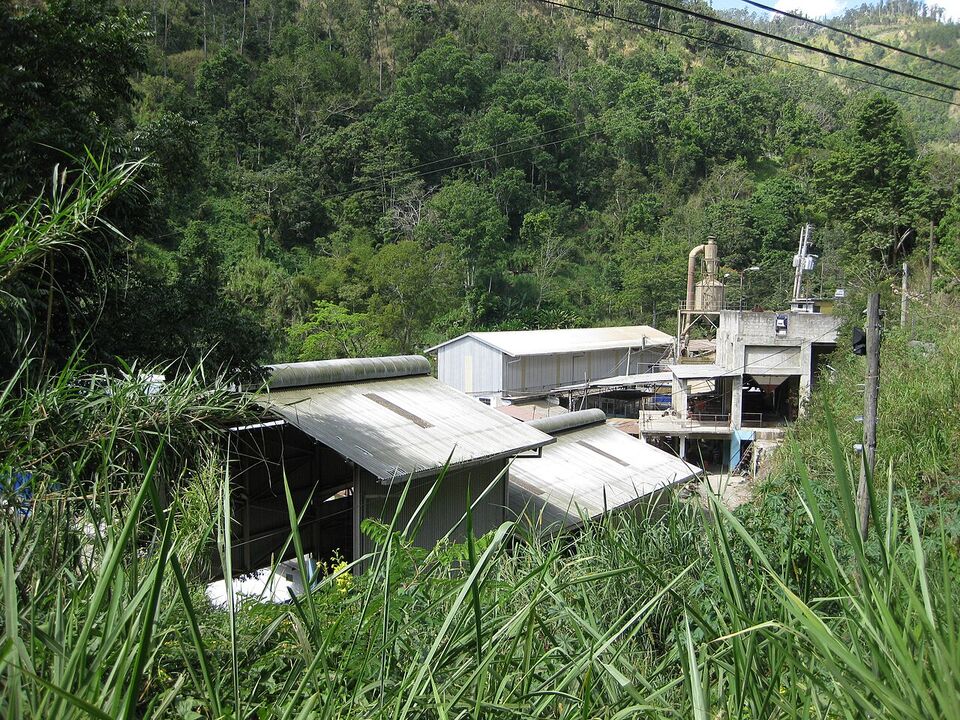
Jamaica Blue Mountain coffee is a protected name. It is grown in the Blue Mountains and its certification is overseen by the Coffee Industry Board of Jamaica. It is expensive, so imitations exist, and the label matters. Look for coffee marked "100% Jamaica Blue Mountain" and sealed by an established roaster or estate, and be cautious about unmarked bags from street sellers. A bag marked "Blue Mountain blend" contains only a share of Blue Mountain beans.
Buy from certified sellers: estate shops, large supermarkets, the airport shops and specialist coffee stores. Ask for the roast date, since fresh coffee tastes better, and decide between whole beans (they keep their flavor longer) and ground. Prices vary widely by brand and size, and we could not confirm current figures, so compare two or three shops. Farm tours in the Blue Mountains also sell coffee, but check that the tour is running and the road is open before you go; see the Blue Mountains.
Insider tip
Pack coffee in your carry-on or in a sealed bag in the middle of your suitcase, and buy it near the end of your trip. It is light, travels well and makes a thoughtful gift, but a very low price for a "Blue Mountain" bag is a warning sign.
Rum, spices and sauces
Rum
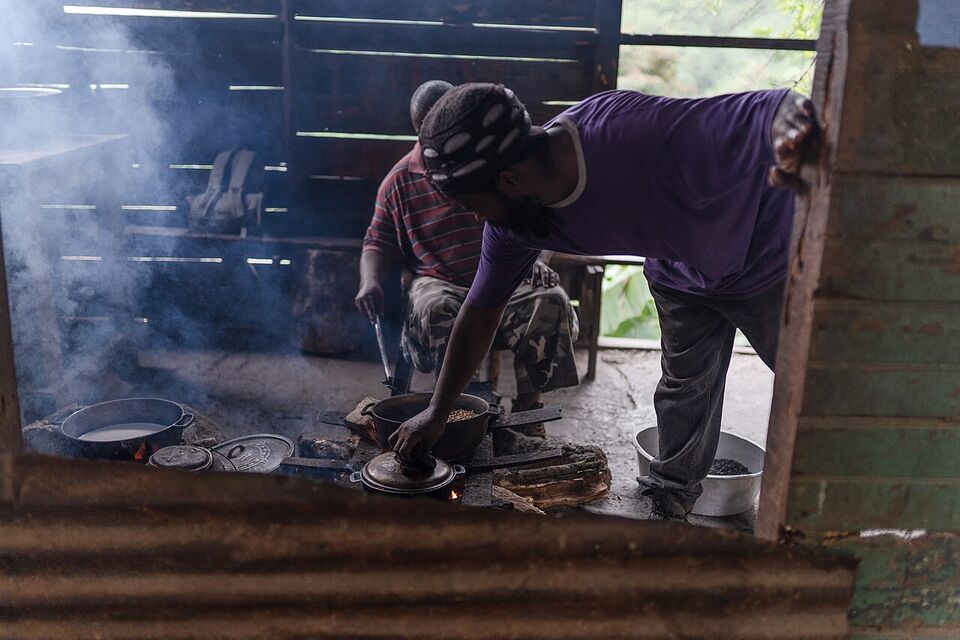
Jamaican rum is known for strong, flavorful styles, and distilleries sell bottles at the estate. Appleton Estate has reopened its rum experience, Tuesday to Saturday, 9 a.m. to 3:30 p.m.; check the estate's site for the current price. Hampden Estate lost most of its roofs to Hurricane Melissa (no aged rum was lost), so check whether tours have resumed before you plan a visit. Supermarkets and the airport shops sell a wide range, often at similar or lower prices than estate shops.
Alcohol taxes were raised in the February 2026 budget, so do not expect old price lists to be right. Keep within the customs limit explained below, and wrap bottles well. See also rum, coffee and drinks.
Jerk seasoning, sauces and spices
Jerk seasoning (a blend including allspice, called pimento in Jamaica, and Scotch bonnet peppers), pepper sauce, curry powder, allspice berries and hot sauces are light and travel well. Dry seasonings are the easiest to carry, while sauces in glass bottles need wrapping and, in a carry-on, must meet the 3.4-ounce liquids rule for flights, so pack them in checked bags. Check labels: ready-made sauces that contain meat may be restricted at the US border, so choose vegetable-based products and keep them sealed.
Crafts, art and wearables
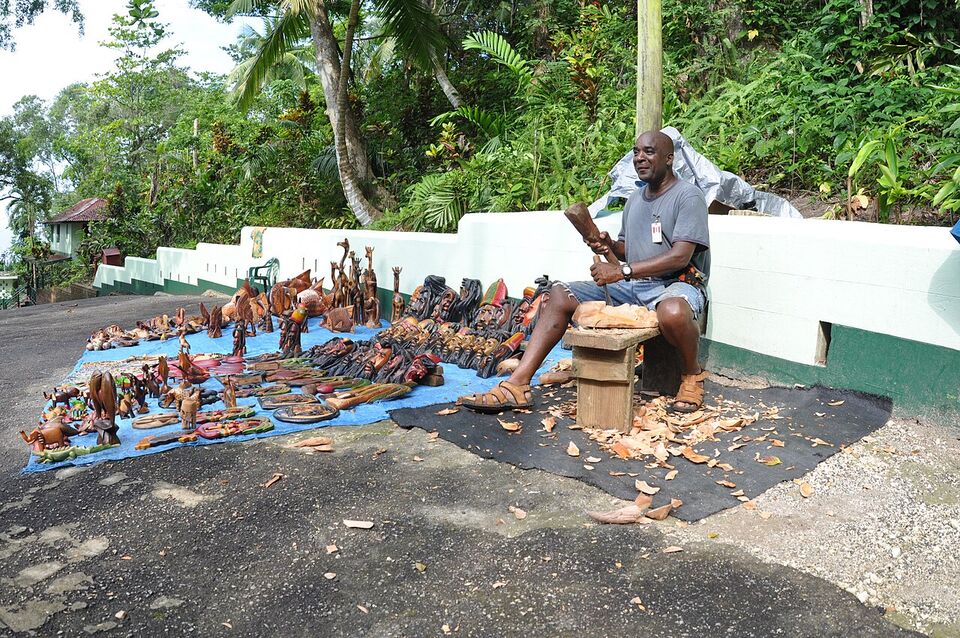
Wood carvings, woven baskets and hats, jewelry, batik and screen-printed clothing, and leather sandals are the main craft items. At craft markets you will meet the artisans themselves, and buying directly puts money in their pockets. Look at the finishing: carvings should be smooth, baskets tightly woven and seams neat.
Fine art is better bought from galleries and artist studios, where you can ask about the artist and get a receipt. Paintings and prints roll easily into a tube, and many galleries will pack and ship. For a fuller sense of the art scene, see the Kingston sights guide for the National Gallery of Jamaica, whose opening hours and prices you should check before a visit.
Watch out
Do not buy anything made from coral, sea turtle shell, or other wildlife, including some shell jewelry. US wildlife laws bar many such items, and they can be seized at the border. If an item looks like turtle shell or black coral, leave it. Check the US Fish and Wildlife Service rules if in doubt.
Books and music
Reggae, dancehall and ska are everywhere, and it is easy to take the music home on vinyl or CD. The Bob Marley Museum in Kingston runs tours of the studio at Tuff Gong, and record shops in Kingston sell Jamaican pressings; check hours before you go. See reggae and Bob Marley for where to go. Buy CDs and vinyl from established shops.
For books, look for poetry by Louise Bennett-Coverley (Miss Lou), who wrote in Jamaican Patois, and dictionaries and phrase books on the language. Jamaican Patois (Patwa) is a language with its own grammar, and a good book about it is a better souvenir than a T-shirt of clichés. Our Patois phrases guide is a start. Bookstores in Kingston and Montego Bay and museum shops carry Jamaican authors.
Markets and craft vendors
Craft markets operate in Montego Bay, Ocho Rios and Kingston, and many are near the cruise piers and tourist areas. Hours, vendor numbers and locations changed after Hurricane Melissa, especially in the west. The Tourist Board's attractions list in November 2026 showed the Ocho Rios, Olde, Coconut Grove and Dunn's River craft markets and the Old Fort market in Montego Bay open, but the Harbour Street, Holiday and Seaboard Street markets in Montego Bay and the Negril Craft Market closed. Ask your hotel before you go. The Tourist Board events calendar has also listed a "Craft with a Difference" fair in Ocho Rios (Turtle River Park) in late November; check the year and date.
Craft market vendors can be persistent. A calm "no, thank you" with a smile is enough, and you can say you will look around first. If you want something, ask the price, look at it properly and compare a couple of stalls before you buy.
Take cash. Most vendors take US dollars and Jamaican dollars, rarely cards. Bring small bills in both, since change in J$ may come at a poor rate. At local markets and cookshops, prices are in J$, such as a J$500 (about US$3) item. ATMs give J$; use bank ATMs inside banks, malls and the airport.
How to haggle politely
At craft markets and with street vendors, the first price is rarely the last, and a polite bargain is part of the exchange. Greet the seller, admire the work, and ask "What is your best price?" Offer a little lower and settle somewhere between. Smile, and do not start by dismissing the item.
- Do not haggle in fixed-price shops, supermarkets, galleries with price tags or restaurants.
- Do not bargain so hard that the artisan's work is worth less than the materials. A few dollars matters more to them than to you.
- If you are not buying, say so kindly and move on. Do not give a price you are not willing to pay.
- Ask before you photograph a vendor or their goods.
- Pay the agreed price in the currency you agreed, and count your change.
Save money
Buy from several vendors, not just the first on the path. Items at a pier-side market are often priced higher than at town markets, and buying two or three things from one seller gives you the best chance of a better price.
Duty-free shops
Jamaica has duty-free shops at the airports, in resort areas and near cruise ports, selling rum, coffee, jewelry, perfume, cigars and watches. Duty-free shopping is for departing visitors: you need your passport and boarding pass or cruise documents, and the shop usually hands you a sealed bag. Prices are not always lower than in a supermarket or at home, so compare before you buy, especially for rum and coffee.
Liquids bought at duty-free and sealed in a tamper-evident bag can often go through security on a connecting flight if you keep the bag sealed and the receipt inside, but rules vary by airport and route. Ask the shop and check TSA guidance. If you will connect in the US, pack bottles in your checked bag unless the shop confirms the sealed bag is fine.
When you arrive in Jamaica, visitors have their own duty-free allowance of US$1,000 for personal and household goods, and a limit of 1 liter of spirits and 1 liter of wine; see entry requirements for the customs rules going in.
US Customs: what you can bring home
U.S. Customs and Border Protection (CBP) sets the rules for returning residents. The numbers below are from CBP's customs duty information page, and you should check cbp.gov before you travel in case anything changes.
| Item | Rule | Notes |
|---|---|---|
| Personal exemption | US$800 per person | Based on fair retail value; you can claim it again after 31 days; eligibility depends on time abroad |
| Alcohol | 1 liter duty-free | You must be 21 or older, it must be for personal use and legal in your arrival state; counts toward the US$800; more is dutiable and states may be stricter |
| Tobacco | Up to 200 cigarettes and 100 cigars in the exemption | Check state limits and Cuban-origin rules |
| Fresh fruit, vegetables, plants | Restricted | Usually not allowed without permits; declare all food |
| Meat | Restricted | Do not pack meat or meat-based products |
| Ackee | Canned only, from approved firms | FDA import alert applies to ackee; see below |
| Cannabis | Prohibited | Illegal under US federal law |
| Coral, turtle shell, other wildlife | Mostly prohibited | Seizure and fines are possible |
The food rules above follow the standard principle that you must declare all food and that fresh produce and meat are restricted; check CBP's agricultural pages if you are carrying anything unusual. Declare everything on your customs form: honest declarations are rarely a problem, and failing to declare can bring a fine.
Different from home
The US$800 exemption is a customs allowance, not a purchase limit. You can buy more than US$800 of goods, but the extra is dutiable. Jamaica's own arrival allowance for visitors is US$1,000, which applies when you enter Jamaica, not when you leave.
Ackee
Ackee is Jamaica's national fruit, and the main ingredient of ackee and saltfish. Unripe or improperly prepared ackee is toxic because it contains hypoglycin. The US Food and Drug Administration has an import alert (revised April 2025) that allows detention of ackee products unless they come from approved firms; several approved firms are in Jamaica. For a traveler, the practical rule is to buy only commercially canned ackee from a well-known Jamaican brand, keep it sealed and declare it. Do not bring fresh ackee. We did not find a traveler-specific rule from CBP, so check with CBP if you are unsure.
Cannabis
Small amounts of cannabis are decriminalized in Jamaica, but it remains illegal under US federal law. Do not carry any cannabis, edibles or related products into the US. Customs treats it as a drug offense. We do not give tips on buying it. See is Jamaica safe? and the entry guide for how the law applies in Jamaica.
Where to shop, by area
Each base has its own mix, and your plans decide where you will have time. Do not plan a long shopping trip around a market you have not checked: some stalls and buildings were damaged by the storm, and opening hours vary.
- Montego Bay: the Hip Strip (Gloucester Avenue) has shops, galleries and craft vendors, and the Rose Hall area has a shopping complex. Supermarkets are the best place to buy sauces, spices and rum at fair prices. See Montego Bay.
- Negril: beach and West End vendors sell hair braiding, jewelry and clothing. Prices are negotiable, and so is the pace: you can say no and keep walking. See Negril.
- Ocho Rios: the craft market and shops near the cruise port are busy, so go early on cruise-ship days (Wednesday to Friday). See Ocho Rios and Runaway Bay.
- Kingston: museum shops, record stores, galleries and supermarkets are the best bets for music, books and art. See Kingston.
- Blue Mountains: coffee estates and farm shops sell the freshest coffee, if the roads and the tours are running.
Hours at shops vary, and many close on Sundays and public holidays. The next ones are Christmas Day (Friday, December 25, 2026) and Boxing Day (Saturday, December 26), and then New Year's Day (Friday, January 1, 2027). Grand Market, held in towns on Christmas Eve (December 24), is lively but crowded and can change from year to year.
Gift ideas and how to pack them
A little planning before you buy saves a lot of stress at the airport. Think of weight, fragility and what the airline and customs will accept.
- Light and sturdy: coffee, dry spice blends, T-shirts, jewelry and prints. These fit in a carry-on or the corner of a suitcase.
- Fragile: glass bottles of rum or sauce, pottery and framed art. Wrap them in clothing, use a hard-sided case if you can, and put them in the middle of your checked bag.
- Bulky: carvings and baskets. Ask the seller to pack them, and check airline size limits, or ship them.
- Sentimental: a book of Jamaican poetry, a record by an artist you saw live, or a print from a local gallery, which tell a story better than a mass-produced souvenir.
Leave room in your bag on the way out, or bring a foldable duffel. Many airlines charge for a second checked bag, so check the cost, and remember that rum counts toward the liter you may bring in duty-free. Buying from shops that give receipts also helps if you have to prove value at customs.
Finally, spend where it helps. After Hurricane Melissa, craft vendors, farmers and small shops lost income, and buying directly from them is one of the most practical ways a visitor can support the recovery. See Jamaica after Hurricane Melissa for how the island is doing.
Shipping things home
If an item will not fit in your suitcase, such as a large carving or a framed painting, you can ship it. Good galleries and craft sellers will crate and ship for you, and international couriers and the national post office also operate. We could not confirm current rates or customs handling times, so get a written quote, ask who pays duties, and keep your receipt.
Do not ship rum or other alcohol, food, plants or anything perishable unless the seller is an established exporter with the right paperwork, because carriers refuse many such shipments and customs can hold or destroy them. Insure valuable items. Be sure the shipping address and phone number are right, and take photos of the item and the packing. For heavy or fragile purchases, a gallery's recommended shipper is usually the safest choice.
Before you leave
- Keep receipts for everything you buy, for CBP and for any insurance claim
- Pack bottles in checked baggage, wrapped in clothing, unless sealed duty-free
- Check that coffee is certified Jamaica Blue Mountain and sealed
- Leave fresh fruit, meat, plants and any cannabis behind
- Avoid coral, shell and turtle products
- Keep your total within the US$800 exemption or be ready to pay duty
- Declare all food and alcohol on your customs form
Last, give yourself time at the airport. Duty-free shopping, security and the departure formalities at Sangster can take a while in high season; the Montego Bay airport guide explains the layout. And if you are on a cruise, the cruise guide covers shopping time near the piers.
Add it to a route in the trip builder, or ask us to plan the hotels, trains and guides for you.