The south coast in brief
Jamaica's south coast is the quiet side of the island: fishing beaches instead of resort strips, community-run guesthouses instead of all-inclusives, and long drives between small places. The center of it is Treasure Beach in St. Elizabeth, a string of fishing bays where most travelers base themselves. Around it are Black River and its safari boats, YS Falls, the Appleton rum estate, the Pelican Bar, Lover's Leap and the seafood villages of Alligator Pond.
It is also one of the parts of Jamaica that Hurricane Melissa hit hardest. The storm came ashore on October 28, 2025, as a Category 5 hurricane at New Hope in Westmoreland, and St. Elizabeth, Westmoreland, St. James and Hanover took the heaviest damage. A year later, some places are open, some are partly open and some are still being rebuilt. This guide tells you what we could confirm as of November 2026 and what you should check before you go.
If you want beaches with resort comfort, look at Negril or Montego Bay. If you want a slower, more local stay, the south coast fits. Visiting also matters here. Tourism jobs are how many families in St. Elizabeth and Westmoreland are rebuilding, and we say more below in the recovery section.
Where the south coast stands after Hurricane Melissa
The honest picture is mixed. Government and press reports from January to April 2026 describe attractions reopening one by one: YS Falls reopened on January 24, 2026, with three pools and the waterfall open and thinner greenery than before; Black River Safari reopened at reduced scale in December 2025 and was welcoming visitors again by April 2026 (the Tourist Board's list showed it open in November 2026); the Appleton Estate Rum Experience was among the attractions the Ministry listed as having resumed; and the Pelican Bar was rebuilt and reopened. In Treasure Beach, several beachfront restaurants and the Captain Dennis, Lobster Pot and Captain Joseph's businesses were reported reopened or reopening in January 2026. In Black River town, Rudy's Jungle Bar was still being rebuilt at that time.
That means "open" can mean different things. A restaurant may have a temporary kitchen. A guesthouse may have rooms but a roof in progress. A beach may have fewer trees and more debris than in photos from before 2025. The State Department's advisory also notes that Black River and Montego Bay were "in varying stages of recovery" in January 2026.
The Jamaica Tourist Board's hotel reopenings list shows most south coast hotels as open. It lists Sandals South Coast (at Whitehouse in Westmoreland) as reopening on November 18, 2026, and two south coast properties, Luna Sea Inn and Platinum Hotel, as closed. Dates on that page change, so check it directly. The island-wide picture is on our Jamaica After Hurricane Melissa page.
Watch out
Do not rely on older photos, blog posts or review sites for this region. Many were written before the storm. Confirm by phone or message that your hotel, restaurant, boat operator or attraction is open on your dates, and ask what is different now. Bamboo Avenue, for example, lost its famous tunnel of bamboo, as described below.
Why a visit helps, and how to do it well
The south coast has few large hotels. Its tourism is made of small businesses: a woman's cooperative, a family guesthouse, a boat captain, a farmer who also cooks lunch. Those businesses lost income for months after the storm, and many owners were repairing their own homes at the same time. Visitors who arrive and spend money locally are one of the clearest ways to support the recovery.
- Stay local. Choose a guesthouse or small hotel over a day trip from the north coast. A night or two in Treasure Beach puts money directly into the community.
- Eat and shop locally. Buy fish from the beach, eat at community restaurants, and hire local guides and boat captains who work through recognized cooperatives or the venue itself.
- Ask before you photograph. Damaged homes and rebuilding sites are people's property, not scenery. Never treat the damage as a photo opportunity.
- Be flexible. If a place is closed or a road is blocked, take it calmly. Slow service is not rudeness.
- Tip fairly. Read the bill for service charges and tip in cash to individuals who serve you directly.
Treasure Beach
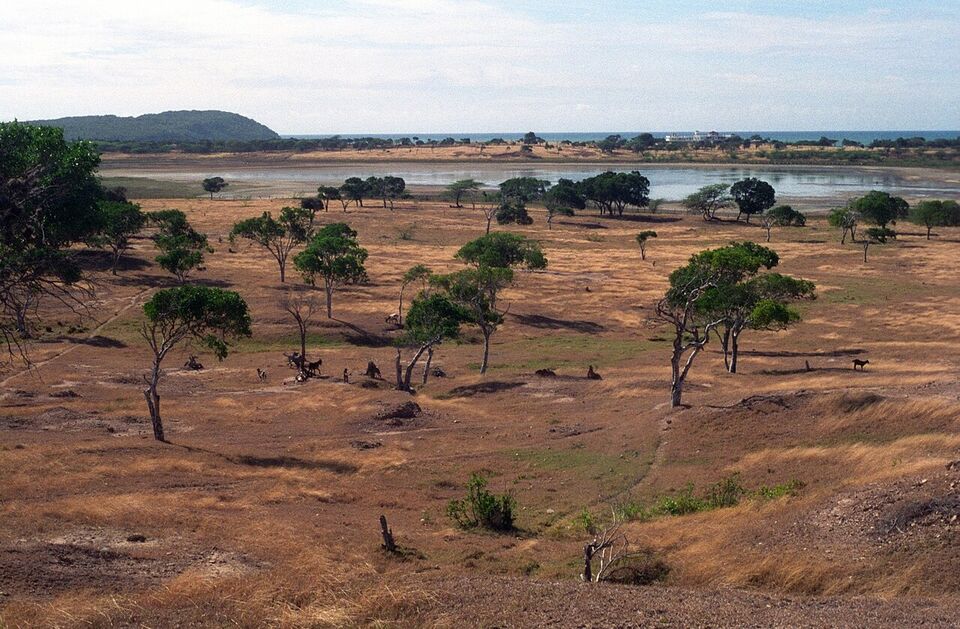
Treasure Beach is not one beach but a stretch of small bays and villages (Frenchman's Bay, Billy's Bay, Calabash Bay and Great Bay are among the names) along the coast of St. Elizabeth, with dark golden sand, local fishing boats pulled up on the shore and a small number of guesthouses and restaurants spaced out along the road. It is known for community tourism: many accommodations, restaurants and activities are run by local families and cooperatives, and visitors usually meet the people who own the place.
The setting is rural. The sea can be rougher than on the north coast, with currents that are not predictable, and lifeguards are not guaranteed. Ask locals which bay is calm that day and do not swim alone. For other beaches see Beaches in Jamaica.
Things to do in and around Treasure Beach include walking the shoreline at dawn when the fishing boats come in, taking a day with a local fisherman, visiting a farm or bush walk through a community tour, and watching the sunset over the Caribbean. The area is also home to the Calabash Literary Festival, usually held in late May in odd-numbered years, so 2027 would be a festival year. We have not seen 2027 dates announced, so check before you plan around it.
Small hotels and guesthouses
Treasure Beach's accommodation is mostly small: guesthouses, boutique hotels of a dozen rooms or fewer, and villas, in the style of the long-established family-run places that put the area on the map. We do not name properties here because their 2026 status changes. Use the Tourist Board's hotel reopenings page, then contact the property directly.
- Guesthouses $: simple rooms, often with breakfast and a family atmosphere.
- Small hotels and boutique stays $$: a pool, a restaurant and a more polished setting.
- Villas $$ to $$$: good for groups; island-wide, villas and apartments are recovering more slowly than hotels (about 60-70% in late 2026), so confirm the property is operating.
Hotels pay a reduced 10% GCT until March 31, 2027, rising to 15% from April 1, 2027, and short-term rentals become liable from April 1, 2027. There is also a small per-room nightly tax of US$1-4 (by hotel size) as of 2026; check your booking. See Where to Stay in Jamaica.
Insider tip
Treasure Beach has little in the way of nightlife, taxis or ATMs compared with Negril. Bring enough small J$ notes, ask your host about a reliable driver, and arrange meals ahead if you are staying somewhere off the main road.
Pelican Bar
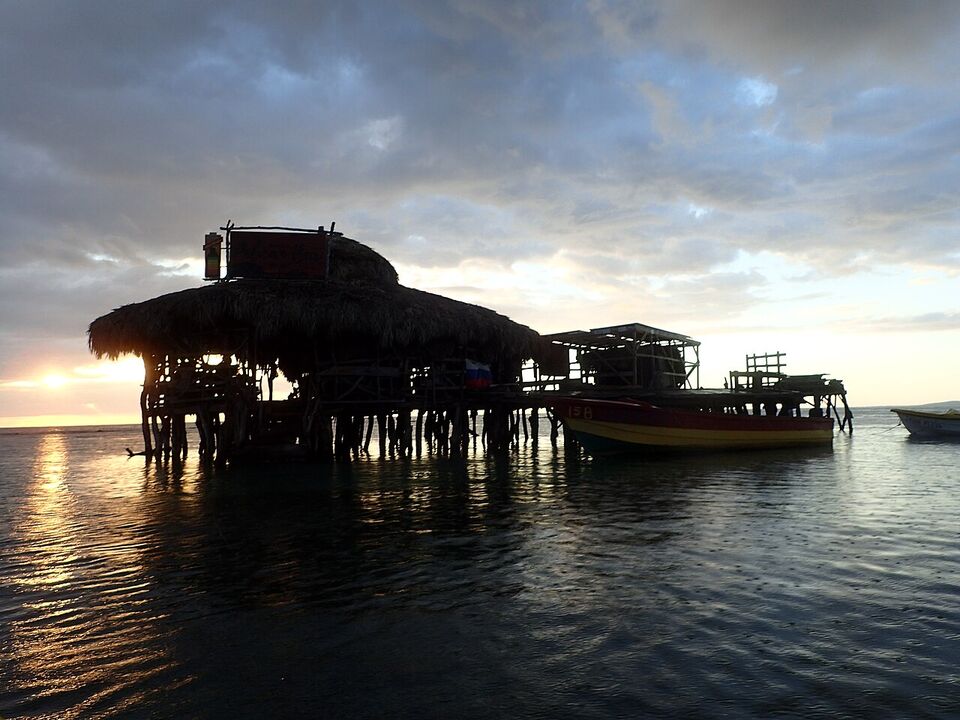
The Pelican Bar is a small wooden bar built on stilts on a sandbar in the sea, roughly a mile out from the shore off Parottee in St. Elizabeth. You get there by boat from Parottee Beach, and the bar sits in shallow water where you can stand and swim. It is one of the south coast's best-known stops.
The storm damaged it badly, but it has been rebuilt. The Observer reported its reopening in February 2026, with support from a Jamaican brewer, and the Gleaner reported in April that it was open again and running on solar power, since the village has no grid electricity. The owner told the Gleaner it was not fully recovered and that he feared another storm. Check hours and prices locally.
- Getting there: boats leave from Parottee. Agree the fare and the return time before you board, and ask whether the boat waits for you.
- What to expect: a simple bar with drinks and basic food, shallow water and not much shade. Bring sun protection, cash in small notes and water shoes.
- Safety: do not go in rough seas, ask whether the boat has life jackets and do not swim after drinking. Check the weather and the day's conditions with the boat captain.
Parottee is a small fishing community that has not fully recovered. Treat it as a village, not an attraction, and buy from local vendors.
Black River and the safari
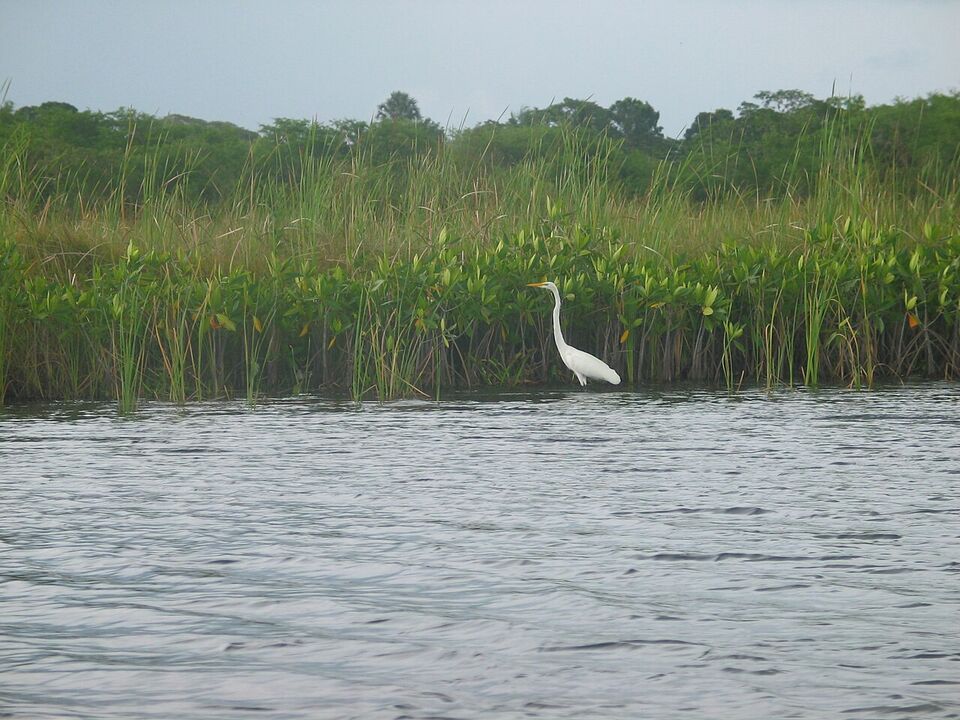
Black River is the parish capital of St. Elizabeth, a small port town on the river of the same name, which is commonly described as Jamaica's longest navigable river. The river flows through mangroves and wetlands where American crocodiles and many birds live. The town was one of the places hit hardest in October 2025, and the State Department's advisory described it as being in varying stages of recovery in January 2026.
The Black River Safari is a boat trip up the river, with a guide pointing out crocodiles, birds and plants. The Observer reported on December 19, 2025, that Black River Safari Tours reopened that day at reduced scale (two of six boats, with the crocodile nursery closed) and expected full restoration by the end of January 2026. A rival operator was still closed at that time. A government release reported in April 2026 said Black River Safari was welcoming visitors again. The Tourist Board's list showed it open in November 2026; confirm prices, boat numbers and the nursery with the operator when you plan.
Crocodiles are wild animals, so follow the guide's instructions, keep hands and cameras inside the boat and do not feed or touch them. For other nature trips, see Hiking, Waterfalls and the Outdoors.
YS Falls
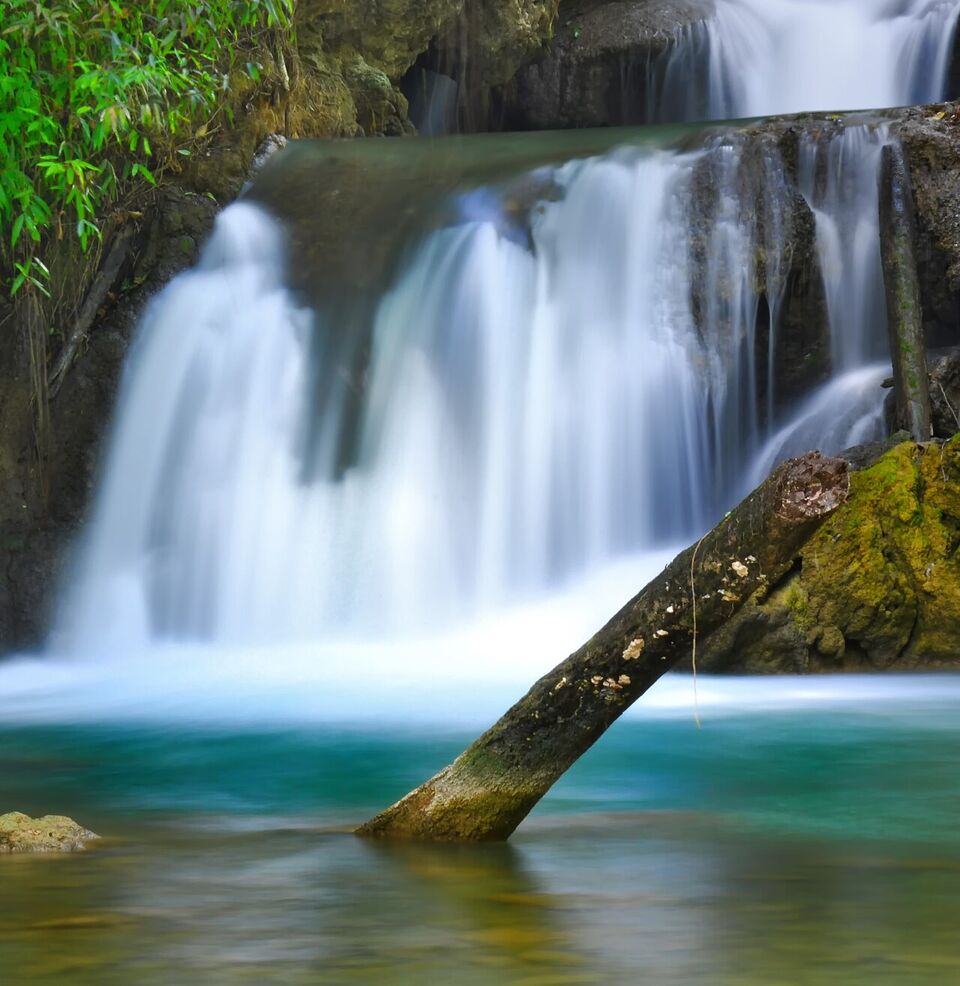
YS Falls, in St. Elizabeth, is a series of cascades and pools in a landscaped estate, where you can swim in several of the pools and use a rope swing at some of them. Overseas visitors pay US$25 for an adult and US$16 for a child aged 3-15; the Jamaican resident rate is lower and requires ID. It is open 9:30 a.m. to 3 p.m. and closed on Mondays and local public holidays. Admission closes when the site reaches its carrying capacity. The phone number is +1 876-997-6360.
The estate reopened on January 24, 2026, with three pools and the waterfall open and thinner vegetation than before. The Government said in April that it was welcoming visitors. The canopy ride is closed until further notice. If you see a canopy ticket advertised, ask. Bring water shoes, a towel and a dry bag.
It makes an easy full-day trip from Treasure Beach or Negril (about 1.5 to 2 hours each way from Negril). If you are in Negril for a few nights, see our Negril guide for the combined option. Avoid swimming in fresh water after heavy rain because of leptospirosis risk; an outbreak was declared after the storm in November 2025.
Appleton Estate
The Appleton Estate, in the hills of inland St. Elizabeth, is one of the best-known rum distilleries in Jamaica. The Appleton Estate Rum Experience is open Tuesday to Saturday, 9 a.m. to 3:30 p.m., according to the estate's official visitor page, and walk-ins are welcome, though reservations are recommended for groups of 15 or more. A Ministry release in April 2026 listed it among the south coast attractions that had resumed operations.
The estate's page does not list a price, so check the current price with the estate. Phone +1 876-448-2237 or +1 876-850-0090, or email appletonrumtour@campari.com, to confirm availability. If you drink rum on a tour, arrange a driver in advance. Jamaica drives on the left, and the roads are narrow. For rum tours in general see Rum, Coffee and Drinks.
Customs reminder: the US duty-free allowance for returning residents is 1 liter of alcohol if you are 21 or older, within the US$800 personal exemption. Jamaican customs allow 1 liter of spirits and 1 liter of wine on arrival.
Lover's Leap, Alligator Pond, Bamboo Avenue and Little Ochie
Lover's Leap
A cliff viewpoint high above the sea, known for its sweeping views and a local legend of two lovers. The Tourist Board's tours list showed Lover's Leap as open in November 2026; ask locally about access and fees before detouring.
Alligator Pond
A working fishing village on the coast. It is known for fresh seafood and the food stalls along the shore. Expect a simple, local setting rather than a resort-style dining room.
Bamboo Avenue
A stretch of road once shaded by a tunnel of tall bamboo. A road-trip source reports that Hurricane Melissa flattened the canopy, so do not expect the green tunnel of older photos. The road and the area are still worth passing through.
Little Ochie
A seaside seafood restaurant in Alligator Pond, known for fish and lobster cooked to order. It is not on the Tourist Board's list, so call ahead for hours and prices.
Another stop on the road is Middle Quarters, where roadside sellers are known for pepper shrimp. Buy fresh, eat it hot and drink bottled water. See Jamaican Food for what to eat.
Getting there and driving times
The south coast has no airport with scheduled international service. Most visitors fly into Sangster International (MBJ) in Montego Bay or Norman Manley International (KIN) in Kingston and drive.
| From | To | Typical drive |
|---|---|---|
| Montego Bay airport | Treasure Beach | About 2-2.5 hours |
| Kingston | Treasure Beach | About 3 hours |
| Treasure Beach | Negril | About 3 hours |
| Negril | YS Falls | About 1.5-2 hours |
Times are typical, not official, so allow more for traffic, repairs and slow trucks. Some damaged roads in the west are still being repaired. Driving between towns at night is best avoided, because roads are narrow and winding, with potholes and little lighting.
- Private driver or transfer: the easiest option for a first visit. Agree the price in advance; ask your host for a recommendation.
- Rental car: a valid US license is fine for up to three months. Drive on the left, watch for potholes and sound the horn on blind bends. See Driving in Jamaica.
- Knutsford Express: its stops include Mandeville and Luana. We found no Treasure Beach stop, so expect to take a local taxi for the last leg; check knutsfordexpress.com.
- Route taxis: red PPV plates, cheap and paid in J$, but slow and crowded for luggage.
Fuel is sold by the liter at attendant-served stations, a little over J$200 (about US$1.30) a liter in November 2026, roughly US$5 a US gallon. Pump prices differ, so treat this as a guide. Fill up in larger towns before heading to Treasure Beach. See also Getting Around Jamaica.
Safety and practicalities
The State Department rates Jamaica Level 2, "Exercise Increased Caution," reissued January 17, 2026. It names higher-risk areas in several parishes, including parts of St. Elizabeth and Westmoreland, and US government staff may not use public buses or drive between cities at night. Read the current list on travel.state.gov before you go, rather than relying on ours. See Is Jamaica Safe?.
- Use licensed transport or a driver recommended by your host.
- Keep valuables out of sight and lock doors.
- Do not go to remote beaches or waterfalls alone.
- Carry bottled water, insect repellent and sunscreen; dengue and chikungunya occur.
- Carry enough J$ cash. ATMs and card readers may be limited, and power can be unreliable in places.
- Buy travel insurance with medical evacuation. Care is limited in rural areas, and private hospitals usually want payment up front.
Emergency numbers are 119 for police and 110 for fire and ambulance. The US Embassy is in Kingston (+1 876-702-6000).
A simple three-night plan
- Day 1
Drive to Treasure Beach
Allow 2 to 2.5 hours from Montego Bay airport. Stop at Middle Quarters for pepper shrimp if you like, check into your guesthouse and watch the fishing boats at dusk.
- Day 2
Black River and the Pelican Bar
Take a safari boat up the Black River in the morning, then head to Parottee for a boat out to the Pelican Bar. Confirm both are running.
- Day 3
Appleton or YS Falls
Choose either a rum tour (Tuesday to Saturday) or YS Falls (closed Mondays). Doing both in one day is possible but rushed. Drive back or on to Negril the next morning.
For wider planning, see Jamaica's Destinations and Hurricane Season in Jamaica, which covers the risks and insurance.
Add it to a route in the trip builder, or ask us to plan the hotels, trains and guides for you.