Zurich · Lucerne · Interlaken · Zermatt · Geneva
Switzerland,planned for Americans.
Zurich, Lucerne, Interlaken, Zermatt, the lakes, the mountain railways and the Swiss Travel Pass, explained in plain English with prices in Swiss francs and dollars, with the trains, passes, entry rules and money habits that trip Americans up. In-depth guides, verified November 2026.
Photos: Roy Egloff, CC BY-SA 4.0 · Roy Egloff, CC BY-SA 4.0 · chensiyuan, CC BY-SA 4.0 · Llez, CC BY-SA 3.0 · Lorenz Poffet, CC BY-SA 4.0 · Kabelleger / David Gubler, CC BY-SA 3.0 · Daniel Kraft, CC BY-SA 3.0 · Daniel Kraft, CC BY-SA 3.0 · John Samuel, CC BY-SA 4.0 · John Samuel, CC BY-SA 4.0
Before you book
Ten things every American should know
Ready-made routes
Four classic first trips
Each route links to the guide with the details: where to stay, how to get around and what to book ahead. Times are rounded planning figures, not timetable readings, and the timetable changes on December 13, 2026, so check the SBB app. Or use the trip builder for your own dates.
First trip: Zurich, Lucerne, Interlaken and Zermatt
DAY 1 Land at Zurich Airport and take the train to Zurich Hauptbahnhof, about 10 minutes. Keep the first afternoon light, because hotel rooms are rarely ready before 2 or 3 p.m.
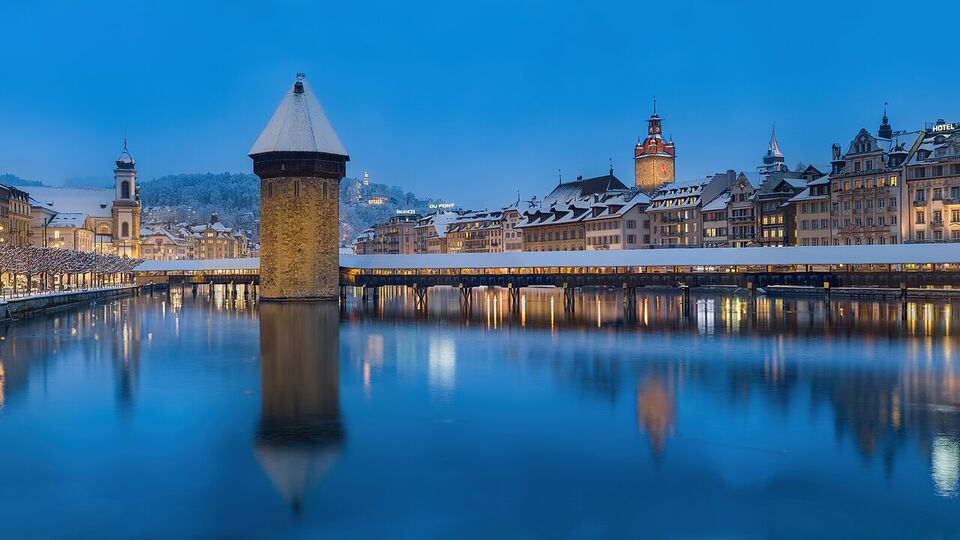
DAYS 2–3 Lucerne, about 45 minutes by train from Zurich: the Chapel Bridge, a lake boat and one mountain, such as Rigi (included with the Swiss Travel Pass) or Pilatus
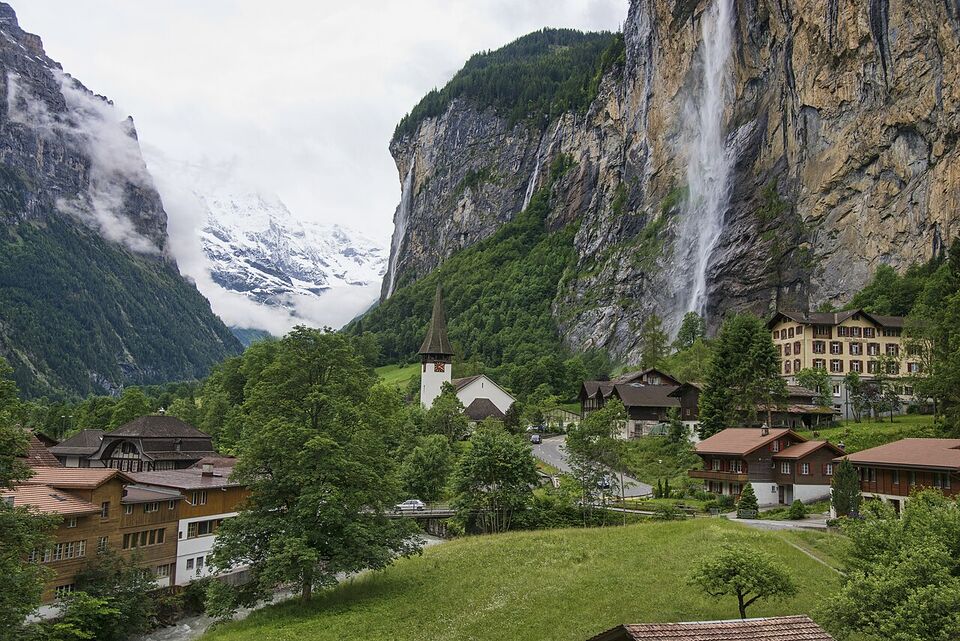
DAYS 4–5 Interlaken, roughly two hours from Lucerne on the scenic Luzern-Interlaken Express. The Jungfraujoch is about 1 hour 30 minutes each way from Interlaken Ost, on a clear day
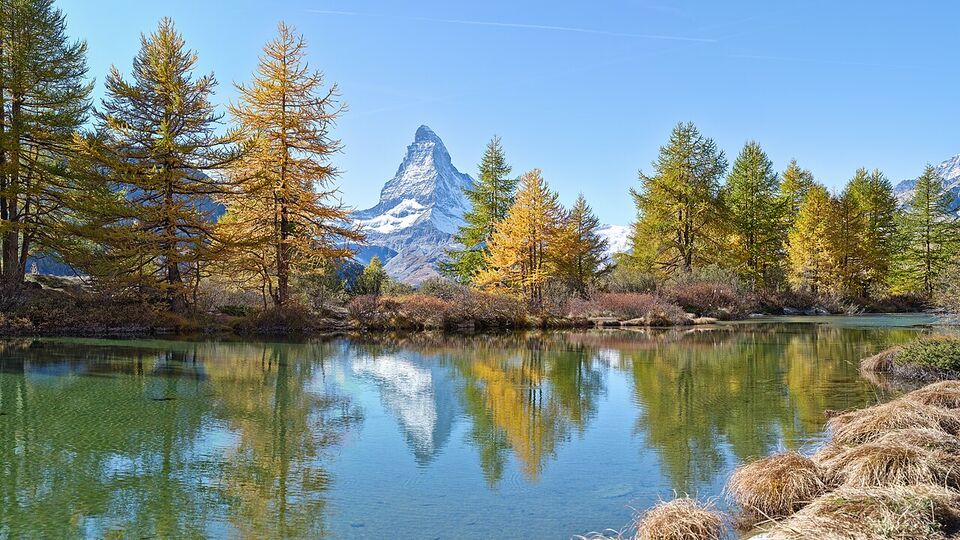
DAYS 6–7 Zermatt, by train with a change at Visp, roughly 3 hours 30 minutes to 4 hours from Zurich. The village is car-free, and the Gornergrat railway gives the classic Matterhorn view
DAY 8 Train back toward Zurich Airport. Allow most of a day and a margin before a transatlantic flight
Lake Geneva: Geneva, Lausanne, Montreux and Gruyères
DAY 1 Land at Geneva Airport, which has its own station with a short ride to Cornavin. Keep the first afternoon light
DAY 2 Geneva: the Jet d’Eau, the old town and the lakefront. Hotel guests get a free Geneva Transport Card for the stay
DAY 3 Lausanne, then Lavaux, the UNESCO vineyard terraces between Lutry and Vevey, best done on foot with trains. Lake towns run 40 minutes to about 1 hour apart by train
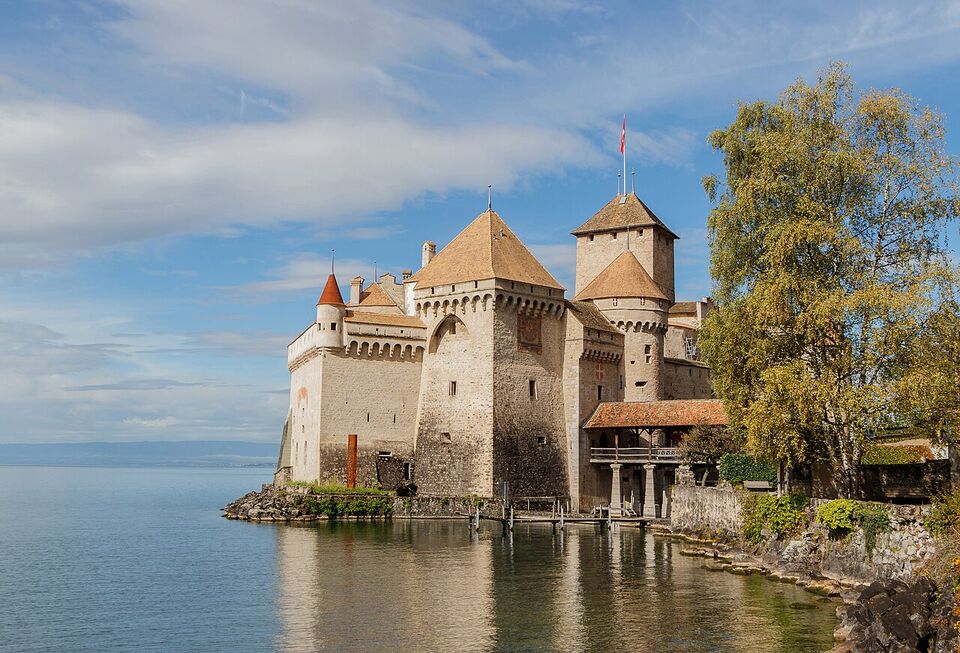
DAY 4 Montreux and the Château de Chillon (adults CHF 15, about $18). From November 20, 2026, the Montreux Riviera Noël market runs to December 24
DAY 5 Gruyères, a walled hilltop village and castle, about 1 hour 30 minutes each way from Lausanne by train and bus. Check castle and dairy hours first
DAY 6 Train back to Geneva Airport
The scenic trains: Glacier Express and Bernina Express
DAYS 1–2 Zermatt, with a Gornergrat railway ride (return from CHF 102, about $120, half price with a pass)
DAY 3 The Glacier Express from Zermatt to St. Moritz, about 8 hours. A seat reservation with a surcharge is mandatory even with a pass. Choose a clear-weather day, or ride a shorter segment
DAYS 4–5 St. Moritz and the Engadine, with the Bernina Express from Chur or St. Moritz to Tirano, Italy, about 4 hours. Panoramic cars need a reservation, and regular trains on the line do not
DAY 6 Ticino and Lugano, an Italian-speaking lake city. Lugano is roughly 1 hour 40 minutes to 2 hours from Zurich
DAY 7 Back to Zurich or Lucerne for your flight. Confirm 2026-27 running dates at rhb.ch and sbb.ch before you pay
One base and day trips: Lucerne or Interlaken
DAY 1 Land at Zurich Airport, then take the train to Lucerne, about 45 minutes from Zurich Hauptbahnhof. Unpack once and stay put
DAY 2 Lucerne on foot: the Chapel Bridge, the old town and a lake boat (scheduled boats are covered by the Swiss Travel Pass)
DAY 3 Rigi or Pilatus. Rigi is free with a pass, and Pilatus costs CHF 84 (about $100) in summer or half price with a pass. Both are seasonal, so check the operator
DAY 4 A train day trip, such as the Rhine Falls from Zurich or the Jungfraujoch if you base in Interlaken instead. About 2 hours each way is the practical limit for a day trip
DAY 5 Train to Zurich Airport. Two or three hotels and day trips cost less time than a new bed every night
Open a route in the trip builder: first trip · Lake Geneva · scenic trains · one base and day trips
Where to go
Find your Switzerland
The list
17 experiences worth the trip
From the famous to the quieter ones. Each links to the guide with timing, tickets and costs. Prices are as of November 2026, several change in December, and where we could not confirm a price or an opening, we say to check.
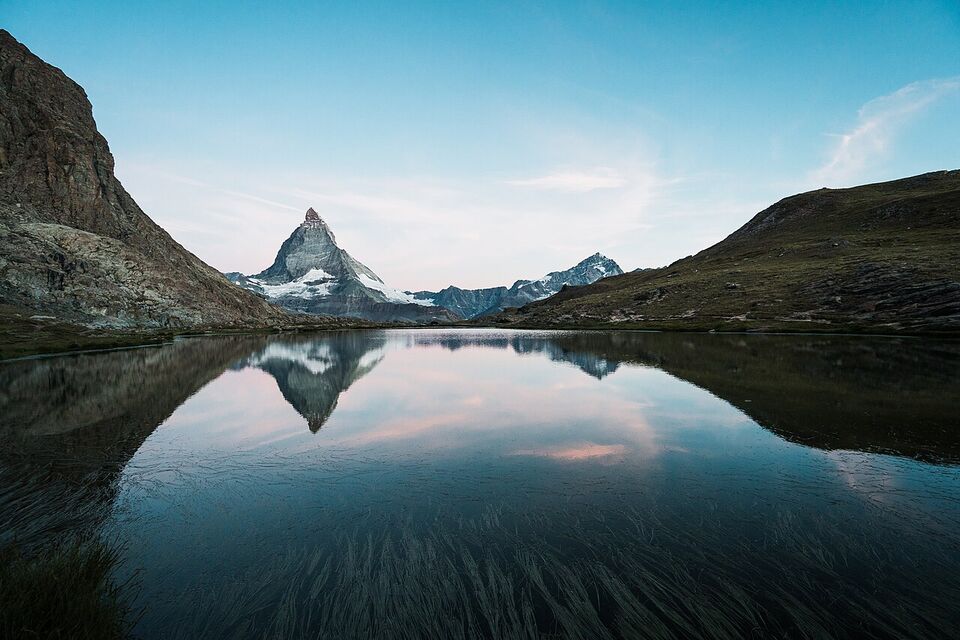 01See the Matterhorn from the GornergratZermatt · railway return from CHF 102 (about $120), half price with a Swiss Travel Pass
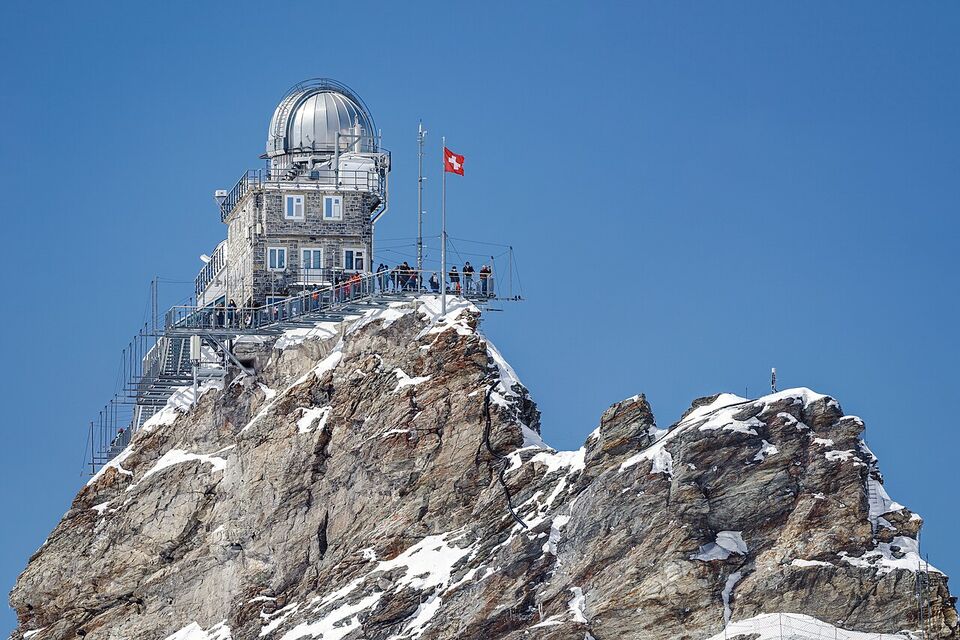 02Go up to the Jungfraujoch on a clear dayInterlaken · from CHF 129.60 (about $155) from Grindelwald Terminal, station at 11,332 ft
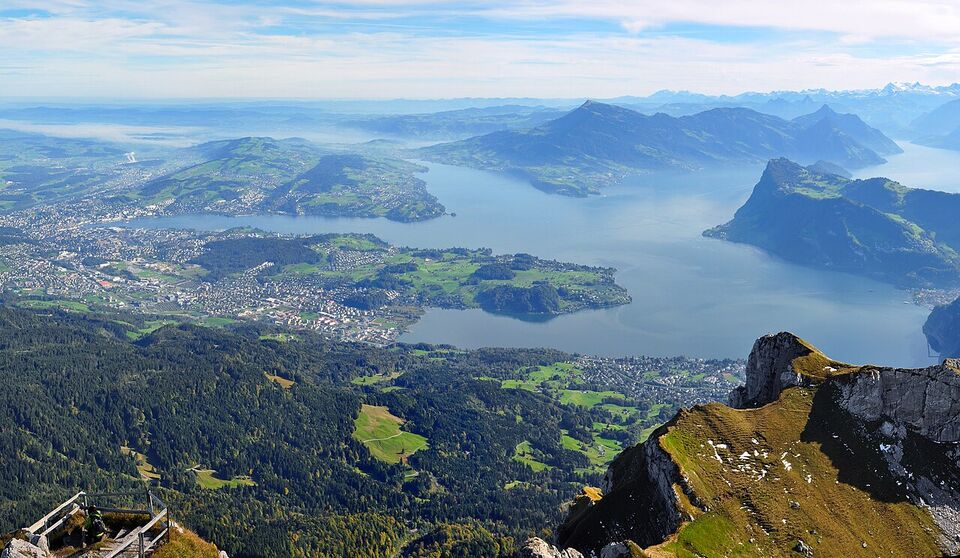 03Ride up Pilatus above Lake LucerneLucerne · summer return CHF 84 (about $100), seasonal, so check the operator
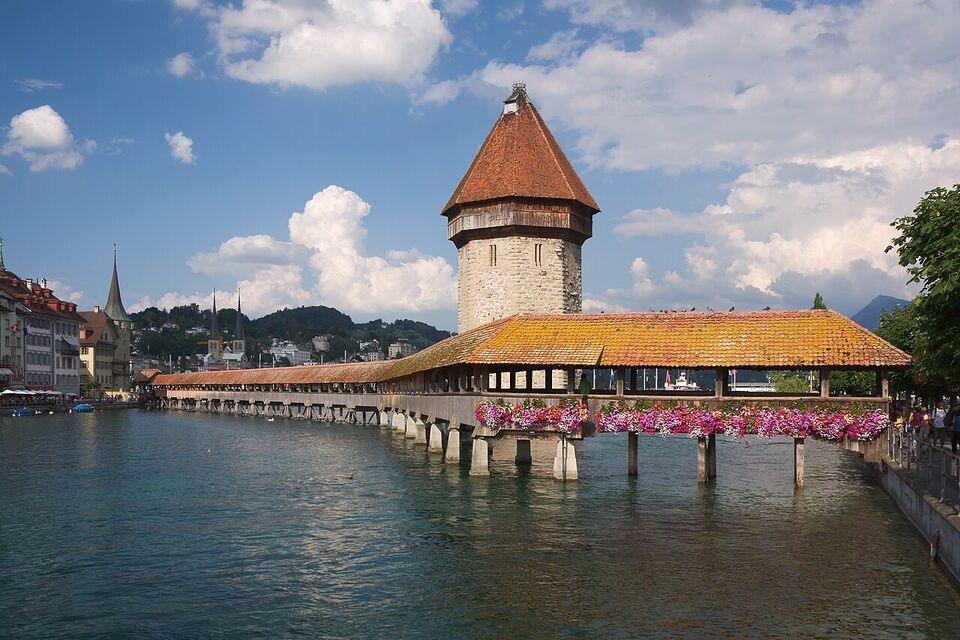 04Walk the Chapel Bridge in LucerneLucerne · free to walk, with the old town and the lake close by
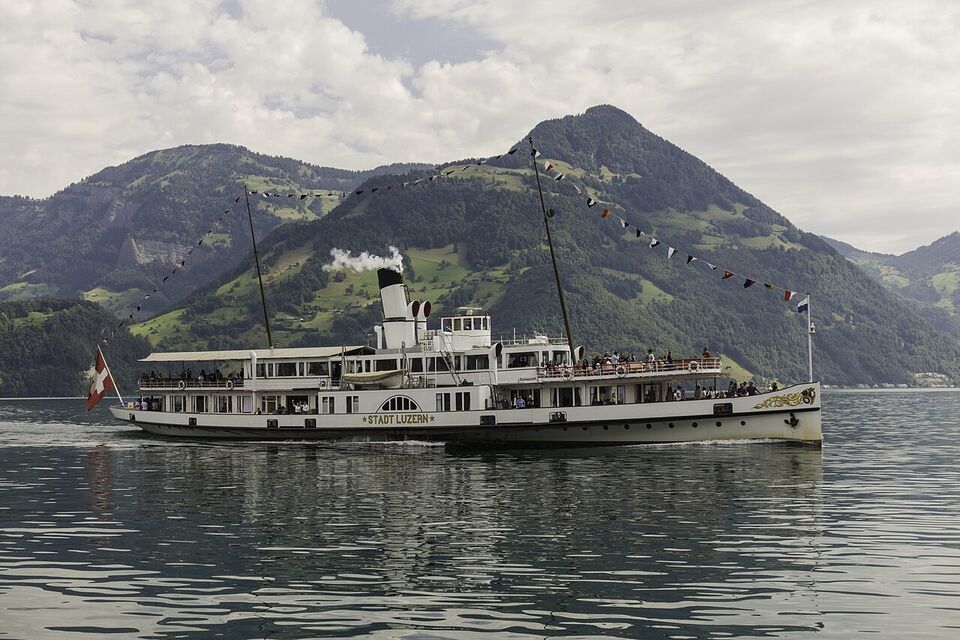 05Ride a paddle steamer on Lake LucerneLakes · scheduled boats are covered by the Swiss Travel Pass, reduced in winter
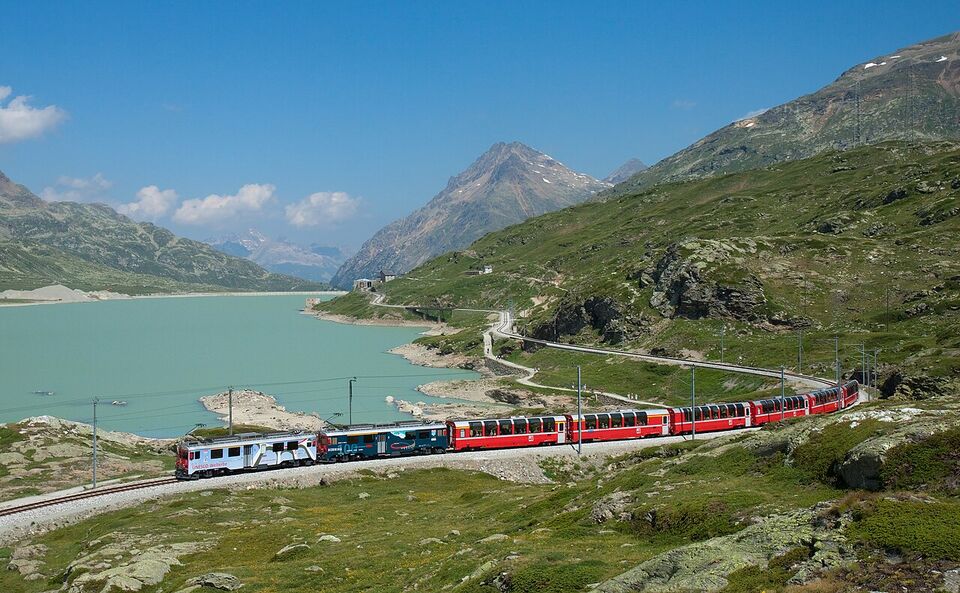 06Ride the Bernina Express to ItalyChur or St. Moritz to Tirano · about 4 hours, seat reservation on panoramic cars
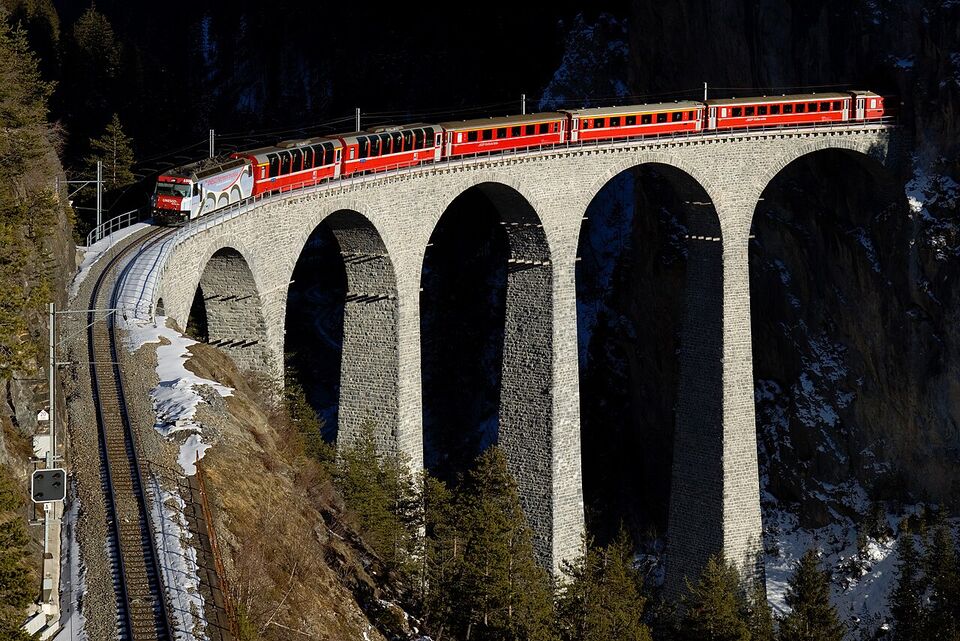
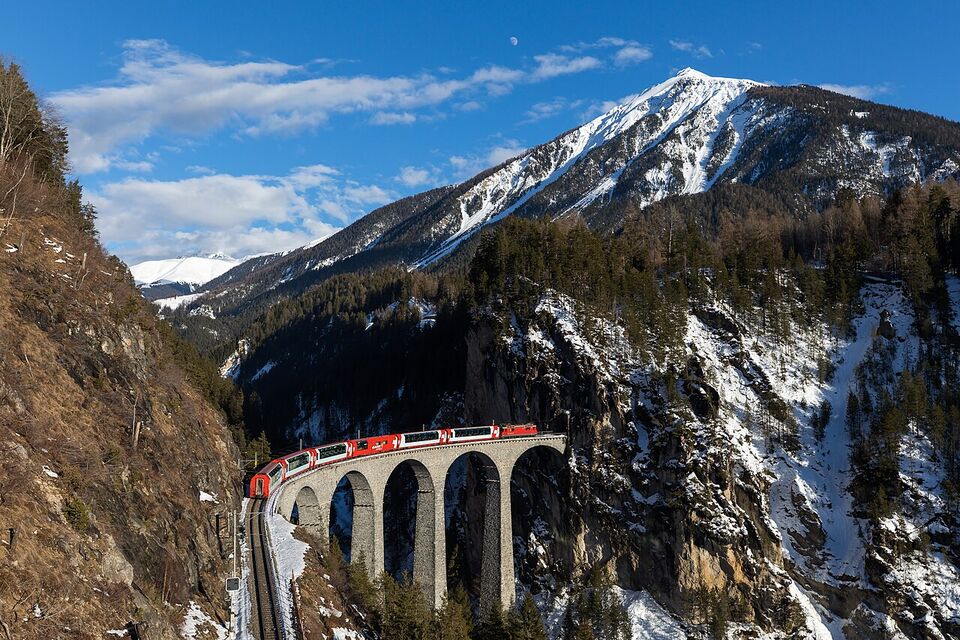 07Cross the Landwasser Viaduct on the Glacier ExpressZermatt to St. Moritz · about 8 hours, mandatory reservation, or ride a segment
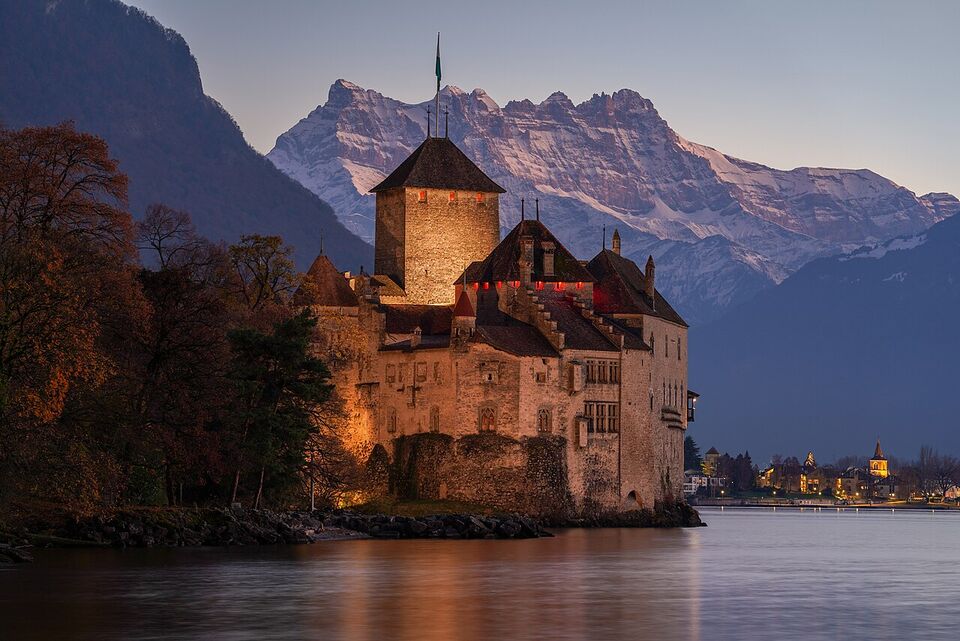 08Visit the Château de ChillonMontreux · adults CHF 15 (about $18), open 10 a.m. to 5 p.m. from November to February
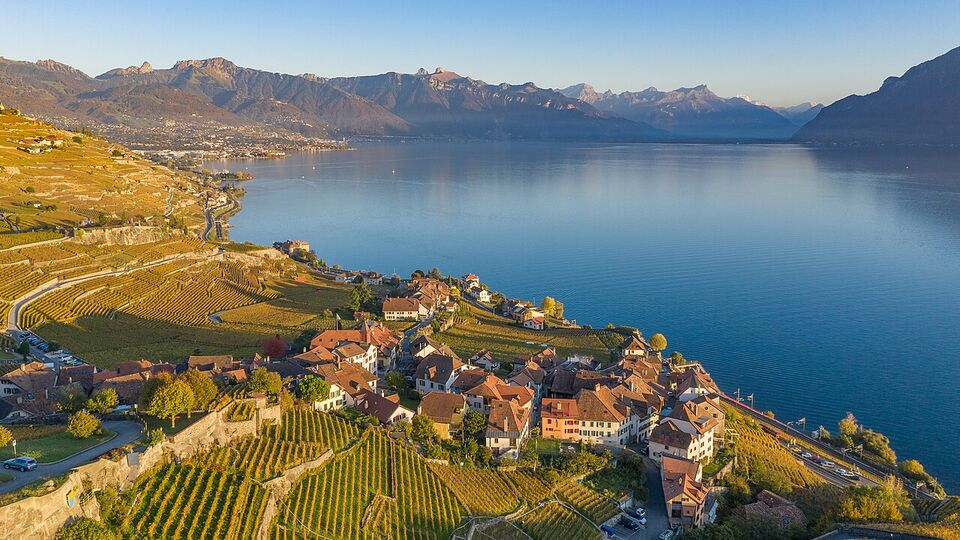
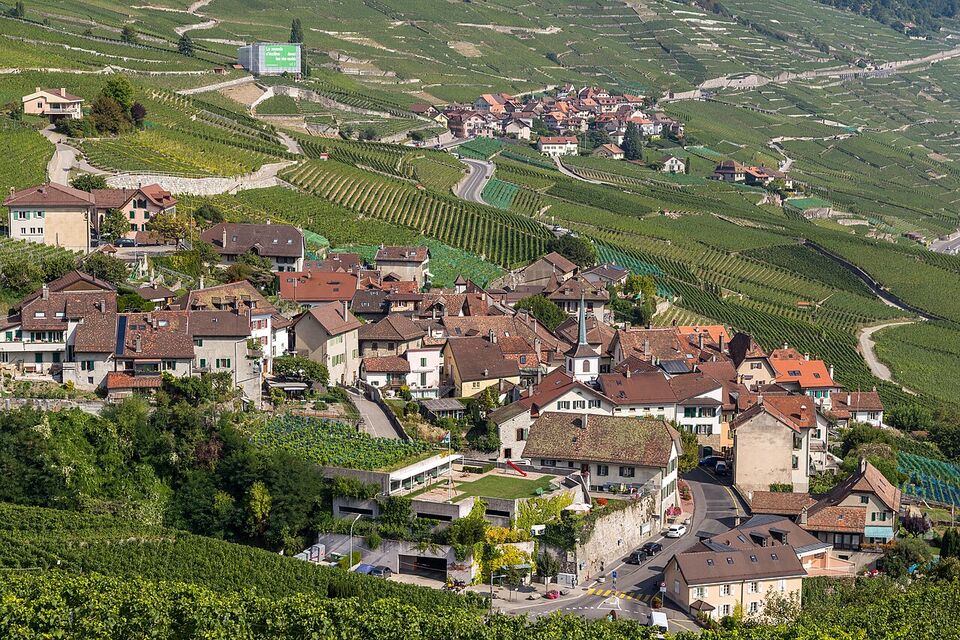 09Walk the Lavaux vineyard terracesLake Geneva · UNESCO terraces between Lutry and Vevey, best on foot with trains
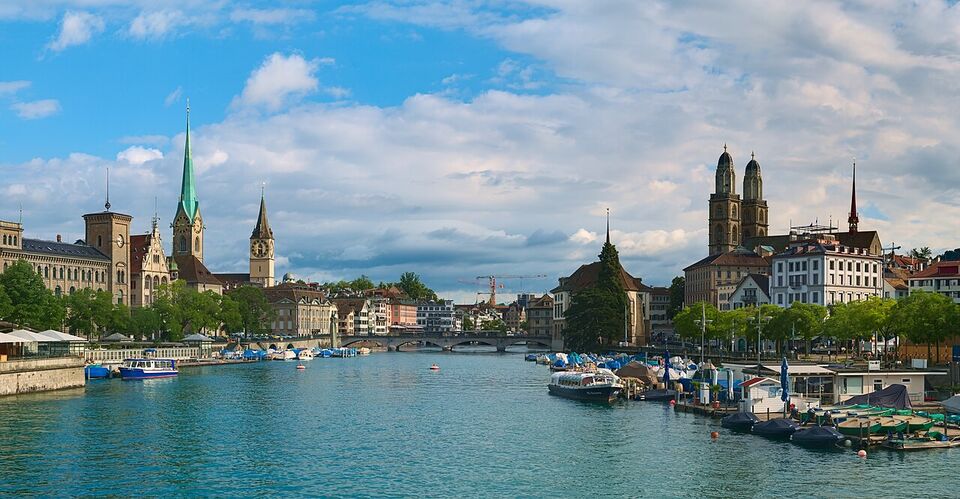
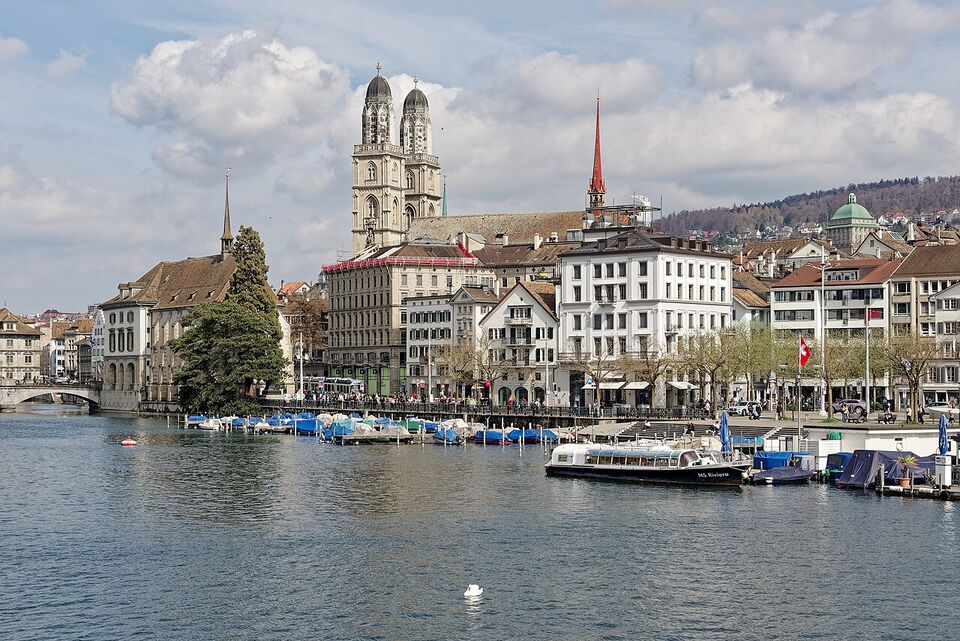 10Stroll the old town and the Limmat in ZurichZurich · one full day covers the old town and a museum, many museums close Monday
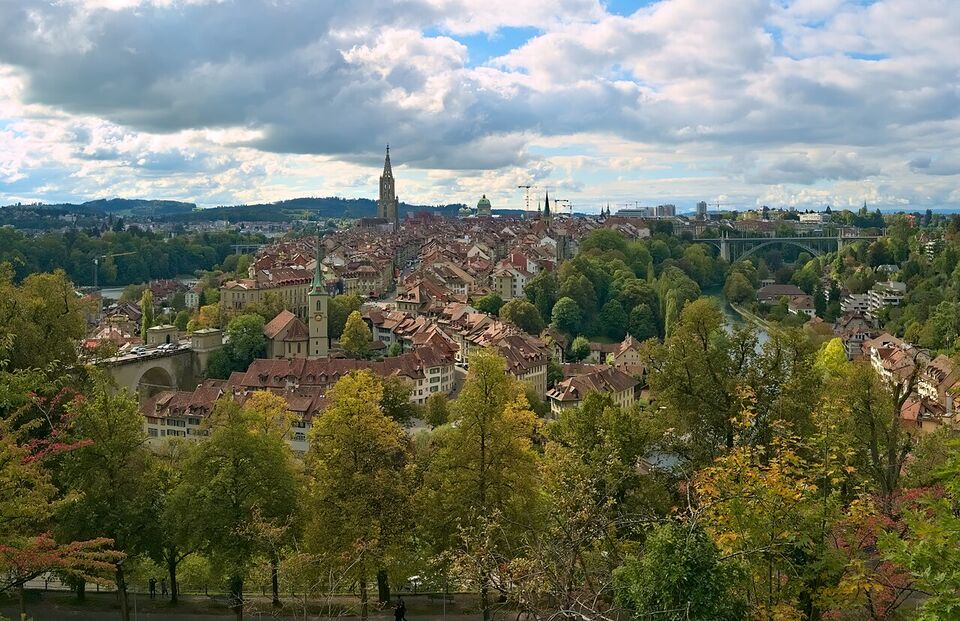
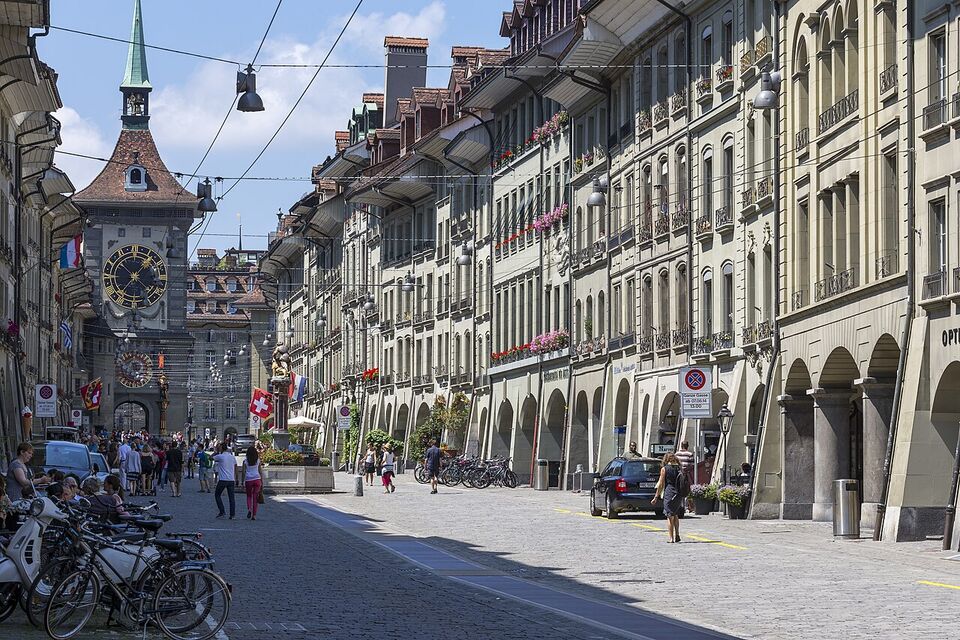 11Walk under the arcades of BernBern · UNESCO old town and the Zytglogge, one full day is enough
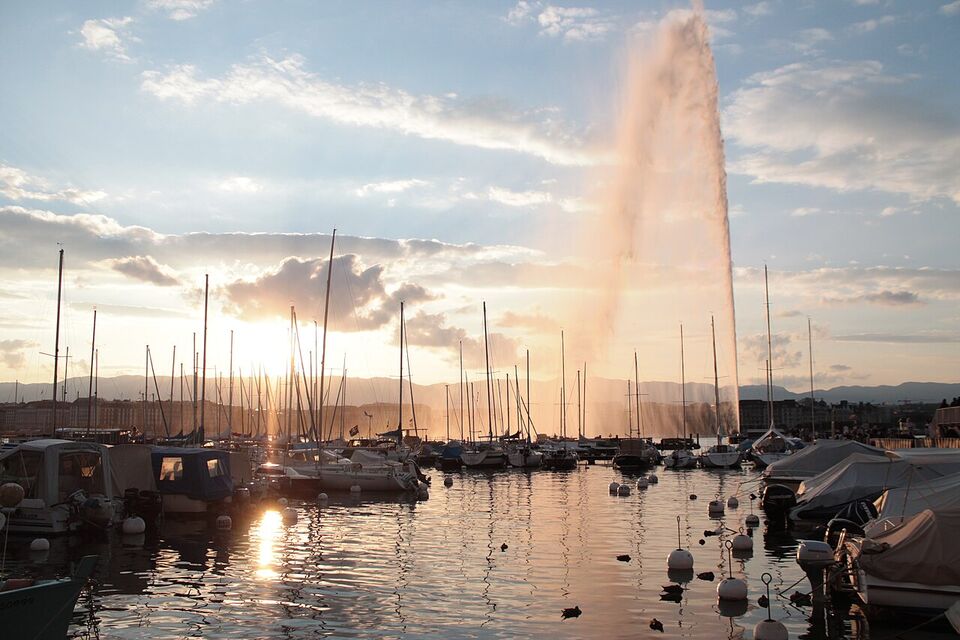
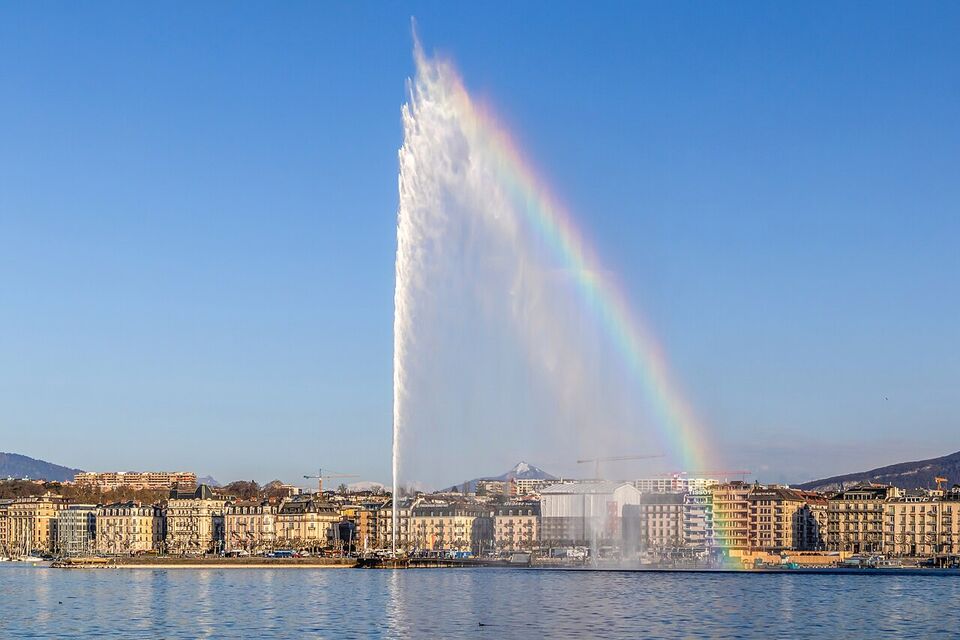 12See the Jet d’Eau and the Geneva lakefrontGeneva · hotel guests get a free Geneva Transport Card for the stay
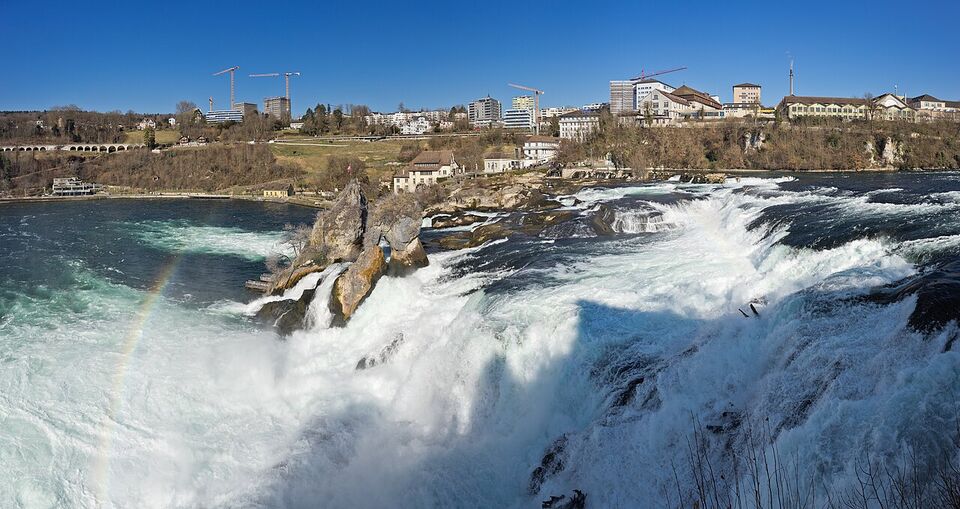 13Stand beside the Rhine FallsFrom Zurich or Basel · a train day trip, check boat seasons
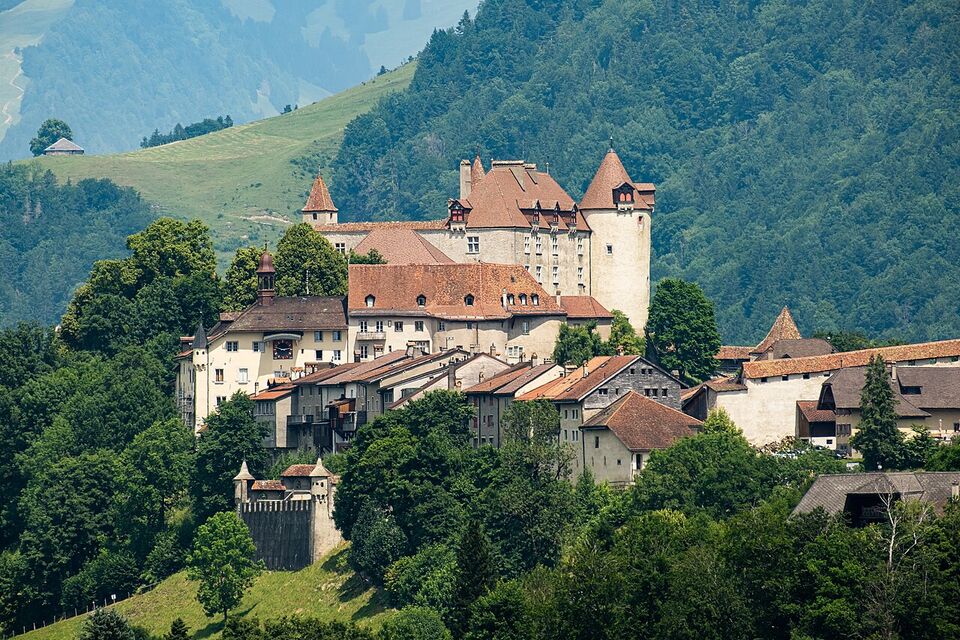 14Wander up to GruyèresFribourg · castle open 10 a.m. to 5 p.m. in November, about 1 hour 30 minutes from Lausanne
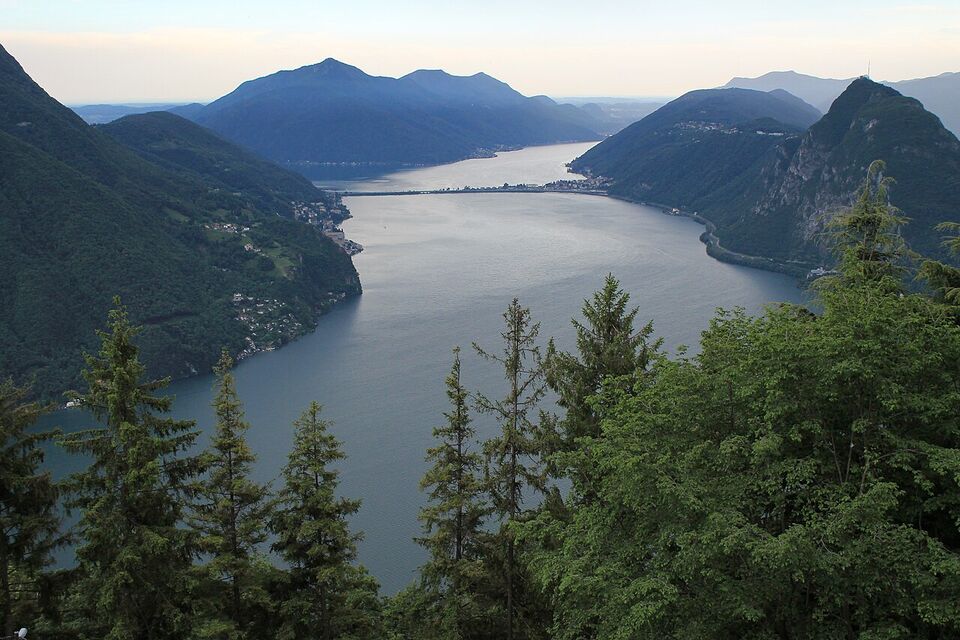
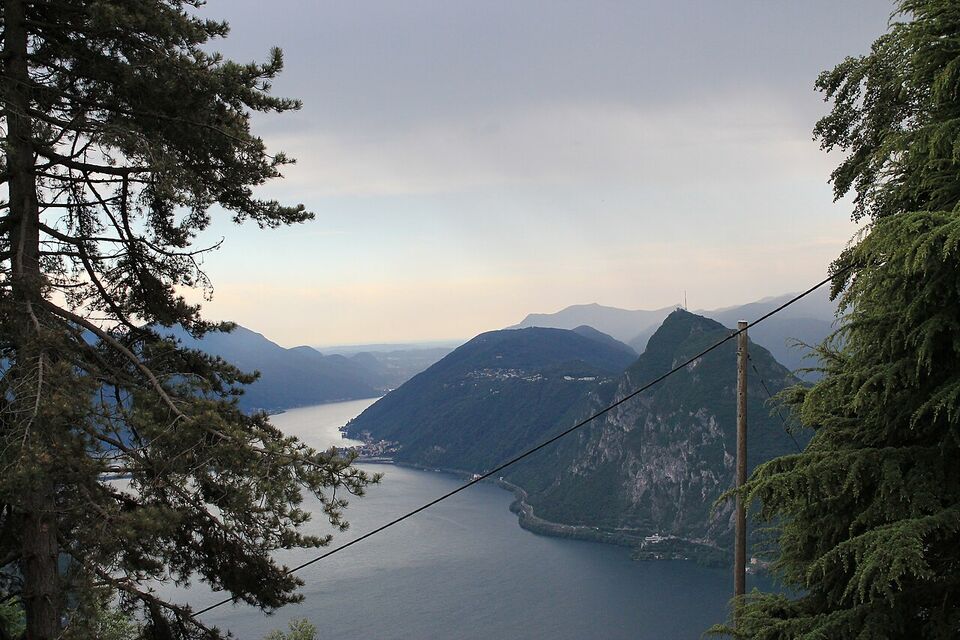 15Spend a day on Lake LuganoTicino · Italian-speaking, roughly 1 hour 40 minutes to 2 hours from Zurich
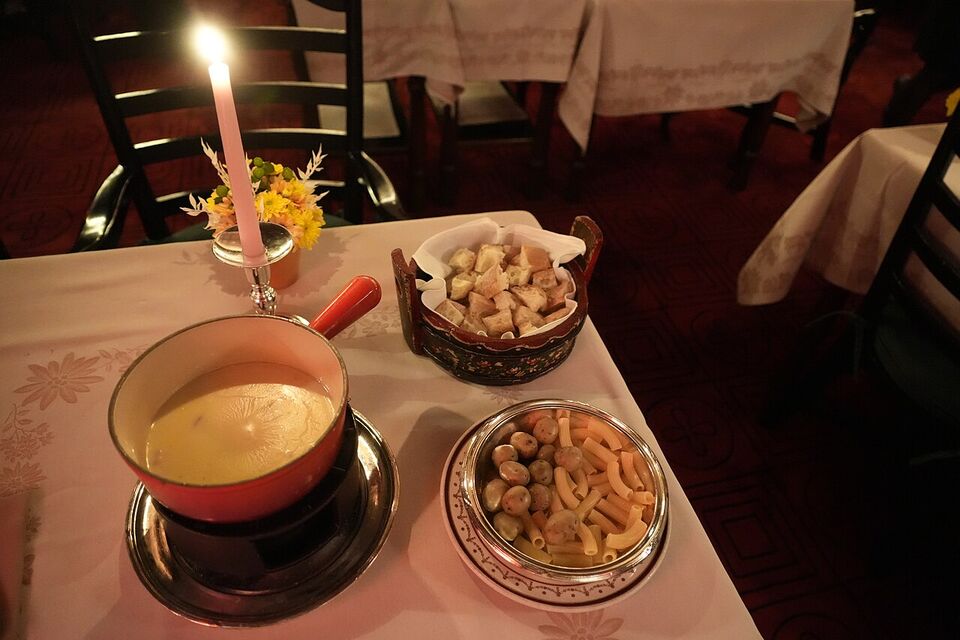 16Share a cheese fondueCold months · fondue and raclette are best from autumn to spring
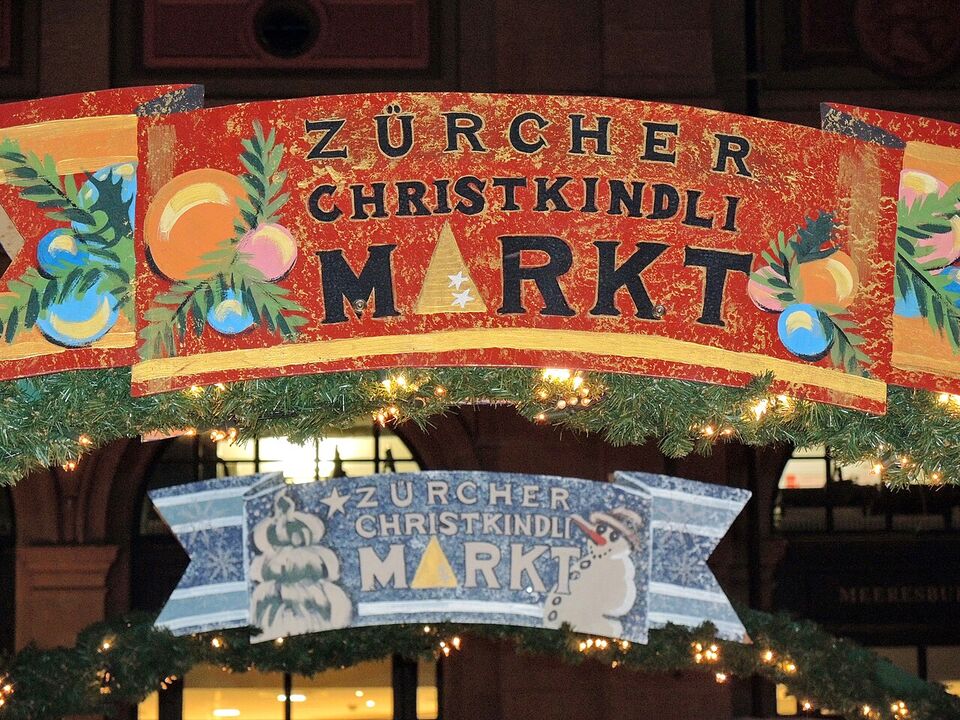 17Visit a Christmas marketMontreux Riviera Noël, November 20 to December 24, 2026, and Zurich Hauptbahnhof
Photos from Wikimedia Commons: 01 Deralpinbergsteiger, CC BY-SA 4.0 · 02 Roy Egloff, CC BY-SA 4.0 · 03 Tobi 87, CC BY-SA 3.0 · 04 Ikiwaner, CC BY-SA 3.0 · 05 Chme82, CC BY-SA 4.0 · 06 Kabelleger / David Gubler, CC BY-SA 3.0 · 07 Kabelleger / David Gubler, CC BY-SA 4.0 · 08 Giles Laurent, CC BY-SA 4.0 · 09 JoachimKohler-HB, CC BY-SA 4.0 · 10 Jakub Hałun, CC BY 4.0 · 11 JoachimKohler-HB, CC BY-SA 4.0 · 12 Terragio67, CC BY-SA 4.0 · 13 Jörg Braukmann, CC BY-SA 4.0 · 14 Christian David, CC BY-SA 4.0 · 15 John Samuel, CC BY-SA 4.0 · 16 Peachyeung316, CC BY-SA 4.0 · 17 Roland zh, CC BY-SA 3.0
Free tools
Plan it, price it, pack it
Want us to plan it for you?
Tell us your dates, budget and what you love. We’ll suggest bases, day trips and the tickets to book first, and tell you what is open in your month.