How to use this page
Jamaica is small enough that one base and a few day trips can suit almost any trip, but the base matters. A music fan, a family with young children and a couple on a honeymoon should not stay in the same place. This page is a hub: for each kind of trip it says where to base yourself, what to do, and which page of the guide goes deeper.
Two pieces of context apply to everything below. First, Hurricane Melissa (a Category 5 storm) hit western and southern Jamaica on October 28, 2025. As of November 2026, about 80% of hotel rooms were operating, with the Jamaica Tourist Board expecting about 90% for the winter season that starts in mid-December. Negril and the east coast came through with far less damage than Montego Bay and the south coast. Our page on Jamaica After Hurricane Melissa has the area-by-area picture, and the Tourist Board keeps a hotel reopenings list on visitjamaica.com that we recommend checking before you book.
Second, prices. Resorts, tours and attractions mostly quote US dollars, while route taxis, markets and cookshops use Jamaican dollars (US$1 is about J$159). Every price here is "as of November 2026"; confirm before you go.
Insider tip
Pick the interest that matters most and build the trip around it, then add one contrast. A beach week plus one day in the hills, or a Kingston music stay plus three nights on the coast, gives you two sides of the island without constant packing. Our trip builder does this for you.
Beaches and resorts
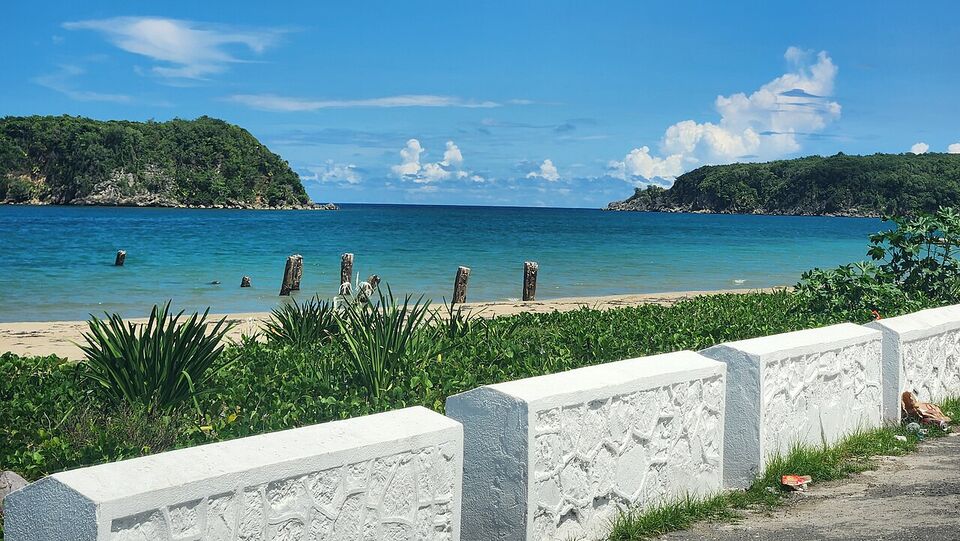
Most visitors come for the sea. Three areas dominate: Negril in the far west, the Montego Bay and Rose Hall strip, and the Ocho Rios and Runaway Bay stretch on the north coast. All three have resorts of every size.
Where to base. Negril has the island's longest beach, a flat, shallow sweep of sand backed by hotels, and the West End cliffs for swimming off rocks at sunset. It is about 1.5 hours from Montego Bay airport. Montego Bay and Rose Hall are closest to the airport (minutes to about 30 minutes) but are where Melissa did the most damage, so check each hotel's reopening status. Ocho Rios, about 1 hour 45 minutes to 2 hours from the airport, has smaller beaches and a lot to do nearby.
What to do. Public beaches charge small fees: Long Bay Beach Park in Negril is US$3 for adults (US$1 for children) and Ocho Rios Bay Beach is US$10 for adults (US$7 for children). Harmony Beach Park in Montego Bay is free. Beyond the sand, add a catamaran or snorkel trip and look at the Beaches in Jamaica page for currents, urchins and access rules.
Read All-Inclusive Resorts in Jamaica before choosing a resort. It explains adults-only versus family resorts, what "all-inclusive" does and does not cover, and how to leave a resort safely.
- Negril for the long beach and cliffs.
- Montego Bay for short transfers and resort variety.
- Ocho Rios for beaches plus waterfalls.
- Beaches for fees, access and swimming safety.
Culture, history and music
Jamaica's music is the reason many people come, and the capital is where it lives. Kingston is a working city, not a resort town, so it rewards visitors who arrive with a plan and a driver.
Where to base. New Kingston has the business hotels, restaurants and embassies, and is the practical base for the Bob Marley Museum at 56 Hope Road. You can also visit Kingston on a long day trip from the north coast, though that is a lot of road. The drive from Ocho Rios is about 1.5 hours on the toll highway, and from Montego Bay about 2.5 to 3 hours.
What to do. The Bob Marley Museum offers a home tour, a "Making of the Music" studio tour and a combination tour, with guided tours Monday to Saturday between 10 a.m. and 4 p.m. Prices are not confirmed (expect roughly US$25 to US$30 for the home tour), so check the museum's own site and book ahead. Beyond Marley, the Things to Do in Kingston page covers Trench Town, Devon House, galleries and Port Royal; the details we could not confirm are flagged there.
For history outside the capital, the great houses and Maroon communities tell the story of enslavement and resistance. Festivals add a calendar: Reggae Month in February, Carnival after Easter, Reggae Sumfest in July (a one-night event in 2026). Most 2027 dates are not announced, so see Festivals in Jamaica and Reggae and Bob Marley.
Watch out
Street dances and sound-system events are part of Jamaican music culture, but they are not a casual add-on for a first visit. Go with a local host or a licensed tour, not alone and not at night on your own. See Safety in Jamaica.
Food and rum
You do not need a food tour to eat well in Jamaica. Jerk, curry goat, ackee and saltfish, patties and fresh fish are available in towns, roadside cookshops and many restaurants, and the cost is far lower outside the resorts. Jamaican Food explains the dishes, and the basics of street food safety.
Where to base. Portland, around Port Antonio, is known for jerk. Kingston has the widest range of restaurants. Treasure Beach and Black River on the south coast are good for fresh fish, with some places still rebuilding. Any area works if you are willing to take licensed taxis out of the resort for dinner.
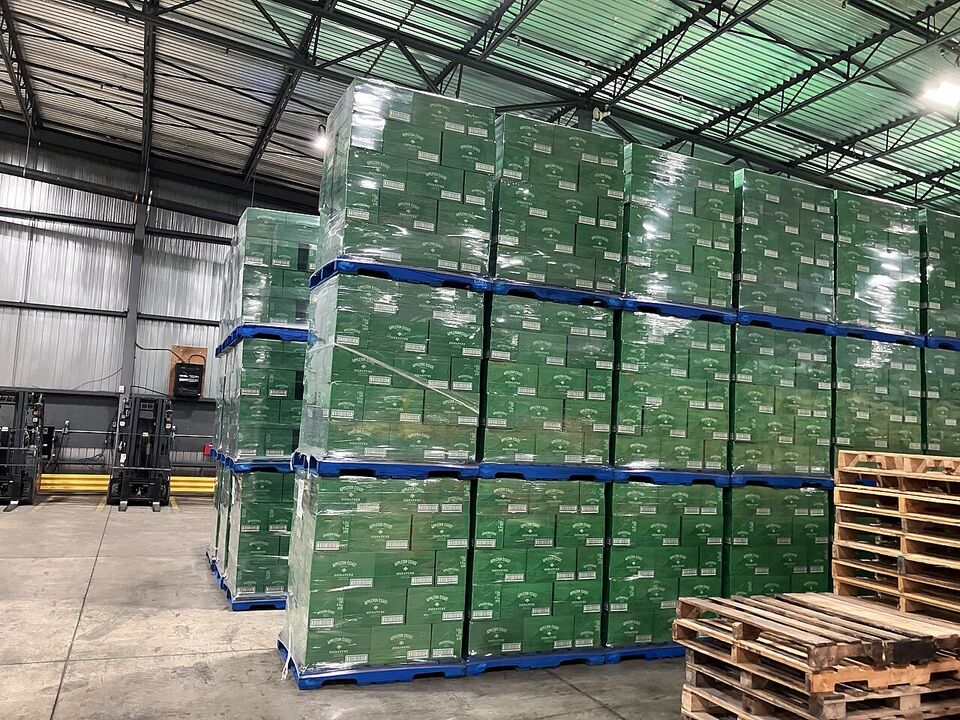
What to do. Appleton Estate's rum tour in St. Elizabeth reopened after the storm and runs Tuesday to Saturday, 9 a.m. to 3:30 p.m.; the price is not confirmed, so ask when you reserve. Hampden Estate in Trelawny lost most of its roofs to Melissa (the aged rum was not lost), so check whether tours have resumed. For rum, beer, Blue Mountain coffee and what you can carry home, see Rum, Coffee and Drinks.
Customs matters at the end of the trip: US travelers can bring back 1 liter of alcohol duty-free if they are 21 or older, within the US$800 personal exemption.
Adventure, hiking and the water
Jamaica's outdoors range from an easy waterfall to a pre-dawn mountain hike. The best-known sights get crowded; the rewarding ones usually involve a guide and some planning.
Where to base. Ocho Rios for Dunn's River Falls and other waterfalls, Portland for Reach Falls, rafting and quiet beaches, the Blue Mountains for the highest hike, and the south coast for boat trips and YS Falls.
What to do.
- Dunn's River Falls costs US$25 for adults and US$17 for children (daily 8:30 a.m. to 4 p.m., from 7 a.m. on cruise-ship days, Wednesday to Friday). See Dunn's River Falls.
- Reach Falls in Portland is US$10 for adults and US$5 for children, open Wednesday to Sunday, 8:30 a.m. to 4:30 p.m.
- YS Falls in St. Elizabeth charges US$25 for adults and US$16 for children (3 to 15), 9:30 a.m. to 3 p.m., closed Mondays and public holidays. It reopened in 2026; the canopy ride is closed until further notice.
- Blue Mountain Peak: the park's own page lists a US$20 trail fee for visitors, though it was last updated in 2023. Guides cost extra. Hikers usually start around midnight to reach the summit for dawn, but the national park was closed after Melissa and still under repair in October 2026; check with the park (876-619-9807) before you plan it. See The Blue Mountains.
- Black River Safari boat tours reopened after the storm; check the current schedule.
For snorkeling and diving, the Hiking, Waterfalls and the Outdoors page covers operators, seasons and safety. Reef conditions and dive-shop status vary by area after the hurricane, so ask before booking. The sea is warm: about 81°F (27°C) in winter and 84 to 86°F (29 to 30°C) from June to October.
Different from home
Natural sites have far fewer railings, signs and lifeguards than a US park. Wet rock is slippery, rivers rise fast after rain, and fresh water after heavy rain can carry leptospirosis. Wear water shoes, listen to your guide and skip rivers after storms. See Health and Medical Care.
Families with children
Jamaica works for families when the plan is simple. Short transfers, a resort with a kids' club, and one or two outings a day are easier than moving every two nights.
Where to base. Ocho Rios and the Rose Hall area of Montego Bay are the usual choices, because the family resorts, attractions and the airport are close. Check each Rose Hall resort's reopening date, since several large properties reopen from December 2026 into 2027. Negril also has family-friendly resorts and a calm, shallow beach.
What to do. Dunn's River Falls is the classic outing for school-age children, with a child ticket at US$17; the climb is slippery and lasts a while, so judge your child's stamina. Beach days, glass-bottom boats and river rafting suit most ages. The Tourist Board's list, November 2026, shows Mystic Mountain, Dolphin Cove (Ocho Rios and Montego Bay), Rio Grande rafting and Rose Hall Great House as open and Martha Brae rafting as closed. It gives no prices, so check each site.
Bring a signed medical consent letter if you travel with children without both parents. We could not find a Jamaican rule requiring it, so treat it as a precaution that airlines and border officers may ask about rather than a stated requirement. Every traveler, children included, needs a C5 online declaration at enterjamaica.gov.jm (free).
See All-Inclusive Resorts in Jamaica for family versus adults-only resorts, and Health and Medical Care for sun, insects and insurance.
Couples and honeymoons
Couples usually choose between an adults-only resort and a smaller boutique property. Adults-only resorts bundle meals, drinks and activities and often include a wedding package; boutique hotels and villas give more privacy and a more local feel at a higher per-night price.
Where to base. Negril's cliffs and Seven Mile Beach for sunsets, the Montego Bay and Rose Hall coast for a polished resort stay, and Ocho Rios or Portland for a quieter, greener setting. Port Antonio in Portland is smaller and slower, and the hotels there were reported open on the Tourist Board's list in November 2026.
If you are getting married as well as honeymooning, read Weddings and Honeymoons: the legal rules are specific, including a 24-hour wait in Jamaica before you apply for the license.
Book far ahead for Christmas, New Year's and February; several large resorts reopen only in December 2026 or 2027, so confirm dates before you pay a deposit.
Solo travelers
Many people travel to Jamaica alone, and resorts are the easiest way to do it: you have security, set meals and other guests. Outside the resort, a little structure goes a long way.
Where to base. A resort or a well-reviewed guesthouse in a resort area such as Negril, Ocho Rios or the Montego Bay hotel strip. Kingston suits solo travelers with a specific interest in music or art, ideally with a driver or guide.
What to do. Group tours handle remote waterfalls and beaches, which we advise against visiting alone. Keep valuables out of sight, use licensed taxis (red PPV plates, or resort, JUTA and JCAL taxis), and avoid walking outside resort areas at night. Is Jamaica Safe? has a straight answer on risk.
The US State Department's advisory for Jamaica is Level 2, "Exercise Increased Caution", reissued January 17, 2026. Read the current text on travel.state.gov before you go, and register a plan with a friend at home. Solo women should read the advisory's note that the US Embassy receives reports of sexual assault, including against tourists at resorts.
LGBTQ+ travelers
Jamaican law criminalizes sex between men, though it is rarely enforced against visitors. Public affection between same-sex couples can draw hostility, so many couples are discreet outside their hotel. Many resorts welcome all couples; check the policy of the property you are considering before you book.
We keep this factual: the risk is mainly social, not legal, for most visitors, and the best protection is choosing a welcoming resort and using the same precautions about transport and nightlife as any traveler. Jamaican Etiquette and Safety in Jamaica have more.
Accessible travel
Jamaica is not built for easy access, but it can be done with planning. Larger resorts have the most accessible rooms, ramps and staff used to helping, while natural sights, beaches, older towns and many tour vehicles are difficult for wheelchairs and walkers.
Where to base. A large resort with a documented accessible room, close to the airport. Montego Bay and Rose Hall resorts are nearest, but check which properties are open after Melissa.
What to do. Dunn's River Falls is a natural climb and is not wheelchair accessible. Ask each attraction, tour operator and transfer company about its steps, vehicles and surfaces, and request a vehicle with space for a chair; many standard airport taxis do not have it. Roads outside the main towns are uneven and sidewalks are often narrow or missing.
Carry medicines in original packaging with your prescription, and note that EpiPens are not sold on the island (State Department). Medical care is good in Kingston and Montego Bay and limited in rural areas, so buy travel insurance with medical evacuation. See Health and Medical Care.
Luxury
Luxury in Jamaica means space, service and seclusion more than city polish. The island has all-inclusive resorts at the top end, villas with staff, and a few old, private estates along the north coast.
Where to base. The Montego Bay hotel strip and Trelawny, Ocho Rios and the Golden Eye area of St. Mary, and Negril's cliffs and West End. A villa can be a better value for a group because a cook and housekeeper are often included, but check the villa's storm repairs, as the Tourist Board says villas have recovered more slowly (about 60-70% in late 2026).
What to do. Private transfers from the airport, private guides for the Blue Mountains or rum estates, and chartered boat days are the main upgrades. Hotel pricing at the top end is above $$$ (over US$300 a night for a double), and the reduced 10% tourism GCT rises to 15% from April 1, 2027, so rates for stays after that date may change.
See Where to Stay in Jamaica for room types and taxes. Hotels also add a small per-room nightly tax of US$1 to US$4 depending on size (as of 2026; check your booking).
Budget travel
Jamaica is not a cheap destination at resort level, but it can be affordable if you step out of the resort system. The main savings are guesthouses, local food and public or shared transport.
Where to base. Negril has the widest range of small, inexpensive places to stay close to the beach, and Kingston offers value if you want city sights. A $ room costs under US$120 for a double. Treasure Beach has community-run stays but is still recovering.
What to do. Eat at cookshops and patty shops, which price in J$. Use route taxis (shared cars with red PPV plates, paid in J$; fares rose in two 8% steps in June and July 2026), JUTC buses in Kingston, and the Knutsford Express coach between towns. Knutsford fares are not confirmed here, so check knutsfordexpress.com; luggage is one bag up to 50 lb plus a carry-on. Public beaches cost US$3 to US$10, and Harmony Beach Park in Montego Bay is free.
Save money
Pay local prices in J$ for local things and US$ only where the business quotes it. Carry small J$ notes, because US dollar change often comes back at a poor rate. ATMs dispense J$. Our budget page and money guide have the detail.
Community tourism and traveling with purpose
After Hurricane Melissa, tourism jobs are how many families recover. Visiting helps most when your money reaches local businesses: community-run guesthouses, licensed guides and drivers, family restaurants, craft markets.
The south coast around Treasure Beach and Black River is the best-known area for community-style stays and boat trips, and many businesses there have reopened, including Black River Safari and the rebuilt Pelican Bar. Several are still rebuilding, so check each before you go, and be patient with limited services.
Respect goes with it. Ask before photographing people, be polite and firm with persistent vendors, and treat Rastafari as a faith, not a theme. Jamaican Etiquette explains the basics, and Tours and Excursions covers booking safely with licensed operators.
Putting a trip together
If you can only pick one idea, begin with the interest that matters most and the base from the list above. Then check the practical pages: Entry Requirements for Americans for the passport, the C5 form and customs, Getting Around Jamaica for transfers, and When to Go to Jamaica for weather. Mid-December to mid-April is high season; late April to June and November are cheaper.
Travel insurance with medical evacuation is worth buying for any of these trips, because a medical flight to Florida often costs US$30,000 or more.
Add it to a route in the trip builder, or ask us to plan the hotels, trains and guides for you.