The short answer
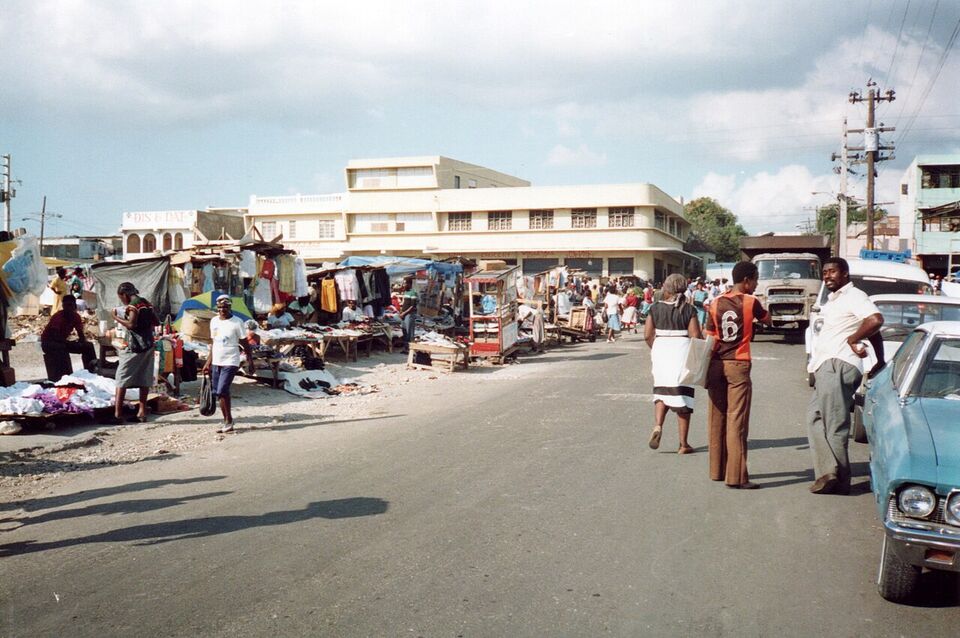
Bring both kinds of money. Jamaica's currency is the Jamaican dollar (J$), and the rate we use throughout this guide is US$1 = J$159. In resort areas, hotels, tour operators and attractions quote in US dollars, and cards are widely taken. Away from the tourist trade, in route taxis, markets, patty shops and small cookshops, prices are in J$ and cash is how you pay.
The easiest plan for most visitors is to pay for tours and big meals with a card or US cash, take out a modest amount of J$ from a bank ATM on arrival, and keep small J$ notes for everything else. The rest of this page covers when to use which, ATMs and fees, what things cost, tipping and the taxes on your bill. For the bigger budget picture, use our trip budget calculator.
Jamaican dollars and US dollars
Locals write "$" for Jamaican dollars. A roadside sign showing only the number 500 means J$500 (about US$3), not US$500. That is why this guide never writes a bare dollar sign: we write J$ for Jamaican dollars and US$ for US dollars, and you should always ask "J or US?" when a price is not clear.
The official rate moves a little each day. The Bank of Jamaica rate was J$159.28 on November 6, 2026, so J$159 is a good working number. A quick way to convert in your head: divide J$ prices by 160. J$1,600 is about US$10. Our converters page does the math for you.
The "about" rule
When we convert, we write "J$2,500 (about US$16)" and round to a sensible figure. Real prices in shops and on cards will differ by a few cents because the rate changes and because banks, cambios and card networks each use their own rates. Treat any conversion as a guide. Prices that businesses set in US dollars, such as US$25 for Dunn's River Falls, are written in US$ because that is the price you actually pay.
When to use which
| Where | Usual currency | How to pay |
|---|---|---|
| Resorts, hotels, large restaurants | US$ (some J$) | Card or cash |
| Tours, attractions, catamarans | US$ | Card or cash; some small operators prefer cash |
| Airport taxis and private transfers | US$ | Confirm the fare and currency before you get in |
| Route taxis, buses | J$ | Cash, small notes |
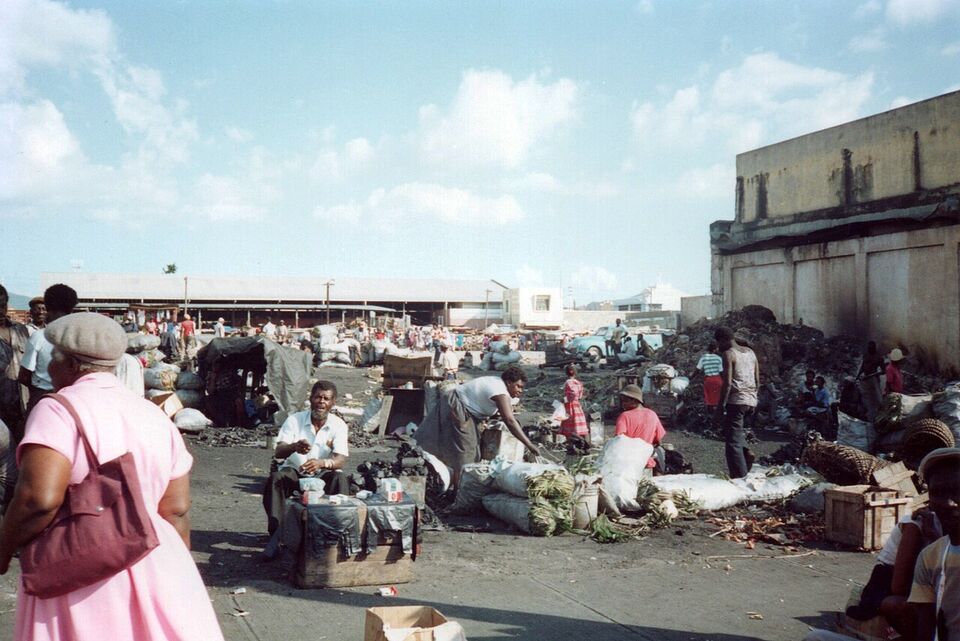
| Markets, craft stalls, roadside food | J$ (US$ often accepted) | Cash |
| Patty shops, jerk centers, cookshops | J$ | Cash; many take cards |
| Supermarkets, pharmacies | J$ | Card or cash |
| Gas stations | J$ | Card or cash (attendant pumps) |
US dollars are accepted in tourist areas, but the exchange is rarely in your favor. If you pay a J$800 bill with a US$20 note, the change often arrives in J$ at a rate that suits the seller. Paying a price that is already in US$ with US$ avoids this. If you pay in J$ for something quoted in J$, use J$.
Different from home
Two price systems run side by side. A tour might cost US$75, while a jerk plate down the road costs J$1,500 (about US$9). Ask which currency is meant, and do not hand over US$ for a J$ price without checking the change. If you are unsure, pay with a card where you can.
Cards, ATMs and cambios
Credit and debit cards (Visa and Mastercard most widely) work at resorts, hotels, larger restaurants, supermarkets, car rental companies and many tour operators. Smaller places may have a card machine but be unable to use it when signal or power drops, which is common, so carry cash as a fallback. Contactless is not as universal as at home.
ATMs
ATMs dispense Jamaican dollars. The Jamaica Tourist Board says most ATMs accept Visa, Mastercard, Cirrus and Plus. Use machines inside banks, malls, supermarkets and the airport, in daylight, instead of a standalone machine on a street. Jamaican banks may charge a withdrawal fee, and your own bank may add a foreign-transaction fee and a currency-conversion charge. Check the current fees with your own bank before you go.
- If the ATM offers to convert the withdrawal into US$ for you, decline and take the J$. The ATM's own conversion rate is rarely good.
- Withdraw a moderate amount at a time. J$20,000 (about US$126) is plenty for most visitors for several days outside a resort.
- Cover the keypad and avoid ATMs when someone is hovering.
Cambios and banks
Licensed cambios (exchange offices) and commercial banks operate in resort areas, and rates vary daily. Compare the buy and sell rate on the board. Use licensed offices only, never street money-changers. Bring crisp, undamaged US bills, because worn or marked notes can be refused.
Insider tip
Tell your bank and card company your travel dates in their app before you leave. Take a second card from a different bank in case one is blocked, and keep it in a different bag. Ask whether your card charges foreign-transaction fees, because the savings from a no-fee card add up on a week of dinners.
What things cost
Prices below are rough ranges for local-style food and transport, in J$ with a US$ guide at US$1 = J$159. Use them to plan a budget, not as a fixed price list, and expect resort and tourist-area prices to run higher.
| Item | Typical price (J$) | US$ (about) |
|---|---|---|
| Beef patty at a patty shop | J$300-500 | US$2-3 |
| Red Stripe beer in a local bar | J$500-800 | US$3-5 |
| Jerk chicken plate with sides | J$1,200-2,500 | US$8-16 |
| Short route taxi hop | J$150-400 | US$1-3 |
| Bottled water (small) | J$150-300 | US$1-2 |
Tourist prices are in US dollars and are better looked up than guessed:
| Activity | Price | Notes |
|---|---|---|
| Dunn's River Falls, adult | US$25 | Child US$17; daily 8:30 a.m.-4 p.m. |
| YS Falls, adult | US$25 | Child (3-15) US$16; closed Mondays |
| Reach Falls, adult | US$10 | Child US$5; Wednesday to Sunday |
| Ocho Rios Bay Beach, adult | US$10 | Child US$7 |
| Long Bay Beach Park, Negril, adult | US$3 | Child US$1 |
| Bob Marley Museum | About US$25-30 for the home tour | Check the museum's site for current prices |
| Knutsford Express coach | Varies by route | Check knutsfordexpress.com for current fares |
| Rick's Cafe, Negril | No cover charge | Noon-10 p.m. daily as posted |
Fuel, if you rent a car, is sold by the liter at attendant stations and ran a little over J$200 a liter (about US$1.30, roughly US$5 a US gallon) in November 2026. Check prices at the pump. See driving in Jamaica for tolls and rental rules, and getting around for taxi, bus and coach options.
Save money
Eat where the workers eat. A cookshop plate or a jerk center meal paid in J$ costs a fraction of a resort-area restaurant, and a patty is a cheap lunch. Pay for local snacks, route taxis and markets in J$, and pay US$-quoted tours in US$ or on a card, so you avoid bad conversion on the change.
Tipping
There is no single official tipping rate in Jamaica. Published guides suggest 10 to 15 percent in restaurants and somewhat more for very good service, but these are customs, not a legal tariff. Read your bill first: many restaurants add a service charge, and if so, you do not need to add a full tip on top. If there is no service charge, 10 to 15 percent is a common, well-received amount.
- Restaurants and bars: 10 to 15 percent if no service charge is on the bill. A few dollars per round for bartenders is welcome.
- Taxi and transfer drivers: agree the fare first. A tip of 10 to 15 percent is usual for a private driver, especially for a long day or help with bags.
- Tour guides and boat crews: a tip is customary and often shared by the group. Ask your operator what is typical.
- Housekeeping: a few US dollars per day, left in the room with a note, is common at hotels that do not include gratuities.
- Bellhops and porters: US$1-2 a bag.
All-inclusives
Policies differ. Sandals publishes a no-tipping statement, and Beaches includes tips and taxes in its packages, though butlers and spa therapists may accept a gratuity. At other all-inclusives, tipping is optional but appreciated by staff, and many guests carry small US bills for bartenders, pool staff and housekeeping. Read your booking terms and ask at check-in. More resort detail is in our all-inclusives guide.
Taxes on your bill
Jamaica's general consumption tax (GCT) is 15 percent for most goods and services. Hotels and licensed tourism businesses pay a reduced 10 percent rate for now. That reduced rate lasts until March 31, 2027, and rises to 15 percent from April 1, 2027. The hotel association is still lobbying against the increase, so check the position if you book a stay after that date. Rates are often quoted before tax, so look for "plus tax" and "plus service charge" in resort prices.
A small per-room nightly charge, the guest accommodation tax, is also added in hotels. It is a flat amount set by property size: US$1 for 1 to 50 rooms, US$2 for 51 to 100 rooms and US$4 for 101 or more rooms. Those are 2012 rates and we found no later change, so treat them as the amount as of 2026 and check your booking.
Short-term rentals such as Airbnb-type listings become liable for GCT from April 1, 2027. If you book a rental for travel after that date, ask whether the displayed price includes it. The US$20 Tourism Enhancement Fee on air tickets is built into your fare, and there is no departure tax to pay at the airport. See entry requirements.
Alcohol and sweetened soft drinks also carry higher taxes after the February 2026 budget, so a bar bill can edge up. This is a general price effect, not a separate charge you see on a receipt.
Your first day with money
Most visitors land with no J$ at all, and that is fine. A resort or private-transfer pickup is usually paid in advance or in US dollars, so you do not need local cash to leave the airport. If you arrange a licensed airport taxi at the desk outside customs, confirm the fare and whether it is quoted in US$ or J$ before you get in. There is no published fare sheet, and St. James taxi fares rose 16 percent on July 1, 2026, so a price from an older blog may be out of date.
A bank ATM inside the airport, or one at a bank or mall near your hotel, is the simplest way to get your first J$. Take out enough for a few days of small purchases, such as water, snacks, a route taxi and market stalls, and no more. Most people who stay at a resort spend very little local money. People who stay in guesthouses, villas or towns spend more, because the places they eat and ride are priced in J$.
Small bills matter
Bring a stack of US ones, fives and tens. They are handy for tips, for a vendor who accepts US$, and for the many small services that never have change for a US$20. In J$, ask the bank or cambio for a mix of smaller notes. A driver who cannot break a large note is a common problem.
Paying for tours, transfers and taxis
Tour operators in Jamaica generally publish prices in US dollars and accept cards, though a few small operators prefer cash and some add a card surcharge. Ask when you book. Many resort tour desks charge a premium over booking directly with a licensed operator, but the desk is convenient and handles pick-up. Compare before you buy, and read our tours and excursions guide for how to book safely with licensed operators.
For taxis, the rule is to agree the fare first. Licensed taxis carry red PPV plates for route taxis, and JUTA and JCAL run the authorized desk at Sangster airport. Fares and licensing are regulated by the Transport Authority, but the airport pages publish no fare sheet, so ask at the desk and confirm the currency. Uber and inDrive operate without a Transport Authority license as of October 2026, and licensed taxis remain the safer bet. Our airport transportation guide covers the choices.
Route taxis (shared cars on fixed routes) are cheap and are paid in J$. The government approved a 16 percent fare increase in two 8 percent steps, in June and July 2026, and there was confusion over exact fares, so ask the other passengers or the driver what the fare is before you sit down, and hand over the right note.
Three ways to budget
Costs depend far more on where you sleep and eat than on the exchange rate. These are broad styles, not quotes. Use them with the room tiers in our where to stay guide.
- All-inclusive resort. Most of your spending is paid in advance: room, food, drinks and often airport transfers. You need cash mainly for tips, a few tours and shopping. If your resort is a no-tipping property, you need less.
- Hotel or guesthouse with meals out. Expect to mix: US$ for the hotel and tours, J$ for lunches, taxis and markets. A card covers bigger dinners.
- Villa or apartment with cooking. Supermarkets and markets are priced in J$ and take cards at the larger stores. Imported groceries cost more than at home, and local produce costs less. Short-term rentals face GCT from April 1, 2027.
Leave a cushion for the things people forget: taxes added to menus, bottled water, tips, and a taxi at night when you would rather not walk. If you plan to rent a car, add tolls and fuel.
Keeping your money safe
- Use the room safe for your passport, spare cards and most of your cash. Carry a copy of your passport on your phone.
- Pay with a card at hotels and restaurants where you can, and keep an eye on it. Do not let it leave your sight.
- Keep a small amount of cash in a front pocket for the day, and the rest at the hotel.
- Use licensed cambios and bank ATMs. Decline street money-changers, who may short-change you or offer a bad rate.
- Be wary of anyone who demands a "fee" at a beach or attraction with no ticket. Official entry fees are posted and paid at the gate.
- If a taxi driver or tour seller says the price is in US$ when you expected J$, stop and sort it out before you accept.
Cruise passengers face the same choices on a short day ashore: US$ prices at the pier and at excursions, J$ in the town. Our cruise guide covers a port day.
Practical money habits
- Carry a mix: some small US bills (ones, fives, tens) and J$ in small notes
- Withdraw J$ from a bank ATM at the airport or in town
- Keep a card for hotels and tours, plus a backup card
- Ask "J or US?" whenever a price is not clear
- Count your change, especially after paying with US$
- Keep large cash in the hotel safe
- Pay for private transfers and taxis only after the fare is agreed
If a card is lost or blocked, call your bank's international number. Keep it saved somewhere other than your wallet. For safety around cash and ATMs, see safety in Jamaica.
Planning the rest of the trip? Our planning guide shows how the money fits into the sample trips, and shopping and taking things home covers what you can buy and carry back.
Add it to a route in the trip builder, or ask us to plan the hotels, trains and guides for you.