Overview
Jamaica's music is the island's biggest gift to the world, and visiting is the best way to understand it. Most travelers start with the Bob Marley Museum in Kingston, then add Trench Town, Nine Mile, a festival or a night of live music. This page covers how Jamaican music developed, the main sites, the festivals, where to hear music live, record shopping and how to behave. We do not quote lyrics or use likenesses of artists here; the focus is on where to go and what to expect.
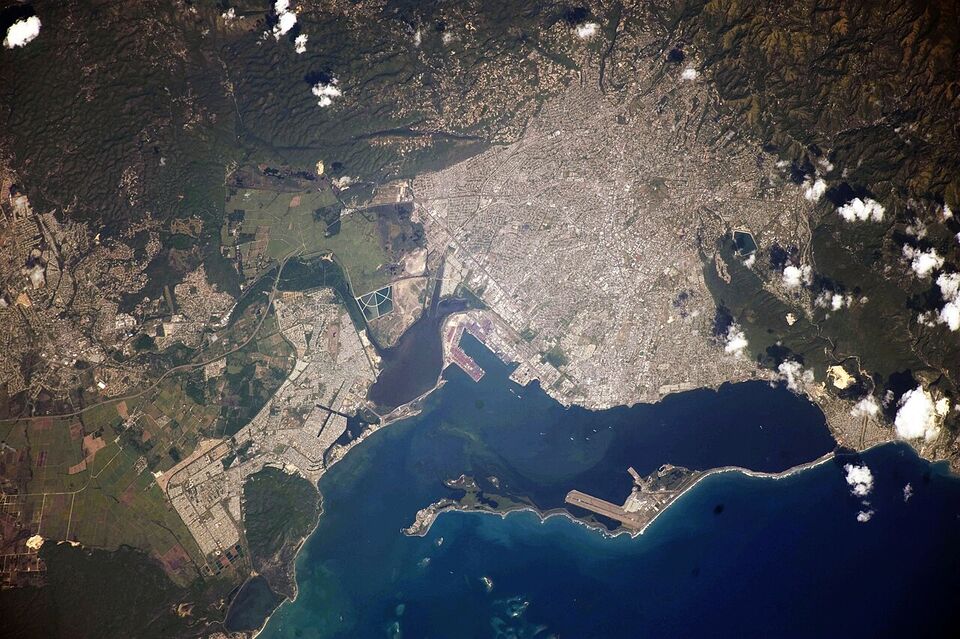
Jamaican music is not only for tourists. It is part of daily life on buses, in shops, at funerals and at street parties. The Kingston scene is the heart of it, with the sound system culture that produced reggae, dub and dancehall. In 2018 UNESCO added reggae music of Jamaica to its list of intangible cultural heritage. If you go to one city, make it Kingston.
The roots: from ska to dancehall
Jamaican popular music grew out of mento and calypso, American rhythm and blues heard on radio and sound system dances, and the island's own church and folk traditions. A rough timeline helps you hear the changes:
| Style | Roughly when | What it sounds like |
|---|---|---|
| Ska | Late 1950s to mid-1960s | Fast, upbeat, with offbeat guitar and horns; Jamaica's first home-grown pop. |
| Rocksteady | Mid to late 1960s | Slower and smoother, with a stronger bass line and vocal harmonies. |
| Reggae | Late 1960s onward | A heavier, slower beat with the guitar chop on the offbeat, and lyrics about love, faith and society. |
| Dub | 1970s | Stripped-down remixes of reggae tracks, with bass, drums and studio effects pushed to the front. |
| Dancehall | Late 1970s onward | A faster, digital sound built around a DJ or deejay, sound system culture and rhythm tracks. |
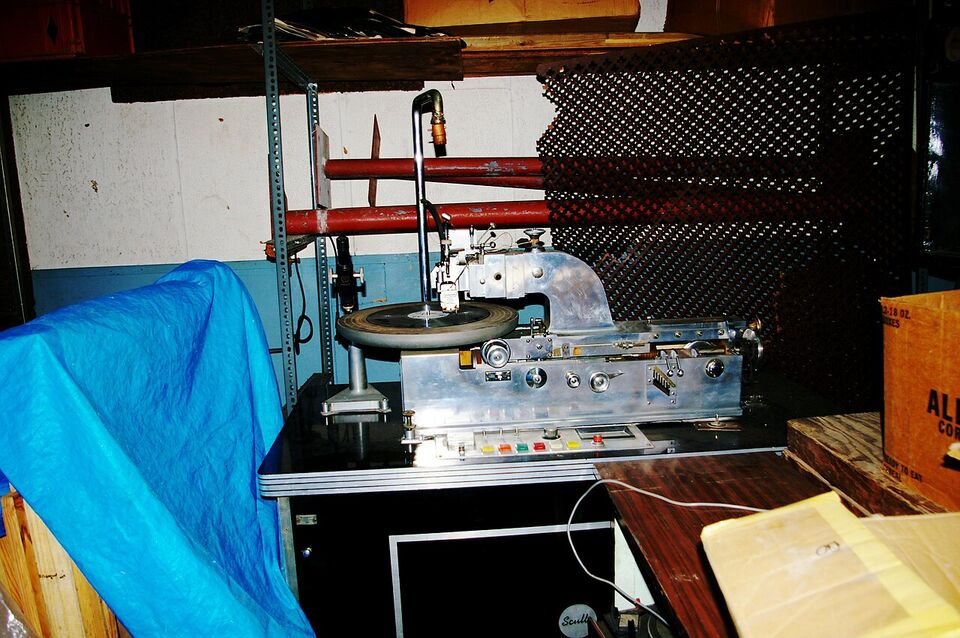
The engine of all of it was the sound system: mobile sets of large speakers, turntables and selectors that played at outdoor dances, then began making their own records. Producers and studios in Kingston turned these dances into a recording industry. That is why many of the most important places for music are in Kingston, not the resort towns.
Reggae also carries Rastafari thought, which came to Jamaica from the 1930s and shaped the lyrics and the identity of much roots music. Rastafari is a faith, and understanding that matters before you visit. See the etiquette section below.
Bob Marley sites
The Bob Marley Museum, Kingston
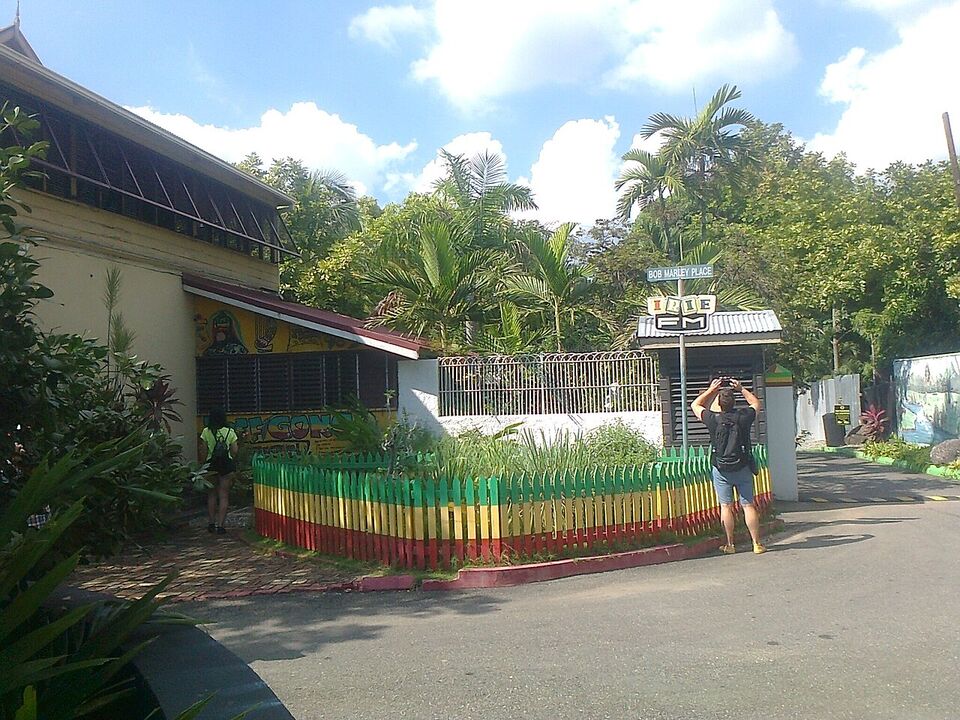
The Bob Marley Museum at 56 Hope Road is the obvious first stop. It is open Monday to Saturday, with guided tours between 10 a.m. and 4 p.m. The museum offers a Home Tour, a "Making of the Music" tour with a focus on the studio side, and a combo "One Love" tour. Book in advance through the museum's website, which has a booking calendar, or call 876-630-1588. The museum does not list prices on the operations page; as of November 2026, budget about US$25-30 for the home tour and check the site. The Jamaica Tourist Board listed it as open in November 2026. Our things to do in Kingston page has the full plan.
Tuff Gong
Tuff Gong is the label and recording studio founded by Marley and his circle. The practical way to experience it is the museum's studio-focused "Making of the Music" tour. Confirm where the tour begins and how it is run when you book, and see our Kingston sights page for details.
Trench Town
Trench Town is the West Kingston community where Marley lived as a young man and where many of Jamaica's best-known musicians started out. The Trench Town Culture Yard offers guided visits; the Tourist Board listed it as open in November 2026. Go through the Culture Yard or a driver you trust, rather than on your own, because the area has high crime and the US State Department advises caution in parts of Kingston. Treat it as a community, not an attraction: ask before taking photos, and tip your guide.
Nine Mile
Nine Mile, in the hills of St. Ann, is Marley's birthplace and the site of his mausoleum. It is a long day trip from Ocho Rios or Montego Bay or a very long one from Kingston, usually done through a tour operator. The Tourist Board's tours list did not include it as of November 2026, so check hours, prices and tour options after Hurricane Melissa. Ask your operator for written details, confirm that the site is open and be cautious about add-on charges. Our tours and excursions guide covers booking safely with licensed operators.
Insider tip
If you are based on the north coast, a Marley day trip to Kingston is long (about 1.5 hours each way from Ocho Rios on the toll highway, longer from Montego Bay). Consider sleeping a night in New Kingston instead, which also lets you see Port Royal and Devon House.
Beyond reggae: what else you will hear
Reggae is only one layer. On a bus or in a taxi you will hear dancehall, the faster, digital style that dominates younger audiences, and its offshoots. Gospel is also huge: church services, choirs and gospel radio are central to Jamaican life, and visitors who are invited to a service should dress modestly and sit quietly. Folk forms such as mento, and the drumming and songs of Maroon and Revival traditions, are heard at heritage events rather than in clubs.
Radio and sound system culture shape how you hear all of it. Selectors choose records by feel, the crowd reacts, and a track may be stopped and restarted. This is called a "pull up" or a rewind, and it is part of the performance rather than a mistake. If you are in a crowd and the music cuts, stay calm and enjoy it.
Other legends and where to find them
Marley is the best known, but Jamaica's music history is deeper than one name.
- Peter Tosh. A founding member of the Wailers and a major solo artist, Tosh was killed in 1987. A Peter Tosh Museum exists in Kingston. Check its address, hours and admission by phone before you plan a visit around it.
- Bunny Wailer. The third founding member of the Wailers, who died in 2021. His work is best explored through recordings and Reggae Month tributes.
- Toots and the Maytals. Toots Hibbert, who died in 2020, led a group that helped to give reggae its name and sound in the late 1960s.
- The studios and producers. Studio One and the producers of the 1960s and 1970s built the foundations of rocksteady and reggae. The Tourist Board's list also showed the Bunny Lee Museum and Recording Studio as open in November 2026; confirm hours before you go.
The best introduction to all of these is listening. Spend a few evenings before your trip with Jamaican radio or playlists so the names make sense when you arrive.
Reggae Month in February
February is Reggae Month in Jamaica. In 2026 it began on February 1 with more than 60 events, including a Bob Marley Tribute Concert on February 6 at Emancipation Park in Kingston and a Dancehall Week from February 22 to March 1. Bob Marley's birthday is February 6. February 6, 2027 falls on a Saturday. The 2027 program had not been announced in November 2026, so check the Jamaica Tourist Board and the Jamaica Cultural Development Commission for dates.
Reggae Month is a good time for a music trip because exhibitions, talks, school events and free concerts add to the usual schedule. It is also a busy month, as it falls in high season, so book flights and rooms early. Our festivals guide lists the year's main events.
Festivals: Sumfest, Rebel Salute and others
Reggae Sumfest
Reggae Sumfest is the island's best-known summer festival, traditionally held in Montego Bay in July. In 2026 it was reduced to a one-night event, "A Taste of Reggae Sumfest," on Saturday, July 18 at Plantation Cove in St. Ann, rather than its usual Catherine Hall location in Montego Bay. Organizers said Montego Bay remains its home. We found no 2027 dates. Treat July as likely, and check the festival's official channels before booking flights.
Rebel Salute
Rebel Salute is a roots-focused festival, traditionally held in January near Ocho Rios. The 2026 edition was not staged in Jamaica because of Hurricane Melissa, according to the festival's statement. We found no 2027 dates, so check whether it returns to Jamaica.
Other music events
Jamaica Carnival's Road March in Kingston was held on April 12, 2026, and follows Easter, so look for a spring date after Easter 2027 (March 28). The Reggae Marathon, now run on the Kingston Waterfront, is held in early December (December 6 in 2026). Smaller events appear on the Tourist Board's events page, so check it close to your trip.
Sound systems and street dances
A sound system is a mobile set of speakers, amplifiers and a selector or deejay, and a street dance is the party that forms around one. Weekly street parties, often called passa passa in Kingston, are an old part of the culture, and some now draw visitors. The scene is genuinely worth knowing about. It is also not a tourist activity in the usual sense.
Street dances start late, often after 10 p.m. They are crowded, loud and sometimes held in neighborhoods where a stranger stands out. Alcohol flows, phones and jewelry attract attention, and the way home is not always clear. If you want to go:
- Go with a local host or a trusted guide, not alone and not on a whim.
- Ask your hotel which events are suitable and which areas to avoid.
- Take only the cash and the phone you need, and leave jewelry and passports at the hotel.
- Arrange your own licensed taxi or driver to take you home, and agree the time in advance.
- Do not accept drinks from strangers, and keep an eye on your own.
- Leave if the mood changes, and do not argue with anyone.
Watch out
Read the current State Department advisory, which names higher-risk neighborhoods in Kingston and other cities. If a street dance is in one of those areas, give it a miss. A licensed venue or a festival is the safer way to hear the music live. Our safety guide has more.
Where to hear live music
Live music in Jamaica is less about permanent venues than about nights. Events change weekly, clubs open and close, and the best nights often depend on a particular artist or sound. We therefore do not give a list of venues; instead, use these routes, and check that anywhere you pick is open now.
- Kingston. New Kingston and the Hope Road area have bars, lounges and restaurants with live acts or deejays. Ask your hotel for tonight's recommendations and for a trusted taxi home.
- Resorts and hotels. Many resorts book local bands and have reggae nights. They are the safest, most predictable option and easy to add on to a beach trip.
- Negril. Cliff-side restaurants and bars often have live music. Rick's Cafe is open to the public from noon to 10 p.m. daily with no cover charge, according to its website, and is popular for sunsets.
- Festivals and concerts. Reggae Month, Sumfest and other ticketed events are the best way to see well-known acts.
- Free events. Park concerts, church and community events and school showcases happen across the island, especially in February and around holidays and Emancipendence (August 1-6).
Check venue websites or social media for the date, buy tickets from official sellers, and be wary of touts selling "tickets" on the street. See our Negril page for the west-coast scene.
Record shops and buying music
Kingston has long been a good place to find vinyl and recordings, from reissues to rare pressings. Several record shops and dealers operate in Kingston, some in areas best visited by day with a driver. Shops change, so ask your hotel or the museum staff for current suggestions and call ahead.
When buying, carry cash in J$ for small shops, check the condition of vinyl before you pay, and ask whether the shop can ship. Official souvenirs from museums and licensed shops are safe choices. Be wary of "bootleg" copies sold on the street. Rather than carrying records on a flight, check what your airline allows, and keep vinyl in a carry-on out of the heat. See our shopping guide for what US Customs allows you to bring home.
Behaving respectfully
Music in Jamaica is entangled with faith, politics and community, so a few habits go a long way.
- Rastafari is a faith. Many Rastafari follow dietary rules (Ital food is plant-based Rastafari cooking) and religious practice. Do not treat it as a costume, a joke or a photo opportunity. Ask before taking someone's photograph, and do not touch a person's hair.
- Ask before you photograph people, stalls and street scenes, and respect a "no". Some people will ask for a tip.
- Greet people. A friendly "good morning" or "good afternoon" before asking a question is polite.
- Do not caricature the language. Jamaican Patois (Patwa) is a language with its own grammar. Listen more than you try to speak it; see our Patois guide.
- Cannabis. Possession of 2 ounces or less brings a J$500 (about US$3) ticket and no criminal record, and smoking in public places is banned. It is illegal to take it to the US. We give no tips on buying it.
- Do not quote or sing lyrics at strangers as a greeting. It tends to land as a cliché. Ask a question about the music instead.
Our etiquette guide has more.
When to come for the music
If music is the main reason for your trip, time it around the calendar. February has Reggae Month and the biggest concentration of events in Kingston. July has Reggae Sumfest in or near Montego Bay, if it returns to its usual format. Early August brings Emancipendence (Emancipation Day on August 1 and Independence Day on August 6), with concerts, street events and a national mood of celebration. Early December has the Reggae Marathon in Kingston, and Christmas week brings Grand Market on December 24 in many towns.
Other times of year are quieter for big events but still good for museums and studios, and for fewer crowds. Because Hurricane Melissa disrupted several events in 2026, always confirm that a festival is going ahead before you book flights and rooms. See our when to go guide for weather and prices by month.
A music-focused itinerary
- Day 1
Arrive in Kingston
Check in to New Kingston, eat dinner nearby and listen to local radio. Keep the first evening quiet.
- Day 2
Museum and Trench Town
Book the Bob Marley Museum for the morning. In the afternoon, take a guided visit to the Trench Town Culture Yard (confirm status). Dinner with live music at a venue your hotel recommends.
- Day 3
Port Royal and a beach
Take a day to Port Royal and Lime Cay, or head north to Ocho Rios.
- Optional
Nine Mile
Arrange a licensed tour from the north coast, confirming that the site is open.
For a fuller plan see the trip builder, and for the practical side of Kingston, our Kingston guide. Dates and prices on this page are as of November 2026, and several event dates for 2027 had not been announced.
Add it to a route in the trip builder, or ask us to plan the hotels, trains and guides for you.