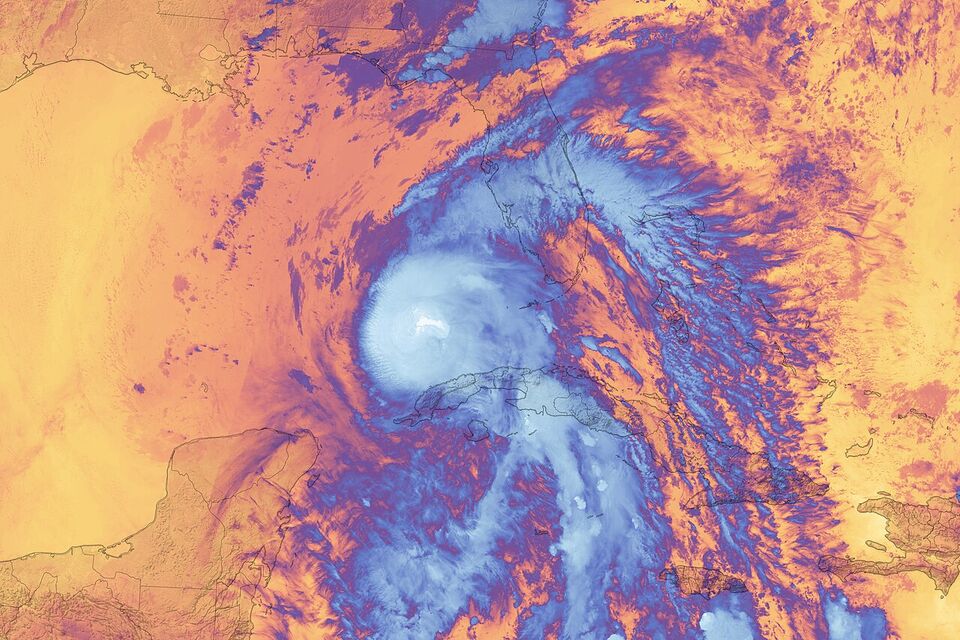
Hurricane season at a glance
The Atlantic hurricane season runs from June 1 to November 30. Most storms form between mid-August and mid-October, and the National Hurricane Center puts the statistical peak at about September 10. Jamaica can be affected by storms at either end of the season, but August to October is the period to be most careful. Outside those months, and especially from December to April, the risk is very low.
As of November 12, 2026, the season has less than three weeks to run. If you are booking for 2027, the lessons here apply to June through November.
The practical question for travelers is not whether a hurricane will hit Jamaica in a given week, which is unlikely, but how to arrange a trip so that a storm, or even a tropical storm that produces heavy rain and flight cancellations, does not cost you money or leave you stranded. This guide covers the season, what happened with Hurricane Melissa, how to plan, what happens when a storm threatens, and how resorts respond.
Hurricane Melissa and what it means for travelers
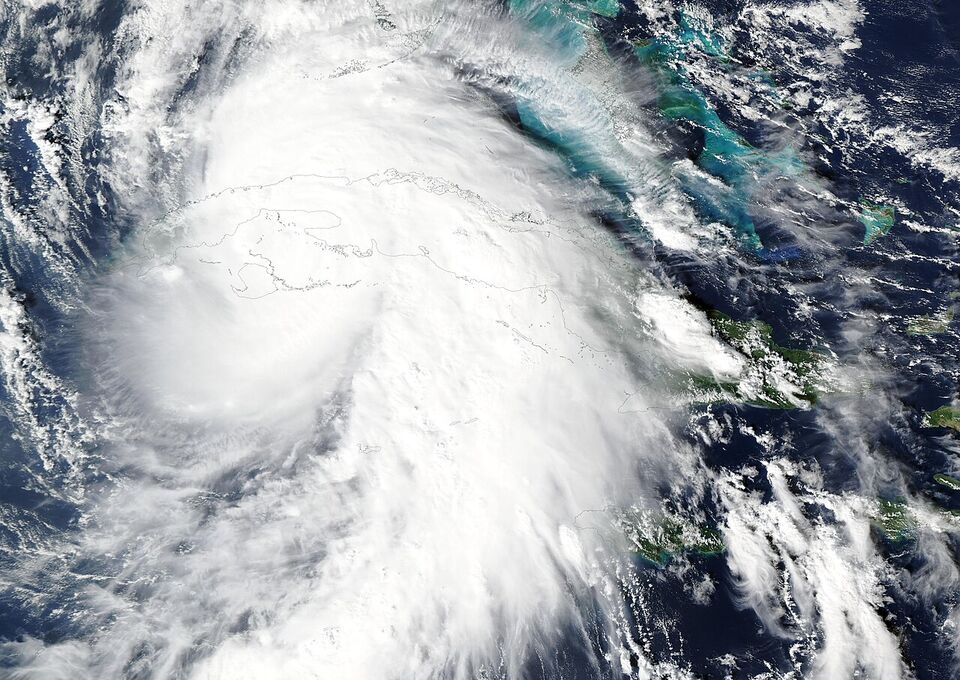
Hurricane Melissa made landfall near New Hope, Westmoreland, on October 28, 2025, as a Category 5 storm with winds of about 180 mph (290 km/h). It was one of the most powerful storms to hit Jamaica on record. The west and southwest took the worst of it, including Westmoreland, St. Elizabeth, St. James and Hanover, with Montego Bay and Black River heavily affected. Official figures in November 2025 counted 45 deaths and about 146,000 buildings with major or severe damage. Negril's hotels and the east of the island (Ocho Rios, Port Antonio, Kingston) came through with far less damage.
The airports closed and reopened in stages. Sangster Airport in Montego Bay was the hardest hit, and reopened for relief flights on October 30, 2025. Tourism officially reopened to visitors on December 15, 2025. A year later, the three international airports have full operations, though Sangster is still being repaired and expanded. All four cruise ports reopened in December 2025. About 80 percent of hotel rooms were operating in early November 2026, and the Tourist Board expects about 90 percent for the winter season, 95 percent by the end of March 2027 and full recovery around May 2027. Villas and apartments are recovering more slowly, at about 60 to 70 percent.
Our guide Jamaica After Hurricane Melissa covers what is open, area by area. For travelers, Melissa taught three practical lessons:
- A major storm can close an airport, a resort and the roads around it for weeks or months, so a refund or rebooking is more important than the date.
- Insurance and flight terms matter. Cover bought after a storm has a name is rarely valid for that storm, so buy early.
- Your visit helps. Tourism jobs are how many families recover, and the island has asked visitors to return. Visiting is respectful when you treat the damage as people's homes and livelihoods, not as a curiosity.
When to go and when to avoid it
Hurricane season overlaps with summer holidays and with the cheaper months. The balance for a traveler looks like this:
| Period | Storm risk | What to know |
|---|---|---|
| June to July | Low to moderate | Hot, with showers. Early-season storms are usually weaker and less frequent |
| August to October | Highest | Peak risk, plus heavy rain, especially in October. Cheaper prices, but book flexibly and insure |
| November | Low | The season is ending; still wet in places. Shoulder-season prices |
| December to April | Very low | The dry season and high season, from about December 15 to April 15, with the highest prices |
| May | Very low for storms | One of the wettest months, but outside hurricane season |
For weather, rain and prices month by month, see When to Go to Jamaica. If you are choosing between a lower price in September and a higher price in February, the savings are real, but so is the risk, and the plan below should be part of the decision.
How to plan a trip in hurricane season
Insurance
Buy travel insurance soon after you book your first non-refundable payment. Look for cover for trip cancellation, trip interruption and travel delay due to a named storm. The key rule is timing: insurers generally will not cover a storm that has already been named when you buy the policy. If you want the flexibility to cancel for reasons that are not covered, a "cancel for any reason" upgrade usually reimburses only part of the cost and has to be bought within a short window after your first payment, so read the terms. Check that the policy also includes medical evacuation, covered in our Health and Medical Care guide.
Flexible bookings
- Choose refundable or changeable hotel rates, or pay later where you can, for a trip between August and October.
- Check the resort's hurricane policy. Some offer guarantees or credits if a named storm affects your dates, but the conditions differ, so read the terms before you book.
- Use a credit card for deposits, which gives some protection if a supplier fails.
- Avoid booking tight connections or a cruise start or wedding date you cannot move without a buffer, and consider arriving a day or two early for a wedding or event.
- Book airline tickets that allow changes, or keep the date flexible.
Flights and flight waivers
When a storm is forecast to affect an airport, US airlines usually issue a travel waiver that lets you change your flight without a fee within a window. The details differ by airline and by storm, and they apply only once the airline has published the waiver. Check your airline's travel alerts page, use its app, and contact it before you go to the airport. Airlines do not usually refund a flight that is still operating. If your flight is cancelled, you are entitled to a refund under US rules, so ask for it instead of an expired voucher. See Flights to Jamaica.
What to carry
Take a copy of your insurance policy, a paper copy of your hotel booking and flights, your passport and a phone power bank. Keep medicines in your carry-on, and bring some cash in small notes in case power and card machines fail. Save the embassy number, +1 876-702-6000, and enroll in STEP at step.state.gov, which sends you alerts.
Insider tip
Buy insurance the week you book, not the week before you fly. Policies bought once a storm has a name are almost never covered for that storm, and in a busy season a storm can be named weeks before it reaches the island.
What happens when a storm threatens
Watches and warnings
The US National Hurricane Center and the Jamaica Meteorological Service issue forecasts and alerts. A hurricane or tropical storm watch means those conditions are possible in the area within about 48 hours. A warning means they are expected, typically within about 36 hours. The Meteorological Service (metservice.gov.jm) is the official source for Jamaica, and the Office of Disaster Preparedness and Emergency Management (ODPEM) coordinates the government response, shelters and public safety messages. Follow both, plus your resort or hotel, rather than social media rumors.
Airports and flights
Airports can close in advance of a storm, and flights are often canceled before the closure. After a major storm, airports may stay shut until damage is assessed. After Melissa, Sangster reopened for relief flights two days after landfall and for commercial flights on November 1, 2025, while Kingston reopened sooner. If a storm is forecast, contact your airline early to change flights, since seats on the last departures fill fast.
Leave early or stay put
If a watch or warning is posted for your dates, you have two choices: leave before the airports close, or shelter where you are. Leaving early is usually easier if the airline has a waiver. If you stay, follow the instructions of your hotel and local authorities. Do not drive in the storm, do not go to the beach or river, and do not wait until the last moment to decide. Stay away from windows, keep a charged phone, and keep to the resort's designated safe areas.
How resorts respond
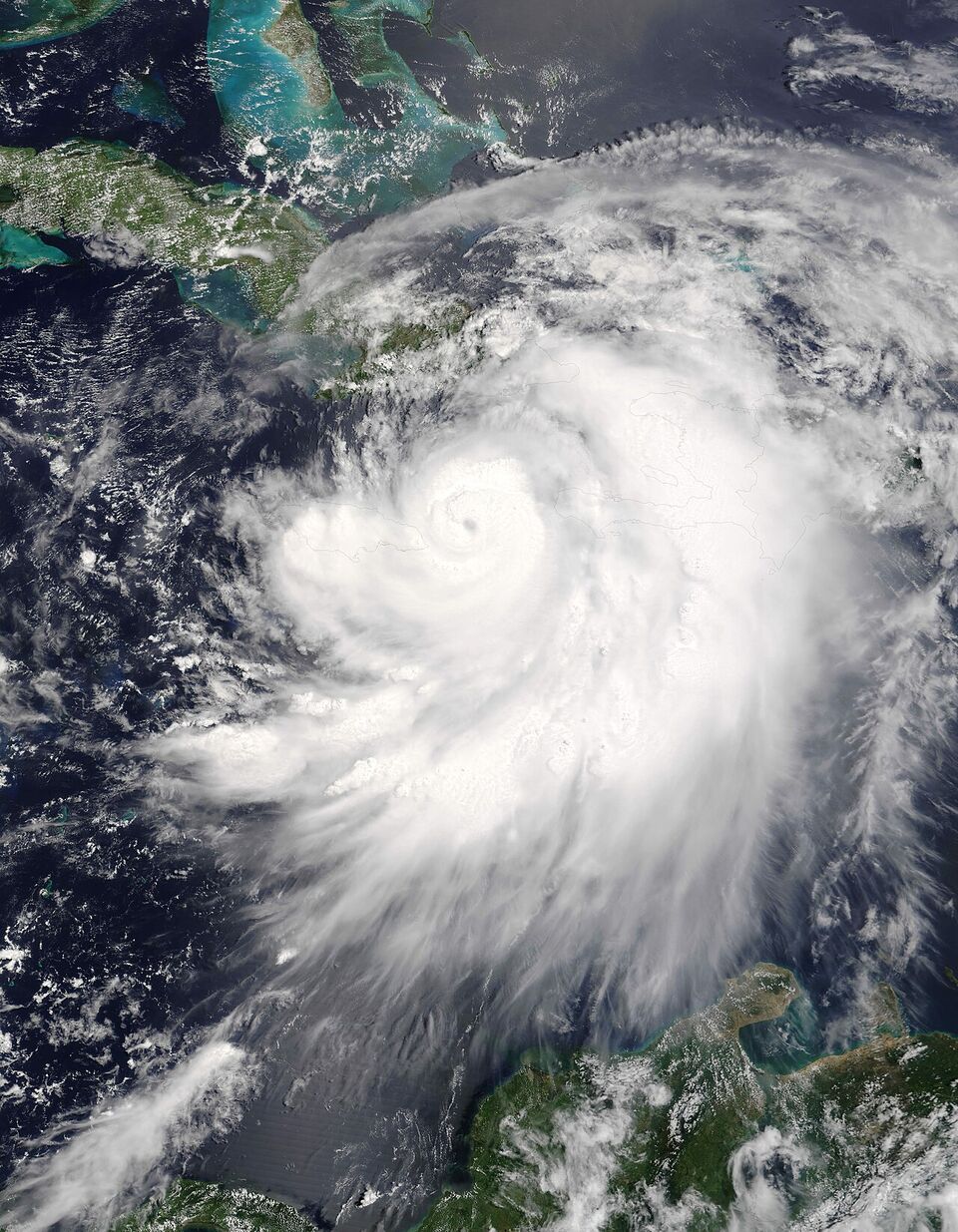
Large resorts and hotels have hurricane plans. Staff typically take down outdoor furniture, secure boats, stock water and food, and move guests to sheltered areas in the building. Many resorts keep generators for essential power and water. Specifics differ by property, so ask the resort about its procedures before you book a trip in the season.
- Before landfall. The resort contacts you, gives instructions and may ask you to move rooms or gather in a safe area. Some offer to help guests leave early.
- During the storm. Expect to stay inside. Services may be limited and amenities will close.
- After the storm. The resort assesses damage, and you may be asked to stay put until roads and airports reopen. Some resorts help with transfers and flight changes, and some close for repairs.
Ask whether the resort offers a hurricane guarantee, what it covers, and whether it applies to you if the airport closes rather than the resort. The details are usually in the booking terms. Resorts that reopened after Melissa did so on different dates, many months later in some cases. Check the Tourist Board's hotel reopenings page for current status, since dates are subject to change. See also All-Inclusive Resorts in Jamaica.
After a storm: traveling to a recovering island
If a storm has hit before your trip, check four things: whether your airport is operating, whether your resort or lodging is open, whether the roads you will use are passable, and whether the activities you want have resumed. After Melissa, some attractions in the southwest reopened within weeks, others after months, and some remain in repair. Official information comes from the Jamaica Tourist Board's travel alerts and hotel reopenings pages. Call your hotel directly.
- Expect some services to be limited, such as restaurants, tours or water sports.
- Road repairs and detours can add time to transfers, particularly in the west. Allow extra time and avoid night driving.
- Be flexible about activities, and book with licensed operators who can confirm what is running.
- Tip well and shop locally. Many workers lost homes or income in the storm, and tourism is how many families earn a living.
- Be mindful of people's homes and damage. Ask before taking photographs, and avoid treating affected areas as sightseeing stops.
Health points after floods, including leptospirosis and mosquitoes, are on our health page.
Booking advice for August to October
If you are traveling in the peak months, here is the approach we suggest.
- Choose the lower-risk end of the window if you can. Late August and early October carry less risk than the statistical peak in early to mid September, though storms can occur at any time.
- Insure early. Buy travel insurance when you make your first deposit and read the named-storm terms.
- Book refundable. Use refundable rates for hotels and flexible airfares, or pay close to the date.
- Read the resort's hurricane policy and ask about guarantees, rebooking and what happens if the resort closes.
- Pick a base that suits the weather. There is no area immune from storms, but the reopened east and north coast, and the resort areas with the most recent recovery information, are easier to plan for.
- Do not stack bookings. Avoid scheduling a cruise, a wedding or an international connection right behind a Jamaica trip.
- Watch the forecast from about a week before you leave and be ready to move your dates.
Save money
Shoulder-season discounts in the wet months are real, and travelers who pair them with flexible bookings and insurance can make good savings. If you cannot afford to lose the trip cost, choose the dry season instead, from December to April, when the risk is low and prices are highest.
Reading a forecast like a traveler
Forecast language can be confusing, and a few points help you decide early. A tropical storm has sustained winds of 39 to 73 mph (63 to 118 km/h), and a hurricane has winds of 74 mph (119 km/h) or more. Category 3 and above are "major" hurricanes. The forecast "cone" on a National Hurricane Center map shows the likely track of the center, not the size of the storm: wind, rain and flooding reach well outside the cone, and Jamaica's mountains turn heavy rain into landslides and river floods even when the center passes offshore.
The practical rule is to act on the first watch, not the last warning. Airlines tend to waive change fees when a storm is forecast to reach an airport, and rooms and seats on the last flights out fill fast. A storm that passes south of the island can still cancel flights, close beaches and flood roads for a day or two. Two days of bad weather cost you much less than a missed connection, so build a day or two of slack into the end of your trip if you are traveling in the season.
Villas, rentals and cruises
Most of the advice above is written with resorts in mind, but villas, apartments and guesthouses raise other points. A host may have no formal hurricane plan, no generator and no stocked water, so ask. Check the cancellation terms: some hosts offer a credit for a named storm and others do not. Villas and apartments were also slower to recover after Melissa, at about 60 to 70 percent of pre-storm stock as of late 2026, so confirm that the place you are booking is open and fully repaired, and ask for recent photos. Our Where to Stay in Jamaica guide explains the choices.
Cruise passengers face a different situation. Ships avoid storms, and the cruise line decides whether to skip Jamaica or change the itinerary, so a storm affecting a port usually means a substitute stop rather than a cancelled trip. Read your cruise line's policy on port changes, which generally do not entitle you to a refund. Jamaica's four cruise ports reopened in December 2025. See Cruises to Jamaica.
One more habit is worth building: check your own plan on the day each deadline passes. Most hotels and tour operators set a cancellation cutoff, often several days before arrival, and a storm that is still far out in the Atlantic on that day can be a problem by the time you fly. If a system is being tracked toward the Caribbean at your cutoff, decide then whether to change your dates, rather than hoping it turns away.
Staying informed
- Jamaica Meteorological Service: metservice.gov.jm, for forecasts, watches and warnings.
- ODPEM: odpem.gov.jm, for emergency management, shelter and public safety information.
- US National Hurricane Center: nhc.noaa.gov, for storm tracks and forecasts.
- Jamaica Tourist Board: visitjamaica.com/travel-alerts, for status of airports, hotels and attractions.
- Your airline and hotel: for flight changes and procedures.
- US Embassy and STEP: alerts to US citizens in Jamaica.
For emergency numbers and what to do if you need help, see Safety in Jamaica. For questions that come up most often, see the Jamaica FAQ for Americans.
Add it to a route in the trip builder, or ask us to plan the hotels, trains and guides for you.