Overview
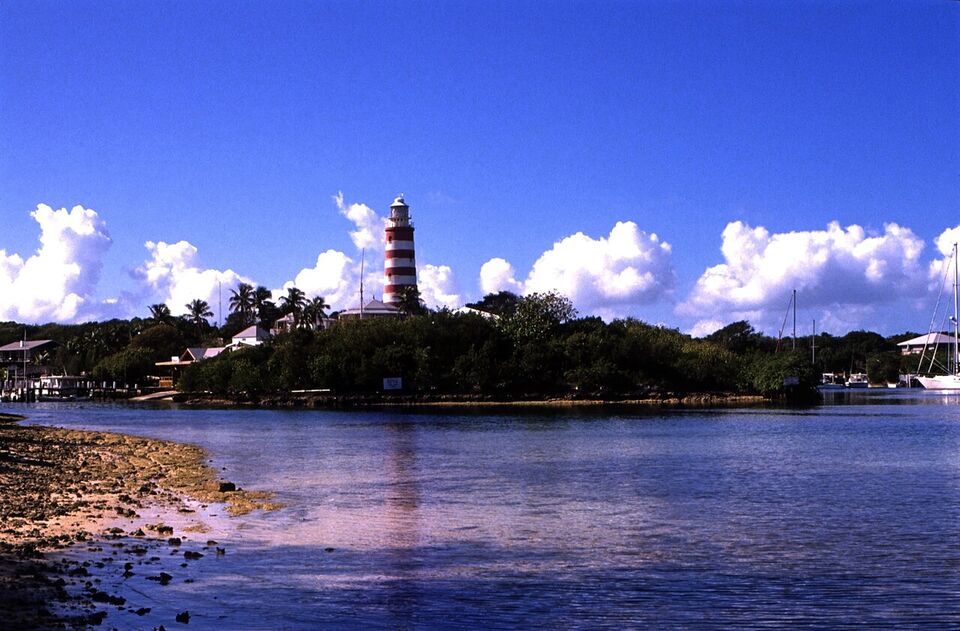
The Abacos are the boating capital of the Bahamas: a long chain of barrier cays and two larger islands in the north of the country, with sheltered water inside the chain called the Sea of Abaco. Most visitors come for a few quiet days on a cay, such as Elbow Cay with the red-and-white lighthouse at Hope Town, with beaches, boat rides and small settlements. The main town on the larger island, Marsh Harbour, is the gateway and the service center, and you will most likely pass through it.
The archipelago lies about 193 miles (310 km) east of Miami. Flight times depend on your connection, so check airlines. It has about 16,600 residents spread across the islands and cays, with Marsh Harbour the largest settlement at around 5,300 people. The pace is slow, and the choice that matters most is which cay to base on, because each has a different ferry, a different feel and a different set of places to stay.
The Abacos were hit hard by Hurricane Dorian in September 2019, and a section below explains what we can and cannot say about recovery as of November 2026. For how the Abacos compare with other islands, see the Bahamas' islands.
Getting to the Abacos
The Abacos are served by three airports: Leonard M. Thompson International at Marsh Harbour (code MHH), Treasure Cay (TCB) and Sandy Point (YAS). Marsh Harbour is the main gateway, and Treasure Cay is the nearer choice for Green Turtle Cay.
Flights
Bahamasair flies to Marsh Harbour from Nassau, and the airline advertised Marsh Harbour-West Palm Beach fares from $226.99 on its site in November 2026. That is a promotional "from" fare, not a standing price. Flamingo Air is listed as linking Freeport with Marsh Harbour. Other carriers and routes change, and Silver Airways stopped flying in 2025, so confirm current options on bahamasair.com and the airlines' own sites. Our flights page covers airline choices, and Nassau airport transfers explains how to connect from the international terminal to an inter-island flight.
Plan connections with a cushion. A small plane that leaves late or is canceled for weather can cost a night, and small planes have tight baggage limits, so ask the airline before you pack.
Ferries and boats from Nassau, Freeport or Florida
Bahamas Ferries lists an office in Marsh Harbour and an Abaco office, and says freight sails from Freeport to Marsh Harbour. We could not confirm a regular passenger ferry to Abaco from Nassau or Freeport, and no scheduled passenger ferry from Florida is listed in our sources, so check bahamasferries.com and the ferry operators before you build a plan on one. Many boaters arrive in their own vessels from Florida, and the Bahamas changed its pleasure-vessel clearance and cruising rules in 2026, so skippers should read the current guidance on the Customs site.
Once in the Abacos, short ferries link the main cays to Marsh Harbour and each other, and we cover them below.
Marsh Harbour: the gateway
Marsh Harbour sits on a peninsula off the Great Abaco Highway and has most of the services in the Abacos: supermarkets, a post office, laundries, travel agencies and shops. It is the commercial hub and the third-largest city in the Bahamas. Visitors use it for supplies, the ferry docks to the cays and the airport, and some stay in lodgings along the waterfront. It is not the picturesque part of the Abacos, and most people stay only a night or skip it.
The town was devastated by Dorian: about 90 percent of its infrastructure was damaged, the airport was underwater for days and the shantytowns on the edge of town were destroyed. Ask locally what has been rebuilt. Treat Marsh Harbour as a practical base for provisioning and for day trips by boat, including kayak trips in the Marls, an area of mangrove flats, with naturalist guides.
The road runs south from Marsh Harbour on the Great Abaco Highway toward Cherokee Point and Little Harbour, and north on a highway toward Treasure Cay and Little Abaco. A rental car is useful on Great Abaco, and the Bahamas drives on the left; see driving for the rules.
The cays compared
Each main cay has its own character. The right one depends on what you want from the days.
Elbow Cay and Hope Town
Hope Town is a harbor village around a red-and-white lighthouse, and the best-known place to stay. Golf carts, bicycles and walking are the way around. It suits couples and families who want a village base.
Green Turtle Cay
New Plymouth, the main settlement, has narrow streets and a long history. It is quieter than Elbow Cay and good for slow days, sailing and snorkeling.
Great Guana Cay
A small settlement and a long beach on the Atlantic side. It is for visitors who want to do very little.
Treasure Cay
Despite the name, Treasure Cay is on Great Abaco, with its own airport and a resort and marina area. It is a car-friendly base for beach days and a launch point for Green Turtle Cay.
Man-O-War Cay
A tidy settlement known for boat building. Visitors usually come as a day trip by ferry or boat.
Marsh Harbour
Not a cay, but where you land and shop. Stay only if you need services or an early flight.
A short comparison for choosing:
| Base | Feel | Getting around | Best for |
|---|---|---|---|
| Hope Town, Elbow Cay | Village, most visited | Walk, bike, golf cart, boat | First-timers, couples, families |
| Green Turtle Cay | Historic, quiet | Golf cart, boat | Slow trips, sailors |
| Great Guana Cay | Very small, beach-focused | Golf cart, walking | Beach days with little to do |
| Treasure Cay | Resort and marina area | Car or golf cart | Beach, golf, easy flights |
| Marsh Harbour | Practical town | Car, taxi | Supplies, one-night stops |
Hope Town and the Elbow Reef Lighthouse
Hope Town is on Elbow Cay, a cay about 5 miles (8 km) long. Loyalist settlers arrived in 1785, and the community lived by fishing, boat building and salvage. Cars and golf carts are not meant to go through the center of the village; the lanes are narrow, and walking and bicycles are the norm. Golf carts are the main transport elsewhere on the cay. Supplies arrive by barge.
The Elbow Reef Lighthouse is the landmark. It was built in the early 1860s, stands roughly 90 feet (27 m) tall and is painted in red and white bands. It is one of the last lighthouses still lit by kerosene and operated by hand: keepers crank a weight mechanism that turns the lens, which flashes five times every 15 seconds. It is run by the Elbow Reef Lighthouse Society (elbowreeflighthousesociety.com), and it survived Dorian. Visiting hours and the climb fee could not be confirmed for 2026, so check with the Society before you go.
Beyond the village, the cay has beach and snorkeling spots. At the south end, Tahiti Beach has a sand bar at low tide that is popular with boaters, and snorkeling nearby in Tilloo Cut. Because tides drive the experience, ask locally about timing. Our beaches and snorkeling pages cover the safety basics.
Green Turtle Cay, Guana Cay and Treasure Cay
Green Turtle Cay
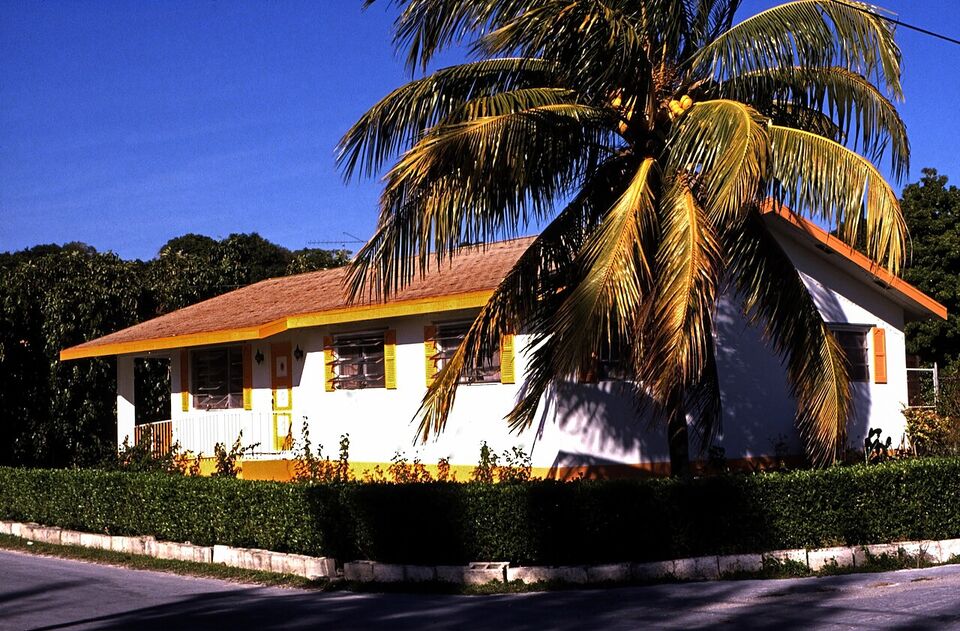
New Plymouth is the main settlement, and the cay is small enough to cover by golf cart in an afternoon. It is a Loyalist-era community, and the pace is slower than Hope Town. The ferry connects it to the mainland on the Treasure Cay side, so if you fly in, Treasure Cay airport is more convenient than Marsh Harbour for this cay.
Great Guana Cay
Guana is a long barrier cay with a small settlement and a famous beach. Reach it by ferry or boat from Marsh Harbour. Plan for a quiet stay: there is not much to do beyond the beach and the water.
Treasure Cay
Treasure Cay is a mainland resort area with a marina and an airport, and the tourism board lists golf among the Abacos' draws. Because it has road access, a rental car or golf cart works, and it suits visitors who prefer a land base to a cay. The terminal building was badly damaged by Dorian, so check what is open.
The Sea of Abaco and boating
The Abacos are the boating capital of the Bahamas, with sheltered water inside the barrier cays and a reef outside. Sailors and powerboaters use the Sea of Abaco for island-hopping, and visitors without a boat can rent small boats, take water taxis, snorkel on guided trips or charter a captain for a day. For fishing and sailing information, see fishing and boating.
If you rent a small boat yourself, read the rules first. The State Department warns that boating is not consistently regulated and that injuries and deaths occur, and some watercraft are unsafe or uninsured. Ask what safety gear and insurance a rental includes, check the weather and tide each morning, and tell someone where you are going. Fishing for hire without a Bahamas Port Department license can bring detention and fines, so use a licensed guide.
Two other practical points. Cruising and clearance rules for private boats changed in 2026, so skippers should check Customs. And the chain is exposed on the Atlantic side: sea conditions can turn quickly.
Getting around: golf carts, ferries and boats
Getting around is part of the trip, and it differs from home.
- Golf carts. The main way to get around Elbow Cay, Green Turtle Cay and Guana Cay. They drive on the left. Rental rates and rules vary, so ask the rental company about local rules and insurance.
- Ferries and water taxis. Short ferries link Marsh Harbour to Elbow Cay (Hope Town and White Sound), Man-O-War Cay and Guana Cay, and a separate ferry generally serves Green Turtle Cay from the northern mainland, not from Marsh Harbour. Operators and times change by season and weather, and we have no current fares. Check the operator's timetable before you book.
- Rental cars. Useful on Great Abaco, especially between Marsh Harbour, Treasure Cay and the south. The Bahamas drives on the left, and many rental cars are right-hand drive and some are left-hand drive imports, so check which you are given.
- Your own boat. Many visitors charter a boat or bring one. It is the most flexible way to reach beaches and small cays.
Insider tip
Carry cash. Small cay restaurants, golf cart rentals and ferry operators may not take cards, and change is often given in Bahamian money, which is hard to exchange back home. The two currencies are pegged one to one (B$1 = US$1), so US dollars work everywhere. Ask for change in US dollars if you can.
Where to stay
Accommodation in the Abacos is mostly small: guesthouses, cottages, villas and marina-side inns, with a few larger resort complexes. We do not name specific properties because we could not confirm which are open in 2026, and we have no confirmed nightly rates. A few points on choosing:
- Book early for the busy season from mid-December to April, and for holiday weeks.
- Match the cay to the ferry timetable before you pay a deposit. This is the most common planning mistake: a cay can look close on the map but depend on a ferry that runs a few times a day or only in certain seasons.
- Ask whether the cottage has power, water and air conditioning backup, and what happens in a storm. Dorian knocked out the power grid for the whole of the Abacos.
- Ask about the all-in price. VAT, a service charge or resort fee and a gratuity can be added to the room rate.
See where to stay for how to compare lodging, and families if you are traveling with children. Our budget page explains how costs add up, including the cost of getting between cays.
Recovery after Hurricane Dorian and the 2026 season
Dorian made landfall on Elbow Cay on September 1, 2019, at Category 5 strength, with sustained winds of 185 mph (295 km/h), tying the strongest Atlantic landfall on record. Across the Abacos and Grand Bahama about 13,000 homes (45 percent of homes) were severely damaged or destroyed, and at least 70,000 people were left homeless. In northern Abaco, about 60 percent of homes were damaged or destroyed. The power grid serving the Abacos was destroyed, and the Treasure Cay airport terminal and the Marsh Harbour airport were badly damaged or flooded. The storm caused about $3.4 billion in losses nationwide, at least 74 deaths and hundreds of people missing.
What has been rebuilt? The Ministry of Tourism says Abaco recorded its highest total visitor arrivals on record in 2025, just under 520,000, driven by record sea arrivals, and describes this as continued recovery. That is a visitor number, though, not a count of repaired buildings. We could not confirm project-by-project what has been rebuilt, which businesses have reopened or which areas are still in recovery, and we do not describe the Abacos as fully rebuilt or as still devastated. Hope Town's lighthouse survived the storm and still operates.
Watch out
Do not assume old photos match the town now. Pictures taken before 2019 show buildings that no longer exist, and pictures taken just after show damage that may now be repaired. Ask your host for recent photos or a video call, and check dates on any listing.
The 2026 hurricane season
The Atlantic hurricane season runs from June 1 to November 30, with the peak in late August to September. Through November 14, 2026, the season had produced 10 named storms and one hurricane, and none is reported to have struck the Bahamas. The season ends on November 30. For any storm, check the National Hurricane Center (nhc.noaa.gov) and the Bahamas Department of Meteorology. See our hurricanes page and when to go. If you travel in the season, buy travel insurance that covers storms, and ask your host about the cancellation policy.
Disney's Castaway Cay, a cruise-ship stop that used to be Gorda Cay, lies near Great Abaco Island. It is for Disney guests, so it does not change your options as a land visitor, but you may see it named on charts and maps.
A sample four-night plan
This plan suits a first visit and assumes you fly into Marsh Harbour. Boat times change with the season and weather, so confirm every crossing.
- Day 1
Land and cross to Elbow Cay
Pick up groceries and cash in Marsh Harbour if you are self-catering, then take the ferry or a water taxi to Hope Town. Do not plan anything else; arrive in daylight and walk the harbor.
- Day 2
Lighthouse and village
Visit the Elbow Reef Lighthouse when it is open (check with the Lighthouse Society), then spend the afternoon on a beach on the Atlantic side.
- Day 3
Tahiti Beach and snorkeling
Head south by golf cart or boat to Tahiti Beach and Tilloo Cut. Ask locally about the tide, and use a guide or a reputable boat rental.
- Day 4
A second cay
Take a day trip to Man-O-War Cay or Great Guana Cay by ferry or boat, and return by the last boat. Check that time before you leave.
- Departure
Back to Marsh Harbour
Take an early ferry, leave a buffer before your flight and keep a few small bills for the last taxi.
For a quieter trip, swap the second cay for Green Turtle Cay and fly in and out of Treasure Cay instead.
Common mistakes and quick planning
- Booking the wrong cay for the ferry. Check the operator's timetable and last departure before you reserve a room, and confirm which dock the boat uses.
- Trusting old photos. Recent images and a call with your host beat a listing photo from before 2019.
- Arriving without cash. Bring small US bills for golf carts, taxis, ferries and small restaurants.
- Squeezing a tight flight connection. Plan a night's buffer on the way home.
- Forgetting the left-hand rule. Golf carts and cars both use the left side of the road.
For a first trip, many visitors spend three to four nights on one cay, such as Elbow Cay, and add a day trip to a second. If you want a broader route, combine the Abacos with Nassau or Grand Bahama, since Freeport and Marsh Harbour are linked by a small airline. For other quiet islands, see Eleuthera and the Exumas.
Add it to a route in the trip builder, or ask us to plan the hotels, trains and guides for you.