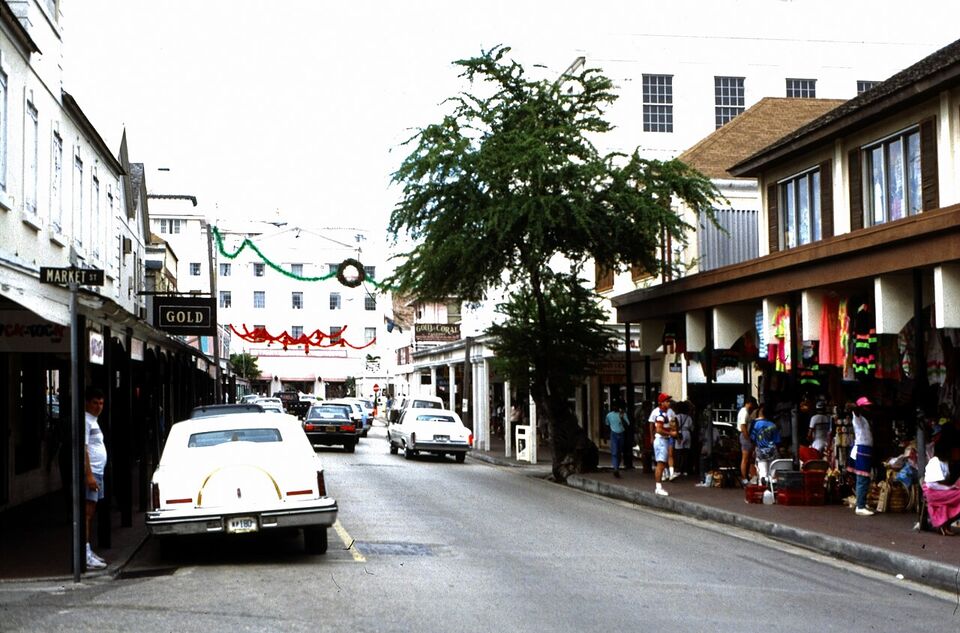
Overview: do you need to drive at all?
Most visitors to the Bahamas do not need to drive, and many will have a better trip without a rental car. In Nassau, taxis, jitney buses, water taxis and your own feet cover the usual sights, and resort stays on Paradise Island and Cable Beach are built around shuttles and short rides. On the Out Islands the answer flips: beaches, restaurants and settlements can be miles apart, and a car or golf cart is often the practical way to see them.
Two things set driving here apart from driving at home. Traffic keeps to the left, and the roads (especially away from Nassau) can be narrow, patched and dark at night. Neither is a reason to stay away, but both are reasons to plan. This page covers when a vehicle makes sense, what to check with the rental company, how golf carts work and what to do instead.
Rules change, so where we say "check", confirm with the rental company and the Bahamas Road Traffic Department. For boats, planes and buses, see getting around the Bahamas.
Different from home
The Bahamas drives on the left, but some cars on the road are American-style imports with the steering wheel on the left, as in the US. In those cars you sit by the curb, not next to the center line, which makes it harder to judge where your lane is and when it is safe to pass. Pay attention to where the center line is, not where you are sitting.
Driving on the left
Driving on the left is the main adjustment. Everything you do at home is mirrored: a short left turn becomes the easy one, a right turn crosses oncoming traffic, and you pass on the right. The first intersection, first parking lot exit and first roundabout are where mistakes happen, because you will default to the habits of years.
The steering wheel may be on either side. Many rental cars are right-hand drive, and some are left-hand drive imports from the US, even though traffic moves on the left. Check which you are given, and expect the turn signal and wiper stalks to be on the opposite side if the car is right-hand drive.
A few habits help:
Say "stay left" out loud at every turn, especially when leaving a parking lot or gas station onto an empty road, and drive slowly for the first hour in daylight before you tackle town traffic.
If you are tired from a flight or have been drinking, do not drive. We have not confirmed the legal alcohol limit, so the safe rule is none. Arrange a taxi or a driver instead.
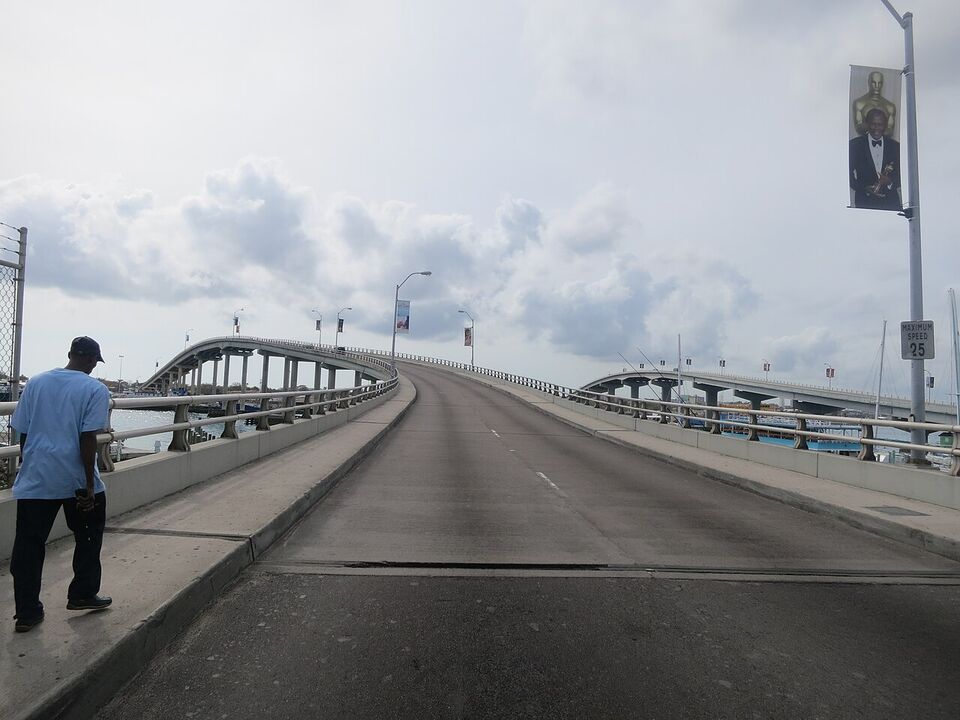
Do you need a rental car?
Nassau and Paradise Island
Usually not. If you are staying at a resort on Paradise Island or in the Cable Beach hotel strip, taxis and shuttles reach the airport, downtown, the Fish Fry at Arawak Cay and the main attractions. The airport has set zone fares, and published guidance from the local tourism office puts the airport to Cable Beach at about $30, to downtown at about $36, and to Paradise Island at about $45 plus the bridge toll for two passengers (these figures are undated; confirm the fare before you get in).
A car makes sense in Nassau if you stay in a vacation rental away from the main tourist areas, travel with several children and a lot of gear, or want to see the island on your own timetable. Rental cars are available at the airport and in the city. Read our Nassau guide and the airport transfer page before deciding.
Out Islands
On the Out Islands (also called the Family Islands) the question is more about distance. Many beaches, restaurants and settlements are several miles apart, there may be no bus and taxis may be few. If you want to visit more than one beach in a day, a rental car or a golf cart may be the practical choice. On a small cay with a town and a beach within walking distance, you may not need either.
- Great Exuma and George Town: local sources say transport varies by cay and may be a taxi, a rental vehicle or a golf cart. See the Exumas guide.
- Eleuthera: a long, narrow island, about 110 miles (180 km) from end to end, where a vehicle makes it much easier to move between settlements. See Eleuthera.
- Abaco: cars and boats are available on the main island, while on some cays rental golf carts and bikes are the main way around. See Abaco.
- Hope Town on Elbow Cay: golf carts are the main mode of transport, and local sources say cars and carts may not be allowed inside the village streets, only on the outskirts.
On many islands you can also hire a taxi driver for a half day, which can be the best of both worlds: no left-side driving, a local guide and no parking to worry about. Ask your lodging for names, agree the price first, and bring cash. The Out Islands overview explains how the islands connect.
License, rental terms and insurance
Visitors normally rent with the license from home, and the question we are asked most is whether Americans need an international driving permit. We have not found an official source that says either way, so ask the rental company, which sets its own requirements and is the one who will turn you away at the counter. Bring your US driver's license, a passport and a credit card in the driver's name, which is the usual combination for rentals worldwide.
Questions to ask before you book:
- What is the minimum age, and is there a surcharge for drivers under 25?
- Is a US license enough, and is anything else required?
- How large is the deposit, and is it held on the card?
- Is the car left-hand or right-hand drive, and is it an automatic?
- What does the rental price include: collision damage waiver, third-party liability, VAT and airport fees?
- Does the contract allow driving on unpaved roads or beach tracks?
Insurance is the place to read slowly. Many US auto policies and some credit cards cover rental cars abroad, but plenty do not cover every country, and some exclude certain vehicles. Call your insurer and your card company before you leave, ask whether the Bahamas is covered, and get the answer in writing. If you are unsure, buy the cover the rental company offers. VAT of 10% applies to most goods and services in the Bahamas, so check whether the quote you are given is before or after tax; the money guide covers taxes and fees.
Watch out
Do not assume your US policy or your credit card covers a rental in the Bahamas. Ask for written confirmation that the Bahamas is included, what is excluded (golf carts, trucks and scooters are commonly excluded) and whether you must decline the rental company's insurance to use the card benefit.
After any collision, call the police (911 or 919) and the rental company; a police report is usually needed for an insurance claim. Our safety page lists emergency numbers with the US Embassy contacts.
Roads, roundabouts and speed
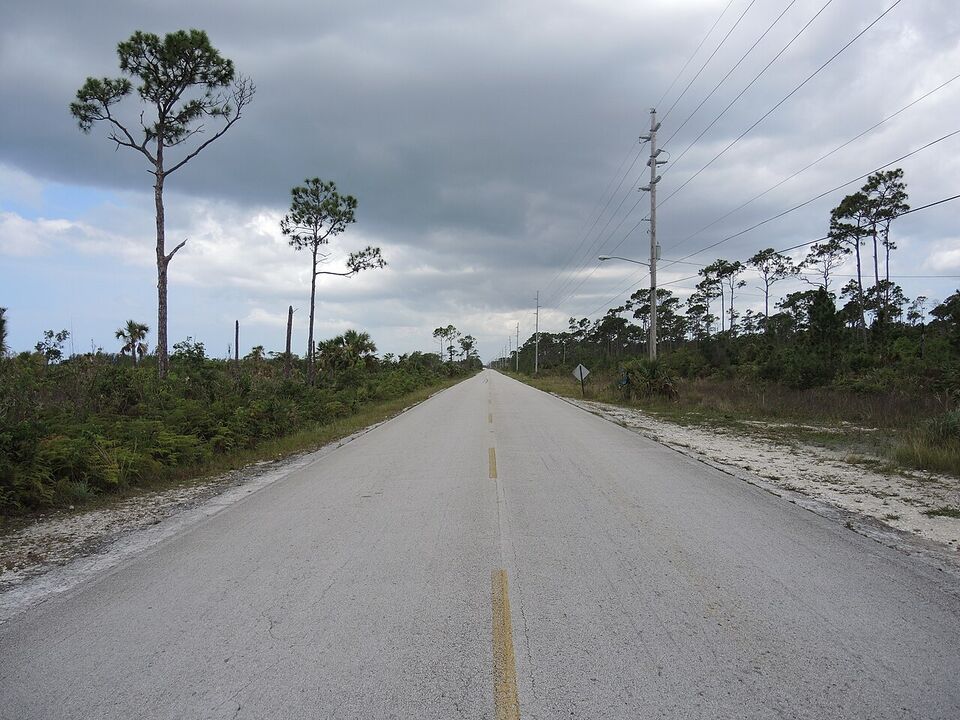
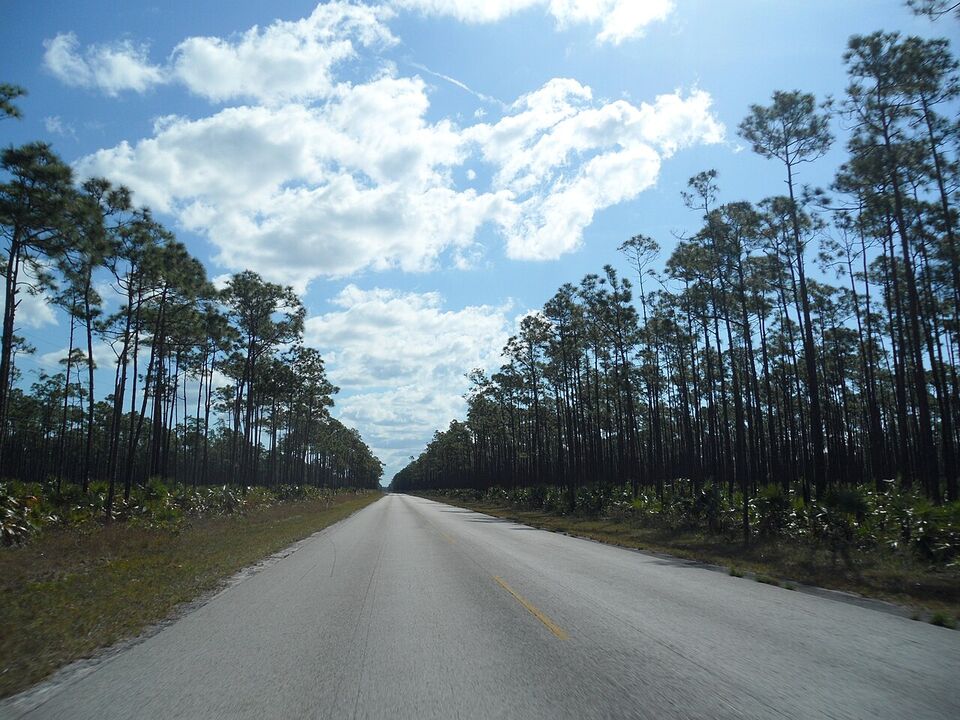
Road quality varies by island. In and around Nassau the main roads are paved and busy, with heavy traffic at rush hours and a mix of buses, taxis, delivery vehicles and cars. On the Out Islands the main road is often a single paved strip with patches, soft shoulders and the occasional pothole. Beach access roads can be sand, loose limestone or dirt, and may turn muddy or flooded after rain.
Roundabouts
Roundabouts are the most common source of confusion for visitors, because, as in other countries that drive on the left, traffic circulates clockwise. In the US you are used to counterclockwise circles, so you may look the wrong way. Follow the signs and markings, enter slowly, look right, and keep left. If you take the wrong exit, drive around again rather than reversing.
Speed and driving habits
Speed limits are posted on signs, and they are usually lower through settlements and near schools. We have not been able to confirm the national limits or whether the signs show miles per hour or kilometers per hour, so read each sign, ask the rental company, and err on the slow side. Pedestrians, bicycles and animals may be on the road, especially at dusk.
Night driving
Do not drive at night unless you have to. Many Out Island roads have no street lights, no reflectors and no shoulder, and a dark road that curves along a coast is hard to read even if you know it. Pedestrians in dark clothes, stray dogs and goats, and slow golf carts without lights are easy to miss. Plan dinners so that you drive home before dark or arrange a taxi.
Insider tip
Photograph the car on all sides at pick-up and note scratches on the rental form. Check the spare tire and jack: on a remote island a flat tire can mean a long wait.
Golf carts
On small cays, golf carts are the normal local vehicle and the usual visitor rental. They are quiet, easy to drive and let you stop at beaches, shops and restaurants without worrying about parking. They are also the cause of many accidents, because they are slow, open and easy to roll on hills or sand.
Rental rules vary by island and by company. Ask about:
- Age and license: whether a driver's license is required and the minimum age, and whether children may ride.
- Deposit and insurance: what is covered, what you pay if the cart is damaged, and whether your credit card cover applies.
- Where you may drive: some streets, such as parts of Hope Town, are closed to carts, and beaches and unpaved tracks may be off limits.
- Night use: whether the cart has working lights and whether rentals are allowed after dark.
- Seat belts and safety: carts may have none, so keep children seated and do not overload the cart.
- Fuel or charging: whether the cart is electric or gas and what you must return it with.
Drive on the left, keep your speed modest and give way to cars, which are bigger and faster than you. Do not drink and drive a golf cart; assume the same drink-driving rules apply to a cart as to a car. Lock the cart and take valuables with you when you park at a beach.
We have no confirmed rental prices, so ask for the total including tax and any damage waiver, and book carts and cars early for holiday weeks.
Fuel, parking and breakdowns
We have no confirmed fuel price, so check the pump and the unit it is priced in (gallons or liters) before you fill up, and budget generously on the Out Islands.
On small islands gas stations can be few and may close early or on Sundays. Fill up before you leave a main settlement, and when a tank drops to half, take the next chance. Ask your lodging where the stations are and whether they take cards; see money for cash on the Out Islands.
Parking in Nassau downtown is limited, and some streets are narrow. Paid lots and street spaces exist, but the simplest solution is to park once and walk. Do not leave valuables visible in a parked car; the State Department advisory for the Bahamas is Level 2: Exercise Increased Caution (as of November 2026), and it recommends staying alert, especially in vacation rentals. Check travel.state.gov before you go.
If the car breaks down, call the rental company first. Out Island rental companies often know the island well and can send someone, but help can take a while, so keep your phone charged and carry water.
Taxis, jitneys and other ways around
If you do not want to drive, you have good options.
- Taxis: in Nassau, taxis are the usual choice for visitors, with set fares for set zones and a customary tip of about 15% of the fare. Confirm the price before you get in, and carry small bills, since change often comes back in Bahamian money.
- Jitney buses: Nassau's public minibuses cost about $1.50 per person one way. You need exact change and pay as you exit. They are cheap and a good way to see local life, but routes can be confusing and service may be limited in the evening.
- Water taxis: between downtown Nassau and Paradise Island the water taxi costs about $7 per person and takes about 10 minutes; confirm the dock and the price.
- Walking: downtown Nassau and the cruise port are walkable. Carry water; there is little shade.
- Hotel shuttles and private drivers: many resorts run shuttles, and private drivers can be booked for airport pickups or day trips.
Between islands, you will need a boat or plane. See getting around for ferries and mailboats, and flights for the airlines. Cruise visitors have their own set of options, covered in cruises and private islands.
Save money
Compare the cost of a car with a few taxi rides. On a short stay, one airport round trip and two or three day trips by taxi often cost less than a week's rental, fuel, insurance and parking. Share taxis with other guests for longer trips.
Scooters and motorbikes
Scooters are rented on some islands, but they carry the most risk: roads can be gritty, potholed and wet, and you will be riding on the opposite side from home. Many travel insurance policies exclude motorbike accidents.
If you do rent one, ask whether a motorcycle license is needed, whether a helmet is provided and required, what insurance is included, and whether your own travel insurance covers you. Wear a helmet and closed shoes, and ride in daylight only. A golf cart or a taxi is a safer choice for most visitors.
Before you go: a checklist
- Decide whether you need a car, a golf cart or neither for each island on your trip.
- Book vehicles ahead for holiday weeks and on the smaller islands, where supply is limited.
- Bring your US driver's license, passport and a credit card in the driver's name.
- Ask the rental company about age, deposit, insurance, left- or right-hand drive and where you may drive.
- Call your insurer and card issuer about rental coverage for the Bahamas and get it in writing.
- Plan to be off unlit roads before dark.
- During hurricane season (June 1 to November 30), check the National Hurricane Center and the Bahamas Department of Meteorology, and read the cancellation terms. See hurricanes.
If you are still choosing where to base yourself, where to stay explains how location affects whether you need a vehicle. Resorts that are walkable to beaches and restaurants can save the cost of a car entirely.
Add it to a route in the trip builder, or ask us to plan the hotels, trains and guides for you.