The short answer
For most Americans the best time to visit the Bahamas is December to April: it is the driest stretch, daytime highs sit around 79 to 84°F (26 to 29°C), and the sea is swimmable but cool for some. It is also the most crowded and expensive time. The hot, humid, wetter months run from about May to October. Rooms are usually cheaper then, the water is warmest, and hurricane season (June 1 to November 30) adds risk.
Every month works for some kind of trip. What changes is rain, heat, crowds, price and, in the late part of the year, the risk of a storm. Weather figures on this page are Nassau monthly averages, 1991 to 2020, from the Bahamas Department of Meteorology as reproduced in reference tables. The Exumas run close to Nassau, so Nassau is a fair guide there. Grand Bahama is a few degrees cooler in winter because it is farther north.
Different from home
There is no winter in the Bahamas as we know it. "Cold" means a night in the mid-60s°F (about 18°C) in Nassau, with an occasional front that makes it feel cooler and windy. The same Eastern Time zone as New York applies all year, so there is no jet lag, and the Bahamas changes its clocks on the same dates as the US.
The two seasons
The dry, cooler winter season (December to April)
Nassau averages 5 to 7 rainy days a month (days with at least 1 mm) from December to April, and the monthly rainfall is the lowest of the year (about 43 to 74 mm). Highs run from about 79°F (26°C) in January to 84°F (29°C) in April. The sun is out for most of the day. Sea temperature is in the mid-70s°F (24°C) in January to March, which feels fine for a swim on a sunny day but cool for long snorkeling without a thin wetsuit.
This is also the high season. Hotels charge their highest rates, flights fill early, and Nassau's streets and Paradise Island are busy, especially on days when several cruise ships are in port. If you want winter weather, book early and accept that prices will be higher.
A winter cold front can bring a few cool, windy days, mostly from December to March. Nassau's record low is 46°F (8°C) in January. Fronts pass quickly. They can roughen the sea, which matters for boat days and ferries.
The hot, humid, wetter summer (May to October)
From June to September, Nassau's highs are about 89 to 91°F (32 to 33°C) and the rainy days climb to 15 to 18 a month. Rain often comes as short heavy showers, not all-day gray. Humidity is high. Sea temperature is in the low-to-mid 80s°F, the warmest of the year, which suits long swims and snorkeling.
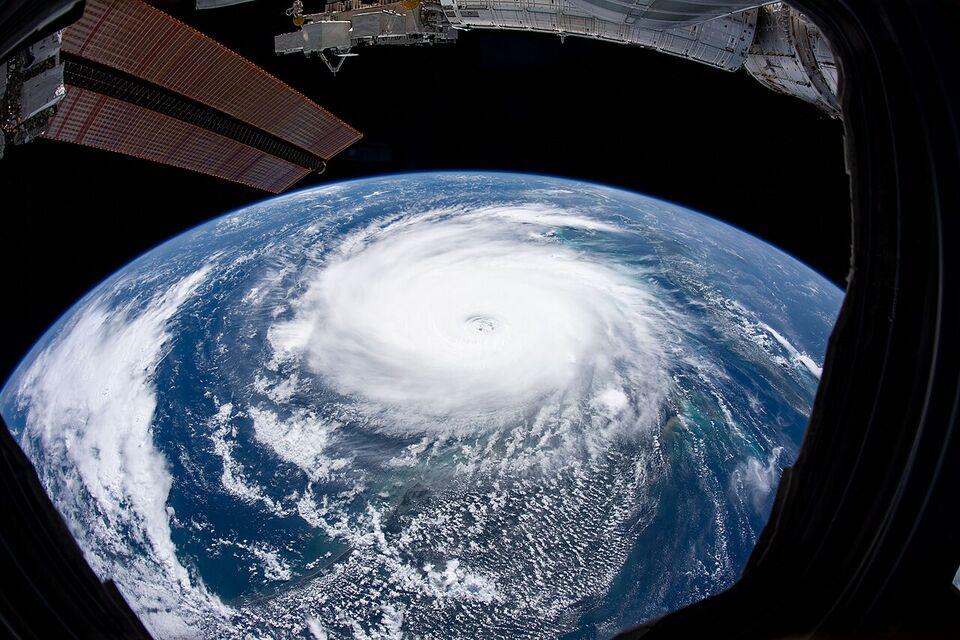
Summer is the low season for tourism. Rates are lower and beaches are emptier, but it is also hurricane season, and the tropical downpours can interrupt boat days. Plan indoor backups and keep dates flexible. Our hurricanes guide covers how storms work in the Bahamas.
Shoulder months: late April to May, and November
These are the sweet spot for many travelers. In late April and May, the heat is building but rain is still moderate (about 74 mm in April and 139 mm in May at Nassau), and rates ease before summer. In November, the highs are about 83°F (28°C) and the sea is about 79°F (26°C), warm enough for most swimmers. November is still in hurricane season until the 30th, and the busy winter rates have not yet started. See November in the Bahamas, December, January, February and March.
Month by month
Use the word columns for planning and the numbers in the second table for packing. "Cost" is a general pattern in room rates and flights, and exact prices vary by island and hotel. Always compare the all-in price including VAT, any service charge, resort fee and gratuity.
| Month | Weather feel | Crowds | Cost level |
|---|---|---|---|
| January | Dry, sunny, mild; cool front possible | Busy, especially around New Year's | High |
| February | Dry, sunny and among the coolest months | Busy | High |
| March | Dry, warming, sunny | Very busy: spring break and school holidays | High |
| April | Warm, mostly dry, humidity rising | Busy around Easter, easing after | High at Easter, then moderate |
| May | Hot, more showers | Quiet | Moderate to low |
| June | Hot, humid, wet; hurricane season begins | Quiet to moderate | Low to moderate |
| July | Hottest, humid, frequent showers | Moderate (family travel, Independence week) | Low to moderate |
| August | Hottest and one of the wettest | Quiet | Low |
| September | Hot, wet; peak of hurricane season | Quietest | Lowest |
| October | Still hot and wet, cooling late | Quiet | Low |
| November | Warm, drier, comfortable | Quiet, picking up near Thanksgiving | Moderate |
| December | Dry, pleasant; cool nights | Quiet early, very busy from mid-month | Moderate early, highest around Christmas |
Nassau normals for packing, with highs and lows in °F (°C) and days with at least 1 mm of rain:
| Month | Average high | Average low | Rainy days |
|---|---|---|---|
| January | 79°F (26°C) | 65°F (18°C) | 7 |
| February | 80°F (27°C) | 65°F (19°C) | 5 |
| March | 81°F (27°C) | 66°F (19°C) | 6 |
| April | 84°F (29°C) | 70°F (21°C) | 7 |
| May | 86°F (30°C) | 72°F (22°C) | 10 |
| June | 89°F (32°C) | 76°F (24°C) | 15 |
| July | 91°F (33°C) | 77°F (25°C) | 16 |
| August | 91°F (33°C) | 77°F (25°C) | 18 |
| September | 90°F (32°C) | 76°F (25°C) | 17 |
| October | 87°F (31°C) | 75°F (24°C) | 13 |
| November | 83°F (28°C) | 70°F (21°C) | 9 |
| December | 80°F (27°C) | 67°F (20°C) | 7 |
The Nassau year averages 1,426 mm (56 inches) of rain on 130 days. The wettest months are June, August and September. Freeport, using older 1971 to 2000 figures, runs about 3 to 5°F cooler in winter than Nassau, with winter lows near 60°F (15 to 16°C) in January and February, so pack a light layer there.
Hurricane season: what it really means for a trip
Hurricane season officially runs from June 1 to November 30, with the peak from late August through September (the midpoint is around September 10). The long-term Atlantic average is about 14 named storms and 7 hurricanes a season, and most of them do not hit the Bahamas. In 2026 the Atlantic had 10 named storms through November 14, one of which became a hurricane in the Gulf of Mexico. None is reported to have hit the Bahamas. The season ends on November 30.
What season means in practice:
- Cheaper rooms. Rates drop, which is the main reason to go.
- A risk of disruption. A storm can cancel flights and ferries, close airports for days and damage hotels. Most storms that threaten the Bahamas give several days of warning, and hotels and airlines usually offer rebooking options (check each one's policy before you book).
- Travel insurance. Buy it when you book, and read what it covers for a named storm. Policies often limit cover if you buy after a storm is named.
- Late-season storms still happen. A hurricane struck the southern islands in late October 2025, so October and November are not risk-free.
Before and during your trip, check the National Hurricane Center (nhc.noaa.gov) and the Bahamas Department of Meteorology. Islands recover at different speeds after a storm, and Hurricane Dorian (2019) showed how long damage can last on Abaco and Grand Bahama. Ask your hotel what is open rather than assuming. See hurricanes.
Watch out
Do not book non-refundable rooms and tours for August or September without insurance and a flexible plan. If a storm is forecast, airlines usually let you change your flight, but you may be on your own for rooms, tours and boat bookings.
Crowds: holidays, school breaks and cruise days
The Bahamas is busiest from mid-December to April. Within that, the peak weeks are Christmas and New Year's, US school holiday weekends, spring break (mostly March) and Easter. Easter Sunday is March 28, 2027, with Good Friday on March 26 and Easter Monday on March 29. These dates come from a secondary holiday list; confirm before you plan.
Public holidays also change what is open. Christmas Day is Friday, December 25, 2026. Boxing Day is December 26, which is a Saturday, and the day off may fall on Monday, December 28; check the official notice. New Year's Day is Friday, January 1, 2027. Expect banks and many shops to close, and check ahead. Junkanoo parades traditionally run on Boxing Day and New Year's Day on Bay Street in Nassau, starting in the early hours. Times and tickets for 2026-27 are not yet confirmed; check the Ministry of Tourism. See festivals.
In Nassau, cruise ships add thousands of people to downtown on many days. The tourism office reported more than 10.6 million sea arrivals in 2025 (86.5% of a record 12.5 million visitors) across the country. Downtown streets, the Straw Market and the beaches near Prince George Wharf are busiest from mid-morning to mid-afternoon on ship days. If you want quiet, go early, head for Cable Beach or the Out Islands, or plan your sightseeing for a day with fewer ships (ask your hotel or check the cruise port's published ship schedule).
Out Islands do not have the same crowds. They fill up in winter and at regatta and holiday times, though, and small hotels can book out entirely. In June, Eleuthera holds its Pineapple Festival in Gregory Town (usually in June, check the date), and the National Family Island Regatta in George Town is usually held in the first half of the year, often April (2027 dates not confirmed).
Save money
The shoulder months of late April to May, and November and early December before the holiday rush, often bring lower rates with decent weather. Weekdays can cost less than weekends. Avoid Christmas, New Year's and Easter weeks if your dates are flexible.
Water temperature, swimming and snorkeling
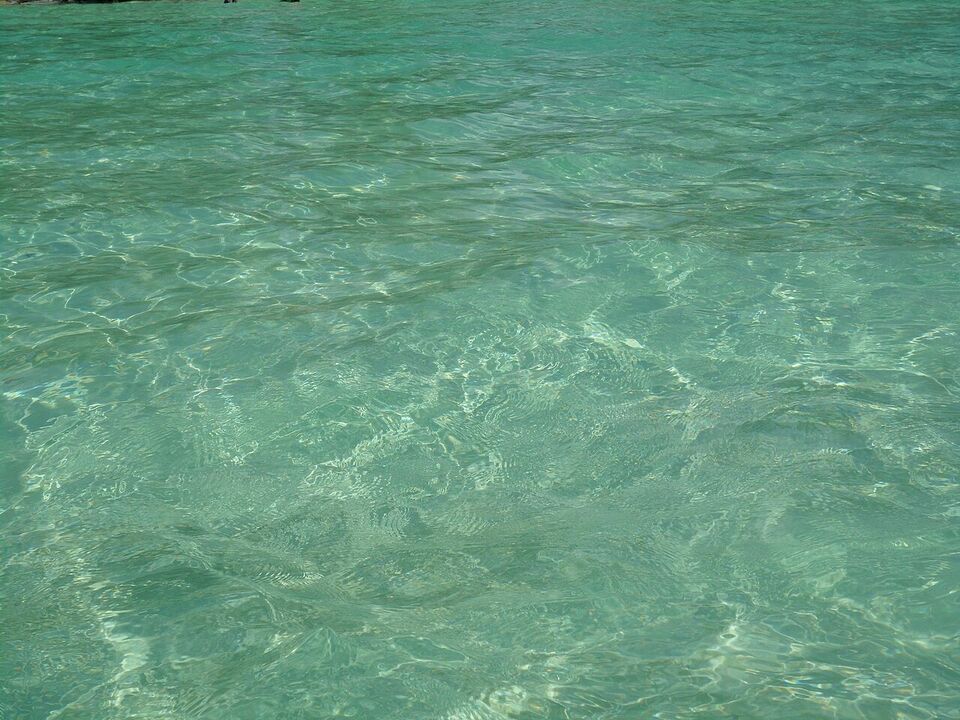
Two reference tables for Nassau sea temperature disagree by up to 2°F, so treat these as approximate: mid-70s°F (about 24°C) from January to March, rising to around 79°F (26°C) in May and November, and low-to-mid 80s°F (28 to 29°C) from June to October. For most adults, the water is comfortable for swimming from April or May to November. In winter, some people wear a thin wetsuit or rash guard for long snorkel or dive sessions.
Visibility, currents and wind matter as much as temperature. Snorkeling is best on calm days, and strong winds or fronts can close tours. Book boat tours for the first part of your trip so you have spare days. See diving and snorkeling.
Fishing and sailing seasons
You can fish all year, but some species have closed seasons. The following come from a 2020 fisheries poster by a Bahamian non-profit (BREEF), not a government page, so confirm them with the Department of Marine Resources before you plan around them:
- Spiny lobster (crawfish): closed from April 1 to July 31.
- Nassau grouper: capture, purchase and sale prohibited from December 1 to February 28.
Visitors fishing from a boat that is not Bahamian-owned need a sport fishing permit; you can register online or at Customs and Immigration on arrival, and you must not fish until it is done. Catch limits, flats licensing and spearfishing rules are in our fishing and boating guide.
For sailing and boating, winter brings fronts with stronger winds, and summer brings heat, calmer days and the risk of storms. Most charter companies and boaters plan around hurricane season, so ask your charter operator which months it offers. Always check the marine forecast before crossing open water, and see the Florida page if you are bringing your own boat from the US.
Events that can shape your dates
A festival can be the reason to go, or the reason rooms are scarce. These are the ones we can describe, with what we could and could not confirm.
- Bahamas International Film Festival: December 7 to 14, 2026, on two islands: December 7 to 9 on Harbour Island and December 10 to 14 in Nassau. The Opening Night Gala is on Thursday, December 10 at Baha Mar (listed at $475 per person). Harbour Island is small, so rooms there that week may be scarce.
- Junkanoo: the big parades are traditionally on Boxing Day and New Year's Day, in Nassau on Bay Street, starting in the early hours. UNESCO added Junkanoo to its list of intangible cultural heritage in 2023. Last season, George Town on Exuma also held a Junkanoo on January 3 and Nassau held a junior parade on January 29. We have no confirmed 2026-27 times or ticket details.
- Staniel Cay Regatta: held around New Year's Day.
- Easter: beach picnics and regattas on Easter Monday, March 29, 2027.
- Independence week: builds to July 10, with parades and fireworks. July 10, 2027 is a Saturday, so the day off is typically Monday, July 12 (check the official notice).
Our festivals guide has more, and the December and January pages cover the holiday weeks in detail.
How the season differs by island
The two-season pattern applies across the country, but the details change. Nassau and the Exumas are close in climate. Grand Bahama and Bimini sit farther north and feel cooler on winter nights. The southern islands, such as Long Island, San Salvador and Inagua, are farther from Florida and take longer to reach, so you should plan around flight schedules as much as weather.
Business hours also follow the season on small islands. Some Out Island restaurants and guesthouses close for part of the slow season, so call before you book a room in a place that has only a few restaurants. Where an island has one ferry or one flight a day, a single cancelled service can cost you a day, which is another reason to build slack into a summer trip.
Booking flexibly around the season
- High season (mid-December to April): book flights and rooms as early as you can, and read the cancellation terms. Resort day passes, such as the Atlantis Aquaventure pass, have to be bought in advance and are refundable only up to four days before arrival.
- Shoulder months: you can book later and still find rooms, and prices are more negotiable.
- Hurricane season: choose refundable or changeable rates where you can, pay with a card that has trip protection, and buy insurance that covers storms. Read the policy before you pay.
Whatever the month, check the official pages before you leave: the National Hurricane Center (nhc.noaa.gov), the Bahamas Department of Meteorology, travel.state.gov for the current advisory (Level 2, Exercise Increased Caution, as of November 2026) and your airline. The planning guide shows how to put these steps in order.
Which month for which trip
Honeymoon or couples
For beach weather with fewer crowds, aim for late April to early June or November. For the driest and most reliable winter weather, choose January to March and book early. Avoid Christmas and spring break if you want quiet. A quieter island such as Eleuthera, the Exumas or Harbour Island suits couples, and the weddings and honeymoons guide covers licences and timing.
Families
School calendars decide most family trips. Winter and spring breaks are the busiest and most expensive. Summer is hot, but water parks and pools work well, and rates are lower. Pick a resort with shade and pools for July and August. See families.
Diving and snorkeling
Warm water and calm days matter most. May to October gives the warmest water, with a hurricane risk in the later months; winter has cooler water and more wind from fronts. Ask your dive operator which months it recommends for the site you want. See diving and snorkeling.
Budget travelers
Late summer to early fall gives the lowest rates, but with the highest storm risk, so buy insurance and keep dates flexible. The best-value balance is often late April to early June, or November. Check the budget page and our planning guide for how to cut costs.
Anglers and boaters
Fishing events are held at several islands, including Bimini and the Berry Islands (the Berry Islands hold fishing events in May), but we could not confirm 2027 dates. Check closed seasons and permit rules first.
Add it to a route in the trip builder, or ask us to plan the hotels, trains and guides for you.