Overview
Most visitors to the Bahamas have trips without trouble, but the country is not crime-free, and the water can be more dangerous than it looks. The US State Department's advisory is Level 2: Exercise Increased Caution due to crime (as of November 2026). It was renewed on July 28, 2026 with the level and risk indicators unchanged. Check travel.state.gov for the current text before you book and again before you fly.
This page turns that advisory into plain advice: where crime concentrates, how to avoid common scams and thefts, how to stay safe in the water and on boat tours, what to do on the road, how to handle hurricane risk and medical emergencies, and which numbers to call. We keep it factual and neutral. We do not label any island or neighborhood safe or dangerous: conditions change, and local advice on the day beats any general rule.
For a shorter, direct answer, read Is the Bahamas safe?. For the medical side, see health and medical care.
Watch out
The two risks that cause most harm to visitors are not exotic: unregulated water sports and boats, and unsecured vacation rentals. Both are called out by the advisory and both are avoidable with a little planning.
What the State Department advisory says
The Bahamas is at Level 2 on the State Department's four-level scale, which means "Exercise Increased Caution." The reason given is crime. Level 2 is the second of four levels. It is not a recommendation to stay away; it is a prompt to prepare.
The July 28, 2026 summary, as reported by news sources that cite it (we could not load the travel.state.gov page ourselves), highlights these points:
- Violent crime. Armed robbery, burglary and sexual assault can occur anywhere, but are reported mostly in Nassau and Freeport.
- Over the Hill. Stay alert in the part of Nassau known as "Over the Hill," the area south of Shirley Street, where gang violence has killed residents.
- Vacation rentals. Be especially alert in vacation rentals, particularly those without private security.
- Boats and jet skis. Commercial watercraft and water tours are not consistently regulated, injuries and deaths have occurred, some craft are unsafe or uninsured, and sexual assaults by jet-ski operators have been reported. US government employees may not use independently operated jet skis on New Providence and Paradise Island.
- Beaches. Do not swim alone, watch for boats near the shore, and be alert in public restrooms near the downtown Nassau beaches. The advisory also names sharks, overestimating snorkeling ability and ignoring marine weather alerts as risks.
- Fishing for hire. Chartering or working as a for-hire fishing operator without a Bahamas Port Department licence can lead to detention, vessel seizure, fines of up to $100,000 and up to three years in prison.
Because the wording changes at each renewal, treat our summary as a guide to what to look for, not as a replacement for the source. The US Embassy in Nassau also asks travelers to enroll in the Smart Traveler Enrollment Program (STEP) at step.state.gov so the embassy can send alerts, for example hurricane messages.
The general crime picture
Most of the crime the advisory describes is concentrated on New Providence (Nassau) and Grand Bahama (Freeport), the two most populated islands. Many Out Islands are small and quiet, and visitors there tend to face different risks (weather, boats, medical distance). That is a general observation, not a guarantee: theft and other crime happen everywhere people live.
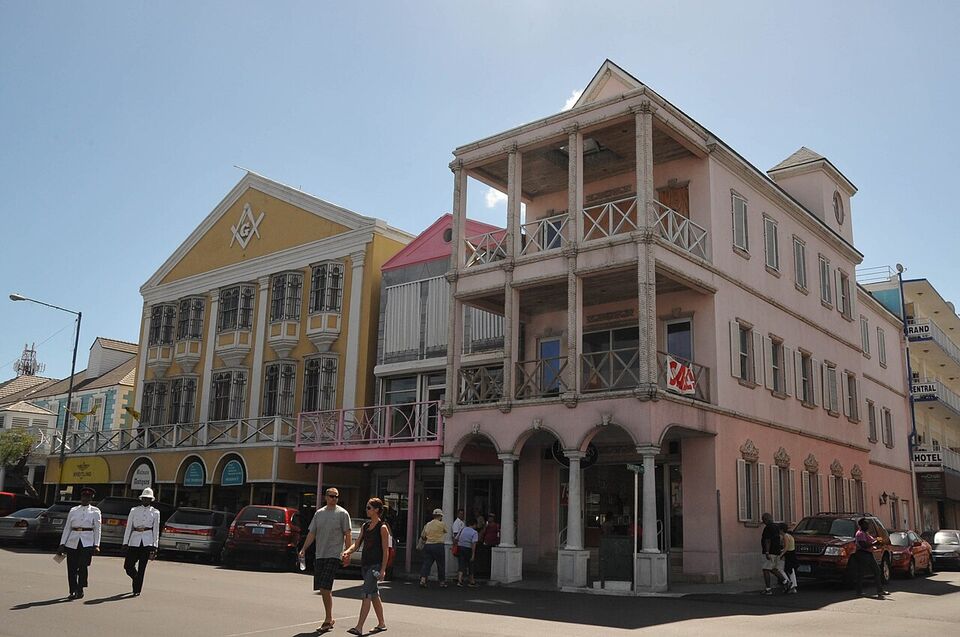
In Nassau, visitors spend most of their time in the downtown cruise-port area, Paradise Island, Cable Beach and the areas around the large resorts. The advisory does not describe those places as risk-free. It says violent crime can occur anywhere, while singling out specific neighborhoods. The practical approach is the one you would take in any city that has a mix of tourist districts and neighborhoods with gang activity:
- Use a licensed taxi or a hotel-arranged car to get to restaurants and attractions outside your resort zone.
- Stay on main, busy streets, and do not wander into unfamiliar residential areas, especially after dark. Ask your hotel to mark the areas they advise visitors to avoid.
- Keep valuables out of sight, and leave jewelry and unneeded cards in the hotel safe.
- Carry only the cash you need for the day.
If you want local context for Nassau's layout, see our Nassau guide. For a longer stay, check the Royal Bahamas Police Force's website for current notices and crime-prevention advice.
Scams, vendors and theft
Most vendors in Nassau and at the cruise port are legitimate small businesses, and most interactions are friendly. A few patterns are worth knowing, mainly in busy tourist zones.
- Pushy sales. Some vendors and tour sellers are persistent. A polite "no, thank you" and a continued walk is enough. See the etiquette page for how to say no without being rude.
- Unlicensed tours and "friend" offers. Be wary of unsolicited offers for boat tours, jet skis, fishing trips or rides from people who approach you on the street or beach. Book through your hotel, a recognized operator or a licensed dock.
- Prices agreed late. Confirm the price, what is included and the total before you get in a taxi, on a boat or on a rented vehicle. Ask whether the price is per person or per group.
- Card skimming and ATMs. Use ATMs inside banks, hotels or casinos and cover the keypad. If a card terminal looks unusual, pay with cash.
- Change in Bahamian money. This is a convenience issue rather than a scam, but be aware that US and Bahamian dollars are interchangeable at one to one (B$1 = US$1), so you should receive the right amount either way.
Theft from rentals, cars and beaches
The advisory singles out vacation rentals, especially those without private security. Before you book, read the listing for locks, alarm systems, gated access and whether a host or manager lives nearby. Do not leave doors or sliding windows unlocked at night or when you go out, and never leave valuables visible through windows.
On the beach, thieves target unattended bags, phones and wallets. Keep valuables in the hotel safe, bring a waterproof pouch for a key and a card, and do not leave belongings alone on the sand while you swim. In a rental car, lock it and keep nothing visible on the seats.
Insider tip
Take photos of your passport, driver's license and cards and store them in a secure cloud folder or email them to yourself. If anything is lost or stolen, a copy speeds up replacement at the embassy.
Night safety
Nassau and Freeport are lively at night, with restaurants, bars and music, and they are also where the advisory's crime warnings apply. The sensible rules are simple:
- Arrange your ride home before you leave your hotel, or use a taxi at the venue's door. Do not accept rides from strangers.
- Avoid walking on beaches, back streets or unlit areas alone after dark, even short distances.
- Watch your drink and do not accept drinks from strangers. Know your limit, especially if you plan to swim, ride a boat or drive afterward.
- Tell someone at the hotel or in your group where you are going and when you expect to return.
- If you feel uneasy, leave. A cancelled evening is cheaper than a bad one.
On many Out Islands, nights are very dark and quiet, with few streetlights. Roads may be unlit and unfenced, and wandering animals and unmarked potholes are common. Carry a flashlight or use your phone light, and do not drive at night in unfamiliar areas if you can avoid it.
Emergency numbers and getting help
In an emergency, dial 911 or 919 for police, fire and ambulance. Both numbers are used in the Bahamas. Ask your hotel to confirm which works best from your phone, and save the hotel's front desk number. On some Out Islands, response can be slow and you may need to contact a local clinic, your host or your boat operator directly.
| Who | Number or contact | Notes |
|---|---|---|
| Police, fire, ambulance | 911 or 919 | Bahamas emergency numbers; confirm with your hotel |
| US Embassy Nassau | 242-461-5025 (ext. 1 for US citizen emergencies, also after hours) | 235 Shirley Street; open Monday to Thursday 8 a.m. to 5 p.m., Friday 8 a.m. to 3:30 p.m., closed Saturday and Sunday |
| US Embassy email | acsnassau@state.gov | For non-urgent American citizen services |
| State Department, from abroad | +1-202-501-4444 | Available 24 hours for Americans who need help |
| State Department, from the US or Canada | +1-888-407-4747 | For family back home to call |
The embassy can help with lost or stolen passports, serious injury or illness, arrests and contacting family. It cannot pay your bills, get you out of jail or give legal advice, but it can provide lists of local lawyers and doctors. File a police report for any theft, because your insurer will ask for one. Enroll in STEP before you travel so the embassy can reach you with alerts.
Water safety: beaches, rip currents, sharks and snorkeling
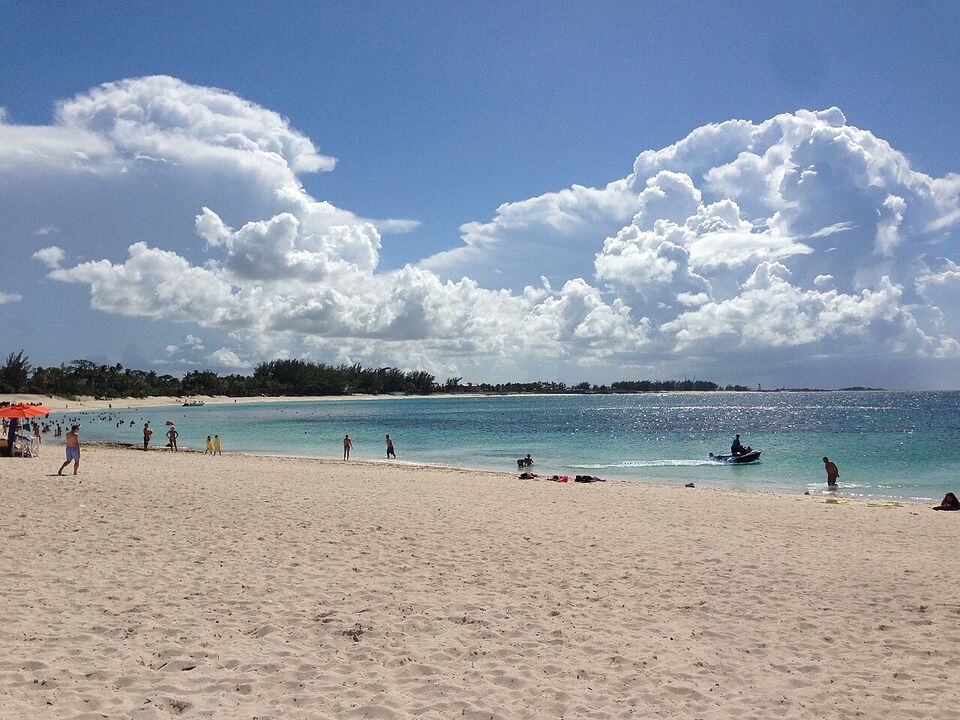
The clear water and gentle beaches are why most people come, and they can make people careless. The advisory itself warns against swimming alone and against overestimating snorkeling ability.
- Never swim alone. Swim with a buddy, near other people or within sight of a lifeguard where one exists. Many beaches have no lifeguard.
- Know the flags and signs. Resort beaches often fly flags for conditions. If a flag or staff member tells you not to swim, do not swim.
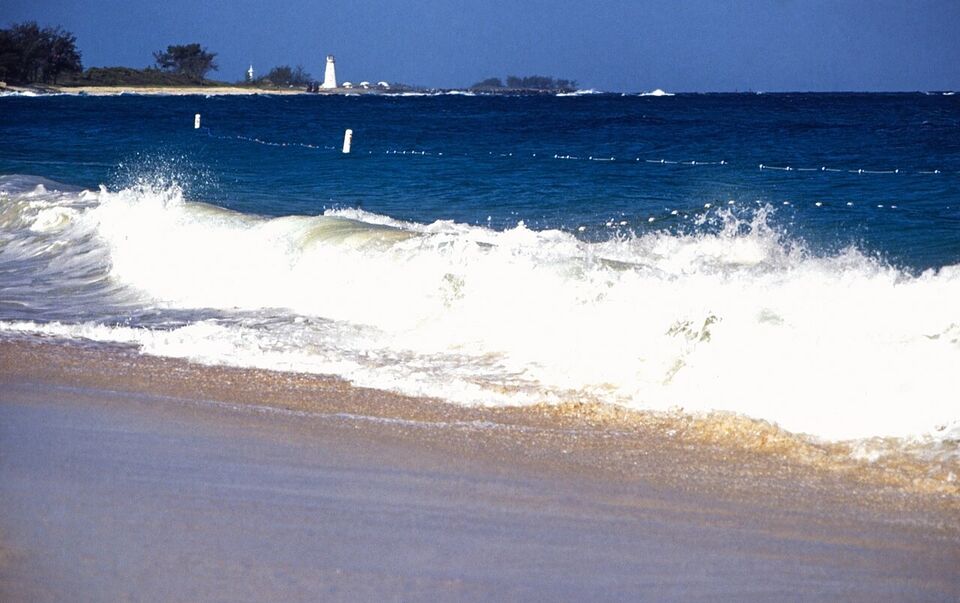
- Rip currents. Strong currents can form at beaches with open Atlantic exposure, especially after storms or in windy weather. If you are caught in one, do not fight it. Swim parallel to the shore until you are free, then angle back, and signal for help.
- Watch for boats. The advisory warns of boats near the shore. Stay in marked swimming areas and tow a bright float if you swim away from the beach.
- Snorkel within your ability. Use a flotation vest if you are not a strong swimmer. Currents at drop-offs and channels can be strong, and tide turns can change conditions quickly.
- Check marine weather. Do not swim or boat when a weather alert is posted. Check the Bahamas Department of Meteorology and your operator before going out.
Sharks in perspective
The advisory lists sharks among the risks, and it is true that sharks live in these waters. Shark bites are generally described as rare, though we have no Bahamas figures, and most encounters involve reef or nurse sharks. Reduce risk by not swimming at dawn or dusk, not wearing shiny jewelry in the water, not swimming near people who are fishing or cleaning fish, and leaving the water if a shark approaches. Never feed or grab a shark. If you are on a shark-dive or feeding tour, choose an established operator and follow its briefing. For diving and snorkeling operators, see diving and snorkeling.
Marine life and other hazards
Jellyfish, fire coral, sea urchins and stingrays are common in warm shallows. Shuffle your feet in sandy shallows to warn stingrays, wear water shoes on rocky or coral bottoms and do not touch coral or sea life. For stings and cuts, rinse, remove spines or tentacles carefully and seek medical care if pain, swelling or other symptoms are severe.
Boat tours, jet skis and charters
Boating accidents and watercraft problems are the area where the advisory is most specific. Boating is poorly regulated and injuries and deaths have occurred. A good operator is a safer choice than a cheap one. Before you board:
- Ask for life jackets for everyone, sized correctly, and wear them if you are a weak swimmer or traveling with children.
- Check that the boat looks maintained and that the captain gives a safety briefing.
- Ask whether the operator carries insurance and a radio or satellite communication, and whether the boat has a first aid kit.
- Do not board a boat that is overcrowded or whose captain seems to have been drinking.
- Check the weather on the day. If conditions are rough, a postponed trip is a normal outcome.
- Tell someone onshore your plan and expected return time.
Jet skis need extra care. The advisory warns of sexual assaults by jet-ski operators and of unsafe or uninsured craft, and US government employees may not use independently operated jet skis on New Providence and Paradise Island. If you want to ride, use a resort-operated or well-known provider, avoid unaccompanied rides with an operator on the back, keep within sight of others and do not ride after drinking. For fishing, only use charters that hold the required Bahamas licenses, and read fishing and boating for rules.
Watch out
Do not drink and boat, drive or ride a jet ski. Alcohol is the most common factor in water accidents, and rum punch on a tour boat is easy to underestimate.
Road safety
The Bahamas drives on the left. Many rental cars are right-hand drive and some are left-hand drive imports, so check which you are given before you leave the lot. The combination of left-side traffic and an unfamiliar car catches many visitors out, especially at roundabouts and when turning. Take it slowly for the first day.
- Pedestrians should look right first when crossing, not left.
- Jitneys (small buses) stop suddenly and often. Keep your distance.
- Taxis are widely used and avoid the driving risk. Check that the vehicle is licensed and confirm the fare first.
- Golf carts, scooters and bikes are popular on islands such as Harbour Island and Hope Town. Wear a helmet where available and do not ride after drinking.
- On the Out Islands, expect narrow roads, potholes and animals. Avoid driving at night.
For rules, rentals and golf carts, read our driving guide and getting around.
Hurricane safety
The Atlantic hurricane season runs from June 1 to November 30. Peak risk is from late August through September, though storms can arrive earlier or later: Hurricane Melissa struck Long Island and San Salvador in late October 2025. As of November 14, 2026, the 2026 season has had 10 named storms and one hurricane, and none has been reported to have hit the Bahamas. The season ends on November 30.
If you travel during the season, buy travel insurance that covers weather cancellations, keep your plans flexible and follow official guidance. For named storms, check the National Hurricane Center at nhc.noaa.gov and the Bahamas Department of Meteorology. If a storm threatens, follow your hotel's instructions, leave early rather than late if airlines are cancelling, and enroll in STEP. Our hurricanes guide has the full detail, including the history of Dorian (2019) and Melissa (2025).
Medical access and travel insurance
Nassau has public and private hospitals, including Princess Margaret Hospital (public) and the private Doctors Hospital, and there are other private facilities. On Grand Bahama, care is available in Freeport, though we have not verified the current capacity of its main hospital after Hurricane Dorian. On the Out Islands, clinics are small and limited, and serious cases are often flown to Nassau or Florida. That can be costly and slow in bad weather.
Buy travel insurance that includes emergency medical care and medical evacuation, and check your policy carefully for water sports, boating, scuba diving and any exclusions for pre-existing conditions. Do not assume your US health insurance or Medicare will pay for care abroad. Keep the insurer's 24-hour number in your phone. Our health page covers insurance, pharmacies and clinics in more detail.
Notes for LGBTQ+ travelers
Our sources for this guide did not include a verified current statement on LGBTQ+ travel, so we point you to the primary one: the State Department's country information page for the Bahamas on travel.state.gov and the advisory itself. Check the current legal position there before you go. In general, the Bahamas is a conservative, mostly Christian country (see our etiquette page), and visitors commonly use discretion about public displays of affection. Resorts and larger hotels typically welcome all guests. Check the current laws and advice before you go, and ask your hotel or tour operator about their policies.
A practical safety checklist
- Read the current advisory on travel.state.gov and enroll in STEP.
- Save 911, 919, the US Embassy number (242-461-5025) and your hotel's number in your phone.
- Buy travel insurance with medical evacuation and check water-sport coverage.
- Choose a rental or hotel with locks, secure access and ideally private security.
- Leave valuables in the hotel safe and carry only what you need for the day.
- Use licensed taxis and agree the fare before you go.
- Never swim alone, check flags and weather, and avoid swimming after drinking.
- Choose boat tours and watersports operators with life jackets, a briefing and insurance.
- Do not drink and drive, boat or ride a jet ski.
- Remember to drive on the left, and take your first day slowly.
- Follow hurricane guidance if you travel between June 1 and November 30.
- Do not bring any firearm or ammunition into the country.
With these steps, most travelers have a safe trip. If anything goes wrong, call 911 or 919 first and then contact the US Embassy.
Add it to a route in the trip builder, or ask us to plan the hotels, trains and guides for you.