Overview
Staying healthy in the Bahamas is mostly a matter of planning. Healthcare in Nassau and Freeport is real and workable, and healthcare on the Out Islands is thin: small clinics, long distances and weather that can ground boats and planes. The two mistakes we see are relying on a small-island clinic for a serious problem and skipping medical evacuation cover.
This page covers what we can confirm and where to check the rest: vaccines and routine checks, whether any health form is required, mosquito, sun and heat precautions, water and food safety including ciguatera, hospitals and clinics, pharmacies and prescription medicine, insurance, diving health and the numbers to call. We could not load the CDC and Bahamas Ministry of Health pages for this guide, so we point you to them for the current wording rather than quote advice from memory.
In an emergency, dial 911 or 919. For the safety side of the trip, see safety in the Bahamas; for entry rules, see the entry guide.
Vaccines and routine checks before you go
The Bahamas Immigration site does not list a vaccine requirement for US citizens on the pages we read. Whether vaccines are recommended is a separate question, and it depends on you and your itinerary. The CDC publishes a destination page for the Bahamas under cdc.gov/travel with its current recommendations. We could not load it in our research, so please check it directly rather than rely on this page.
A sensible routine before any international trip:
- See your doctor or a travel clinic four to six weeks before you leave, longer if you need a series of shots.
- Make sure routine vaccines are up to date, such as measles-mumps-rubella, tetanus-diphtheria-pertussis, seasonal flu and COVID-19 according to current US guidance.
- Ask whether hepatitis A or typhoid is worth considering if you plan to eat at small local places or visit remote islands.
- Review any chronic conditions and bring a list of medicines and doctor contacts.
- If you are pregnant, immunocompromised or traveling with infants, ask about mosquito-borne disease and access to care.
The CDC, not a travel site, is the right source for recommendations, and it updates them when outbreaks occur. Check again a week before departure.
Is any health form or vaccination proof required now?
As of November 2026, the Bahamas Immigration entry page (last modified November 5, 2026) lists these requirements for US citizens: a valid passport, a return or onward ticket, proof of funds and a completed immigration card. It does not mention an online health visa or vaccination certificate. No health visa is listed on the official entry page in November 2026; check immigration.gov.bs before you go. A digital arrival card has been piloted on some flights, but the paper card remains.
That can change, so check the Immigration Department and the airline's travel requirements page close to departure. If you are arriving by cruise ship, your cruise line will give its own health and documentation instructions. Our entry guide has the full list of what to carry.
Different from home
The Bahamas is a separate country with its own health ministry and its own rules. US health agencies' advice (such as the CDC's) applies to your trip, but the Bahamian government decides what is required to enter.
Mosquitoes and insect-borne illness
Mosquitoes can be a nuisance, particularly in wet weather and near mangroves and swampy areas. Mosquito-borne illnesses such as dengue occur in the Caribbean region, and the CDC page for the Bahamas is the place to check whether there are current notices. We found no confirmed outbreak notice in our sources, but that is not the same as a clean bill of health, so check before you go.
Simple steps reduce bites and risk:
- Use an EPA-registered insect repellent, such as products containing DEET, picaridin or oil of lemon eucalyptus, and reapply as directed.
- Wear long sleeves and pants at dawn and dusk, especially near mangroves, creeks and inland areas.
- Stay in air-conditioned or screened rooms, and close windows and doors when the air conditioning is off.
- Remove standing water around rentals, where it collects in flowerpots, buckets and tarps.
- If you are pregnant or trying to conceive, ask your doctor about specific advice for mosquito-borne diseases.
Sand flies, commonly called "no-see-ums," bite at dusk on still evenings, especially near mangroves. Repellent and breezy spots help. If you have a fever, rash, severe headache or joint pain during or after a trip, see a doctor and mention where you traveled.
Sun, heat and dehydration
The sun is the most common health problem we would expect for visitors. In Nassau the average daily high is about 79°F (26°C) in January and about 91°F (33°C) in July and August, with high humidity: the October to April period is cooler. The record high at Nassau airport is 97.7°F (36.5°C), set in June. Sunburn can happen even on cloudy days, and reflection off sand and water makes it worse.
- Use broad-spectrum sunscreen with SPF 30 or higher, reapply after swimming and every two hours, and use reef-friendly products where your operator asks for them.
- Wear a hat, sunglasses and a light long-sleeved cover-up on boats, where there is little shade.
- Drink water steadily, more than you would at home, and be careful with alcohol in the heat.
- Take breaks in shade or air conditioning during the middle of the day, and schedule walking tours for morning.
- Know the signs of heat exhaustion (heavy sweating, weakness, nausea, headache) and heat stroke (confusion, very high temperature, flushed dry skin), and treat heat stroke as an emergency.
Children, older adults and people on certain medicines (check with your doctor about diuretics, some blood-pressure medicines and others) are more at risk. Boat days are long and exposed, so bring water, snacks and extra sunscreen.
Insider tip
Put sunscreen on before you leave the room, not on the beach, and bring a light shirt to wear on the boat. Many tours, snorkeling stops and pig beaches have no shade at all.
Water and food safety
Drinking-water quality varies by island and by property. Many visitors drink bottled or filtered water, especially on the Out Islands, and bottled water is easy to find. Ask your hotel or host whether the tap water is suitable for drinking, brushing teeth and making ice. On small islands, water may come from wells, reverse-osmosis plants or rain collected in cisterns, and it may taste different from home. We do not rate any island's water here.
Food at established hotels and restaurants is generally a routine matter, and common-sense food hygiene applies:
- Eat food that is hot and freshly cooked, and be wary of food that has been sitting out in the sun.
- Check that raw conch salad and other raw seafood is prepared fresh and kept cold. Raw dishes carry more risk for pregnant women, older adults and people with weakened immune systems.
- Wash your hands before eating, and use hand sanitizer on boats and at beach shacks.
- Peel or wash fruit and raw vegetables in safe water.
For what to eat, see our food guide.
Seafood and ciguatera
Ciguatera fish poisoning is a food-borne illness caused by a natural toxin that builds up in some large reef fish. The toxin is not destroyed by cooking or freezing. It is known in the Caribbean, and the risk is usually linked to large reef predators. Symptoms may include nausea, vomiting, diarrhea, tingling or numbness and the odd reversal of hot and cold sensations, usually within hours of eating.
We could not confirm current Bahamas-specific guidance from the CDC or the Ministry of Health, so check the CDC page and ask local people which fish they avoid. Practical steps are to ask local people and your host which reef fish they avoid, and to be cautious with large reef predators. If you think you have it, seek medical care and tell the doctor what you ate. If you catch your own fish, ask your captain or local fishers about local advice. Our fishing and boating guide covers catch rules.
Medical care in Nassau and Freeport
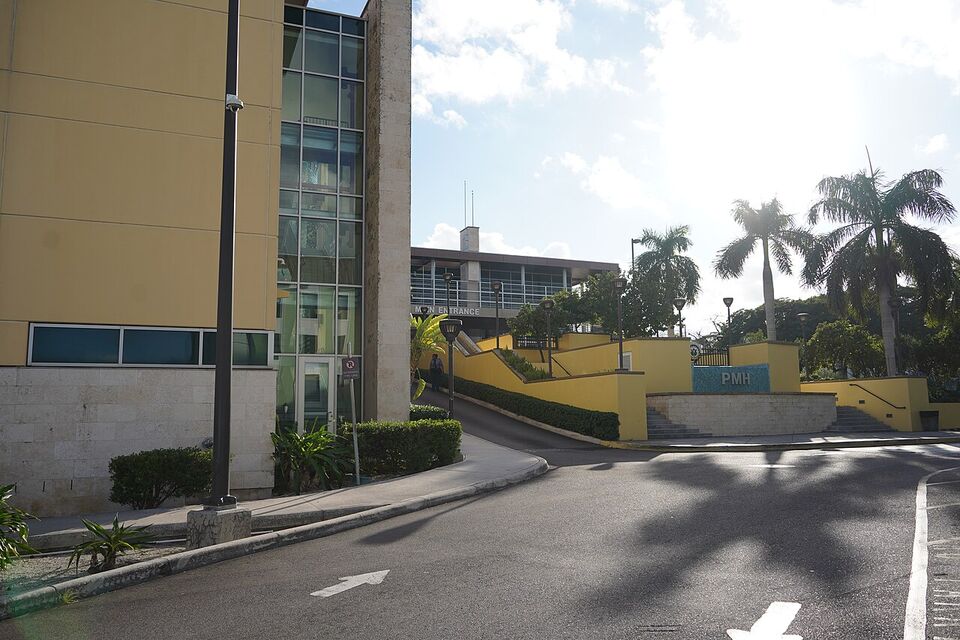
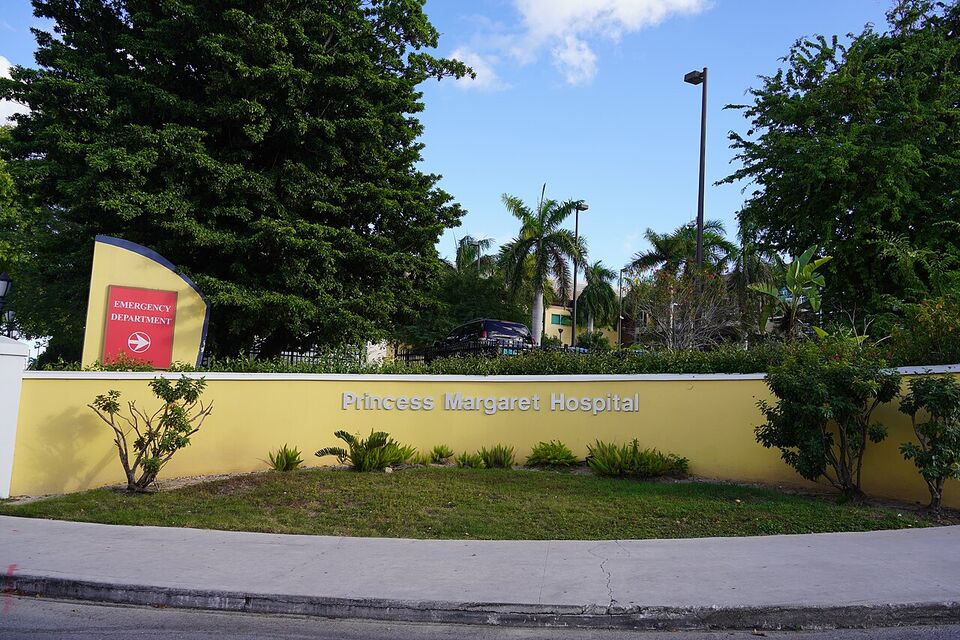
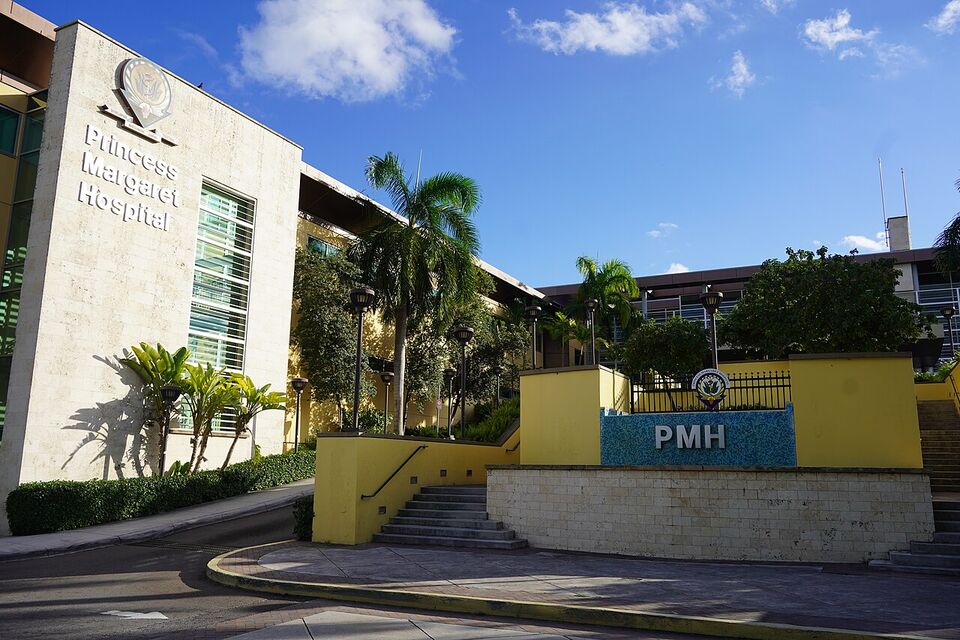
Nassau is the main center for healthcare. It has public and private facilities, including the public Princess Margaret Hospital near Bennet's Hill and the Queen's Staircase, and the private Doctors Hospital. Other facilities include Lyford Cay Hospital and Epcot Medical Center. We were not able to confirm current hours, services, fees or capacity, so ask your hotel which facility they recommend and call ahead if you can. Private facilities typically ask for payment or proof of insurance at the time of care.
Freeport, on Grand Bahama, has its own hospital and clinics. Rand Memorial Hospital was badly affected when floodwaters and sewage entered it during Hurricane Dorian in 2019, and we could not confirm its current capacity, so ask your hotel or insurer where to go. For complex or serious conditions, patients are often moved to Nassau or to Florida.
Before you rely on any facility, ask:
- Is it open now, and does it handle emergencies?
- Does it accept my insurance, or do I pay up front and claim back?
- Can it handle my condition, or will I need to transfer?
Many hotels have a doctor on call or can recommend one. Resorts on Paradise Island and Cable Beach are used to guests who need medical help and can arrange transport. See Nassau for where things are.
The Out Islands: limited care and evacuation
This is the part most visitors underestimate. On the Out Islands (also called the Family Islands), healthcare is mostly small government clinics staffed by nurses and visiting doctors, with limited equipment and hours. Many settlements are far from the nearest clinic. For anything serious, such as a heart problem, a severe injury, a stroke, a complicated pregnancy or a dive accident, the usual plan is transfer to Nassau, and from there to Florida if needed.
That transfer depends on weather, daylight and aircraft availability, and it can take hours or longer. Private air ambulance and medical evacuation are expensive, and costs can quickly run into very large sums, which is why we recommend evacuation cover. We do not give cost figures because we could not confirm them.
Watch out
Relying on a small-island clinic for a serious problem is the most common health mistake. If a condition could become serious, go early to a larger center instead of waiting, and call your insurer's emergency line before arranging an evacuation.
If you are traveling to remote islands, carry a basic first aid kit, a charged phone and a list of your medicines. Tell your host or boat captain about any medical conditions and allergies. The islands also differ widely, so see our Out Islands guide and the pages for individual islands such as the Exumas and Eleuthera.
Pharmacies and prescription medicine
Nassau and Freeport have pharmacies, and larger towns on the Out Islands may have one, but selection is smaller and prices can be higher than at home. We could not confirm opening hours, and many close early or on Sundays. The practical rule is to bring what you need.
- Pack enough of every prescription medicine for the whole trip, plus extra days in case of delays or storm disruption.
- Keep medicines in their original labeled containers, in your carry-on rather than checked luggage.
- Carry a copy of each prescription or a doctor's letter that gives the generic name, because brand names differ.
- Check the Bahamas Ministry of Health or Bahamas Customs for rules on any controlled medicine (such as strong painkillers, ADHD medicine or some sleep aids) before you travel, and carry a doctor's letter.
- Keep insulin, EpiPens and similar items cool and accessible, and ask the airline about carrying syringes.
- Pack common over-the-counter items: pain relievers, antihistamines, anti-diarrhea medicine, oral rehydration salts, motion sickness tablets, bandages and antiseptic.
Note that goods, including medicines, are subject to VAT in the Bahamas, and the government has announced a reduced 5% VAT rate on selected medical supplies. Our money guide explains VAT and cash.
Travel health insurance and evacuation cover
Do not assume your US health plan travels with you. Many plans do not pay for care abroad, or pay only part, and Medicare generally does not cover care outside the United States. Hospitals may expect payment or a deposit first.
A good travel policy for the Bahamas has:
- Emergency medical cover with a limit large enough for a hospital stay, not just a clinic visit.
- Medical evacuation and repatriation, including air ambulance from an Out Island to Nassau or Florida. This is the item that matters most.
- Trip cancellation and interruption, including for hurricanes and weather, if you travel between June 1 and November 30.
- Coverage for your activities, such as boating, snorkeling and scuba diving, which some policies exclude.
- A 24-hour assistance number that you can call before you agree to expensive treatment.
Read the exclusions on pre-existing conditions and on alcohol. Keep receipts and records for claims, and file a police report for any theft. For hurricane planning, see hurricanes.
Save money
Buying insurance late can mean you miss cover for events already known. Buy it soon after you book your trip, and compare the evacuation limit, which can matter more than the headline medical limit.
Diving and snorkeling health
The Bahamas is a major diving destination, and dive operators generally ask for a medical questionnaire and certification. Be honest on the form: conditions such as asthma, heart problems, ear and sinus trouble and some medicines can matter underwater. If you answer yes to a question, see a doctor who knows diving medicine before you go.
- Do not fly within the interval your agency or dive computer recommends after diving; operators brief this, so follow their guidance.
- Stay hydrated, avoid alcohol before and after diving and do not dive when ill, congested or tired.
- Know where the nearest recompression chamber is. We could not confirm the current status of chambers in the Bahamas, so ask your dive operator and your dive insurance provider.
- Consider dive-specific accident insurance, because some travel policies exclude diving or limit depth.
- For snorkeling, ear and sinus problems and overestimating ability are the common issues. Use a flotation vest if you are not a strong swimmer.
See diving and snorkeling for operators and sites, and the safety guide for water rules.
Numbers to call and mistakes to avoid
| Need | Contact |
|---|---|
| Ambulance, police, fire | 911 or 919 |
| US Embassy Nassau (US citizen emergencies) | 242-461-5025, ext. 1 (also after hours) |
| State Department 24/7, from abroad | +1-202-501-4444 |
| State Department, from the US or Canada | +1-888-407-4747 |
| Your insurer or assistance company | The 24-hour number on your policy card (save it in your phone) |
| Your hotel front desk or host | Save the number; ask about a doctor on call |
The mistakes to avoid are few, and they are the ones with the highest cost:
- Relying on a small-island clinic for something serious. Move early to a larger center.
- Skipping medical evacuation cover. An Out Island emergency can mean an air ambulance.
- Packing too little medicine. Bring a full supply and a copy of the prescription.
- Underestimating the sun and heat. Burns and dehydration spoil more days than anything else.
- Ignoring insect protection at dawn and dusk near mangroves.
- Eating risky reef fish without asking. Check local advice on ciguatera.
- Drinking tap water without checking. Ask first, and keep bottled water handy.
- Not checking the CDC page close to departure.
For the full planning picture, see our planning guide, and for what to bring, the packing guide.
Add it to a route in the trip builder, or ask us to plan the hotels, trains and guides for you.