The short answer
For most American visitors, the Bahamas is a reasonable place to take a vacation, and millions of people do each year: the Ministry of Tourism counted a record 12.5 million visitors in 2025. It is also a country where the US government asks travelers to "exercise increased caution" because of crime, and where water sports and boat tours carry real risks. Both statements are true at once.
The State Department advisory is Level 2: Exercise Increased Caution due to crime (as of November 2026), renewed on July 28, 2026 with the level unchanged. That is a middle level, well below "Reconsider travel" and "Do not travel." It reads as a prompt to use common sense, not as a warning to stay away. Check travel.state.gov for the current wording.
The way to think about it: your risk depends much less on "the Bahamas" than on where you are, what you are doing and how you do it. A week on a resort island with a hotel pool, beach and a few organized excursions is a different exposure from walking alone at night in an unfamiliar part of Nassau, riding an unlicensed jet ski or snorkeling alone in a current. This page breaks that down. For the longer practical guide, see safety in the Bahamas.
What the official advisory says
The advisory's main message is crime. As summarized in news coverage of the July 28, 2026 update, it says violent crime, such as armed robbery, burglary and sexual assault, can occur anywhere, but mostly in Nassau and Freeport. It tells visitors to stay alert in the Over the Hill area of Nassau (south of Shirley Street), where gang violence has killed residents, and to take care in vacation rentals, especially those without private security.
The advisory also covers the water. It says boating is poorly regulated, that injuries and deaths have occurred, that some watercraft are unsafe or uninsured, and that sexual assaults by jet-ski operators have been reported. US government employees may not use independently operated jet skis on New Providence and Paradise Island. It adds beach advice: do not swim alone, watch for boats near shore and be alert in public restrooms near the downtown Nassau beaches. It names sharks, overestimating snorkeling ability and ignoring marine weather alerts as risks.
One more item matters to anglers and boat owners: fishing for hire without a Bahamas Port Department licence can bring detention, seizure of the vessel, fines up to $100,000 and up to three years in prison.
We could not load the travel.state.gov page ourselves, so we rely on the US Embassy's own display of the Level 2 rating and on news summaries for the detail. Read the original before you go, because wording is updated.
The real risks, in plain terms
Crime in parts of Nassau and Freeport
The advisory's crime warning is concentrated in Nassau and Freeport, the two biggest population centers. Most visitors spend time in the tourist zones of downtown Nassau, Paradise Island and Cable Beach, or at their resort. The advisory does not call these areas risk-free, and it says violent crime can happen anywhere. In practice, the sensible habits are the usual ones: do not wander into unfamiliar neighborhoods, use licensed taxis, keep valuables out of sight and take care at night.
Jet skis, boat tours and water sports
This is where we would put most of your attention. Water-sport operators vary a great deal, and the advisory says regulation is inconsistent. A good operator provides life jackets, a briefing, a maintained craft and insurance. A bad one may not. Book through your hotel or a well-known provider, and do not accept offers from touts on the beach.
Sharks in perspective
Sharks live in the Bahamas, and the islands are known for shark diving. The advisory lists them as a risk. Shark bites are generally described as rare, though we have no Bahamas figures, and most sharks seen by snorkelers are reef or nurse sharks. Avoid swimming alone, at dusk or near people fishing, and follow your operator's instructions on organized dives.
Driving on the left
The Bahamas drives on the left. Many rental cars are right-hand drive and some are left-hand drive imports, so check what you get. Crashes involving visitors often come from looking the wrong way at a junction or roundabout. Take taxis for the first day, or drive slowly. See our driving guide.
Hurricane risk
Hurricane season runs June 1 to November 30. As of November 14, 2026, there have been 10 named storms and one hurricane this season, none reported to have hit the Bahamas, and the season ends on November 30. Storms are a real risk, as Dorian in 2019 and Melissa in 2025 showed, but you can plan for them: buy insurance, keep bookings flexible and follow official guidance. See hurricanes.
Medical distance
Nassau has hospitals, but the Out Islands have small clinics, and serious cases are often flown out. Medical evacuation cover in your travel insurance matters more than most people expect. See health and medical care.
What the usual tourist areas feel like
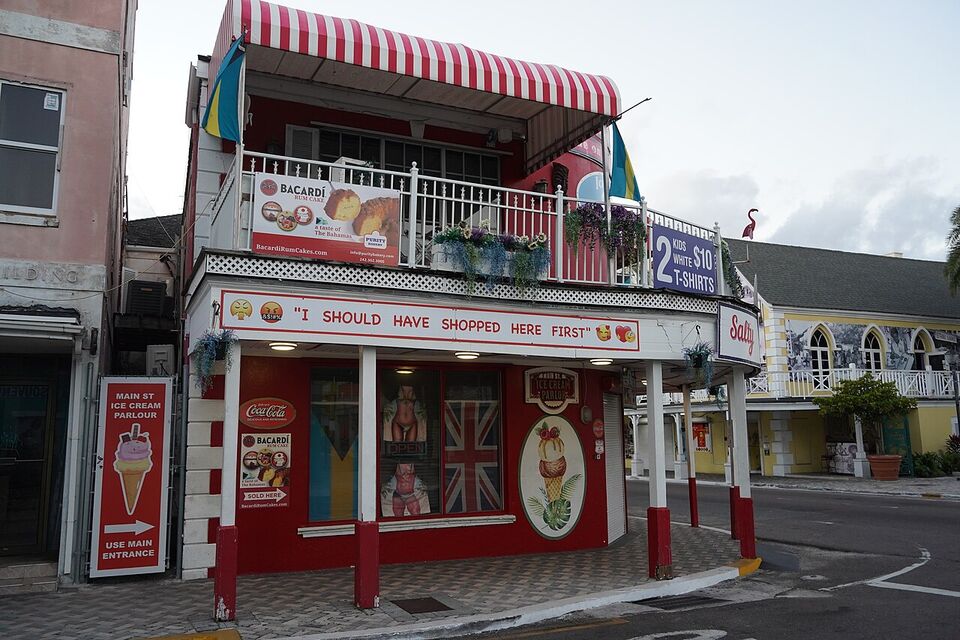
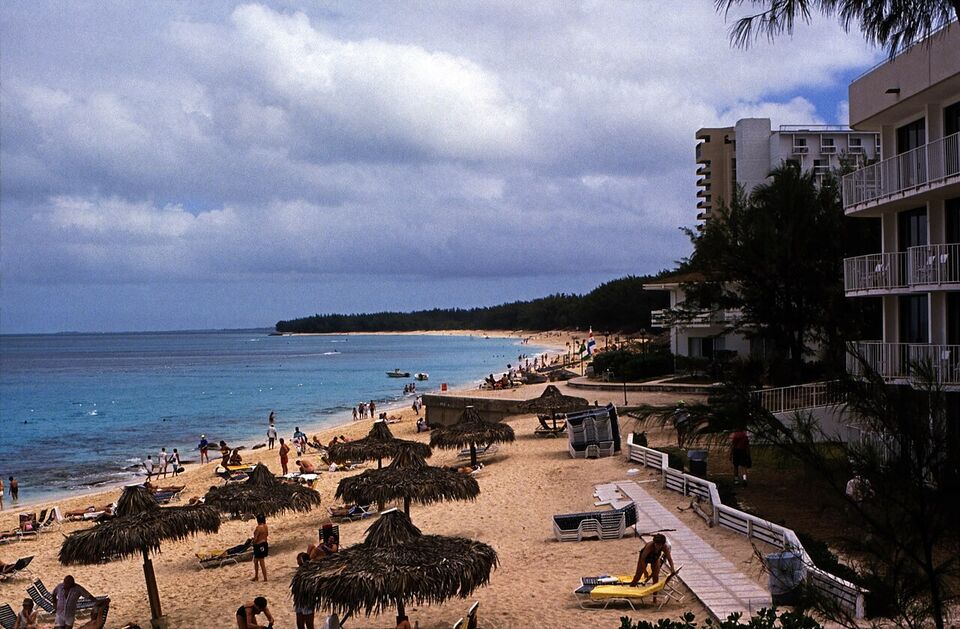
Most visitors experience the Bahamas through resorts, cruise-port areas and organized tours. At large resorts such as those on Paradise Island and Cable Beach, security is visible, grounds are enclosed and staff handle transport. Downtown Nassau around Bay Street is busy with cruise passengers and vendors in the daytime, and it has persistent sales approaches. Many visitors find it hectic rather than threatening. In the evening it quiets and the advice shifts to using a taxi.
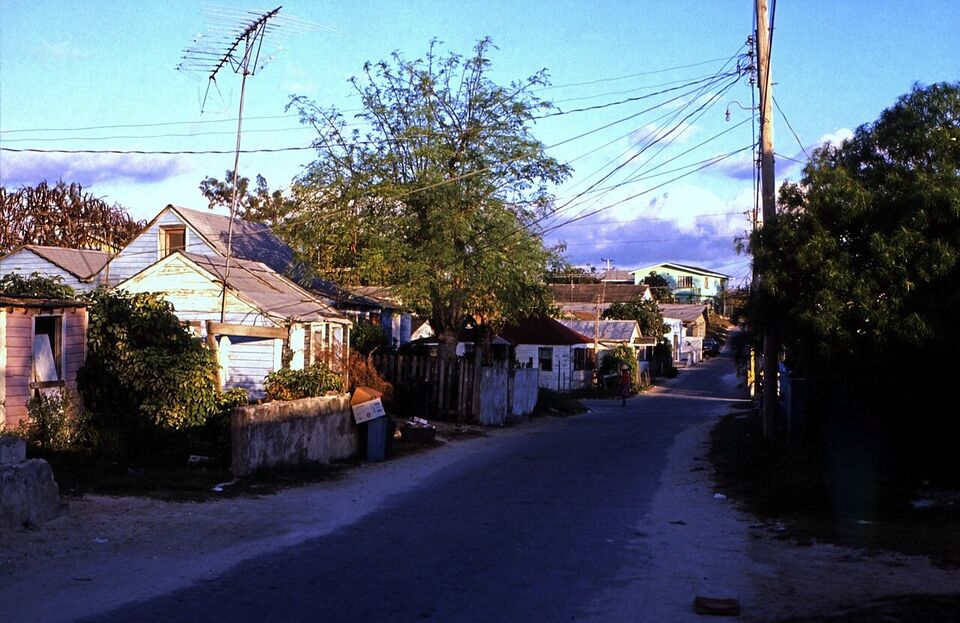
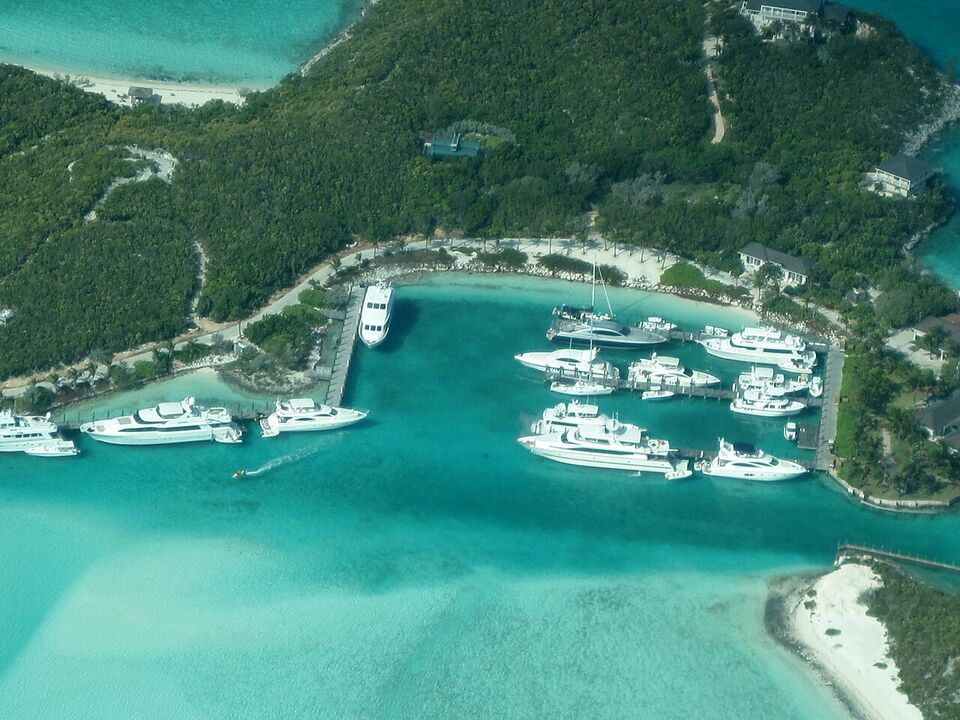
On the Out Islands, such as the Exumas, Eleuthera, Harbour Island and the Abacos, the experience is more like a small town or village: low traffic, few streetlights and strong community ties. Visitors face fewer street-crime concerns, and the main issues become boating, weather, driving on unfamiliar roads and distance from hospitals. Do not treat that as a guarantee; theft from a rental or boat happens on small islands too.
Our etiquette guide helps with the human side: a greeting, a smile and a courteous manner make everything go more smoothly, including on the street.
How risk differs by island and setting
We do not label any island safe or dangerous, because conditions change and the advisory covers the whole country. What differs is the mix of risks.
| Setting | Main concerns | What helps |
|---|---|---|
| Resort grounds (Paradise Island, Cable Beach, Lucaya and others) | Petty theft from rooms and beaches, water sports, alcohol | Use the room safe, book resort-run excursions, drink in moderation |
| Downtown Nassau and the cruise port | Pushy vendors, pickpocketing, neighborhoods to avoid | Stay on main streets, use licensed taxis, keep a bag zipped |
| Over the Hill and other residential areas of Nassau | Gang-related violence named in the advisory | Visit only with a licensed guide or tour; avoid walking alone, especially after dark |
| Freeport and Grand Bahama | Crime named in the advisory; limited night transport | Use taxis after dark, stay at established properties |
| Out Islands (Exumas, Eleuthera, Abacos and others) | Boats, weather, unlit roads, limited medical care | Book reputable boat operators, carry insurance with evacuation, avoid night driving |
| Private cays and small settlements | Remote medical access, tides and currents | Check conditions with locals, carry a charged phone and flotation |
The difference between resort, town and cay is mostly one of support. At a resort there are staff, security and a front desk. In a town you rely on public services and common sense. On a cay you rely on yourself and your operator, which makes planning and insurance more important.
Risk by activity
| Activity | Main risk | Level of concern | Precautions |
|---|---|---|---|
| Resort pool and beach, with staff nearby | Sunburn, dehydration, drinking in heat | Low | Sunscreen, water, shade |
| Swimming at an unguarded beach | Currents, boats, swimming alone | Moderate | Swim with others, check flags and weather |
| Snorkeling in a group tour | Overestimating ability, currents | Moderate | Use a flotation vest, listen to the guide |
| Independent jet-ski rental | Unsafe or uninsured craft, assaults reported | High (per advisory) | Use a resort-run provider or skip it |
| Boat tour with an established operator | Rough water, overcrowding, alcohol | Moderate | Check life jackets, weather and crew |
| Boat tour with an unknown operator | Unlicensed, uninsured vessels | Higher | Book through your hotel or a recognized dock |
| Shark or swimming-with-sharks excursion | Bites are rare but possible | Moderate | Choose an experienced operator and follow the briefing |
| Walking in Nassau daytime tourist areas | Pickpocketing, pushy sales | Low to moderate | Zip bags, say "no, thank you" |
| Walking alone at night in unfamiliar areas | Robbery, assault | Higher | Take a licensed taxi |
| Driving on the left in an unfamiliar car | Collisions at junctions and roundabouts | Moderate | Drive slowly, avoid night driving, consider taxis |
| Vacation rental without private security | Burglary (flagged in advisory) | Moderate | Check locks and alarms, keep valuables out of sight |
| Travel in hurricane season | Disruption, storms | Variable | Insurance, flexible bookings, NHC updates |
These levels are our own plain-language judgment, based on what the advisory emphasizes. They are not official ratings or statistics.
Sensible precautions that work
- Read the current advisory on travel.state.gov and enroll in the Smart Traveler Enrollment Program (STEP) at step.state.gov.
- Buy travel insurance with emergency medical care and medical evacuation, and check that it covers boating and water sports.
- Book hotels and rentals with secure locks, and ideally on-site security. Read recent reviews about safety.
- Use the room safe for passports, spare cards and most cash.
- Use licensed taxis, especially at night, and agree the fare in advance.
- Choose established boat, snorkeling and dive operators, and skip independent jet-ski offers on the beach.
- Never swim alone, and do not swim or boat after drinking.
- Keep a copy of your passport and the US Embassy's number: 242-461-5025 (ext. 1 for US citizen emergencies).
- Know the emergency numbers: 911 or 919 for police, fire and ambulance.
- Check hurricane forecasts at nhc.noaa.gov if you travel between June 1 and November 30.
- Do not bring any firearm or ammunition.
- If something feels wrong, leave. Trust your instincts.
Insider tip
Ask your hotel concierge a simple question: "Where would you not walk after dark?" Local staff usually give a straight answer, and it is more useful than any general map.
Groups with specific concerns
Solo and female travelers
Many women travel alone to the Bahamas. The advisory reports sexual assaults and warns specifically about jet-ski operators, and it advises caution in public restrooms near downtown Nassau beaches. Practical steps: choose lodging in a well-lit, busy area, avoid isolated beaches alone, use hotel-arranged transport, never leave a drink unattended and share your plans with someone.
Families
Families usually stay in resorts with pools, kids' programs and lifeguards on some beaches. The key risk is water: watch children at all times, use life jackets on boats and check for currents. For ideas, see families.
Cruise passengers
Cruise passengers spend a few hours in Nassau, usually near the port. The same rules apply: stay in busy areas, use ship-sold or licensed excursions, keep an eye on the time and follow your cruise line's advice. See cruises.
What to do if something goes wrong
For police, fire or ambulance, dial 911 or 919. Then contact the US Embassy in Nassau at 242-461-5025 (ext. 1 for US citizen emergencies, also after hours), or the State Department's 24/7 line at +1-202-501-4444 from abroad. The embassy is at 235 Shirley Street, open Monday to Thursday 8 a.m. to 5 p.m. and Friday 8 a.m. to 3:30 p.m., closed on weekends.
File a police report for any theft, because insurers require it. Call your insurer's emergency line for medical care or evacuation before agreeing to costly treatment where you can. Keep receipts. For more, see our safety guide.
Watch out
Do not let a pushy offer rush you into a boat, jet ski or fishing trip. A reputable operator will still be there tomorrow, and a rushed deal is rarely the safe one.
Common questions behind the question
Is it safe to leave the resort?
Yes, with the habits above. Many of the best experiences are off the resort: the Queen's Staircase and old forts in Nassau, a conch-salad stand, an Out Island beach. Go in daylight, go with a plan, and use a licensed taxi or a booked tour for anywhere you are unsure of. If you want to see a residential area of Nassau such as Over the Hill, do it with a local guide or on an organized tour rather than on foot.
Is it safe to use the water taxi, jitney or ferry?
Public and commercial transport is part of daily life for Bahamians, and many visitors use it. The advisory's concern about boats applies mainly to commercial watercraft that are not consistently regulated. For longer sea crossings, choose scheduled operators, check the weather and keep flexible plans, since schedules change with conditions. See getting around.
Is the food and water safe?
Food at established restaurants is generally a routine matter. Many visitors drink bottled or filtered water, especially on the Out Islands, and it is worth asking your hotel about the tap water. Large reef fish can occasionally carry a toxin that causes ciguatera poisoning, which our health page explains.
Should I worry about scams?
Mostly, be aware rather than worried. Unsolicited offers on the street and beach, prices agreed late and unlicensed tours are the usual traps. A polite refusal and a walk away deals with nearly all of them.
Do I really need travel insurance?
We think so. Insurance does not make you safer, but it decides how bad a bad day is. A broken ankle on a remote cay, a jet-ski collision or a cancelled trip during a storm can each cost thousands, and US health plans and Medicare often do not pay abroad. Look for emergency medical, medical evacuation and trip interruption cover, and read the exclusions for water sports and scuba diving.
Where the official advice and the reality meet
Official advisories are written to cover the worst plausible case for the widest range of travelers, including residents and government staff. That is why they can sound alarming next to a postcard. At the same time, they are issued for good reasons, and the specific items in this one (jet skis, unregulated boats, vacation rentals, particular neighborhoods) are the same items that local news and operators discuss.
A reasonable approach is to treat the advisory as a checklist of what to look out for, to take the water seriously and to pick providers with care. It is not necessary to assume the worst of everyone you meet. Most Bahamians you deal with, from hotel staff to taxi drivers and boat captains, will be courteous and helpful, and a polite greeting returns the favor.
So, should you go?
For most Americans, yes. The Bahamas is close, well-visited and set up for tourism, and the risks that matter are specific and manageable. The country is not free of crime, the advisory says so plainly, and the water deserves respect. Neither is a reason to cancel, and both are reasons to prepare.
If you are still deciding on where to go, see regions and the planning guide.
Add it to a route in the trip builder, or ask us to plan the hotels, trains and guides for you.