Overview: choose the island first, then the room
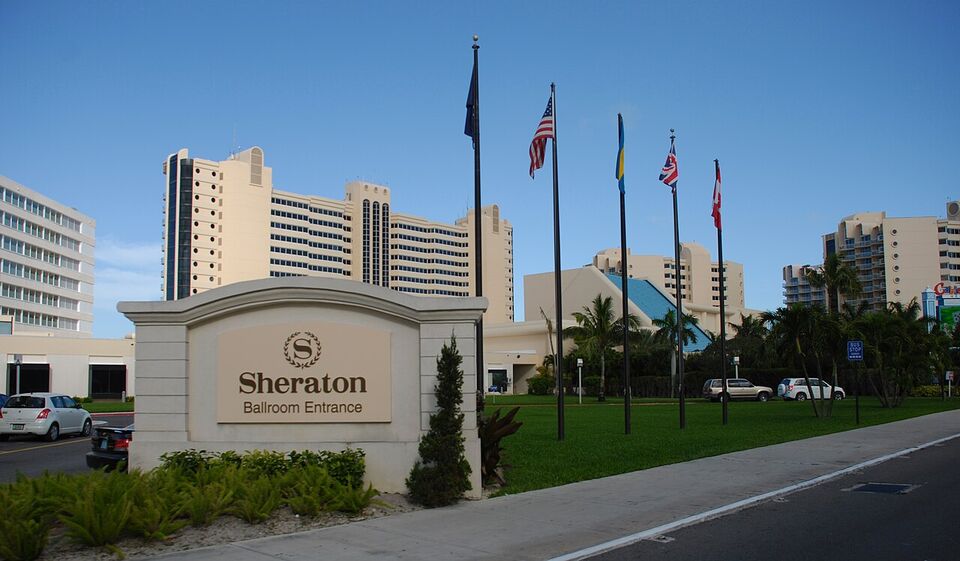
The best place to stay in the Bahamas depends on what you want to do, not on which hotel looks best online. Start with the island: Nassau and Paradise Island for flights, shows and big resorts; Cable Beach for a long beach and a second resort hub; Grand Bahama for a quieter, less crowded alternative close to Florida; the Out Islands for beaches, boats and quiet. Then choose the kind of place, and only then compare rooms.
The Bahamas is a country of about 700 islands, but most visitors stay on a handful. The largest share of visitors arrives by cruise ship, and many of the rest fly into Nassau. A record 12.5 million visitors arrived in 2025, according to the Ministry of Tourism, over 10 million of them by sea, so hotels are only one part of the picture. Flying visitors choose among resort towns and island lodges with very different prices, services and ways of getting there.
This page covers the types of stay, how to choose between the main bases, a comparison by trip type, when to book, what fees to expect, practical notes on air conditioning, insects and kitchens, and how to check hurricane and cancellation terms. For the big picture of an itinerary, see planning your trip.
Types of places to stay
Large resorts
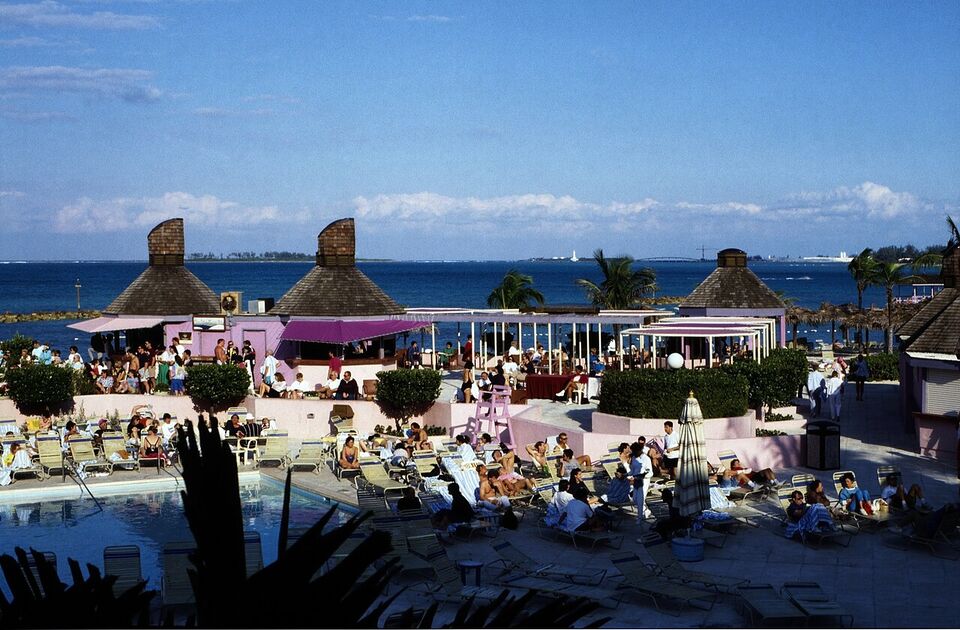
Large resorts are the most common choice in Nassau, Paradise Island, Cable Beach and Freeport. Atlantis on Paradise Island has about 3,800 rooms, and Baha Mar on Cable Beach has about 2,200 rooms across several hotels (figures from public background sources; check the resort for current numbers). They offer pools, many restaurants, spas, kids' programs and often a casino. The advantages are choice, convenience and reliable air conditioning; the disadvantages are crowds, long walks inside the property and the extras that add to the bill. Resort day passes also let non-guests use some facilities; see Paradise Island and Cable Beach.
Boutique hotels
Boutique hotels are smaller properties, often in restored buildings in downtown Nassau or in a few Out Island settlements. They have fewer rooms, more character and usually no children's club or waterpark. They suit couples and travelers who prefer a quiet setting and walkable streets. Check the location: some are a taxi ride from the nearest beach.
Small inns and lodges
Small inns, guesthouses and bonefishing lodges are the backbone of the Out Islands. Rooms may number in the single digits, breakfast is often included and the owner may arrange boats, bikes or golf carts. Facilities are simpler than at a resort, and a storm or a staff shortage can change what is on offer. Book early, confirm what is included and ask how you get from the airport or ferry to the door.
Villas and vacation rentals
Villas and rented houses give space, a kitchen and privacy, which suits families and groups. On the Out Islands they may be the main option. The State Department's Level 2 advisory (as of November 2026) tells travelers to stay alert in vacation rentals, particularly those without private security, so check how the property handles locks, lighting and keys. Registered short-term rental owners are subject to local tax rules, and the Inland Revenue lists a registration notice for them. Ask whether the price includes VAT, cleaning and a service fee. Also confirm how you will get groceries; see below.
Marina and boat stays
If you arrive by boat, or rent one, you can stay at a marina or on board. Marinas on islands such as Abaco, the Exumas and Bimini offer slips, fuel, showers and a restaurant. Chartering a boat with crew combines transport and lodging, but it needs planning: boat rentals, permits and clearance rules change, so check with the charter company and Bahamian authorities. See fishing and boating.
All-inclusive resorts
All-inclusive resorts bundle room, meals, drinks and some activities into one price. They exist in the Nassau area and elsewhere, and what is covered varies by brand and package. Our all-inclusive guide explains what is usually included, what costs extra and how to compare the package with a regular room plus meals.
Choosing between the main bases
Downtown Nassau
Good for the Queen's Staircase, Bay Street and old-town food. Fewer big beaches. Hotels here are mostly smaller. See Nassau and Nassau sights.
Paradise Island
The busiest resort area, built around big hotels, a marina and a water park. Good for families and first trips. Expect crowds and resort charges.
Cable Beach
A line of large hotels with a long beach and restaurants, a few miles from downtown. Useful if you want a resort, but less walkable to old Nassau.
Grand Bahama
A larger island with national parks, calm beaches and lower crowds than Nassau. Hurricane Dorian hit hard in 2019, and recovery varies by area. See Grand Bahama.
The Out Islands
Beaches, boats and small settlements. You pay for the extra flight or ferry and for imported goods. See the Out Islands.
A few rules of thumb help. If you only have a long weekend, stay in one place and do not try to island-hop; each hop costs a day. If you want nightlife and dining choice, stay near Nassau. If you want solitude, accept transfers and fewer shops. Think about whether you need a vehicle and where your accommodation sits relative to beaches and restaurants: on a small island, a place a few miles from the beach without a cart can be frustrating.
Watch out
Choosing a quiet cay without checking how you will get there is the most common mistake. A cay with no airport may need a flight to a larger island, a taxi, and a boat transfer that runs only at set times or in good weather. Ask your lodging for the full route and time, who pays, and what happens if the boat cannot run.
Comparison by trip type
This table shows which base tends to fit which trip. It is a guide, not a ranking, and it assumes ordinary conditions.
| Trip type | Good bases | Why | Watch for |
|---|---|---|---|
| First trip, short stay | Paradise Island, Cable Beach | Direct flights, many restaurants, no car needed | Resort fees and crowds |
| Families with young children | Paradise Island, Cable Beach, a rental house | Pools, kids' programs, kitchens | Cost of extras; see families |
| Couples, quiet | Boutique hotel in Nassau, Out Island inn | Fewer crowds, more character | Transfer times and limited dining |
| Beach and boats | The Exumas, Eleuthera, Abaco | Beaches, sailing, snorkeling | Weather and boat schedules |
| Fishing and diving | Andros, Bimini, Abaco, Exumas | Lodges with guides, boats and gear | Permit rules, season |
| Budget-conscious | Downtown Nassau, Grand Bahama, a rental in the off season | Lower base rates, kitchens | Taxis, groceries, hidden fees |
| Cruise add-on | One or two nights in Nassau before or after | Short transfers, port nearby | Cruise-port distance; see cruises |
| Long stay | A rental house or lodge with a kitchen | Weekly or monthly rates | Immigration rules; see long stays |
When to book
The Bahamas is busiest from mid-December to April, when the weather is driest and cooler and North Americans arrive. Holiday weeks (Christmas, New Year's, Presidents' Day, spring break and Easter) fill first. The quieter months run from late summer to early fall, though that is also the peak of hurricane season.
- Holiday weeks and winter: book several months ahead for large resorts, and as soon as your dates are firm for small Out Island inns and rentals with few rooms.
- Spring and early summer: rooms are easier to find, with a more flexible calendar for resort offers and sales.
- Late summer and fall: usually the cheapest and the easiest to book, but you need to read cancellation and hurricane terms. See when to go.
Flights, ferries and small planes are limited to the Out Islands, so book your transport at the same time as the room, and match check-in times to arrival times. The same goes for events: Junkanoo on Boxing Day and New Year's Day and the film festival in December draw visitors to Nassau and Harbour Island, so book early if your trip overlaps. See the December guide.
Save money
If you can travel in a shoulder month, such as early December before the holiday rush, or in spring after Easter, rates are often lower than in peak winter. Compare the total cost after all fees and the cost of extra nights against the cost of arriving a day later.
Fees, VAT and service charges
The price shown on a booking site is often not the price you pay. Several items can be added to the bill at checkout:
- VAT: value-added tax is 10% on most goods and services in the Bahamas, with a reduced 5% rate on unprepared food items since April 1, 2025. We have not confirmed a separate hotel-room rate, so ask whether quoted prices include VAT.
- Service charge or resort fee: many hotels add a charge per night or a percentage, which may be called a resort fee, service charge or facilities fee. It may cover Wi-Fi, pools, beach chairs or other services.
- Gratuity: many restaurants and hotels add a gratuity, often 15%, to the bill. Check before you tip again.
- Other items: parking, early check-in, cleaning fees at rentals and damage deposits.
The way these items are shown differs between properties, and the legal rates for hotels are not something we can confirm from the sources we have, so the practical rule is simple: before you book, ask for the all-in nightly total, in dollars, for your dates. Compare the final price, not the headline price. See money for tipping, cards and cash.
Judging price before fees is the most common mistake. A room that costs less per night but adds a large daily fee and a service charge can cost more than a plainer room with a higher price and fewer extras. Do the same with parking, breakfast and shuttle fees.
Tourists can claim VAT back on some purchases through a refund scheme (look for Global Blue VAT-free signs), but the rules and any minimum spend are not something we have confirmed, so check at the shop.
Air conditioning, insects and comfort
Comfort details vary more between small properties than between big ones, so it pays to ask before you book rather than after you arrive.
Most hotels, resorts and rentals have air conditioning, and in summer you will want it: the Nassau average high reaches about 91°F (33°C) in July and August, and the humidity is high all year. Ask about the system in older buildings and small inns, and about ceiling fans, window screens, shade on the terrace and whether the air conditioning is metered or limited to certain hours, which can happen in small guesthouses. Some Out Island cottages rely on fans and breezes, which is pleasant in winter and warm in summer.
Mosquitoes can be a nuisance, particularly after rain and near mangroves, and small biting flies (often called no-see-ums or sand flies) can bother you at dusk on calm evenings near beaches and marshes. Pack repellent, wear long sleeves in the evening, and ask your lodging if there are screens. For health questions, check the CDC's travel page for the Bahamas before you go; see health.
Power is 120 V with US-style plugs, so your chargers will work. Water: many visitors drink bottled or filtered water, especially on the Out Islands; ask your hotel. Out Island generators or power cuts can briefly affect air conditioning, so ask what the backup arrangement is if it matters to you.
Breakfast, kitchens and groceries
On the Out Islands, nearly everything is shipped in, and groceries can cost noticeably more than at home. A kitchen helps, but only if you can stock it: stores may be small, closed on Sundays and short of fresh produce between deliveries. Some travelers bring dry staples from Florida or Nassau, within the customs limits described in entry rules, and order a grocery delivery from the nearest large settlement.
- Check whether breakfast is included. On a small island it may be the only meal you can count on.
- Ask how far the nearest shop, bakery or restaurant is, and whether the lodging provides a golf cart, bikes or a shuttle.
- If you are renting a house, ask for a list of what the kitchen holds, from pans to coffee makers.
- Bring cash: many small places do not take cards or may lose connection.
Eating at restaurants on small islands is a pleasure, but menus are limited, hours are short and a table may need booking in the high season. Some kitchens close one or two days a week, so ask your host which nights are open before you plan a dinner out, and keep a few simple meals in the room as a backup. For food ideas, see Bahamian food.
Hurricane and cancellation policy
Hurricane season runs from June 1 to November 30, with the peak in late August and September. Most trips are not affected, but read the policy before you pay. Ask the hotel:
- Is the rate refundable, and until when?
- What happens if a named storm threatens the island, and does the hotel waive fees or offer credit?
- If flights are cancelled, will the hotel move your booking?
- Does the cancellation policy apply to the whole stay or only to part of it?
- Do you need travel insurance that covers hurricanes, and when must you buy it?
Buy insurance before a storm is named, since it usually excludes events that are already forecast. Check storms at the National Hurricane Center (nhc.noaa.gov) and the Bahamas Department of Meteorology, and see hurricanes. Recent storms such as Hurricane Dorian in 2019 and Hurricane Melissa in October 2025 show that some islands can be disrupted for a long time, so ask a property about its current operating status before you pay.
Villas, rentals and long stays
A rental house or villa can cost less per person for groups, and a kitchen cuts restaurant spending, but the nightly price is only part of the cost. Ask whether cleaning, linens, a service fee and VAT are included, how much the damage deposit is and when it is returned, and what the cancellation terms are for hurricane season. Ask who meets you at arrival, how keys are handled and who to call if the power, water or air conditioning fails. On small islands the owner may live elsewhere, so help can take a while.
For stays of a month or more, many owners offer weekly or monthly rates, but the immigration stay set by the officer on arrival and the rules for extending it matter. Read long stays before committing to a long booking.
Questions to ask before you book
- What is the total price per night with all taxes, fees and gratuity?
- How do I get from the airport or ferry to the property, how long does it take and what does it cost?
- Is breakfast included, and are there a kitchen and groceries nearby?
- Is there a beach on the property, or do I need a taxi?
- Is the room air-conditioned, and what is the backup if the power fails?
- What is the cancellation and hurricane policy?
- Is there a minimum stay in the high season?
With answers to these in hand, you can compare properties on equal terms. For a rough budget, see budget, and for safety notes, safety.
Add it to a route in the trip builder, or ask us to plan the hotels, trains and guides for you.