Overview
The Bahamas is best known for its beaches, and the beaches are not all alike. Some have pale pink sand, some are long and empty, some sit in front of big resorts and some are tiny strips on cays with no road. Which one is right depends less on the postcard and more on what you need: calm water for children, chairs and a bar, a place to snorkel or a mile of sand to yourself.
This guide covers the famous beaches (Pink Sands Beach on Harbour Island, Cabbage Beach, Cable Beach, Gold Rock Beach, Tropic of Cancer Beach and Tahiti Beach), compares them island by island, explains public access and resort rules, and covers safety: sun, rip currents, boats, sargassum seaweed and insects. It also says what to bring. We could not confirm the current status of every beach, so we say where a detail should be checked with the Ministry of Tourism (bahamas.com) or your hotel before you go.
Related guides: the Bahamas by interest, families, diving and snorkeling, swimming pigs, when to go and the packing list.
The famous beaches
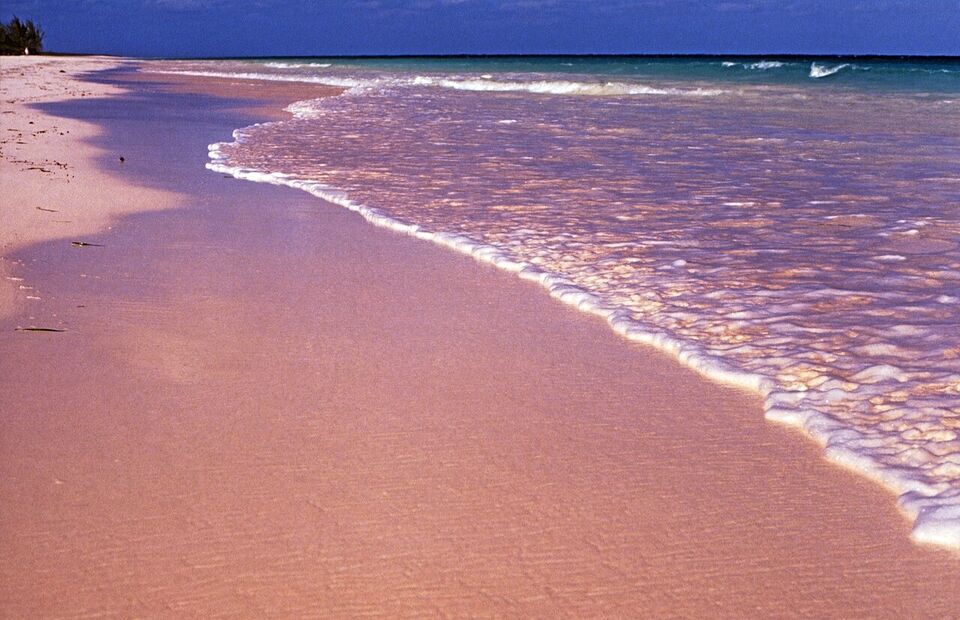
Pink Sands Beach, Harbour Island
A long beach with pale pink sand runs along the Atlantic side of the island. The color is subtle and is easiest to see in morning or late-afternoon light. Harbour Island is reached by a short boat ride from North Eleuthera. We could not confirm public access rules or facilities, so ask your hotel. See Eleuthera and Harbour Island.
Cabbage Beach, Paradise Island
The best-known beach near Nassau, reached by a short taxi ride and a bridge. Resorts control chairs, towels and some areas, and we could not confirm the exact public-access rules. Our Paradise Island guide explains day passes and who pays for what.
Cable Beach, New Providence
Cable Beach is the hotel district west of downtown. A resort here sells day passes for a water park, and public sections of the shoreline exist, but we could not confirm the current access rules. See Cable Beach.
Junkanoo Beach, Nassau
The closest beach to the cruise port, on West Bay Street, popular with visitors on a short day. It is generally free to use, and chairs are usually a paid extra, so check on arrival. The State Department notes that visitors should be alert in public restrooms near downtown Nassau beaches, so use hotel or restaurant facilities where you can.
Gold Rock Beach, Grand Bahama
The tourism site lists it as a Grand Bahama highlight. We could not confirm how to reach it or what facilities it has, so ask the Bahamas National Trust or your tour operator, and carry water. See Grand Bahama.
Tropic of Cancer Beach, Little Exuma
The Tropic of Cancer crosses the sand at this beach on Little Exuma, which is also called Pelican Beach. Great Exuma has long stretches of beach too. See the Exumas.
Tahiti Beach, Elbow Cay
A sand beach at the south end of Elbow Cay, with a sand bar at low tide that boaters like and snorkeling nearby in Tilloo Cut. Tides drive the experience, so ask locally about timing. See the Abacos.
Other beaches are worth knowing. Cat Island's tourism page describes "pink sands" and lists Old Bight Beach among its highlights, and Taino Beach near Lucaya on Grand Bahama is the easier option for most visitors there. Pig Beach on Big Major Cay is a stop for boat tours, not a beach day (see swimming pigs).
Comparing beaches by island
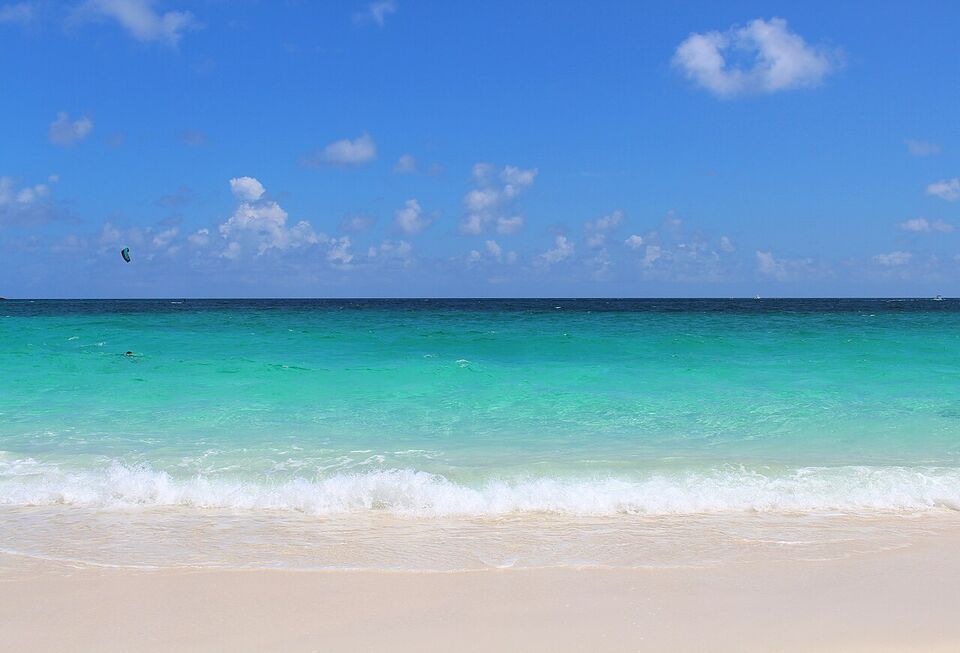
The table gives a general sense, not a guarantee. Conditions change with wind, tide, season and storms, and we could not confirm facilities at each beach. Where we say "check", ask your hotel.
| Island and beach | Sand | Swimming | Crowds | Facilities |
|---|---|---|---|---|
| Harbour Island: Pink Sands | Pale pink | Atlantic side, so check the surf | Ask; winter is the busy season | Close to hotels and restaurants; check |
| Paradise Island: Cabbage Beach | Light sand | Often calm; boats and jet skis may be nearby | Can be busy; ask | Resorts close by |
| New Providence: Cable Beach | Light sand | Often calm; check boat traffic | Ask | Hotels, restaurants, taxis |
| New Providence: Junkanoo Beach | Light sand | Near the harbor, so check boat traffic | Can be busy; ask | Chairs for a fee, restaurants nearby |
| Grand Bahama: Gold Rock | Light sand | Check the surf | Ask | Ask; carry everything |
| Little Exuma: Tropic of Cancer | Light sand | Check the surf | Ask | Ask; carry everything |
| Elbow Cay: Tahiti Beach | Light sand | Calm in the lee; tide and boats matter | Ask; tide-dependent | Few; reached by boat or golf cart |
We left out sand-color claims where our sources did not give them. In general, expect the Bahamas' sand to range from white to cream, with pink tones on a few beaches, and do not book a trip around a color you cannot confirm.
Public access and resort beach rules
The tourism site presents beaches as open to visitors. In practice, there are two layers. The sand and water are generally open, but the paths to them, the chairs, the umbrellas and the bar area in front of a resort belong to the resort. Some resorts also fence or sign the areas set aside for guests.
- Find the public path first. Ask your hotel, or a taxi driver, where the public access is, and park or get dropped there.
- Ask before you sit. Staff at a resort beach may ask whether you are a guest, and they may charge for chairs or towels. Ask what is included before you pay anyone for chairs.
- Day passes. Atlantis on Paradise Island requires a day pass for non-guests, and Baha Mar's water park sells its own. Prices vary by date and season, so check the resort's site. Our Paradise Island and Cable Beach pages explain them.
- Walking the shore. You can often walk a long way along the sand, but the heat is real. We could not confirm the legal right to walk past each resort, so go in the cooler part of the day.
Different from home
US beaches usually have lifeguards, restrooms and snack stands. Most Bahamian beaches outside the big resorts have none of these. Treat each beach as self-service.
Which beach suits you
Families with children
Look for calm, shallow water with a gradual slope, a sheltered coast and facilities close by. Nassau-area resort beaches and Grand Bahama's Taino Beach suit many families because food, restrooms, shade and a doctor are nearby. Atlantic-side beaches with surf are harder with small children. Our families guide explains it by age.
Snorkeling
Snorkeling is best in calm, clear, shallow water near rocks or reef, and not near boat channels. Tahiti Beach and Tilloo Cut on Elbow Cay are a good example, and Thunderball Grotto near Staniel Cay is the best-known snorkeling spot in the Exumas. See diving and snorkeling.
Walking
Long beaches such as Pink Sands Beach, Gold Rock Beach and the Exuma stretches suit a long walk. Go early or late, carry water and check the tide so you can walk back.
Quiet
The quieter beaches tend to be far from resorts and may have no services, such as Tropic of Cancer Beach on Little Exuma, Gold Rock on Grand Bahama and many beaches on the Out Islands. Go on a weekday, bring everything and tell someone where you are going. See the Out Islands.
Easy beach days from a cruise ship
Junkanoo Beach is the closest option, and a taxi or water taxi reaches Paradise Island. Be back well before the all-aboard time. See our cruise guide.
Safety at the beach
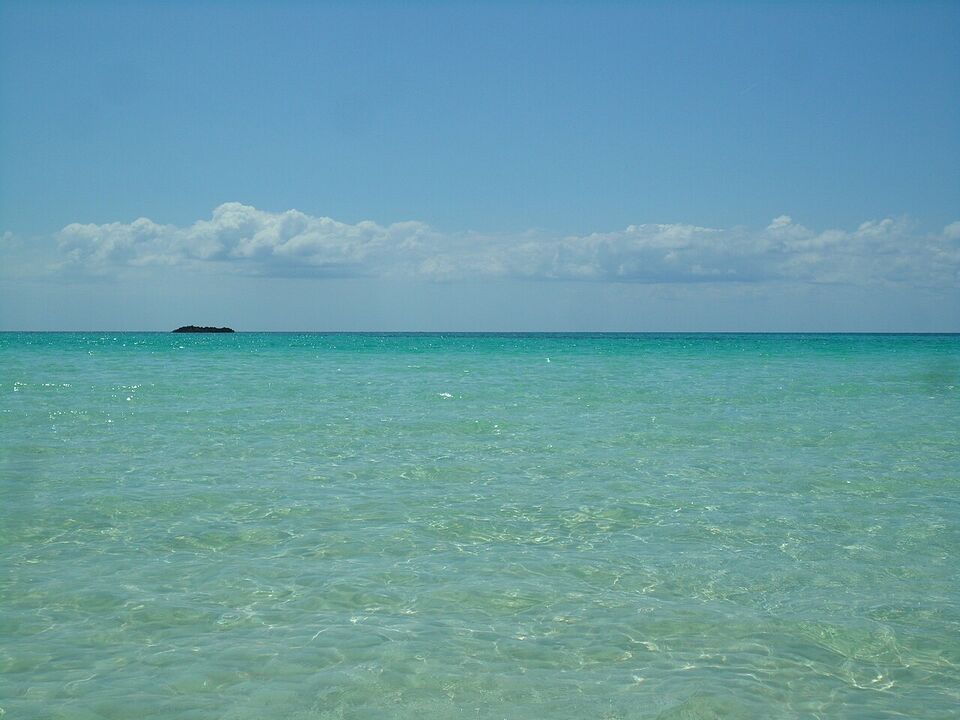
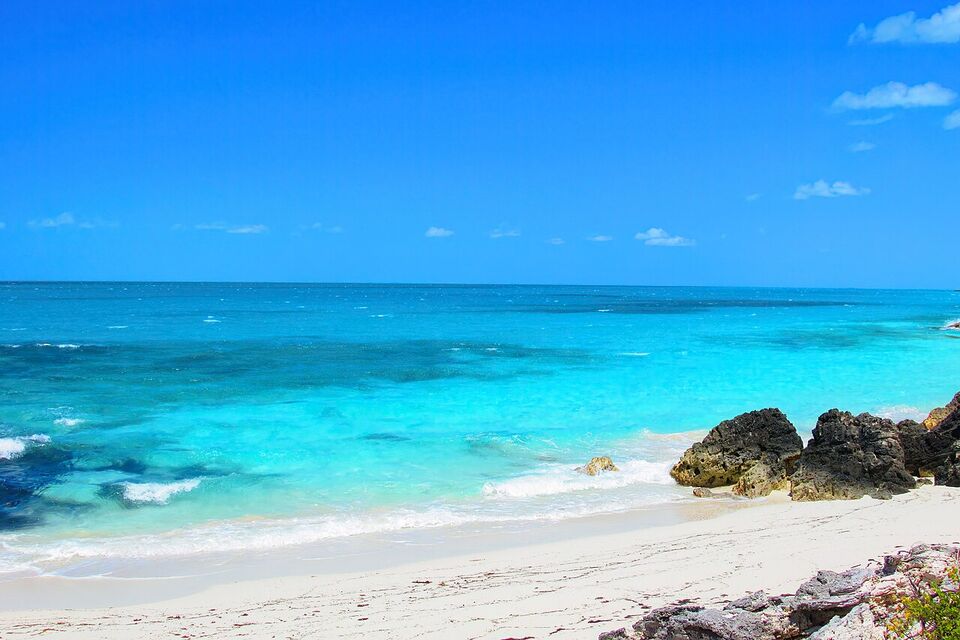
The State Department's July 2026 advisory (Level 2: Exercise Increased Caution, as of November 2026; check travel.state.gov) includes beach advice, and the sensible points are simple.
- Never swim alone, and keep children within arm's reach near the water.
- Watch for boats. The advisory warns that boating is poorly regulated. Swim in marked areas, away from channels, docks and jet-ski routes, and do not swim where boats run.
- Jet skis. The advisory reports serious problems with independent jet-ski operators, including sexual assaults, and US government employees may not use independently operated jet skis on New Providence and Paradise Island. We do not recommend renting from an unlicensed operator.
- Know your ability. The advisory lists overestimating snorkeling ability, sharks and ignoring marine weather alerts among the risks. If you are not a strong swimmer, wear a life jacket.
- Valuables. Take only what you need onto the sand, and do not leave bags unattended.
Watch out
Rip currents can form on beaches that face open water, including Atlantic-facing beaches. If you are caught in one, do not fight it: swim parallel to the shore until you are free, then swim in. Ask locally about the day's conditions, and swim where others are swimming.
Sun and heat
The sun is strong all year, and sunburn is the most common beach injury. Nassau's daily highs reach about 80°F (27°C) in winter and about 91°F (33°C) in July and August. Use a broad-spectrum sunscreen, reapply after swimming, wear a hat and a rash guard, and rest in the shade at midday. We found no Bahamas rule requiring reef-safe sunscreen, but mineral sunscreen without oxybenzone or octinoxate is a sensible choice, and never stand on coral.
Sand flies and mosquitoes
Biting insects, including tiny sand flies (sometimes called no-see-ums), are more common near mangroves, at dawn and dusk and on calm, humid evenings. We could not confirm a Bahamian season for them. Bring insect repellent, and cover up at sunset. Check the CDC travel page for the Bahamas for current mosquito-borne illness advice, and see health and medical care.
Sargassum seaweed
Sargassum is a floating brown seaweed that can wash ashore in thick mats in some years, mostly on Atlantic-facing coasts, and it can smell as it rots. We could not confirm the current season or forecast for the Bahamas. In general, expect more in warmer months than in winter, but conditions change from year to year and from beach to beach. Ask your hotel about recent conditions before you book a particular beach, and keep a sheltered coast as a backup. Sargassum does not make the water unsafe for most people, but a heavy mat can make swimming unpleasant and can hide jellyfish or debris.
Planning a beach day by island
How you reach the sand matters as much as the sand. Here is how a beach day tends to work on each main island group, with the details that are easy to miss.
Nassau, Paradise Island and Cable Beach
This is the easiest set: taxis run set zone fares from the airport, hotels and restaurants are close and a doctor is a short drive away. The tradeoff is crowds on days when several cruise ships are in port. Go early, or choose a stretch away from the port. Confirm any taxi fare before you get in, and arrange the return trip at the same time if the beach is remote.
Eleuthera and Harbour Island
Harbour Island is small and walkable, and many visitors move around by golf cart. The main Pink Sands Beach is on the Atlantic side, so surf and wind change the swimming from day to day. On Eleuthera itself you need a car to reach beaches, and distances are long: the island is about 110 miles (180 km) from end to end and in places under a mile wide. See Eleuthera and driving and golf carts.
The Exumas
Great Exuma has long stretches of beach reached by car, and the cays beyond are reached by boat. In the Exuma Cays Land and Sea Park, facilities are very limited, with a small store and no public restrooms, trash cans or Wi-Fi, so a beach stop there is a pack-in, pack-out visit. Boats pay park fees, so ask your operator whether they are included in the tour price.
The Abacos
Most visitors fly into Marsh Harbour and take a ferry to Elbow Cay, where Tahiti Beach lies at the south end. Beach trips here often involve a golf cart or a small boat, and the tide changes what you find. Ask locally about timing.
Grand Bahama
Grand Bahama's beaches are spread out, from Taino Beach near Lucaya to Gold Rock near the park. Going to the east side by car means few services on the way, so carry water, snacks and cash, and turn back before dark.
Boat-only beaches
Many of the most photographed sandbars and cays can be reached only by boat. Choose a licensed, insured operator with life jackets, and ask about the weather policy and the return time. The State Department advisory notes that some watercraft are unsafe or uninsured. See fishing and boating.
Beach seasons and weather
Winter is the driest season, with Nassau highs around 79 to 84°F (26 to 29°C), and the water is mid-70s F, which some swimmers find cool. Summer is hot and humid, with the warmest water (low to mid 80s F) and the most rain, and hurricane season runs June 1 to November 30. A cold front can bring a few windy, cooler days in winter, and wind and swell change which side of an island is calm. See when to go and hurricane season.
Check the National Hurricane Center (nhc.noaa.gov) and the Bahamas Department of Meteorology if a storm is forecast, and check your hotel's cancellation terms before you book in the season.
What to bring
- Water, snacks and a bag for your trash. Many beaches have no bins or shops.
- Shade: a beach umbrella or tent if you cannot rent one, and a hat.
- Mineral sunscreen, a rash guard and lip balm with sunscreen.
- Insect repellent for dusk and mangroves.
- Water shoes for rocky entries and for walking on hot sand.
- Your own mask and snorkel if you plan to snorkel often.
- Cash in small bills. Chairs, drinks and small stands may not take cards, and change is often given in Bahamian money. See money.
- A dry bag for your phone and keys, and a charged phone with offline maps.
- A first-aid kit with antihistamine and an after-sun gel. Our packing list has a full list.
Common mistakes
- Expecting facilities on a remote beach. Many beaches away from the resorts, such as Gold Rock, Tropic of Cancer and most Out Island beaches, may have no shops, restrooms, shade or lifeguards. Bring everything and plan your return before dark.
- Swimming where boats run. Channels, docks and busy anchorages are dangerous. Swim in a roped-off area or well away from boat traffic.
- Taking shells and coral. Buying shells, coral or tortoiseshell products can be restricted at the US border, so check CBP and US Fish and Wildlife first. See shopping and taking things home.
- Trusting one photo. A beach photo does not tell you about the surf, seaweed or access. Ask the hotel what it is like for your dates.
- Skipping sun protection on a cloudy day. The sun still burns.
- Going to a boat-only beach without a plan. Tide, wind and return times matter. Confirm them with your boat operator. See fishing and boating and getting around.
Rules and conditions change, so check the Ministry of Tourism (bahamas.com) for beach and park updates, and ask your hotel about closures, seaweed and surf before you go.
Add it to a route in the trip builder, or ask us to plan the hotels, trains and guides for you.