Overview: how big a risk is hurricane season?
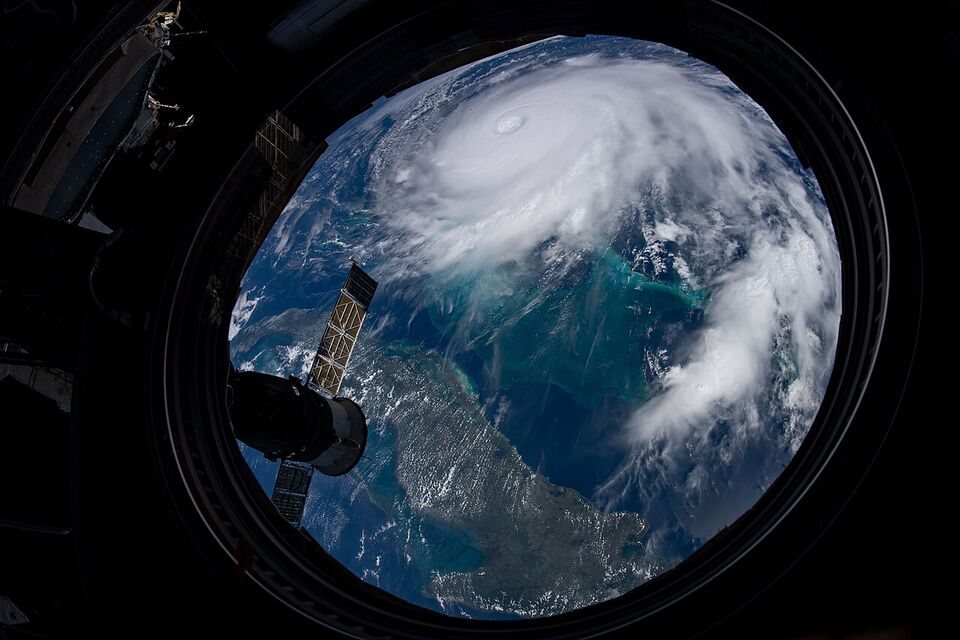
The Atlantic hurricane season runs from June 1 to November 30, and it is the main reason the Bahamas has a "low season" in late summer and early fall. Most trips in the season go ahead without a storm, but the risk is real, because the Bahamas lies in the path of many Atlantic storms and most of its land is low and exposed. The right response is not to avoid the season altogether, but to plan for it: book flexibly, insure early, watch the forecasts and know what you will do if one appears.
This page covers which months matter most, how storms affect a trip, how to read a forecast, how to book and insure, what to do if a storm approaches while you are there, what Hurricane Dorian taught, and where the 2026 season stands. For the wider picture of weather and crowds, see our best time to go guide, and for safety in general, see the safety page.
A note on timing: as of November 14, 2026, the season ends in 16 days. If you are traveling before it ends, the sections on forecasts and what to do during a storm are the ones to read first. If you are planning next summer or fall, start with the months and the insurance sections.
Which months matter most
Storm activity in the Atlantic is not spread evenly. The peak runs from late August through September, and the statistical midpoint of the season is about September 10. Storms are possible before and after that peak, which is why the season has such wide dates. The table below describes the risk in words, as a general guide based on typical seasons and not a forecast for any year.
| Month | Risk in words | What it means for travelers |
|---|---|---|
| December to May | Outside the season; storms are very unlikely | The main weather concern is the occasional cold front. See December and January. |
| June | Season opens; early storms are usually fewer and weaker | Lower risk, but not zero. Hot, humid and rainy. |
| July | Still lower than the peak | Book flexibly; check forecasts a week before. |
| August | Rising quickly through the month | Risk climbs, especially late in the month. Buy insurance early. |
| September | Peak of the season | The highest risk of a storm affecting a trip. Dorian struck on September 1, 2019. |
| October | Still active; storms often form in the western Caribbean | Risk remains real: a hurricane crossed Long Island and San Salvador in late October 2025. |
| November | Fading, ends on November 30 | Low but not zero. See our November guide. |
Do not rely on "no hurricanes before June or after November". The 2025 storm that hit the southern Bahamas in late October shows that late-season systems can matter, and the official season dates are a convention, not a guarantee.
How storms affect a trip
A hurricane does not have to make landfall on your island to disrupt a trip. Watch for these effects:
- Flights. Airlines cancel or reschedule flights before a storm arrives, and airports close during it. Small-plane routes between islands usually stop first.
- Boats. Ferries, mailboats and tour boats stop in rough water, and marinas ask boaters to leave or secure vessels.
- Hotels and services. Hotels may close, restaurants and shops shut, and power, water and cell service may fail for days afterward.
- Storm surge and flooding. Most of the Bahamas is low-lying, so the sea and rain can flood roads, airports and homes, even in a storm that is not at full hurricane strength.
- After the storm. The days after a storm can be as hard as the storm itself: damaged roads and airports, fuel shortages and limited flights, which can delay your departure.
Even a distant storm can shut a flight route or bring rough seas for several days, so a trip can be affected without any wind at your hotel. Different islands recover at different speeds: a resort in Nassau may reopen quickly, while a remote island may take much longer. Our getting around guide and flights guide explain the boat and air options that storms affect most.
How to read forecasts
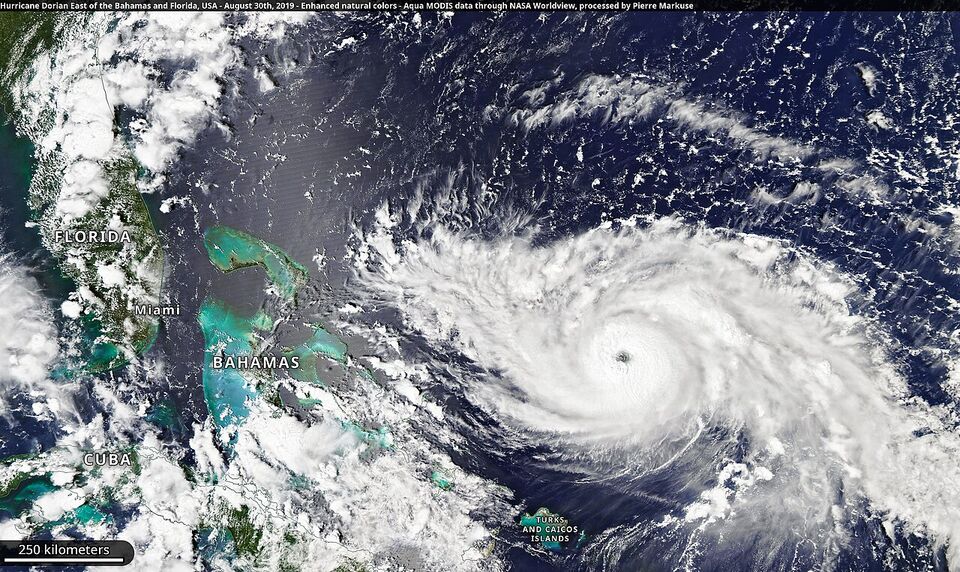
Two official sources matter most. The National Hurricane Center (nhc.noaa.gov), part of the US National Weather Service, issues forecasts and advisories for the whole Atlantic. The Bahamas Department of Meteorology issues local forecasts and warnings for the islands. Check both, and treat your hotel and airline as the source for what they will do.
The terms you will see
- Tropical storm: winds of 39 to 73 mph (63 to 117 km/h). Hurricane: winds of 74 mph (119 km/h) or more. Major hurricane: Category 3, 4 or 5, with winds of 111 mph (178 km/h) or more.
- Watch: hurricane or storm conditions are possible in the area, usually about two days ahead (check nhc.noaa.gov for the exact definition). This is the time to finish your preparations.
- Warning: conditions are expected, usually about a day and a half ahead. By this time, outdoor preparations should be done.
- The cone: the shaded area shows where the center of the storm may pass. It is not the size of the storm, and dangerous winds, rain and surge can reach well outside it.
Look at the forecast several times a day once a storm is named, because tracks change. Do not focus only on the category: a slow, large storm of lower category can bring more flooding than a fast, compact one. In 2019, forced evacuations of the Abacos and Grand Bahama were ordered on August 31, the day before Dorian struck. Those who watched the forecasts early had the most choices.
The government also runs a Bahamas News and Emergencies app, and the US Embassy asks Americans to enroll in the State Department's Smart Traveler Enrollment Program (STEP) so they receive alerts. The Embassy posted a hurricane preparations message in late August 2026.
Booking and insurance
The cheapest way to handle hurricane season is to book in a way that lets you change plans. Insurance and policies differ widely, so verify every item below on the actual policy or booking terms before you pay.
Your options
- Standard travel insurance. Many standard policies cover trip cancellation or interruption caused by a named storm, but usually only if you bought the policy before the storm was named, and only within the terms of the policy. Read what counts as a covered reason and what the policy calls a "foreseeable" event.
- Cancel for any reason (CFAR). This optional upgrade costs more and usually must be bought soon after your first trip payment. It typically refunds only part of the prepaid cost, not all of it, and it has its own deadlines. Verify the percentage and the cutoff in writing.
- Resort hurricane guarantees. Some resorts and tour companies promise credits, refunds or free changes if a storm affects your stay. The terms vary by resort: ask what triggers the guarantee (a named storm, a warning, an official closure), and get the promise in writing.
- Flexible airfare and rooms. Refundable or changeable tickets and rooms give you the most control. Airlines often issue travel waivers when a storm threatens, which let you change your flight without a fee, but you should check the airline's own notice instead of assuming.
- Travel medical insurance. Medical services can be limited on smaller islands, and a medical evacuation can be expensive. Make sure your policy covers it. See our health page.
Watch out
Buying insurance after a storm is named is the most expensive mistake. Most policies treat a named storm as a known event, so the cover you buy then will usually not apply to it. Buy when you book, not when the forecast turns bad.
Save money
If you are traveling in August to October, compare the cost of a flexible fare and a refundable room against a non-refundable bargain plus insurance. The cheapest ticket becomes the most expensive if it is lost. Our budget guide shows how to compare the totals.
The second common mistake is leaving the airline booking rigid. If you have a basic fare with no changes, you may have to pay to move your flight or lose it. If you book a package, ask what happens to the flight, the hotel and any transfers if one part is canceled. For cruises, see our cruise guide, and for longer stays, the long stays page.
If a storm approaches during your trip
If a tropical system is forecast to reach the Bahamas while you are there, act early. The safest plan is usually to leave before the storm, if you can do so calmly. The timeline below is a general guide: the real timing depends on the storm, and your hotel and the authorities will have the final word.
- 4 to 5 days out
Watch and decide
If a system is forecast to approach, check the National Hurricane Center and the Bahamas Department of Meteorology each day. Read your airline's waiver notice, your insurance terms and your hotel's policy. Decide whether to leave early or stay, and ask your hotel what it will do.
- 3 days out
Rebook if you will leave
Call your airline early, since seats fill fast once a watch is issued. Book a flight that leaves well before the storm, and consider moving to the US or another safe place. Charge your devices and download maps and documents.
- 2 days out
Prepare if you will stay
Withdraw cash, since card readers and ATMs may fail. Buy water, food and any medicine, and charge your phone and power banks. Enroll in STEP, save the US Embassy and your hotel's numbers, and tell family where you are.
- 1 day out
Follow local authorities
Listen to announcements from the government and the National Emergency Management Agency (NEMA), your hotel and the Bahamas News and Emergencies app. If an evacuation or shelter order is issued, follow it. Do not go to the beach or sea to watch the storm.
- During the storm
Stay put
Stay indoors, away from windows, in an interior room or on a low floor of a sturdy building, as your hotel advises. Do not go out during the eye, which can be followed by winds from the other direction. Expect power and cell service to fail.
- After the storm
Wait for the all-clear
Wait for officials to say it is safe. Avoid downed power lines and floodwater. Airports may stay closed for days, so contact your airline for rebooking and use the Embassy for help with emergencies.
Flights, airports and shelters
Airports close ahead of a storm and may stay closed after it, so a flight home can slip by days. If you have a flight out before the storm, take it. If you cannot leave, the government announces shelters for residents, and hotels often have their own plans for guests, so ask what yours has arranged. Do not assume that a shelter is available to you: ask the hotel and listen to NEMA announcements. Stay where you are once the storm arrives, and do not try to move in it.
Who to call
For police, fire and ambulance in the Bahamas, dial 911 or 919. The US Embassy in Nassau (235 Shirley Street) is at 242-461-5025, with US citizen emergencies on extension 1, also after hours. The State Department's 24-hour numbers are +1-202-501-4444 from abroad and 1-888-407-4747 from the US and Canada. Keep these on paper in case your phone fails.
What Hurricane Dorian taught
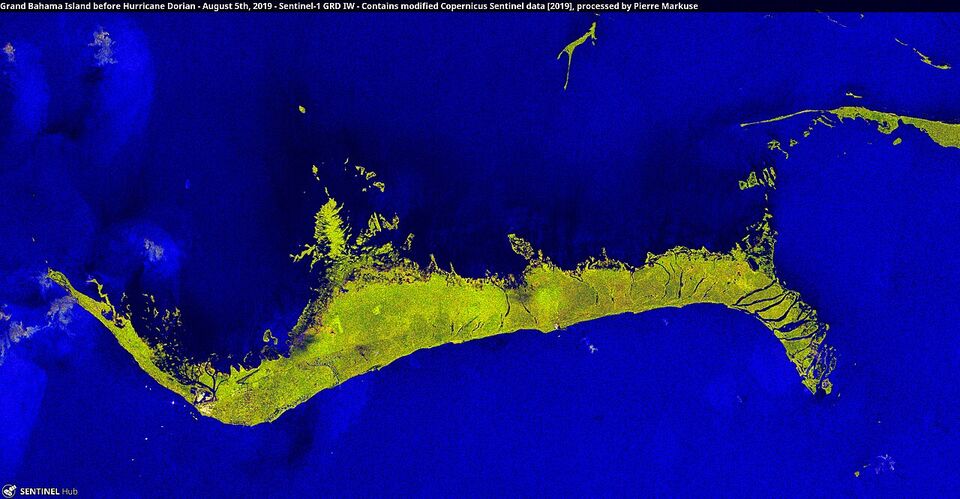
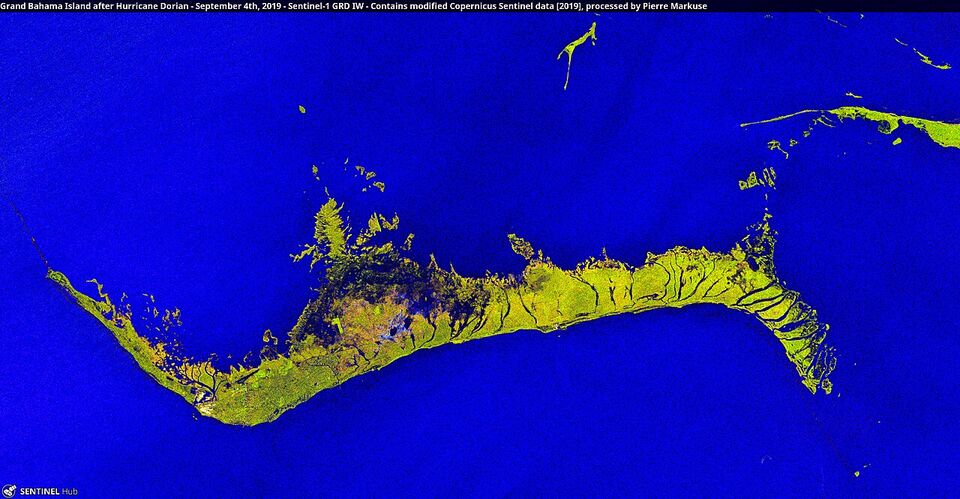
Hurricane Dorian struck the Abaco Islands on September 1, 2019 as a Category 5 storm with maximum sustained winds of 185 mph (295 km/h), the strongest hurricane on record to affect the Bahamas. It then drifted across the eastern end of Grand Bahama on September 2, and its slow movement prolonged the winds and flooding. It caused about $3.4 billion in damage, at least 74 deaths and 281 people missing. About 13,000 homes, around 45 percent of homes on Abaco and Grand Bahama combined, were severely damaged or destroyed, at least 70,000 people were left homeless, and about 90 percent of Marsh Harbour's infrastructure was damaged. Marsh Harbour's airport on Abaco was badly damaged, and floodwater contaminated the Rand Memorial Hospital in Freeport.
Lessons for visitors
- Take evacuation orders seriously. Forced evacuations were ordered for the Abacos and Grand Bahama on August 31, the day before landfall. Time to leave is short once an order is given.
- Low islands cannot absorb a surge. Much of the damage came from the sea and from flooding, not only wind.
- Services fail together. Hospitals, airports and power can be hit at once, so plan to be self-reliant for days.
- Recovery is long and uneven. We do not call any island "fully rebuilt" or "still devastated", because the picture differs by place and by year.
What we can say, from official tourism figures, is that visitors have returned. The Ministry of Tourism reported that Abaco had a record year in 2025, with just under 520,000 visitors, and that Grand Bahama passed 1 million total arrivals (about 1.1 million) for the first time in more than 22 years. Those numbers show demand, not full recovery, so ask your hotel which services and attractions are running. See our Abaco and Grand Bahama guides for current travel options.
The 2025 and 2026 seasons
In late October 2025, a hurricane crossed the southern Bahamas, making landfall on Long Island as a Category 1 storm on October 29 and then reaching San Salvador. It damaged Long Island, Crooked Island, Cat Island, Rum Cay and San Salvador, including flooding on Rum Cay and a badly damaged power station on Long Island. We cannot confirm the current recovery status of each island, so ask your hotel and airline before you book travel to the southern islands.
The 2026 season so far (to November 14) has produced 10 named storms, from Arthur to Josephine, and one hurricane, Isaias, a Category 3 storm that formed in the Bay of Campeche in the Gulf of Mexico and made landfall in the US. No named storm of the 2026 season is reported to have hit the Bahamas, though a trough of low pressure passed over the islands on August 7 before a storm formed. For context, the long-term average (1991-2020) is about 14 named storms, 7 hurricanes and 3 major hurricanes. The season is still officially ongoing until November 30, so check the National Hurricane Center before you fly.
Mistakes to avoid
- Buying travel insurance after a storm is named.
- Leaving the airline booking rigid: choose a changeable fare, or know the change rules.
- Assuming a hotel's hurricane guarantee covers everything: read the trigger and the remedy.
- Waiting for the last flight or boat out.
- Counting on ATMs, card readers and cell service after a storm.
- Ignoring official warnings because the sky looks calm.
- Booking only on a single island with one flight out in peak months.
For other planning, see our where to stay page and the FAQ.
Add it to a route in the trip builder, or ask us to plan the hotels, trains and guides for you.