Overview: January in the Bahamas
January is the heart of the dry season. Days are warm and sunny, humidity is lower than in summer, and rain is at a yearly low. It is also peak season: resorts are full, prices are high, and the most popular boats and flights need early booking. The trade-off is the sea, which is cooler than in summer, and the evenings, which can be noticeably cool.
This guide covers the weather and what it means for swimming, the Junkanoo parade on New Year's Day, crowds and booking, a table of what to expect by island, fishing and sailing, what to pack, and what to do on a windy day. If you are choosing between months, see our December and November pages and the best time to go guide.
Weather and sea conditions
Nassau's 1991-2020 averages (from the Bahamas Department of Meteorology) give a January high of about 79°F (26°C) and a low of about 65°F (18°C). Rain averages about 1.8 inches (45 mm) over about 7 days, and sunshine runs to about 226 hours for the month. Freeport on Grand Bahama is cooler: older records show highs near 76°F (24°C) and lows near 61°F (16°C), with more rain, about 3.3 inches (83 mm) over 10 days.
Cold fronts are most common from December to March. A front typically brings a day or two of cooler air, stronger north winds and choppy water, and then the weather settles again. Nassau's record low in January is 46.3°F (7.9°C), so a very cold night is possible but unusual.
Published sea temperatures for Nassau in January are in the low-to-mid 70s F (about 73 to 75°F, or 23 to 24°C), depending on the source. Water at that temperature is refreshing in the sun and cold in the wind. Plan on shorter swims than in summer.
Watch out
Do not assume it is warm enough for all-day swimming everywhere. Air that feels warm in the sun can feel cold when you leave the water in a breeze, and snorkelers lose heat quickly. Bring a rash guard or a thin wetsuit, warm towels and a dry layer, and pick a sheltered beach on windy days.
Peak season: crowds, costs and booking
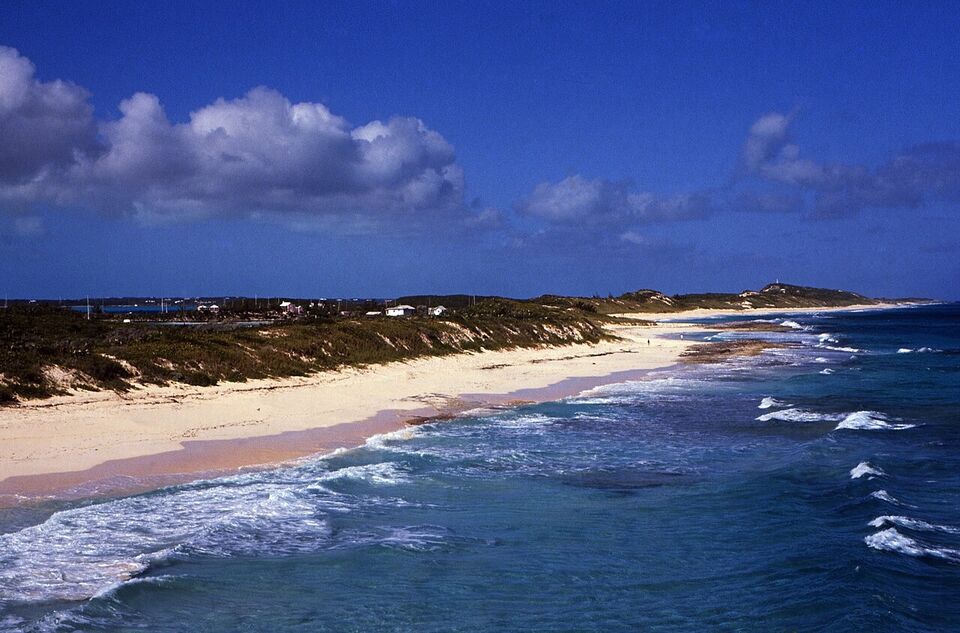
The Bahamas is busiest from mid-December to April, and early January is among the busiest weeks, as Christmas visitors overlap with New Year's guests. After the first week, crowds ease a little, but the season stays strong through winter, especially at weekends and school breaks. Hotel rates differ by property, so we give none: compare the dates you want on the hotel's own site and ask for the all-in total, including VAT (10 percent on most goods and services), any service charge or resort fee, and gratuity.
How far ahead to book
- Book flights and rooms as early as your plans allow, and book small-plane seats and ferry tickets as soon as you know your dates.
- Book boat tours, fishing charters and day passes at the large resorts before you arrive, since popular days fill up.
- Reserve restaurant tables for Friday and Saturday evenings, and for any event weekend.
- Read the cancellation terms. Peak-season rooms often have stricter deadlines.
Our where to stay and flights guides explain how to choose, and the budget page helps you compare costs.
Save money
The week after the New Year's holiday is often calmer than the days around it, and a midweek stay on a smaller island can cost less than a weekend in Nassau. Use flexible dates in your search and compare a cheaper flight day against a higher room rate.
Junkanoo on New Year's Day
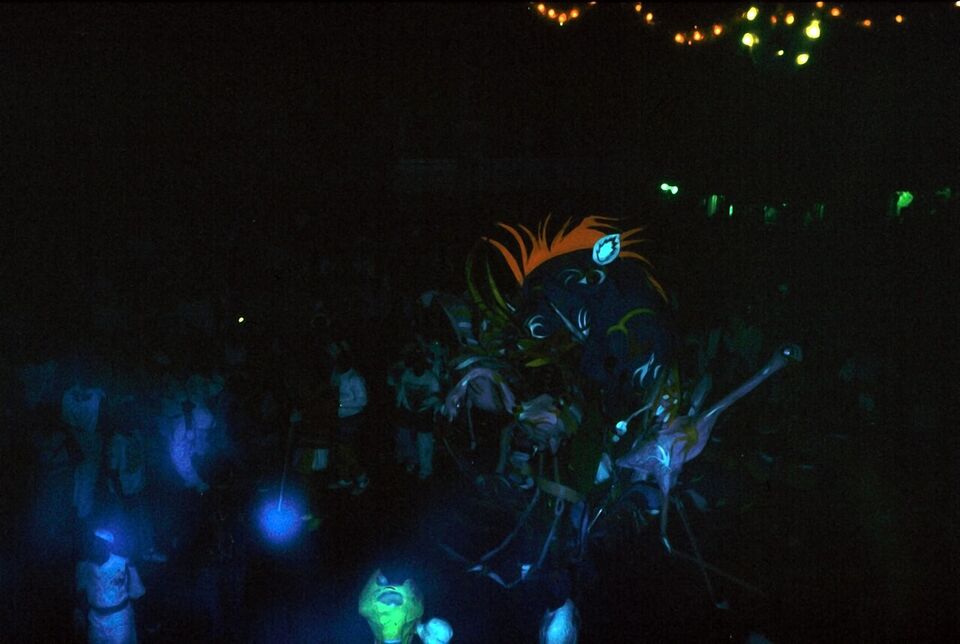
Junkanoo is a masked street parade with drums, cowbells, whistles, horns and large, elaborate costumes. The Bahamas' main parades traditionally take place on Boxing Day (December 26) and New Year's Day (January 1), on Bay Street in Nassau. UNESCO added Junkanoo to its list of Intangible Cultural Heritage in 2023. The New Year's Day parade, which falls on Friday, January 1, 2027, traditionally starts in the early hours of the morning, in the dark, and runs into the day.
We have not confirmed 2026-27 start times, routes, seating or ticket prices, so check the Ministry of Tourism (bahamas.com) and your hotel. Stay close to Bay Street if you can, bring a light jacket for the cool pre-dawn air, and plan for road closures near the route. Our December guide explains Junkanoo in more detail, and the festivals guide lists other celebrations.
In the 2025-26 season, an Exuma Junkanoo took place on January 3 in George Town and a Junior Junkanoo on January 29 on Bay Street. We have no confirmed dates for 2027, so ask the tourism site. The Staniel Cay Regatta is held around New Year's Day.
Holidays in January
New Year's Day (Friday, January 1, 2027) is a public holiday, so expect banks and many shops to close. Majority Rule Day is January 10, which in 2027 falls on a Sunday, so the day off is typically the following Monday, January 11. That is based on the usual rule, not an official notice, so check before you plan.
What to expect by island
| Island | Weather and sea | Best bets in January |
|---|---|---|
| Nassau and Paradise Island | Dry and sunny; brisk evenings | Sights, food and Junkanoo; resort days. See Nassau. |
| Grand Bahama | Cooler than Nassau; more rain than Nassau in older records | Quiet beaches, nature parks and walks. See Grand Bahama. |
| The Exumas | Close to Nassau; calm days are good, windy days can cancel boats | Boat days, snorkeling and sailing. See the Exumas. |
| Eleuthera and Harbour Island | Mild days; breezy beaches | Beach walks and relaxed stays; book early. See Eleuthera. |
| Abacos | Mild; north winds can stir up the sea | Cays by boat on calm days. See Abaco. |
| Andros and Bimini | Mild; good fishing weather | Bonefishing and quiet stays. See Andros and Bimini. |
Fishing and sailing
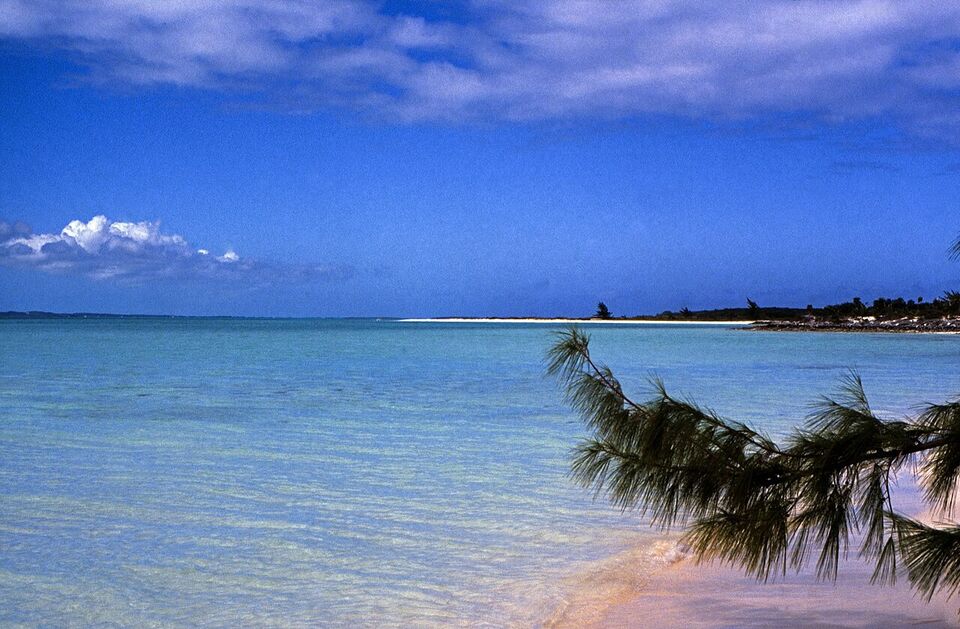
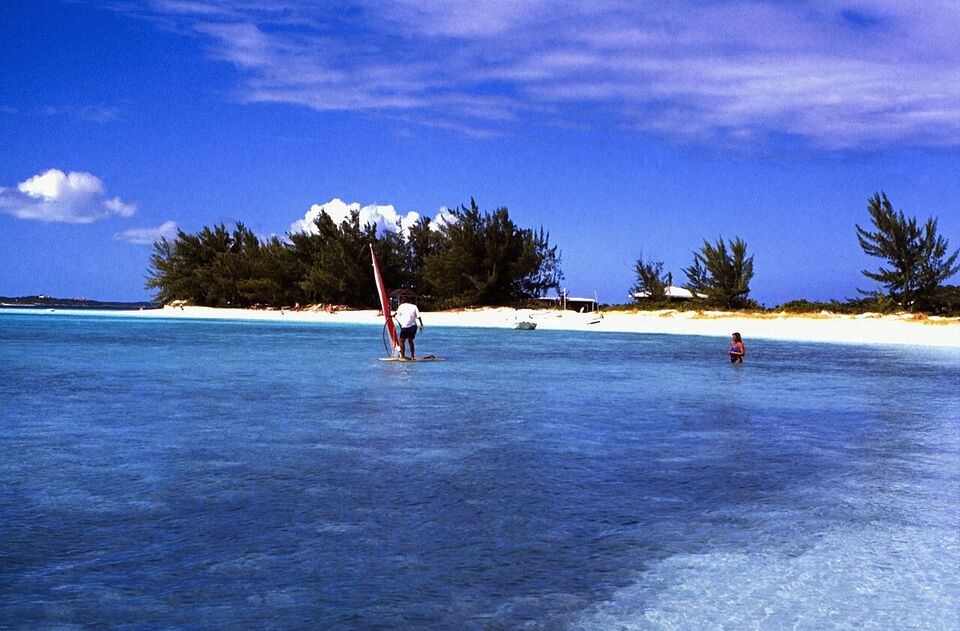
The cooler months suit anglers and sailors who like steady breezes. Our fishing and boating guide covers charters and rules. Two points matter in January. First, a sport fishing permit is needed to fish from a vessel that is not Bahamian-owned, but not to fish from shore or a dock, and anglers over 12 need a flats licence. Check the current permit fee and rules at bahamas.com/fishing-faq before you go. Second, fishing for hire without a Bahamas Port Department licence can lead to detention, seizure of the vessel and heavy fines, so use a licensed charter.
Sailing is popular in winter because the trade winds blow steadily, but wind also means rougher water. A strong cold-front wind can cancel boat trips, so keep a spare day in your plan and ask the operator how they decide when to sail. The State Department advises care with watercraft: the Bahamas has had injuries from poorly regulated boating, so choose an operator with proper safety gear and insurance. See our safety page.
What to pack for January
Pack for sunny days and cool evenings. Swimwear, shorts, T-shirts and sandals suit the day, and long pants, a sweater or fleece and a windproof jacket suit evenings, dinners outdoors and boat rides. A thin rash guard or shorty wetsuit makes snorkeling more comfortable. Bring sun protection (the sun is strong even in winter), a hat and a light rain jacket. Check our packing guide for a full list.
Bring small bills for taxis and tips. Change is often given in Bahamian money, which is hard to exchange back home.
What to do on a windy day
Winter fronts mean a few windy or cool days. They are good for the places that do not depend on the sea:
- History and walking in Nassau. The Queen's Staircase (65 steps carved from limestone in 1793-94) and Fort Fincastle sit on Bennet's Hill. See Nassau sights.
- Art and culture. The National Art Gallery of The Bahamas is on West Street in Nassau. Check its hours and prices on nagb.org.bs.
- Food. Arawak Cay, known as the Fish Fry, has local eateries on West Bay Street. See food.
- Resorts and spas. Large resorts offer indoor options and day passes that you should book ahead.
- Sheltered water. Ask locals which beach is shielded from the wind on the day, since wind direction matters more than distance.
Sample plans for January
- New Year weekend
Nassau for Junkanoo
Stay downtown or a short taxi ride from Bay Street, rest the afternoon before, and plan to watch the parade in the early hours. Keep the rest of the trip loose: after a late night, a slow morning, a late lunch at Arawak Cay and an afternoon beach walk is plenty. Book the room well ahead, since this is one of the busiest weekends of the year.
- One week
Dry-season island hop
Combine three nights in Nassau with three on Great Exuma or Eleuthera. Choose the inter-island flight or ferry first, leave a spare day for wind, and ask each operator how they handle cancellations in rough weather. Our Out Islands guide helps you choose.
- Ten days
Quiet beach and fishing trip
Base yourself on one island with a licensed guide or charter, and use the calm mornings for the water and the windy afternoons for walks, reading and long lunches. Confirm fishing permit rules and licences before you arrive.
Practical notes
The Bahamas keeps Eastern Time all year, the same as New York, so there is no time difference from the East Coast. Driving is on the left, so allow time to adjust if you rent a car. Nassau has US preclearance, which means you clear US customs before your flight home; follow your airline's check-in advice, because airports are busy in peak season. Many visitors drink bottled or filtered water, especially on the Out Islands: ask your hotel. Buy travel insurance when you book, and check our health guide before you go.
Add it to a route in the trip builder, or ask us to plan the hotels, trains and guides for you.