The short answer: choose a base, not a route
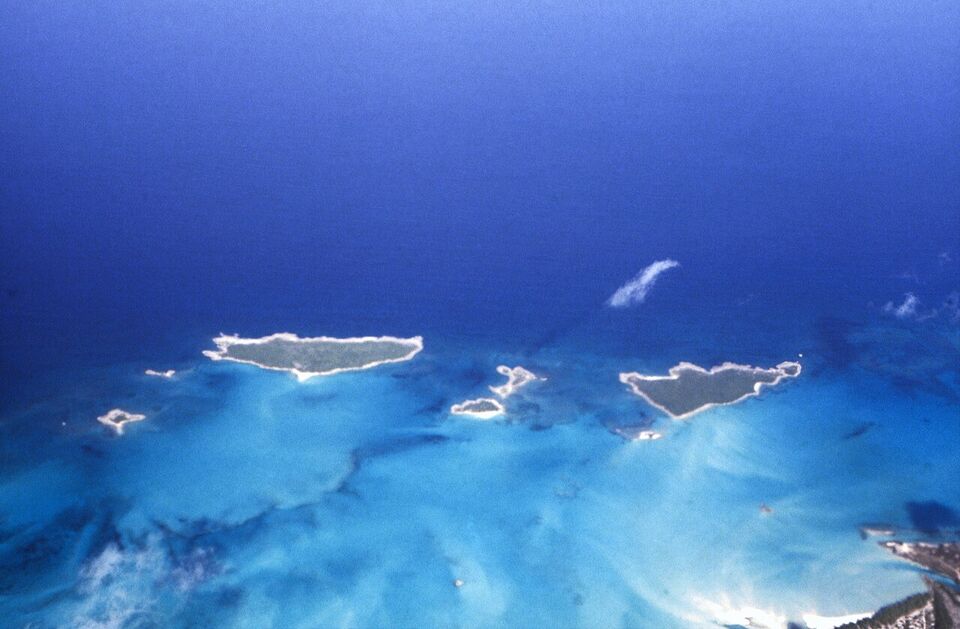
The Bahamas is about 700 islands and cays, and only a few dozen have places to stay. The mistake most first-time planners make is trying to see several of them. Our advice is simple: pick one base, or two at most, and spend your time there. Each move between islands is a morning or an afternoon spent on airport check-in, a small plane or boat, and a transfer at the other end.
This page helps you decide where to base yourself, shows what each base is good for, gives four sample trips, and sets out an order for booking. For the islands themselves, start with the guide to the islands. For how people and bags move between them, see getting around.
One honest point up front: the Out Islands (also called the Family Islands) take more time and planning than Nassau. Flights are fewer, small planes and boats can be cancelled by weather, many places take cash only, and restaurants may close on slow days. That is part of why people like them, but it is not a trip you can sort out in an evening the week before you leave. Nassau, by contrast, works much like a busy resort city, with plenty of taxis, tours and nonstop flights from the US.
Different from home
The Bahamas is not part of the US, and it is not one place. Each island has its own airport, its own rhythm and its own prices. There is no single "Bahamas vacation": a night in a big Paradise Island resort and a night on a small cay with one restaurant are different trips with the same passport stamp. The country keeps Eastern Time all year, so there is no jet lag from the East Coast.
How to choose between the islands
Start with what you want a typical day to look like, then match the island. The government tourism office describes 16 island groups; these are the ones most Americans choose between.
Nassau and Paradise Island (New Providence)
The capital and the biggest choice of hotels, restaurants and tours. Nassau is where most international flights land, and it has US preclearance, which makes the trip home simple (see entry rules for Americans). Paradise Island, reached by a bridge from downtown, holds the big Atlantis resort. Cable Beach, west of downtown, is the other main resort strip, with Baha Mar. Choose this base for a first trip, a short trip, a trip with children who want water slides, or when you want everything within a taxi ride. Cruise ships also stop here, so downtown is busiest on ship days. See the Nassau guide and Paradise Island.
Grand Bahama (Freeport and Lucaya)
The closest big island to Florida, with a second airport and cruise traffic. Grand Bahama was hit hard by Hurricane Dorian in 2019, and the tourism office reports that arrivals passed 1 million in 2025 (about 1.1 million), the first time in more than 22 years. We do not call it "fully rebuilt" because we cannot confirm that; ask your hotel what is open. It suits a short trip from Florida, nature (Lucayan National Park, with more than 6 miles of charted underwater cave tunnels) and a quieter, cheaper alternative to Nassau. See Grand Bahama.
The Exumas
A long chain of cays south-east of Nassau, known for clear shallow water, boating, the swimming pigs at Big Major Cay and the national park. Great Exuma (with George Town) is the practical base for most visitors, with flights from the US; Staniel Cay is the base for the northern cays. Choose it for beaches, boat days and a laid-back week. It is not a place for nightlife or big resorts. See the Exumas and the swimming pigs guide.
Eleuthera and Harbour Island
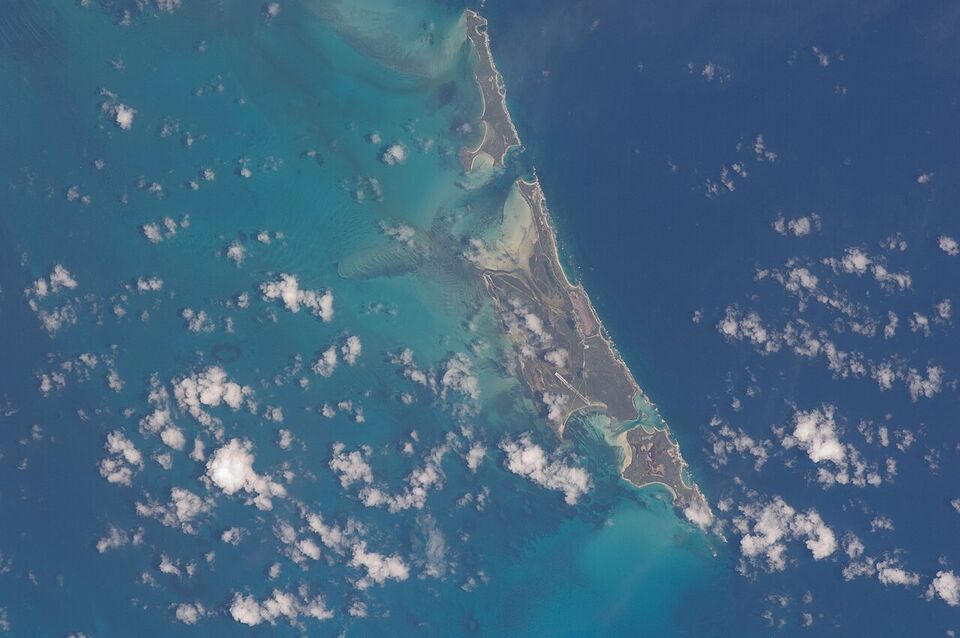
Eleuthera is a thin island about 110 miles (180 km) long and in places less than a mile wide. At its north end, a short boat ride away, is Harbour Island, known for its pink-tinted beach and a polished, more expensive feel. Spanish Wells, also in the north, is a fishing community. Choose Eleuthera for beaches and driving a rental car along the island; choose Harbour Island if you want a walkable village and are comfortable with higher prices. See Eleuthera and Harbour Island.
The Abacos
A boating region on the east side of the northern Bahamas, with Marsh Harbour as the main town and Hope Town on Elbow Cay, famous for its red-and-white striped lighthouse. Dorian destroyed much of the area in 2019, and the tourism office reports a record 2025 with just under 520,000 visitors. Choose it for boating, shallow bays and small-village life. Ask about the current state of anything you plan to rely on. See the Abacos.
Andros, Bimini and the quieter islands
Andros is the largest island in the country, known for fishing, blue holes and a long barrier reef. Bimini is the closest to Florida and a fishing and boating stop. Cat Island, Long Island, San Salvador and Inagua (home to tens of thousands of flamingos) are further out and have far fewer visitors. Several southern islands were damaged by a hurricane in October 2025 (Hurricane Melissa), so check the recovery status of any hotel before booking. These islands suit repeat visitors and anglers, divers and people who want to be left alone. See Andros, Bimini and the Out Islands overview.
Compare the bases at a glance
Use this table to narrow the list. "How busy" is a general feel in the high season (mid-December to April) and is not a count of visitors. Flight information comes from airport and airline listings current in November 2026; routes change, so confirm with the airline.
| Base | Best for | How to reach it | How busy it feels |
|---|---|---|---|
| Nassau and Paradise Island | First trips, families, short stays, resort days, history, food | Nonstops from many US cities (American, Delta, JetBlue, Southwest, United, Breeze and others) | Busiest, especially on cruise-ship days |
| Cable Beach | Resort stays with beaches, casino and restaurants | Taxi from Nassau airport, $30 for two people at last report (confirm the fare before you ride) | Busy but spread out |
| Grand Bahama | Short trips from Florida, nature, lower-key resorts | American Eagle from Miami; Bahamasair and Western Air from Fort Lauderdale; some seasonal routes | Moderate, quieter than Nassau |
| Great Exuma and the Exuma Cays | Beaches, boat days, pigs, snorkeling | American Eagle (Charlotte, Miami), Delta Connection (Atlanta); flights from Nassau | Quiet, busier at holidays and regatta times |
| Eleuthera | Beaches, car-based trips, surfing, quiet stays | Flights from Nassau to three Eleuthera airports; a ferry from Nassau to the north end | Quiet; Harbour Island fills up in winter |
| Harbour Island | Walkable village, upscale beach stays | North Eleuthera airport, then a short water taxi | Lively in peak weeks, calm otherwise |
| Abacos | Boating, Hope Town, shallow-water beaches | Flights from Nassau and from Florida (Marsh Harbour), then a ferry for Elbow Cay | Moderate, boat-heavy |
| Andros, Bimini, other Out Islands | Fishing, diving, solitude | Small planes from Nassau; check airlines for Bimini | Very quiet |
If you cannot decide, pick Nassau for your first trip and add one Out Island for the second half of a week or more. If you are on the fence about the Out Islands because of the planning effort, that is a fair reason to pick Nassau. You will not have missed out: it has beaches, history and food, and you can still leave the city on a boat day.
Why one or two bases beat island-hopping
Travel between islands is slower than the map suggests. A short hop by small plane can still mean a taxi to the airport, check-in, a wait, the flight, a wait for bags and a transfer at the other end. In practice a move takes a good part of a day. Weather can delay or cancel small planes and boats, and baggage limits on small aircraft can be tighter than on the airline you flew in on. Ask each carrier for its current limit when you book.
That is why we suggest a simple rule: for each island you add, you need at least three nights there, or the move costs more than it gives. A week with one base lets you see that island properly. A week with two bases, say four nights and three nights, is realistic. Three bases in a week mean you spend more of the trip moving than staying.
- Fewer moves mean fewer chances for a missed connection. If your flight home leaves from Nassau, build in a night in Nassau before it rather than flying in from an Out Island the same morning. See entry rules for why preclearance makes this matter.
- Day trips often replace moves. Many Nassau visitors take a boat day instead of changing island. From Nassau to Pig Beach on Big Major Cay is about 89 miles (143 km), roughly two hours by speedboat, so it is possible as a long day but is a lot of time on the water. Tours also leave from Great Exuma and Staniel Cay. Ferries do not go to Big Major Cay.
- One base lets you use the day. On islands with few restaurants, you learn the local rhythm (which places open when, which taxi to call) and it gets easier each day.
Insider tip
Put the longest or most weather-sensitive leg at the start of your trip, not the end. If a small plane or boat is cancelled on day two, you still have days to spare. If it is cancelled on the last day, you may miss your flight home.
Sample trips
These plans use only places and services we can describe in general terms. They give a rhythm for each trip, not exact times, because ferry and small-plane schedules change with weather and season. Check each operator before you book.
First trip: one week, Nassau and one Out Island
Good for first-time visitors who want a city and a quiet beach. It uses Nassau for the long flight and Eleuthera's north end for the second half, using the Nassau ferry or a short flight.
- Days 1-3
Nassau and Paradise Island
Land, settle in and take it easy the first afternoon. Walk the old town, including the Queen's Staircase (65 steps cut from limestone in 1793 and 1794). Eat at the Arawak Cay fish fry, which is on West Bay Street, about 15 minutes from downtown. Spend a day at a beach or a resort day pass: the Atlantis Aquaventure day pass must be bought in advance, and the Baha Bay pass at Baha Mar is priced by height (check the current prices). Details are in the Nassau guide.
- Day 4
Move to Eleuthera
Take a morning flight from Nassau, or the Bahamas Ferries boat from Potter's Cay to Spanish Wells or Harbour Island. The Bahamas Ferries FAQ (undated; check before you book) lists the adult fare as $138 one way or $256 round trip, and children 2 to 11 pay $103 one way or $185 round trip, taxes included. The ferry asks you to check in one hour before sailing and recommends booking at least two days ahead. Check bahamasferries.com for the current sailing times.
- Days 5-6
Beach days
Pick a beach, rent a golf cart or a car if you want to explore, and eat where the locals eat. On Harbour Island, most people walk or ride a golf cart.
- Day 7
Back to Nassau, then home
Fly or sail back to Nassau, ideally the day before your flight home so that weather cannot trap you. Then you go through US preclearance in Nassau before your flight.
Beach-and-pigs trip: Great Exuma, 5 to 7 nights
Fly into Great Exuma (George Town) and stay on one island. It works well for couples and for families with teens who like boats.
- Day 1
Arrive and settle
Land at Exuma International Airport, which has flights from Charlotte, Miami and Atlanta, and from Nassau. Pick up a rental car if you will drive (remember driving is on the left) or ask your hotel to arrange transfers.
- Days 2-3
Beaches and snorkeling
Pick a beach near your hotel and plan an easy day. Snorkel with a local guide rather than on your own where currents are strong.
- Day 4
Pig Beach boat day
Book a boat tour from Great Exuma or Staniel Cay to see the swimming pigs on Big Major Cay and Thunderball Grotto, a cave near Staniel Cay used in a James Bond film. Follow your operator's rules and do not give the pigs alcohol. See the swimming pigs guide for how to choose an operator.
- Days 5-6
Free days
Leave room for weather. A windy day can cancel a boat tour; a spare day lets you reschedule.
- Last day
Fly home
If your flight home goes through Nassau, plan for preclearance there. Allow generous time between flights.
Sailing-and-cays trip: a week on a boat in the Exumas
For people with sailing skill or a licensed charter with crew. The Exuma Cays Land and Sea Park is a national park run by the Bahamas National Trust, and it has very limited facilities (a small store, and no public restrooms, trash cans or Wi-Fi). Plan to carry in what you need and take your trash out.
- Days 1-2
Start and provision
Pick up your boat at the start of the cays (a Nassau or Exuma charter base) and stock up. Shops on the cays are small.
- Days 3-5
Cay to cay
Plan short hops with a weather window. Moorings in the park are first come, first served, apart from some at Warderick Wells that need a VHF call on channel 09. Pay after you secure a mooring: a daily mooring fee for a boat up to 39 ft 11 in is B$27.27 (US$27.27), with 10% VAT added at checkout. Charter vessels also pay $14 per person per day. Fees are on the Bahamas National Trust site and may change.
- Days 6-7
Return and clearance
Plan your return a day early. Charter returns are strict about time, and weather can force a delay. If you are bringing your own boat from Florida, read the entry rules on the Florida page first: the Bahamas changed its pleasure-vessel clearance rules in 2026.
Repeat trip: a quieter island for a second visit
For people who have done Nassau and want somewhere new. Pick one of the Abacos (Hope Town on Elbow Cay for a car-free village, Marsh Harbour as the practical hub), or a farther island such as Andros for fishing and blue holes. Cat Island, Long Island and San Salvador are lovely for people who like silence but need extra checking, because the October 2025 hurricane damaged power and infrastructure there. Call your hotel before booking and ask what is open.
- Four to five nights on one island is a good pace. More is better if you fish or dive.
- Book flights through Nassau (Bahamasair, Western Air and other local carriers fly the inter-island routes) or, for the Abacos, through Florida (Bahamasair advertised Marsh Harbour to West Palm Beach fares from $226.99 in November 2026).
- Add a Nassau night at the end as a buffer before your flight home.
Booking order: what to book and when
Book in this order, because each step depends on the one before it.
- Passports and entry basics. Check your passport (see entry rules). Everything else waits on this.
- Flights from home, and any inter-island flights or ferry. Small planes and boats have limited seats. Book the Out Island legs first, then match your international flights to them, or book both together when an airline sells a through ticket. For the busy winter season and for holiday weeks, book as early as you can; summer leaves more room to wait.
- Rooms. Once your dates are firm. Ask for the all-in price: VAT is 10%, and many hotels add a service charge or resort fee and a gratuity (often 15%) to the bill. See where to stay and money.
- Travel insurance. Buy it when you book flights and rooms, especially in hurricane season. Check what it covers for cancellations caused by a named storm and for medical care abroad (your US health plan may not cover you in the Bahamas).
- Cars, golf carts and transfers. Out Island rental cars are few. Book early in busy weeks.
- Tours, day passes and restaurants. Book boat tours and resort day passes last, once you know your flights. Some, like the Atlantis Aquaventure day pass, must be bought in advance and have cancellation limits (refundable up to four days before, not refundable within three days).
Save money
Rooms and flights cost more in the dry winter season and during school breaks. Late summer to early fall is cheaper, with more rain and hurricane risk (see when to go). Two nights on a quieter island often cost less than the same nights in a large resort once you add resort fees, so ask for the total before you compare.
What a trip costs: the pieces you can plan
We do not give a single "budget per day" here, because Out Island rooms and tour prices vary widely and we have not confirmed current prices for most attractions. The budget page covers costs in more depth. These are the numbers we can confirm, so you can build your own estimate.
- Hotels: think in tiers. A double room under $120 a night is $; $120 to $300 is $$; over $300 is $$$. Add VAT (10%) and any service charge or resort fee.
- Nassau airport to Cable Beach: about $30 by taxi for two people. To downtown about $36, and to Paradise Island about $45 plus the bridge toll. These are approximate and undated; confirm the fare before you get in. A 15% tip is customary for taxis.
- Jitney bus in Nassau: about $1.50 per person one way, exact change. The water taxi to Paradise Island is about $7 per person.
- Ferry to Eleuthera's north end: $138 one way for an adult, as above.
- Food: a 5% VAT rate applies to unprepared food in shops (since April 1, 2025), and the 10% rate applies to restaurant meals and most other goods and services.
Prices are in US dollars, and the Bahamian dollar is pegged to the US dollar one to one, so B$1 = US$1. US dollars work almost everywhere, but change often comes back in Bahamian money, which is hard to exchange at home. Bring small bills and spend the change before you leave. The money page has more.
Hurricane season and the calendar
Hurricane season runs from June 1 to November 30, with the peak in late August and September. It does not mean constant storms, and many summer weeks are fine, but a storm can close airports, stop ferries and cancel flights, and it can damage an island for a long time afterward. In 2026, forecasters counted 10 named storms in the Atlantic through November 14, and none was reported to have hit the Bahamas. The season ends in 16 days from the date of this guide.
The islands are busiest from mid-December to April, and quieter from late summer to early fall. If you travel in hurricane season, book refundable rooms where you can, buy insurance that covers named storms, and check the National Hurricane Center (nhc.noaa.gov) and the Bahamas Department of Meteorology before you leave. Our when to go and hurricanes pages explain more.
Watch out
Do not assume that "no hurricane before June or after November" holds. A hurricane hit southern Bahamian islands in late October 2025. If you plan travel in October or November, buy insurance and keep your plans flexible.
Three common planning mistakes
Planning too many islands
See the rule above. It is the single biggest cause of a stressed trip. If you find yourself with three islands in seven nights, cut one.
Ignoring hurricane season
Summer prices tempt people. That can be a sensible trade if you take insurance and keep dates flexible. It is a poor one if you book non-refundable everything for September and cannot move.
Assuming every island is a resort
Nassau, Paradise Island and parts of Grand Bahama have large resorts. Most Out Islands have small hotels, guesthouses and rentals, a few restaurants, and a grocery store with limited stock. Card payments may not work everywhere, cell service can be patchy, and Sundays and holidays can mean closures. If your holiday needs a spa, a kids' club and 10 restaurants, stay in Nassau or on Paradise Island. See all-inclusives for resort-style stays.
For safety, the State Department lists the Bahamas at Level 2: Exercise Increased Caution due to crime (as of November 2026). Check travel.state.gov before you go and read our safety page.
Your planning checklist
Work down this list. Tick each item before you pay for anything that cannot be refunded.
- Check that your passport is valid for at least six months from arrival (passport cards are not accepted for air arrival).
- Decide on one or two bases and the number of nights for each (at least three per base).
- Check the current entry rules on the Bahamas Immigration site and travel.state.gov.
- Book flights, including inter-island legs, with a buffer night in Nassau before your flight home.
- Check baggage limits for small planes and ferries.
- Book rooms and ask for the all-in price with VAT, service charge and resort fees.
- Buy travel insurance, with named-storm and medical cover.
- Reserve a car, golf cart or transfers on islands where they are few.
- Book boat tours and day passes last, with flexible dates if possible.
- Check your phone plan's Bahamas rate (Verizon says TravelPass covers 210 or more countries and costs $12 a day; check that the Bahamas is included).
- Bring some small US bills and a card with no foreign fees.
- Save emergency numbers: 911 or 919 for police, fire and ambulance, and the US Embassy in Nassau at 242-461-5025.
When the list is done, use the trip builder to put your dates together, and the FAQ for quick answers.
Add it to a route in the trip builder, or ask us to plan the hotels, trains and guides for you.