Overview
The Bahamas has some of the clearest, warmest water in the Atlantic, and the diving ranges from shallow reefs that a child can snorkel to deep walls, flooded cave systems and some of the deepest blue holes on earth. The main areas are the Andros Barrier Reef, the Exuma cays, Nassau's reefs and wrecks, the caves of Grand Bahama, Long Island and San Salvador in the south, and Bimini for sharks and a wreck.
This guide explains where to dive and snorkel by island, how to tell a snorkel trip from a dive, how certification and a first dive work, what to know about sharks and rays, reef rules and sun protection, the seasons, and the safety rules that matter most. Operator and permit rules change, so use this as a planning outline and confirm details with the operator and the Ministry of Tourism's diving pages.
Related guides: fishing and boating, the far Out Islands, the Exumas, Andros, Bimini, Grand Bahama, Nassau and beaches.
Snorkeling or diving?
Snorkeling is floating on the surface with a mask, snorkel and fins and looking down. It needs no certification, only calm water and basic swimming skill, and it suits most ages. Scuba diving puts you underwater with a tank and takes training. The difference matters when you plan, because many of the best sights, including Thunderball Grotto, shallow reefs and many shipwrecks, can be seen on the surface.
| Experience | Certification | Suits | Typical depth |
|---|---|---|---|
| Snorkeling from a beach or boat | None | Families, first-timers | Surface |
| Resort course or "discover scuba" | None (a professional supervises) | Beginners who want to try | Shallow, often to 40 ft (12 m) |
| Open Water diver | Open Water or equivalent | Most reef and wreck dives | To 60 ft (18 m) for Open Water |
| Advanced and specialty | Advanced, deep or wall courses | Walls, deeper wrecks, current | To 100 ft (30 m) |
| Cave and technical diving | Cave certification | Trained cave divers only | Varies; overhead environment |
Depths in the table are the usual limits for each level, not Bahamian rules. Always tell the operator your real experience and the date of your last dive.
The main sites by island
Andros: the Barrier Reef and blue holes
The Andros Barrier Reef is the sixth-longest coral reef in the world, running about 140 miles (225 km) along the island's east side, an average of 2 to 3 km (1 to 2 miles) from shore. Beside it, the Tongue of the Ocean drops into deep water. Andros also has the world's largest collection of blue holes, the water-filled entrances to underwater cave systems. The Ministry of Tourism lists Blue Holes National Park, West Side National Park and the barrier reef as highlights. Diving here began early, since Small Hope Bay Lodge opened in 1960 near Fresh Creek as the Bahamas' first dive resort, though we have not confirmed its current status. See the Andros guide.
Exumas: Thunderball Grotto and the park
Thunderball Grotto is a limestone cave a few hundred yards off Staniel Cay, named for the 1965 James Bond film that used it as a location. It is a snorkeling site first: you swim in through an entrance and the sun shines down through holes in the roof onto fish. Tide matters, and strong flow at the wrong time can make it hard, so go with a local boat operator who knows the slack tide. The Exuma Cays Land and Sea Park, run by the Bahamas National Trust, lies in the cays to the north, bans all fishing and lists a dive fee of $14 per person. Charter boats and tour landings also pay park fees, so ask your operator which sites are inside the park and what is included. See the Exumas guide and the swimming pigs guide.
Nassau and New Providence
Nassau is a likely place to book a first dive, a resort course or a shark dive, though we have not confirmed which operators are running. Reef, wall and wreck dives run from the island's coasts, and shark-dive trips are offered in the Nassau area; we have not confirmed what they cost. Snorkel trips leave from the cruise port and Paradise Island, and some go to cays off the coast. Be careful with jet-ski operators and unlicensed water-sports vendors on the beaches, a warning the State Department repeats. See the Nassau guide and the safety guide.
Grand Bahama: caves and Lucayan National Park
Lucayan National Park, run by the Bahamas National Trust, has an underwater cave system with 6.4 miles (10.3 km) of charted tunnels. Cave diving needs special training and is not for ordinary divers. Visitors can see the park's land features and, with an operator, reef and wreck sites off the coast. See the Grand Bahama guide. Entrance fees and hours were not confirmed, so check with the park.
Bimini: sharks and a shipwreck
Bimini's official tourism page lists thrilling dives and the SS Sapona shipwreck among its attractions. The Bimini Biological Field Station has recorded 13 species of sharks in the island's shallow waters. The Sapona ran aground in a 1926 hurricane. See Bimini.
Long Island: Dean's Blue Hole
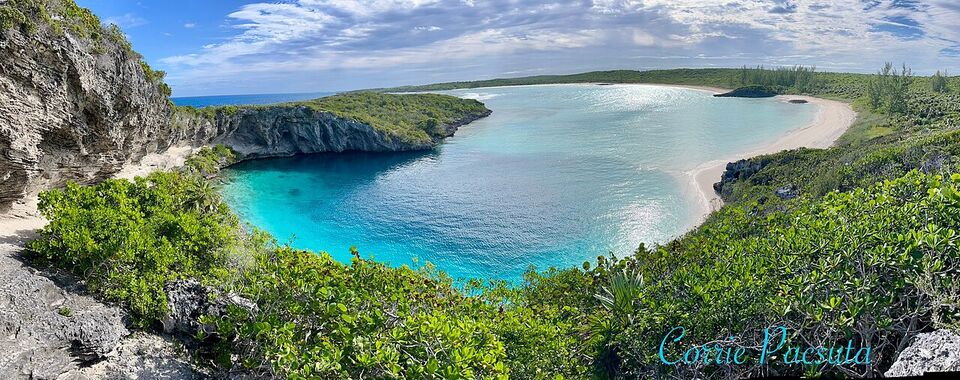
Dean's Blue Hole, west of Clarence Town, is about 663 ft (202 m) deep, about 30 m (100 ft) across at the surface and wider below. It is a swimming and freediving site, and it has hosted freediving competitions and world records. It is not a recreational scuba dive, and deep freediving is dangerous. A death occurred there during a record attempt in 2013, so do not attempt depth without training and safety divers. Snorkeling the edge on a calm day is the sensible visitor activity. Reefs along the island's coast also offer diving, according to the tourism site.
San Salvador and Rum Cay
San Salvador sits on its own platform with a steep drop, giving wall dives on the calm west coast and shallow barrier reefs around Grahams Harbour in the north. The east coast is rougher, with lower visibility. There are shallow reefs for snorkelers, a fossil coral reef near Cockburn Town, and Watling's Blue Hole. Rum Cay offers dive sites including the wreck of the HMS Conqueror and, by boat, Conception Island National Park. Both islands are remote, and the October 2025 hurricane hit San Salvador directly, so confirm which operators are working before you go (see the Out Islands guide).
The Berry Islands
The Berry Islands are called the fish bowl of the Bahamas for their sea life, with snorkeling and diving around Chub Cay and Hoffman's Cay Blue Hole, a site the tourism board lists.
Comparison by island
| Island | Known for | Snorkel | Dive | Notes |
|---|---|---|---|---|
| Andros | Barrier reef, blue holes, wall | Some sites | Strong | Remote; few operators; fly or take a boat |
| Exumas | Thunderball Grotto, park cays | Excellent | Good | Park fees; tide-dependent grotto |
| Nassau | Reefs, wrecks, shark dives | Good | Strong | Easiest for a first dive; check jet-ski and vendor safety |
| Grand Bahama | Lucayan caves, reefs | Good | Caves for trained divers | Check park hours |
| Bimini | Sharks, Sapona wreck | Good | Good | Gulf Stream weather |
| Long Island | Dean's Blue Hole, reefs | Edge of blue hole | Reefs | Freediving centered |
| San Salvador | Walls, fringing reefs, fossil reef | Very good | Strong | West side calmer |
| Rum Cay | HMS Conqueror, Conception Island | Good | Good | Few operators |
Certification and booking a first dive
For a normal two-tank reef trip you need an Open Water diver certification from an agency such as PADI, SSI or NAUI, and you should bring the card and your log. A certification course takes days and is usually started at home with online learning (for example PADI eLearning), with the open-water dives completed on vacation. If you are not certified, ask for a resort course or "discover scuba" session, which includes a short briefing, practice in shallow water and a supervised dive with an instructor. The minimum age varies by operator and course, and is often around 10, so ask. Divers fill out a medical questionnaire, and a "yes" to a medical question can require a doctor's sign-off, so do this before the trip.
To book, search for operators on the Ministry of Tourism's diving pages and the PADI dive shop locator, then confirm by phone or email. Ask:
- Is the operation licensed in the Bahamas, and which agency (PADI, SSI, NAUI) certifies the staff?
- How many divers per guide, and what is the maximum depth and group size?
- Is oxygen aboard, and is there a trained rescuer and a radio?
- What is included: tanks, weights, gear, taxes and fees (such as park fees)?
- What is the weather and cancellation policy?
Prices vary by island, season and trip length, and we have not confirmed current rates. Compare the all-in price, and book early in winter, over holidays and for small-boat trips on the far islands.
Sharks and rays
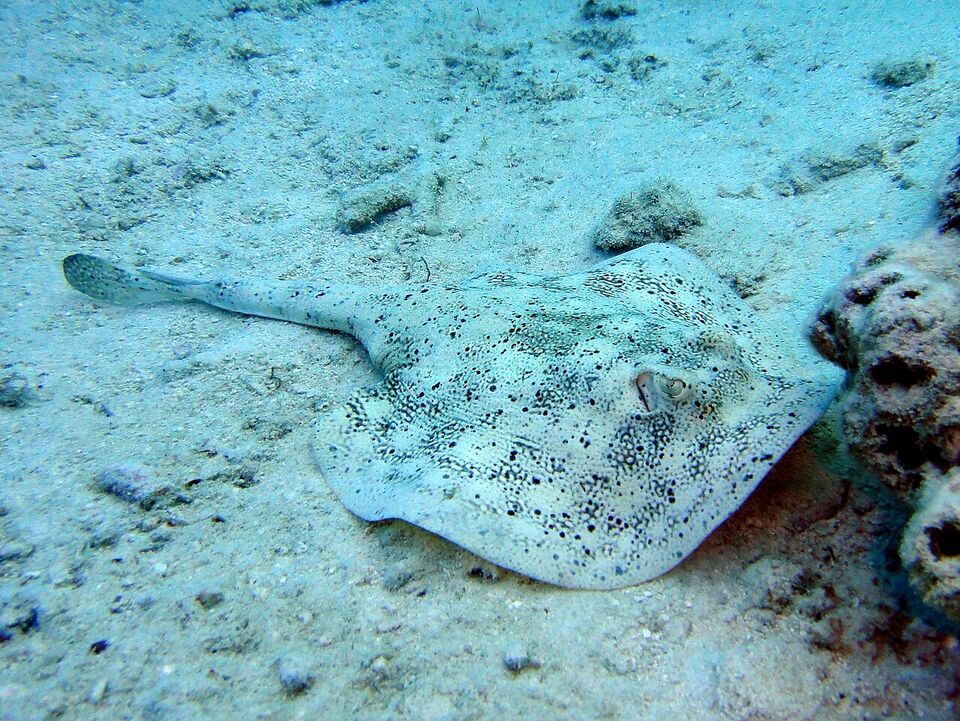
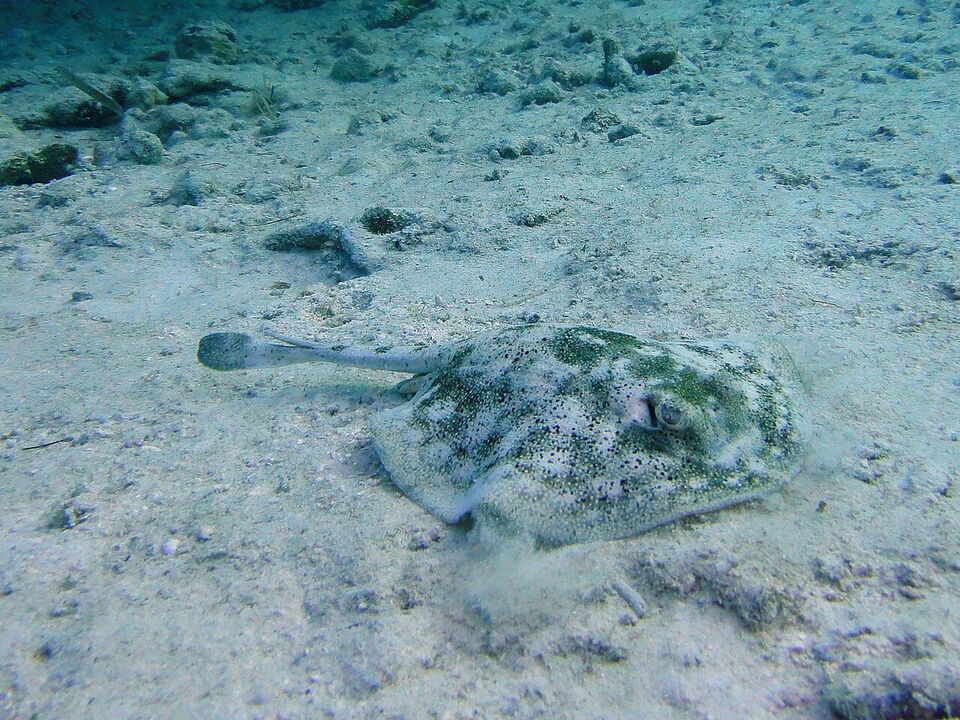
Sharks and rays are a signature of Bahamian diving. Sharks have been protected in Bahamian waters since a 2011 amendment, and Bimini's field station has recorded 13 species in its shallow water. Nassau-area and Bimini operators run shark dives, and swimming with nurse sharks or stingrays is part of many boat tours in the Exumas and elsewhere.
- Feeding. Some operators feed sharks to attract them, and some do not. We could not confirm the current rules on shark feeding, so ask any operator how it works, what the briefing covers and whether it holds the needed licenses.
- Behavior. Stay with the guide, keep your hands close, do not touch or chase animals and do not wear shiny jewelry.
- Rays. Stingrays are usually calm, but shuffle your feet in sandy shallows so you do not step on one.
- Risk. The State Department's advisory lists sharks, overestimating your snorkeling ability and ignoring marine weather alerts as risks. Never swim alone, and keep well clear of boats.
Watch out
Book only with a licensed, insured operator. The State Department's advisory warns of poorly regulated water sports, unsafe or uninsured boats and misconduct by jet-ski operators. Check for dive agency affiliation, a listed business address, safety gear, and recent reviews on independent sites. Avoid street offers for cut-price boat trips.
Reef and coral rules
- Do not touch coral. A touch can kill it, and fire coral stings. Do not stand on a reef or kick it with fins.
- Do not collect. Do not take shells, coral or sea fans, and see the bringing-things-home guide for US rules.
- Do not fish or spear in protected areas, and remember that the Exuma Cays Land and Sea Park bans all fishing.
- Do not feed wildlife. Do not give pigs, fish, iguanas or sharks food or alcohol; follow the operator's rules.
- Practice good buoyancy. Take a refresher dive if you have not dived in a year.
- Sun protection. We found no Bahamian rule that requires reef-safe sunscreen, but protecting coral is good practice. Choose a mineral sunscreen, apply it well before you swim, and use a rash guard, which also protects you from sunburn.
Snorkeling well
Most visitors snorkel, not dive, and a few habits make it safer and better. Test your mask on land, defog it with a drop of baby shampoo or a commercial defogger, and practice breathing through the snorkel in shallow water before you head to a reef. Wear a rash guard or a thin wetsuit, since the sun is stronger on the back of your neck than you expect. Float and look rather than kicking, which stirs sand and damages coral.
Choose a site with a boat nearby, and always check the current by watching a floating leaf or bubble before you get in. Tide and wind matter more than the date: Thunderball Grotto, for instance, is best at slack tide. If you are not a confident swimmer, say so, and take a flotation vest, which is usually available on tours. Children should wear a vest and stay within arm's reach of an adult. For beach snorkeling, see the beaches guide, and for families see the families guide.
Season, conditions and visibility
You can dive and snorkel all year. The water is warm, in the mid-70s F in a Nassau winter, about 79°F (26°C) in November and in the low-to-mid 80s F in summer, and San Salvador's water runs between about 73 and 84°F (23 and 29°C). Winter fronts, usually from December to March, bring wind and rough seas for a day or two, which can cancel trips and cut visibility on exposed sides. Summer seas are generally calmer but hotter and wetter, and hurricane season runs June 1 to November 30. A shorty or thin wetsuit is comfortable in winter, and a rash guard is enough in summer.
Visibility is often very good, but it depends on wind, tide and plankton more than on the month. The leeward (west) side of an island is generally clearer and calmer than the Atlantic side. Plan flexible days, and ask your operator which site suits the weather. See when to go and hurricanes for the calendar.
Safety for divers and snorkelers
- Decompression and depth. Dive within your training and the tables or computer limits. Follow the guide's plan, do your safety stop and ascend slowly.
- Flying after diving. Do not fly right away. Common guidance is to wait at least 12 hours after a single dive and 18 hours or more after repeated or multi-day diving, and many operators advise 24 hours. Plan your last dive for the day before you fly. A US-bound flight from Nassau leaves through preclearance, so allow time, and read the flights guide.
- Boat operators. Check that your boat has oxygen, a first-aid kit, a radio and enough life jackets, and that someone counts divers back aboard.
- Snorkeling. Use a flotation vest if you are a weak swimmer, never snorkel alone, and be aware of boats, which are a bigger hazard than most marine life.
- Jet skis and unlicensed vendors. Avoid independently operated jet skis, a warning the State Department makes for US government staff on New Providence and Paradise Island.
- Medical care. We could not confirm where a hyperbaric (recompression) chamber operates, so ask the dive operator about its emergency plan and evacuation route. Dial 911 or 919 in an emergency, and carry travel insurance that covers diving and evacuation. See health and safety.
Insider tip
Book the first dive for the morning of your second day, not the day you land. You get a night of sleep, time to sort out gear and a weather buffer. If you plan an Out Island dive trip, build in a spare day at each end because small planes cancel.
Two sample plans
- Three days
First-time diver from Nassau
Day 1: arrive, rest and snorkel from the beach. Day 2: a resort course or a two-tank dive with a licensed operator. Day 3: snorkel trip to a nearby cay, and no diving if you are flying home that evening.
- Five nights
Exumas snorkeling base
Base yourself near Staniel Cay or George Town, take a boat to Thunderball Grotto at the right tide, add a day in the Exuma Cays Land and Sea Park and finish with a free morning in case wind moves a trip.
Mistakes to avoid
- Booking an unlicensed operator. Ask for agency affiliation, insurance and safety gear.
- Touching coral. Keep your fins and hands off.
- Flying too soon after diving. Wait before your flight.
- Overestimating your snorkeling ability. Use a vest in current.
- Feeding wildlife. It changes animals' behavior and can hurt them.
- Not carrying your card. Bring your certification card and log.
- Not asking about shark rules. Ask how the dive works.
Different from home
At home you can often judge a dive shop by a familiar local reputation. In the Bahamas you are choosing among unfamiliar operators on an island you may not know, and the State Department calls water sports poorly regulated, so your questions are your protection. Cash tips for boat crews are normal, and change is often given in Bahamian money.
Next, see the by-interest guide for other activities, the islands overview for the map and packing for gear.
Add it to a route in the trip builder, or ask us to plan the hotels, trains and guides for you.