What flamenco is
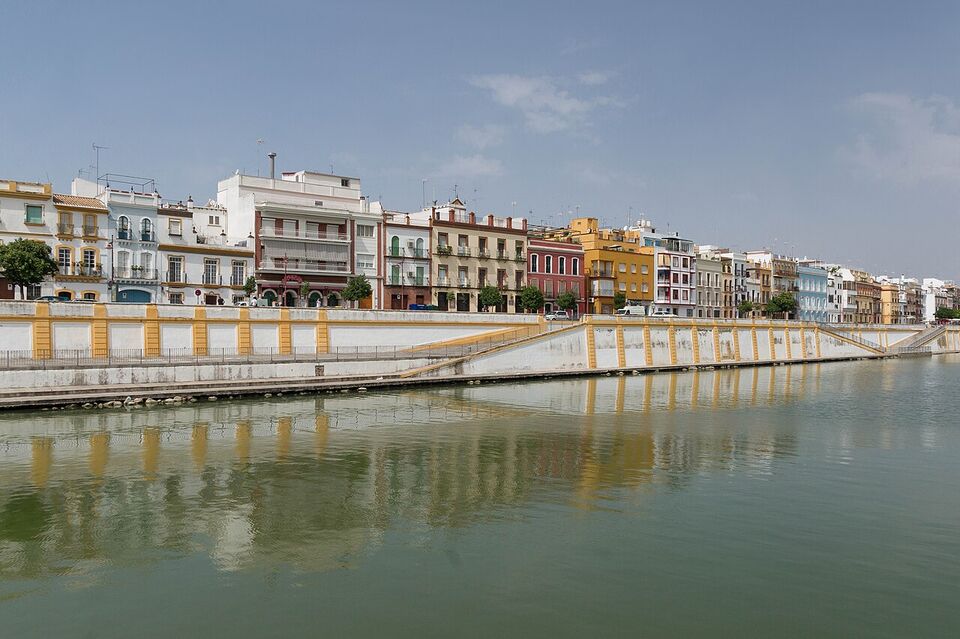
Flamenco is the music and dance of Andalusia, shaped over centuries by the region's Romani (gitano) families together with Andalusian folk music and the region's Moorish, Jewish and Castilian past. It took recognizable form in the 1800s in the towns and neighborhoods of western Andalusia: Triana in Seville, the barrios of Jerez, Cádiz and the villages between them. UNESCO added it to its list of the intangible cultural heritage of humanity in 2010.
It has three elements, and the order matters to aficionados: cante (song), toque (guitar) and baile (dance). Most visitors come for the dance, but in flamenco the singer is the heart of it, and the raw, wailing voice that can startle Americans the first time is the point. The dancer responds to the song and the guitar, and the rhythm is kept by hand clapping (palmas), foot work and, since the 1970s, the cajón, a box drum borrowed from Peru.
Flamenco is organized into styles called palos, each with its own rhythm and mood: the deep, tragic soleá and seguiriya; the fast, playful bulerías of Jerez; the bright alegrías of Cádiz; tangos, fandangos and many more. The best performances reach a moment of shared intensity that performers call duende, and you will know it when the room goes silent, then erupts.
Different from home
Sevillanas, the paired folk dance you will see at Seville's April Fair and taught in tourist classes, is related to flamenco but is a social dance that anyone can learn, a little like square dancing at a barn party. Flamenco itself is improvised within strict rules and takes years to master. Both are worth seeing; just don't confuse them.
Tablaos, peñas, caves and theaters
Where you see flamenco shapes what you get. Here are the main options, from the most polished to the most local.
| Type | What it is | Typical cost | Best for |
|---|---|---|---|
| Tablao | A flamenco venue with nightly shows by professional artists, usually with a drink or dinner | €20–100 (about $22–112), depending on city and seats | First-timers who want a reliable, high-quality show |
| Cultural center or small stage | Seated shows in a small hall or courtyard, often without dinner and with no amplification | €20–35 (about $22–39) | Intimate, music-focused shows at a fair price |
| Peña | A members' club of aficionados that hosts performances, often open to the public | Free to about €15 (about $17) | Hearing local singers and a knowledgeable crowd; mostly in Spanish |
| Cave zambra | Shows in whitewashed caves in Granada's Sacromonte, a Romani tradition with its own styles | About €20–30 (about $22–34) with a drink; more with dinner and transport | Atmosphere; performers are close enough to touch |
| Theater and festivals | Concerts and dance productions by top artists | Varies widely | Seeing the stars; booking months ahead for festivals |
| Flamenco bar | Bars where musicians play informally, usually late at night | Free entry; you pay for drinks | Luck, late nights and a genuine local scene |
Insider tip
Dinner shows are convenient but the food at many tablaos is mediocre and overpriced for what it is. Unless the restaurant has its own reputation (Madrid's Corral de la Morería has a Michelin-starred dining room), book the show with a drink and eat tapas nearby before or after.
Seville
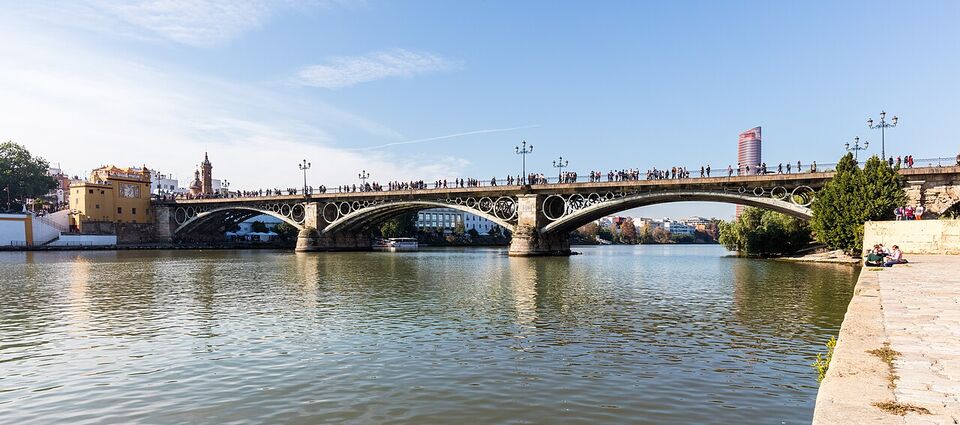
Seville is the city most Americans associate with flamenco, with good reason. The Triana neighborhood across the river was one of the art's birthplaces, and the city has more nightly shows than anywhere except Madrid. The best of them are small, seated and unamplified. See Seville for the rest of the city.
Casa de la Memoria
A cultural center in a historic building near the Plaza de la Encarnación, running intimate nightly shows in its courtyard with a small cast of singer, guitarist and dancers. Seating is limited and it sells out, so book online a few days ahead.
Los Gallos
One of Seville's oldest tablaos, open since 1966 in the heart of the Santa Cruz quarter, with two shows a night and a full cast of about eight artists. Tickets were €38 (about $43) with a drink in November 2026. A classic first-night choice.
Tablao El Arenal
A long-established, larger tablao with a dinner option, popular with groups. Good production values; book the drink-only option if you plan to eat elsewhere.
Museo del Baile Flamenco
The museum founded by the dancer Cristina Hoyos stages several shows a day (adults €29, about $32, in November 2026) in its interior courtyard, and you can visit the exhibits by day. No photos or filming during the show.
Peña Flamenca Torres Macarena
A traditional peña that has opened a weekly session to the public, typically on Thursday evenings, plus ticketed shows sold at the door; check its current schedule locally. Expect Spanish only and a crowd that knows every line.
La Carbonería
A rambling bar in a former coal yard, down an unmarked alley, with free nightly flamenco. You pay for drinks. Quality varies and it gets crowded, but it is an institution.
In Triana, small bars around Calle Betis and Calle Pureza sometimes host late, informal sessions, usually after 10 or 11 pm, especially on weekends; ask at your hotel or follow the music. The Plaza de España also has buskers dancing on its steps, especially around sunset.
The Bienal de Flamenco
Every two years, in even-numbered years, Seville hosts the Bienal de Flamenco, the art's biggest festival, with weeks of performances by the leading singers, guitarists and dancers in theaters, the Real Alcázar and other historic venues, usually in September and October. The 2026 edition is over; the next is in 2028, with the program typically announced months ahead.
Madrid
Madrid is where flamenco artists come to make a career, so the capital has many of the country's most polished tablaos and a constant flow of top performers. Its tablaos are more expensive than Andalusia's, but the level is high. See eating and nightlife in Madrid.
Corral de la Morería
Open since 1956 and often called the most famous tablao in the world, with a who's who of flamenco on its stage over the decades and a Michelin-starred restaurant. Show-only seats were listed at €95.90 (about $107) in November 2026, with dinner extra. Book well ahead.
Tablao Flamenco 1911
The old Villa Rosa, with its famous tiled facade, operating as a flamenco venue since 1911. Four shows a day (6, 7:30, 9 and 10:30 pm), each about an hour with a drink included; prices vary by seating zone.
Cardamomo
Open since 1994, a short walk from Puerta del Sol, with four shows a day by energetic casts. A welcome drink comes with the seating zone you choose.
Madrid's regional government runs a flamenco festival, Suma Flamenca, with concerts in theaters across the region; its dates vary, so check them when planning.
Save money
At most Madrid and Seville tablaos the ticket price depends on where you sit, and online prices are often lower than at the door. The first rows cost the most; the second or third row of a small room is nearly as good. Booking directly on the venue's own site avoids reseller markups and hotel-desk commissions.
Granada and the Sacromonte caves
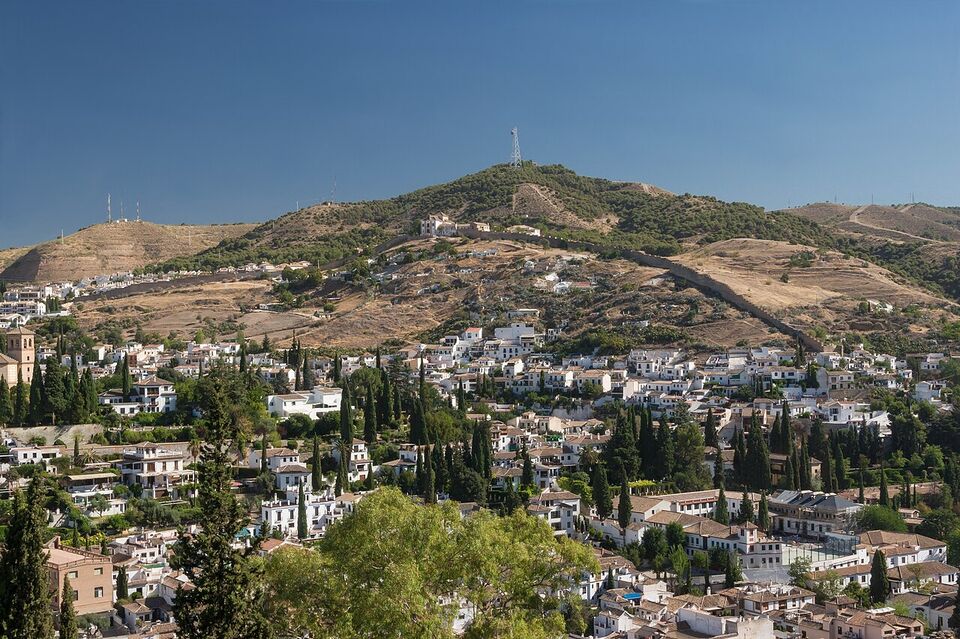
Granada's flamenco is different. In the Sacromonte, the hillside facing the Alhambra, Romani families lived for generations in caves dug into the slope, and they developed their own wedding-dance tradition, the zambra. Today several caves host nightly shows: the stage is the floor of a long whitewashed room lined with copper pots, the audience sits on chairs along the walls, and the dancers are a few feet away. See Granada.
| Venue | Where | Show price (2026) | Notes |
|---|---|---|---|
| Cueva de la Rocío | Sacromonte | Check when booking | Run by the Maya family of artists since 1951; holds about 150 |
| Venta El Gallo | Sacromonte, Barranco de los Negros 5 | €25 (about $28) show only; €52–65 (about $58–73) with dinner, walking tour and transport | Cave venue with a terrace; several show times |
| Zambra María la Canastera | Sacromonte, Camino del Sacromonte 89 | €24 (about $27) with a drink | Cave named for a celebrated local dancer; 9:30 pm show |
| Jardines de Zoraya | Albaicín | From €20 (about $22); dinner extra | Garden restaurant in a traditional carmen; three shows daily |
| Casa Ana | Centro, near Plaza Nueva | €20 (about $22); discounts for students, seniors and kids | Small room, 7:30 and 9 pm |
| Vimaambi | Albaicín | €15 (about $17) with a drink | Cultural space showing emerging artists, Friday and Saturday nights; reserve |
Granada also has one of Spain's oldest flamenco clubs, the Peña La Platería in the Albaicín, which holds performances for members and the public; check its current schedule locally. By day, the Museo Cuevas del Sacromonte explains how cave life worked.
Watch out
The Sacromonte lanes are steep, dark and poorly lit at night. Many cave venues offer a shuttle or a walking-tour package that includes the trip up; otherwise take a taxi. Be wary of people on the street in Sacromonte or near the Albaicín viewpoints offering "authentic" shows: book directly with a venue instead.
Jerez and Cádiz
Jerez de la Frontera, an hour from Seville by train, is the city aficionados speak of with the most reverence. Its old gitano neighborhoods of Santiago and San Miguel have produced generation after generation of singers and dancers, and its specialty, the bulería, is the fast, swaggering style that ends many shows. Flamenco here lives in family parties, peñas and sherry bars as much as on stage. See Andalusia and sherry.
The Festival de Jerez
The 31st Festival de Jerez runs from February 19 to March 6, 2027, with its main shows at the Teatro Villamarta and others in smaller theaters, palaces, wineries and peñas. It is the world's leading festival of flamenco dance, and it doubles as a school: dancers from around the world come for week-long courses with leading artists. Course registration opened on September 14, 2026, on festivaldejerez.es, and popular classes fill quickly. Show tickets go on sale through the same site; book rooms early, because Jerez is small.
Year-round in Jerez
- Peñas: Jerez has several active peñas in its old barrios that host performances, especially on weekend evenings; the tourist office has schedules.
- Tabancos: the city's old-fashioned sherry taverns pour wine from the barrel, and some host live flamenco on set nights. Arrive early and order a fino.
- Summer and fall: look for open-air flamenco series in summer and the Fiesta de la Bulería, traditionally in September.
- Centro Andaluz de Flamenco: a public archive and documentation center in a palace in the Barrio de Santiago, with recordings, books and exhibitions.
Cádiz
Cádiz gave flamenco its alegrías and a long line of great artists, and the old city has peñas and bars with occasional performances. It also makes a good base: trains connect Cádiz and Jerez in well under an hour.
Córdoba, Málaga and elsewhere
- Córdoba: Tablao El Cardenal, in the Judería near the Mezquita, runs shows Monday to Saturday, from €25 (about $28) with a drink. See Córdoba.
- Málaga and the Costa del Sol: Málaga has tablaos in the old town, and the beach towns have plenty of shows for tourists. In Nerja, a few small venues run regular shows, and some also offer classes. See the Costa del Sol.
- Barcelona: Catalonia has its own flamenco scene, born among Andalusian migrants and Catalan Romani families, and the old city has several tablaos aimed at visitors. Quality is more uneven than in Andalusia or Madrid. See Barcelona.
- La Unión, Murcia: the Festival Internacional del Cante de las Minas, held in a former market hall each summer, is one of the most important singing competitions, devoted to the mining songs of the southeast.
Booking and choosing a show
- Pick the format first. Small, seated rooms with no amplification give you the most intense experience. Larger tablaos with dinner suit groups and families.
- Book direct. Use the venue's own website. Third-party resellers and hotel desks can add markups, and street touts sell overpriced packages.
- Choose your time. Early shows (6 or 7 pm) suit families and jet lag; later shows (9:30 or 10:30 pm) tend to have more energy and fewer tour groups.
- Check what's included. A drink is usually included; dinner is optional. Read whether seating is assigned or first-come within a zone, and arrive 20–30 minutes early if it is first-come.
- Check the cast. Better venues post the night's artists. A cast with a singer, guitarist and two dancers is standard; a larger cast is not necessarily better.
- Bring the kids, with care. Most venues welcome children, often at a discount, but shows are loud and intense and late shows run past bedtime. The early show is the better bet.
Save money
Granada's cave shows and Seville's small cultural centers deliver real flamenco for €15–30 (about $17–34). Peñas cost even less, and a night at a flamenco bar costs only the drinks. Spend big on one top Madrid tablao if you like, but you do not need to.
How to behave at a show
- Phones away. Many venues ban photos and video during the performance; others allow photos without flash. Follow the house rule, and keep your screen dark either way.
- Silence during the song. Talking while the singer performs is the surest way to irritate the artists and the audience, especially in peñas.
- Don't clap along. Flamenco rhythms are complex, and off-beat clapping from the audience throws the performers off. Applaud at the end of a piece, or when the locals do.
- Shouts of encouragement are part of it. You will hear olé and other calls (jaleo) from the stage and the crowd. Feel free to join in a heartfelt olé after a great passage, but don't overdo it.
- Arrive on time. Doors close at showtime in small rooms.
Taking a class
A one-off class is a fun way to understand what you are watching, even with two left feet. Many tablaos, cultural centers and studios in Seville, Granada, Madrid and Nerja offer short introductory classes in sevillanas, flamenco dance basics, palmas or guitar, usually 1 to 2 hours long, in English or Spanish. Book a day or two ahead and bring shoes with a low heel and a hard sole.
- Seville: the Fundación Cristina Heeren is a well-known school of flamenco arts with longer programs for serious students; many smaller studios run drop-in classes for visitors.
- Madrid: the Amor de Dios studios have trained professional dancers for decades; check what they offer drop-in visitors.
- Jerez: the Festival de Jerez courses are the serious option, with week-long classes from beginner to professional level in February and March.
- Granada: several cave venues and Albaicín cultural centers combine a class with a show.
Flamenco words
| Word | Meaning |
|---|---|
| Cante / toque / baile | Song / guitar / dance |
| Cantaor, bailaor, tocaor | Flamenco singer, dancer, guitarist (the flamenco forms of the usual words) |
| Palo | A flamenco style, such as soleá, bulerías or alegrías |
| Compás | The rhythmic cycle that holds a piece together |
| Palmas | Rhythmic hand clapping |
| Jaleo | Shouts of encouragement |
| Zapateado | Footwork |
| Duende | The moment of deep emotional intensity in a performance |
| Tablao | A flamenco venue with a stage |
| Peña | A club of flamenco aficionados |
| Juerga | An informal flamenco party |
| Zambra | Granada's Sacromonte cave style and show |
For more Spanish, see Spanish phrases.
Listen before you go
A few hours with the greats will make any show richer. Start with the guitarist Paco de Lucía and the singer Camarón de la Isla, whose recordings together in the 1970s transformed the art; the singer Enrique Morente, and his daughter Estrella Morente; the dancer Carmen Amaya, from Barcelona, on film; and contemporary dancers such as Israel Galván, Rocío Molina and Sara Baras. Rosalía's albums show how flamenco feeds Spanish pop today. Carlos Saura's films, including Flamenco (1995), are a good introduction on screen.
For the cities where these shows happen, see Seville, Granada, Madrid and Andalusia, and for the festivals around them, see festivals. Our art and architecture page covers the Moorish and Romani heritage that shaped the south.
Add it to a route in the trip builder, or ask us to plan the hotels, trains and guides for you.