What to buy in Spain
Spain is a good place to shop for food, craft and fashion, and prices on many things, from olive oil to Spanish clothing brands, are lower than in the US. The best buys reflect the regions: saffron from La Mancha, smoked paprika from Extremadura, ceramics from Talavera and Granada, leather from Andalusia, espadrilles from the Pyrenees and Catalonia, and wine and sherry from all over.
The rule that saves the most grief: decide what you will buy before you pack, because the most famous Spanish product, cured ham, cannot come home with you, and wine and olive oil take planning. The sections below cover what to buy, where, and then the paperwork: VAT refunds, US customs and food rules.
Food and drink to take home
Edible gifts are the best value in Spain and the easiest to carry, as long as they are sealed and contain no meat.
Extra virgin olive oil
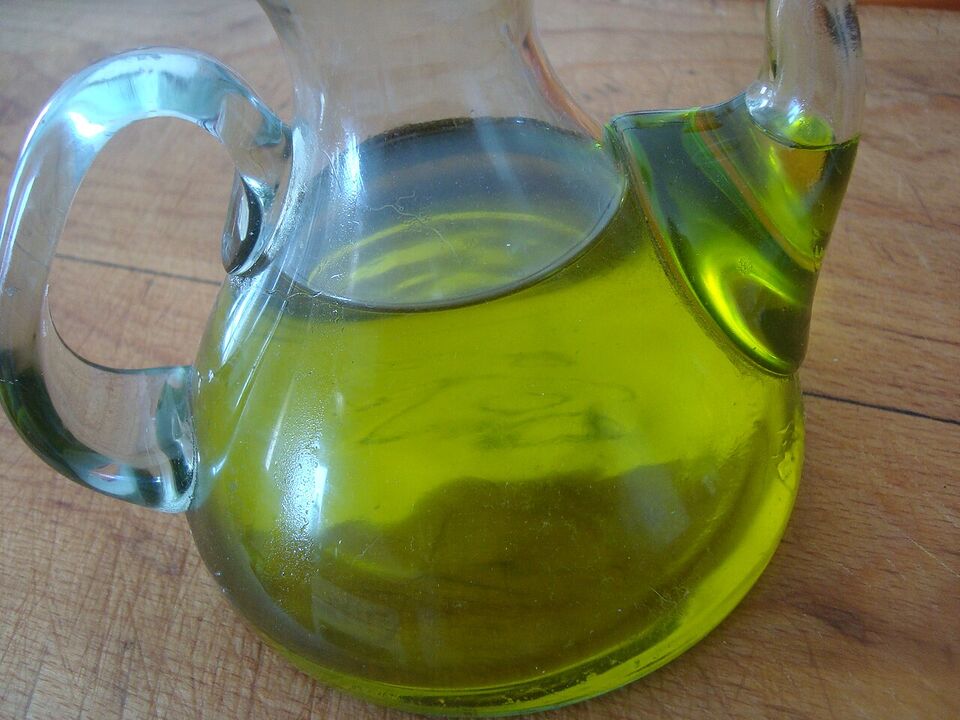
Spain is the world's largest producer. Look for aceite de oliva virgen extra, a harvest date and a protected origin (DOP) such as Baena, Priego de Córdoba, Sierra de Segura or Les Garrigues. Tins travel better than glass.
Saffron
Real azafrán de La Mancha carries a DOP seal and comes as whole threads, never powder. It is light and tiny, which makes it a perfect gift. Cheap "saffron" at souvenir stalls is often something else.
Pimentón de la Vera
Oak-smoked paprika in sweet (dulce), bittersweet (agridulce) and hot (picante) versions, sold in pretty tins in every market.
Turrón
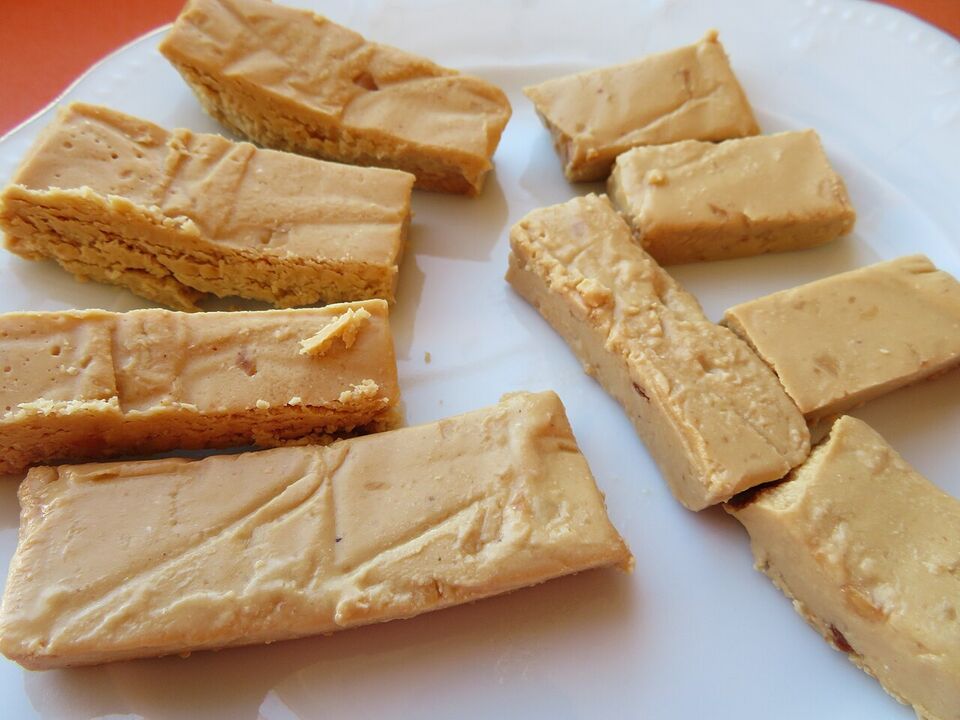
Almond nougat, hard (Alicante) or soft (Jijona), eaten at Christmas but sold all year. Specialist shops in Madrid and Barcelona sell dozens of flavors.
Canned seafood
Spanish conservas are a delicacy, not a pantry staple: bonito tuna belly, mussels in escabeche, sardines, razor clams. Tins are light, sealed and fine for US customs.
Wine, sherry and vermouth
Spanish wine is cheap at home: very good Rioja, Ribera del Duero or Priorat costs far less than in a US wine shop. Sherry from Jerez and Catalan or Madrid vermouth are fine gifts. See Spanish wine and the packing tips below.
Other good food buys: membrillo (quince paste, sealed), almonds and Marcona almonds, honey, sea salt from the Mediterranean salt flats, sweets from convents (nuns still sell cookies through revolving windows in Seville and Toledo), Mallorca's spiral ensaïmada pastry in its round box, and hard cheeses such as Manchego and Idiazabal. See food in Spain for what to eat while you are there.
Insider tip
Supermarkets such as El Corte Inglés's food halls, Mercadona and Carrefour sell good olive oil, saffron, turrón and tinned fish at a fraction of airport and souvenir shop prices. A supermarket run on your last day is the cheapest way to fill a suitcase with gifts.
Crafts, leather and fashion
Traditional crafts
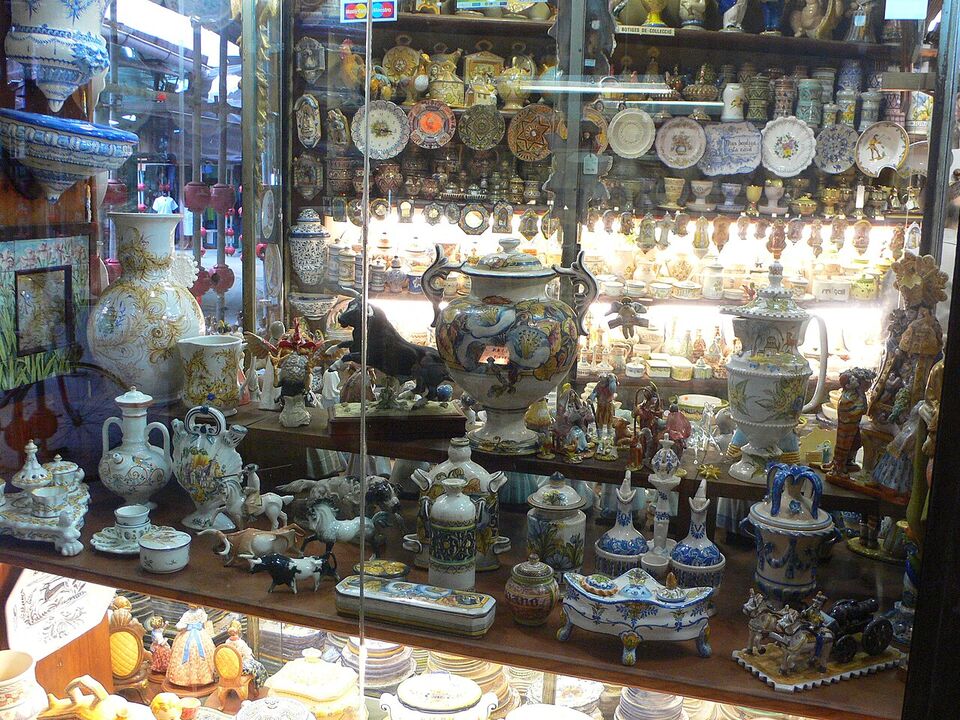
- Ceramics: blue-and-yellow pottery from Talavera de la Reina and Puente del Arzobispo, near Toledo (whose craft is recognized by UNESCO); green-and-blue fajalauza from Granada; painted tiles from Seville's Triana district; lusterware from Manises near Valencia; and the blue-and-white porcelain of Sargadelos in Galicia. Shops will wrap for travel; ask for bien envuelto para el avión (well wrapped for the plane).
- Espadrilles: rope-soled alpargatas from traditional makers. Casa Hernanz, on Calle de Toledo near Madrid's Plaza Mayor, has made them since 1845, and Barcelona's Gothic Quarter has old espadrille shops of its own. Expect lines in summer. $
- Fans and capes: hand-painted fans (abanicos) at Casa de Diego on Madrid's Puerta del Sol, in business since the 1800s, and wool capes at the old Madrid tailor Capas Seseña. $–$$$$
- Leather: Ubrique in the hills of Cádiz province makes bags and wallets for luxury brands; Madrid's Loewe, founded in 1846, is the Spanish luxury name.
- Guitars: Granada and Madrid have workshops of luthiers who build flamenco and classical guitars to order. See flamenco.
- Regional pieces: embroidered silk shawls (mantones de Manila) in Seville, damascene metalwork and swords in Toledo, leather sandals (avarcas) from Menorca, berets (txapelas) from the Basque Country, and Majorica's manufactured pearls on Mallorca.
Watch out
Toledo swords and knives are popular souvenirs, but blades cannot go in carry-on luggage, and a decorative sword in checked baggage may need to be declared to the airline. Ship large pieces from the shop instead.
Spanish fashion brands
Many brands Americans know are Spanish, and they often cost less and offer wider ranges at home. Inditex, based in Galicia, owns Zara, Massimo Dutti, Pull&Bear, Bershka and Oysho. Mango comes from Barcelona, Desigual too, and Camper shoes from Mallorca. Big flagship stores line the Gran Vía and Calle Serrano in Madrid and the Passeig de Gràcia in Barcelona.
El Corte Inglés, Spain's only big department store chain, has stores in every major city, with food halls, souvenirs, fashion and a desk that issues VAT refund forms. Its rooftop food court in Madrid's Callao store has one of the best views of the Gran Vía.
Markets and flea markets
Spanish food markets (mercados) are the best free entertainment in the country, and several are worth a visit for shopping as much as for the scene. Most are closed on Sundays, and stalls start shutting in the early afternoon.
| Market | City | Type | When |
|---|---|---|---|
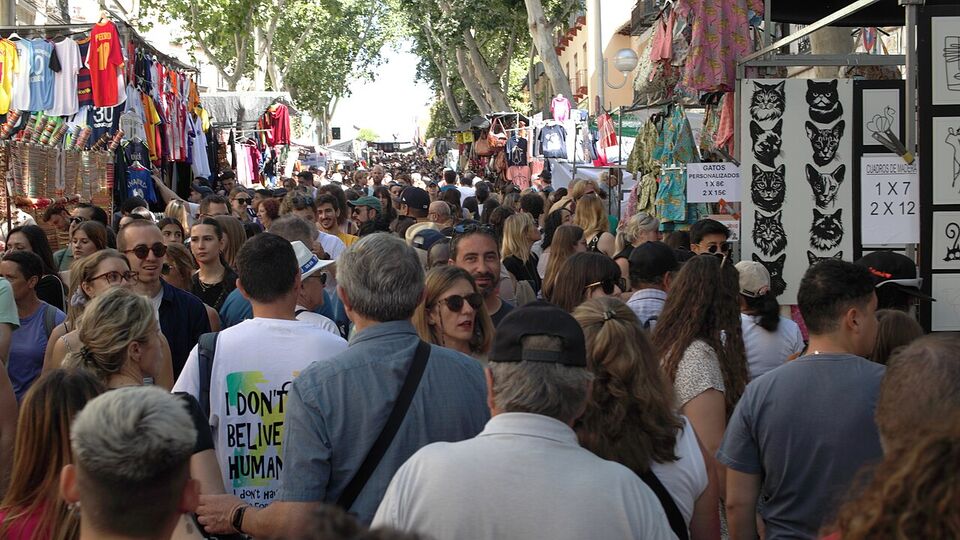
| El Rastro | Madrid (La Latina) | Flea market, clothes, antiques, junk | Sunday and holiday mornings to mid-afternoon |
| Mercado de San Miguel | Madrid | Gourmet tapas hall, pricey | Daily, late hours |
| Mercado de la Boqueria | Barcelona (La Rambla) | Food market, very crowded | Monday to Saturday |
| Mercat de Santa Caterina | Barcelona (El Born) | Food market under a wavy tiled roof, more local | Monday to Saturday |
| Els Encants | Barcelona (Glòries) | Flea market under a mirrored canopy | Monday, Wednesday, Friday and Saturday |
| Mercado Central | Valencia | One of Europe's largest food markets, in a modernista hall | Monday to Saturday |
| Mercado de Triana | Seville | Food market over the ruins of a castle | Monday to Saturday |
| Mercado de la Bretxa | San Sebastián | Fish, produce and pintxo ingredients | Monday to Saturday |
Hours change by season, and some stalls close in August, so check before you make a special trip. At Christmas, markets fill Madrid's Plaza Mayor and the square in front of Barcelona's cathedral (the Fira de Santa Llúcia), selling nativity figures and decorations; see Spain in December.
Watch out
El Rastro and the Boqueria are among the worst places in Spain for pickpockets. Carry a zipped bag in front, keep your phone in a front pocket and leave your passport at the hotel. See safety.
Different from home
Haggling is not done in Spanish shops or food markets. At flea markets such as El Rastro, polite bargaining is normal, especially for antiques and bulk buys, but start close to the asking price.
Shop hours, Sundays and sales
Small independent shops typically open around 10 am, close for lunch from about 2 to 5 pm, and reopen until 8 or 8:30 pm. Chains, department stores and malls stay open all day, often until 9 or 10 pm. Saturday afternoons can be quiet in smaller towns, and many family shops close for some or all of August.
Sunday opening depends on the region. Madrid lets shops open whenever they like, so central Madrid is busy on Sundays. Barcelona allows Sunday opening only in certain tourist areas and on set dates, and in most of Spain the majority of shops close on Sundays and public holidays. Plan shopping for weekdays and Saturdays outside Madrid.
Sales seasons
Spain's big sales (rebajas) run twice a year. Winter sales traditionally start on January 7, the day after Three Kings, though many chains begin earlier in January; summer sales start around July 1. Discounts deepen through the following weeks. Black Friday has caught on too, and the last week of November brings deals in chains and department stores. Spanish shops can now hold sales whenever they want, so you will see discounts at other times as well. See Spain in January.
Save money
Spanish chain brands are often noticeably cheaper in Spain than in their US stores, and the gap widens during the rebajas. If you plan to buy clothes, a trip in early January or early July lets you combine sales prices with a VAT refund.
VAT refunds: getting the 21% back
Most prices in Spain include 21% value-added tax (IVA); food and some other items are taxed at lower rates. As a non-EU visitor taking goods home in your luggage, you can claim the tax back, and since 2018 Spain has had no minimum purchase amount, though individual stores may set their own threshold for issuing forms.
- Ask for tax-free at the till. Show your passport (some stores accept a photo of it) and ask for tax free. The store issues an electronic form called a DIVA, usually through a refund company such as Global Blue, Planet or Innova Tax Free, and gives you a printed copy with a barcode.
- Keep the goods unused. You must carry the goods out of the EU, in their original condition, within three months after the end of the month of purchase.
- Validate before you leave the EU. At a Spanish airport, scan each form's barcode at a DIVA kiosk before check-in if the goods are in your checked bag, or after security if they are in your carry-on. If the kiosk rejects it, go to the customs (aduana) desk, which may ask to see the items.
- Collect your refund. Take the validated form to the refund company's desk for cash (with a fee), or let the refund go to your card. Card refunds can take a few weeks.
If you fly home via another EU country, such as a connection in Paris, Frankfurt or Lisbon, you validate at the last EU airport if the goods are in your carry-on, but at the Spanish airport if they are in a checked bag going through to the US.
Watch out
Refund companies keep a share of the tax as their fee, so the money you get back is well under 21%; the real gain is usually somewhere in the low to middle teens on a big purchase, and less on small ones. Leave at least 30 extra minutes at the airport for kiosks and lines, more in summer. Purchases on the Canary Islands do not carry Spanish VAT (the islands have their own lower tax), so the VAT refund described here does not apply there, and the same goes for Ceuta and Melilla.
For more on prices, cards and tipping, see money in Spain.
US customs: what you can bring home
When you return to the US, you declare everything you bought abroad, on the paper form or in the CBP Mobile Passport Control app. As a US resident who has been away at least 48 hours, you may bring back $800 worth of goods duty-free, and a family traveling together can combine allowances.
| Item | Duty-free limit for US residents |
|---|---|
| Goods overall | $800 per person (once every 30 days) |
| Alcohol | 1 liter per person aged 21 or over; more is allowed but dutiable, and your home state may set limits |
| Cigarettes | 200 (one carton) |
| Cigars | 100, but none made in Cuba |
| Gifts mailed home | See shipping below; the old small-parcel exemption has ended |
Above the $800 allowance, you pay duty on the excess. CBP has long charged a flat 3% on the next $1,000 of goods, but US tariff policy on European goods has changed several times since 2025, so check CBP's current guidance if you plan a big purchase such as a designer bag or a case of fine wine.
Different from home
Cuban cigars and Cuban rum are sold openly all over Spain, and Spaniards treat them as ordinary gifts. US travelers may not bring Cuban-origin tobacco or alcohol home, even for personal use, and CBP will seize them.
Wine, sherry and spirits are the most common reason Americans exceed the allowance. Duty on a few extra bottles is small, so declare them; failing to declare risks a fine and the loss of the goods. See wine for tours and what to buy.
Food rules: jamón, cheese and the rest
The US Department of Agriculture, through CBP officers at the airport, controls food coming into the country. Declare all food, even if you think it is allowed; declared items that are not allowed are simply taken, while undeclared ones can bring a fine.
| Generally allowed (declare it) | Not allowed |
|---|---|
| Olive oil, vinegar, wine and spirits | Jamón (ibérico or serrano), even vacuum-packed |
| Saffron, pimentón and dried spices | Chorizo, lomo, fuet, sobrasada and other cured sausages |
| Hard and semi-hard cheeses such as Manchego | Canned or packaged foods containing pork or other meat, including some soups and fabada tins |
| Turrón, chocolate, cookies and baked goods without meat | Fresh fruit and vegetables |
| Canned fish and seafood | Plants, seeds, bulbs and soil |
| Roasted nuts, honey, coffee and tea | Fresh or dried meat of any kind |
The pork rule has tightened. In late 2025 Spain confirmed African swine fever in wild boar near Barcelona, the first cases there in decades, and the USDA has been urging all travelers not to bring foods containing pork into the US. Officers may destroy anything that contains pork or looks like it. Spanish ham sold in US shops comes through approved commercial channels, which is the only legal way to enjoy it at home.
Insider tip
Shops in Spain sometimes tell Americans that vacuum-packed jamón "is fine for the US." It is not. Eat it in Spain, and buy it from a US importer when you get home.
Pets and pet food have their own rules; see traveling with pets.
Packing purchases and shipping home
In your luggage
- Liquids, including olive oil and wine, over 3.4 ounces (100 ml) must go in checked luggage. Wrap bottles in clothes inside plastic bags, or bring inflatable or padded wine sleeves.
- Duty-free shops at the airport seal liquids in tamper-evident bags, which you can carry on. If you change planes in another country and pass security again, the bag must stay sealed with the receipt inside.
- Pack ceramics in the middle of your suitcase, wrapped in clothes, or carry them on.
- Keep VAT refund goods and forms where you can reach them at the airport, since customs may ask to see them.
- Watch your airline's weight limits: a few bottles of wine and oil add up quickly. See packing and flights.
Shipping
Many shops, especially ceramics, wine and guitar makers, will ship to the US. Since late August 2025, the US has ended the duty-free exemption for low-value parcels, so packages shipped from Spain can now owe duty and handling fees on arrival, whatever their value, and some European postal services paused or limited US shipments while the new rules bedded in. Ask the shop whether its price includes duties and taxes (sometimes called DDP, delivered duty paid), and get tracking.
Save money
Goods shipped directly by the store to an address outside the EU are exempt from Spanish VAT, so ask for the price without IVA when a store ships for you. That can offset part of the shipping cost.
Shopping checklist
- Carry your passport, or a photo of it, when shopping for anything you may want to claim VAT on.
- Ask for tax free at the till and keep the DIVA form flat and dry.
- Plan shopping for weekdays and Saturdays, except in Madrid, where Sundays are open.
- Buy olive oil and wine with checked luggage in mind.
- Skip the jamón, chorizo and Cuban cigars.
- Declare all food and everything you bought on your return.
- Choose euros, never dollars, when a card terminal offers a choice; see money.
For Madrid and Barcelona shopping streets and neighborhoods, see Madrid and Barcelona. For the full picture of trip costs, try our budget tool.
Add it to a route in the trip builder, or ask us to plan the hotels, trains and guides for you.