Vaccines and CDC advice
Spain has no vaccine requirements for entry, and there are no COVID-19 rules for travelers. The CDC's advice for Spain, like that for most of Western Europe, is to be up to date on your routine vaccines before you go: measles-mumps-rubella (MMR), tetanus-diphtheria-pertussis, chickenpox, polio and flu in season. Ask your doctor about COVID-19 vaccination as well.
Measles deserves special attention. Cases have risen in Europe and elsewhere, and the CDC advises all international travelers to be fully protected against measles before departure, including infants 6 to 11 months old, who can get an early dose. If you are unsure of your status, ask your doctor at least a month before you leave.
The CDC also lists some vaccines for some travelers, depending on what you will do: hepatitis A and B depending on your age, vaccine history and plans (for example, long stays or rural travel), and rabies pre-exposure shots only for people likely to handle bats, such as cave explorers or wildlife workers. On the Spanish mainland, rabies is found in bats, not dogs, though dog rabies has been reported in Ceuta and Melilla in North Africa. Any bat bite or scratch needs medical care at once.
- Check the CDC's Spain traveler page about four to six weeks before you leave.
- Bring your vaccine records if you have a child or a chronic condition.
- Get a flu shot if you travel between November and April.
Pharmacies
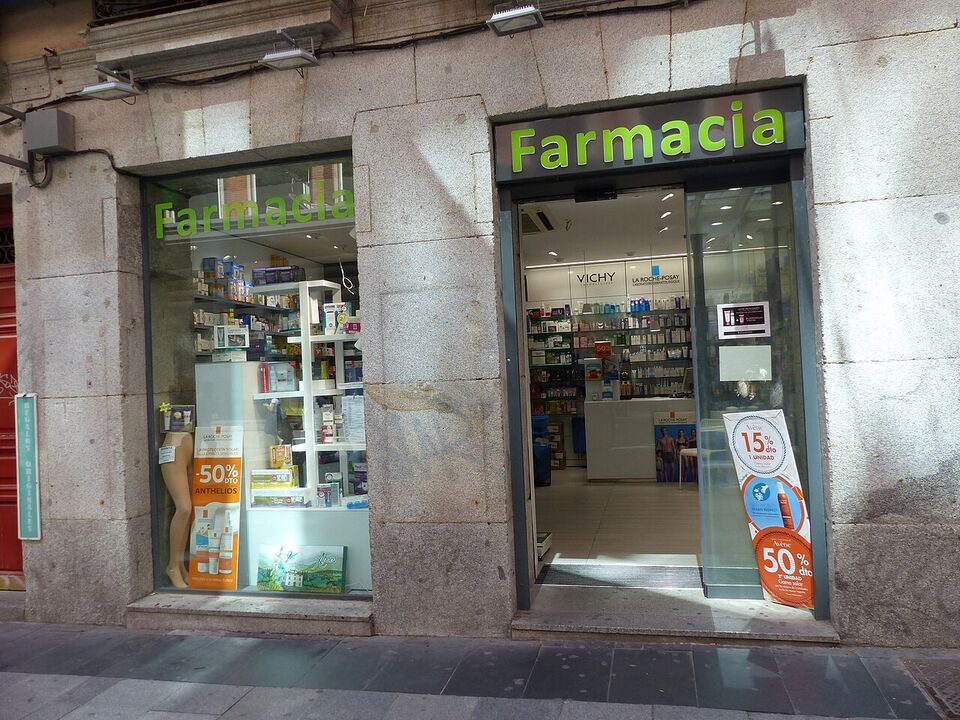
Spanish pharmacies (farmacias) are marked by a green cross, usually lit up, and there is one on almost every busy street. Pharmacists are university-trained, and for minor problems such as a cold, an upset stomach, a rash, blisters or an insect bite, they are often your best first stop. Many speak some English, especially in cities and resorts.
Most pharmacies keep shop hours, often 9:30 am to 2 pm and 5 to 8:30 pm on weekdays and shorter on Saturday, while some in city centers stay open all day. At night and on Sundays and holidays, each area has a duty pharmacy (farmacia de guardia); the address is posted on the door of every pharmacy and online, and a few in big cities are open 24 hours.
Different from home
There are no aisles of medicine at the supermarket in Spain. Even ibuprofen and acetaminophen (called paracetamol) are sold only in pharmacies, and stronger doses need a prescription. Antibiotics always need a prescription. On the other hand, prices are far lower than in the US, and the morning-after pill is sold without a prescription.
Useful pharmacy words
| You want | Ask for |
|---|---|
| Acetaminophen (Tylenol) | paracetamol |
| Ibuprofen (Advil) | ibuprofeno |
| Something for diarrhea | algo para la diarrea |
| Allergy tablets | antihistamínico |
| Sunscreen | protector solar or crema solar |
| Blister plasters | apósitos para ampollas |
| Insect repellent | repelente de mosquitos |
| Prescription | receta |
For more phrases, see our Spanish phrase guide.
Bringing your medicines
Pack enough of your prescription medicines for the whole trip plus a few extra days, in their original labeled containers, in your carry-on. Bring a copy of each prescription listing the generic name, since US brand names often mean nothing in Spain, and a short letter from your doctor for anything unusual, including injectables and needles.
Spain's medicines agency, AEMPS, says travelers may generally carry up to three months' supply of their own medicine for personal treatment, and border officers may ask for a prescription or medical report when you enter or leave. A US prescription is not normally filled by Spanish pharmacies, so if you run out, you will need a local doctor to write a Spanish one; private clinics can usually see you the same day.
Watch out
Controlled medicines (narcotic or psychotropic drugs, which can include some ADHD, pain, sleep and anxiety medications) need a permit from AEMPS before you travel. Apply well ahead to the agency's narcotics and psychotropics department, following the instructions on its website, and keep your prescription or a medical report with the medicine. Some medicines common in the US, including certain amphetamine-based ADHD drugs, are not sold in Spain, so ask your doctor about alternatives and check the AEMPS rules for travelers well in advance.
Doctors, hospitals and emergencies
Spain's medical care is among the best in Europe. The public system runs health centers (centros de salud) and hospitals, and any public hospital emergency department (urgencias) will treat you in an emergency, regardless of nationality. As a visitor, you will be billed afterward.
Private hospitals and clinics are widespread, often have English-speaking staff and shorter waits, and are where most travel insurers prefer to send you. Large, long-established private groups include Quirónsalud, HM Hospitales and Vithas, with hospitals in Madrid, Barcelona, Málaga, the islands and other cities. Expect to show a card or insurance guarantee before treatment, and keep every receipt and report for your claim.
What to do
- Emergency (chest pain, serious injury, trouble breathing, heat stroke): call 112 for an ambulance, or go to the nearest hospital urgencias. Calls are free and operators can usually connect you to an English speaker. Some regions also use 061 for medical emergencies and health advice.
- Not an emergency but you need a doctor: call your travel insurer's assistance line first, since many arrange appointments, telemedicine or a doctor's visit to your hotel and pay the provider directly. Your hotel front desk can also call a doctor.
- Minor problem: start at a pharmacy.
- Dental problem: private dentists are everywhere and see walk-in emergencies; prices are generally lower than in the US.
Spain's mental health crisis line is 024, free and available 24 hours. The US Embassy's website keeps lists of English-speaking doctors and hospitals; see safety for embassy contacts.
Insider tip
Save your insurer's 24-hour assistance number and your policy number in your phone before you leave. A call to them before you go to a private hospital can turn a large up-front bill into a direct payment.
Insurance: what covers you
This is the part Americans most often get wrong. Unless your plan says otherwise, your US health insurance may cover little or nothing in Spain, and you pay first and claim later.
| Coverage | What it does in Spain |
|---|---|
| Original Medicare | Does not cover care abroad, apart from rare exceptions that do not apply to a trip to Spain |
| Medigap (plans C, D, F, G, M, N) | Foreign travel emergency benefit: 80% of emergency care in the first 60 days of a trip, after a $250 deductible, up to a $50,000 lifetime limit |
| Medicare Advantage | Some plans include emergency care abroad; check your plan's documents |
| Employer or ACA plans | Varies widely; many cover emergencies abroad as out-of-network and reimburse later, and almost none cover evacuation |
| European Health Insurance Card | For residents of EU countries only; not available to Americans |
| Travel medical insurance | The usual answer: covers treatment abroad, often pays hospitals directly, and includes medical evacuation home |
Medical evacuation to the US by air ambulance can cost tens of thousands of dollars, so look for a policy with at least $100,000 of evacuation cover, more for older travelers. Premium credit cards sometimes include travel insurance, but their medical cover is often limited, so read the details.
Save money
A travel medical policy for a one- or two-week trip usually costs a small fraction of the trip itself, and it is the single best purchase for travelers over 65 or with health conditions. Buying it soon after booking can also add trip-cancellation cover for pre-existing conditions with many insurers.
Staying longer? Spanish residence visas require private health insurance; see long stays.
Heat and sun
The most common health problem for American visitors in Spain is too much heat and sun. Inland Andalusia (Seville, Córdoba, Granada in summer) regularly passes 104°F (40°C) in July and August, Madrid often reaches the mid to high 90s (35–37°C), and the sun is strong even on cool spring days and on the Canary Islands in winter.
- Sightsee early and late, and rest in the afternoon, the way locals do. Museums, churches and long lunches are the right activities between 2 and 6 pm.
- Drink water steadily, and more if you are drinking alcohol.
- Wear a hat and sunglasses and use SPF 30 or higher, reapplied often; Spanish pharmacies sell excellent sunscreens.
- Pick hotels with air conditioning in the south, and check before you book older or budget places.
- Know the signs of heat exhaustion (heavy sweating, weakness, nausea, headache) and heat stroke (confusion, hot dry skin, fainting). For heat stroke, call 112, move the person to shade and cool them with water.
Spain's weather service, AEMET, issues yellow, orange and red heat warnings by area, and these are shown in weather apps and on the news. If you can, visit the south in spring or autumn; see when to go.
Watch out
Older travelers, small children and anyone on blood-pressure or heart medication are most at risk in a Spanish heat wave. Plan cooler regions such as the Basque Country, Asturias and Galicia for July and August, or keep summer days in Andalusia short.
Food, water and allergies
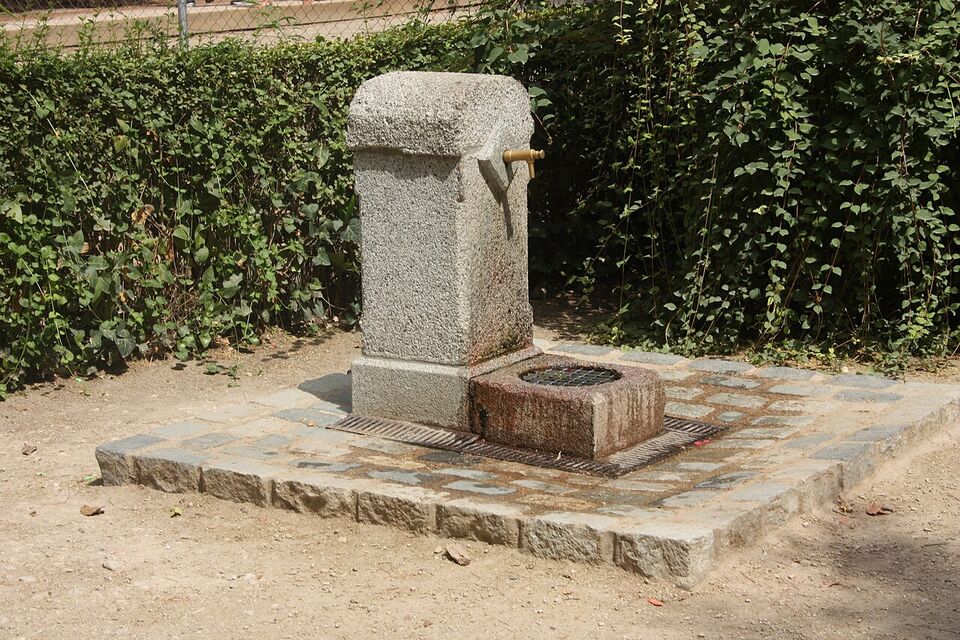
Tap water is safe to drink in nearly all of Spain, and restaurants will bring a jug of it (una jarra de agua) if you ask. Taste varies: in Barcelona, Mallorca and the Canary Islands, where some water is hard or desalinated, many locals prefer bottled for drinking, though tap water is safe.
Food hygiene standards are high. A few Spain-specific points help:
- Raw and marinated fish: dishes such as boquerones en vinagre (anchovies in vinegar) carry a risk of the anisakis parasite, which is why Spanish law requires restaurants to freeze fish served raw or marinated. Be more careful with homemade versions.
- Cheese: many Spanish cheeses are made from raw milk. Pregnant travelers should check labels for leche pasteurizada (pasteurized milk).
- Allergies: EU law requires restaurants to tell you which of 14 major allergens, including nuts, gluten, shellfish, eggs and milk, are in each dish. Ask for the allergen information (información de alérgenos).
- Celiac travelers: Spain has strong awareness of celiac disease, and sin gluten (gluten-free) menus are common in cities.
Travelers' diarrhea is uncommon. If it strikes, drink plenty of fluids and visit a pharmacy for oral rehydration salts (suero oral). See food in Spain for menus, meal times and diets.
Insects, ticks and the outdoors
Spain has no malaria, and mosquito-borne disease is rare, but there are a few things to know if you spend time outdoors.
- Mosquitoes: the tiger mosquito is common along the Mediterranean coast in summer and bites during the day. West Nile virus is a low risk from roughly May to November, mainly in parts of Andalusia and other southern and eastern regions. Use repellent with DEET or picaridin and sleep with screens or air conditioning.
- Ticks: in rural and forest areas, use repellent, wear long trousers and check yourself after hikes. Lyme disease is rare and mostly in the north. Crimean-Congo hemorrhagic fever, spread by ticks, causes a handful of cases a year among rural workers in parts of central and western Spain; the risk to tourists is very low, but tick checks are sensible.
- Pine processionary caterpillars: in late winter and spring, lines of hairy caterpillars cross paths in pine woods. Their hairs cause rashes and are dangerous to dogs. Do not touch them.
- Jellyfish: in summer, some beaches fly a jellyfish flag; lifeguard stations treat stings. See safety for beach flags and rip currents.
- Altitude: Mount Teide on Tenerife rises to 12,188 feet (3,715 m), and its cable car reaches more than 11,000 feet (about 3,500 m). Go slowly if you have heart or lung problems. The Sierra Nevada ski area near Granada also sits high.
Hiking the Camino de Santiago? Blisters, tendinitis and sun are the usual problems; pharmacies along the route are well stocked for pilgrims. See outdoors for more.
Air quality, pollen and smoke
Spring pollen is intense in parts of Spain, especially olive pollen in Jaén and Córdoba provinces in May and grass and plane tree pollen in Madrid. Bring your usual allergy medicine. On the Canary Islands and in the south, episodes of calima, Saharan dust carried on the wind, can turn the sky orange and irritate lungs for a few days; people with asthma should limit outdoor exercise during them.
Smoking is banned in indoor public places, including bars and restaurants, but common on terraces, so ask for an indoor table if smoke bothers you. Summer wildfires can bring smoke to nearby areas; follow local advice.
Older travelers, children, pregnancy and devices
Older travelers should plan around heat, cobblestones and hills: Toledo, Granada's Albaicín and Ronda are steep, and many old-town streets are uneven. Book taxis for uphill stretches and choose hotels with elevators, which are not universal in older buildings. See travel by interest for senior and accessible travel.
Children are welcome almost everywhere in Spain, including late at night, and pharmacies stock baby formula, diapers and children's medicines. Pediatric emergencies go to hospital urgencias, and larger hospitals have separate children's emergency departments. Bring a child's dose chart from your pediatrician, since Spanish products may use different strengths.
Pregnant travelers should take extra care with heat, raw-milk cheese, cured meats such as jamón and undercooked food, check their insurance covers pregnancy care abroad, and confirm airline rules for late pregnancy.
Medical devices: Spain uses 230 volts and Type C and F plugs. Most CPAP machines and chargers handle 100 to 240 volts and need only a plug adapter, but check the label; see staying connected. Carry a doctor's letter for devices, needles or insulin, and keep insulin in your carry-on.
Health checklist
- Check routine vaccines, especially measles, with your doctor four to six weeks before travel.
- Buy travel medical insurance with evacuation, and save the assistance number in your phone.
- Pack prescription medicines in original containers in your carry-on, with copies of prescriptions using generic names.
- Apply to AEMPS for a permit well ahead if you take a controlled medicine.
- Pack sunscreen, a hat and a refillable water bottle; see our packing list.
- Learn 112 and the location of the nearest pharmacy to your hotel.
- Read about the safety side of heat, beaches and emergencies.
Add it to a route in the trip builder, or ask us to plan the hotels, trains and guides for you.