Dutch art in one page
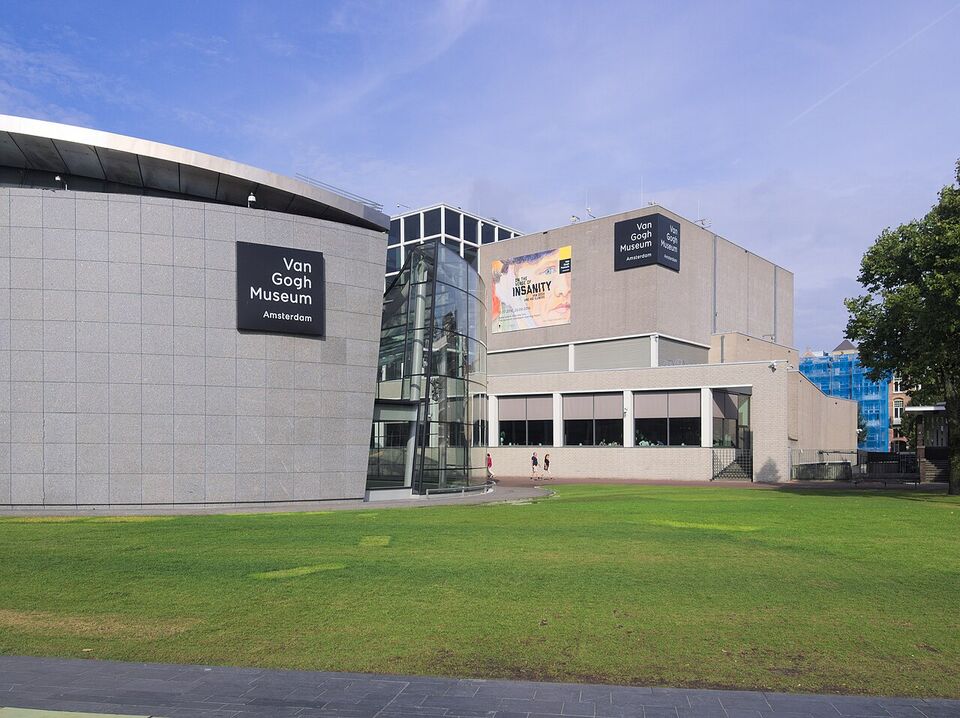
The Netherlands has an unusual number of famous paintings for a small country, and most are close together. The short version: Amsterdam gives you the Rijksmuseum (the Golden Age) and the Van Gogh Museum. Haarlem, a quick train away, has Frans Hals and the oldest museum in the country. The Hague has Vermeer's Girl with a Pearl Earring in the Mauritshuis, and a museum with a large collection of Mondrian. Hoge Veluwe National Park has a Van Gogh collection in the woods.
You do not need to be an art expert. This page explains the basics in plain language, tells you where to find each artist, gives you a "see these ten" list, and gives practical advice on time, audio guides and checking that a painting is actually on the wall. It deliberately has no ticket prices, because they change; for those, use our Amsterdam museums guide and each museum's own site.
The Golden Age in plain terms
The "Golden Age" is the name Dutch people give to the 17th century, when the Dutch Republic was rich from trade and its cities were full of merchants, ship owners and guilds. Wealthy people bought paintings, and painters made a living selling to them, not just to churches and kings. That is why Dutch art of the period is full of ordinary life: portraits, street scenes, still lifes, landscapes and seascapes, and rooms in which people are reading, drinking or working.
Rembrandt
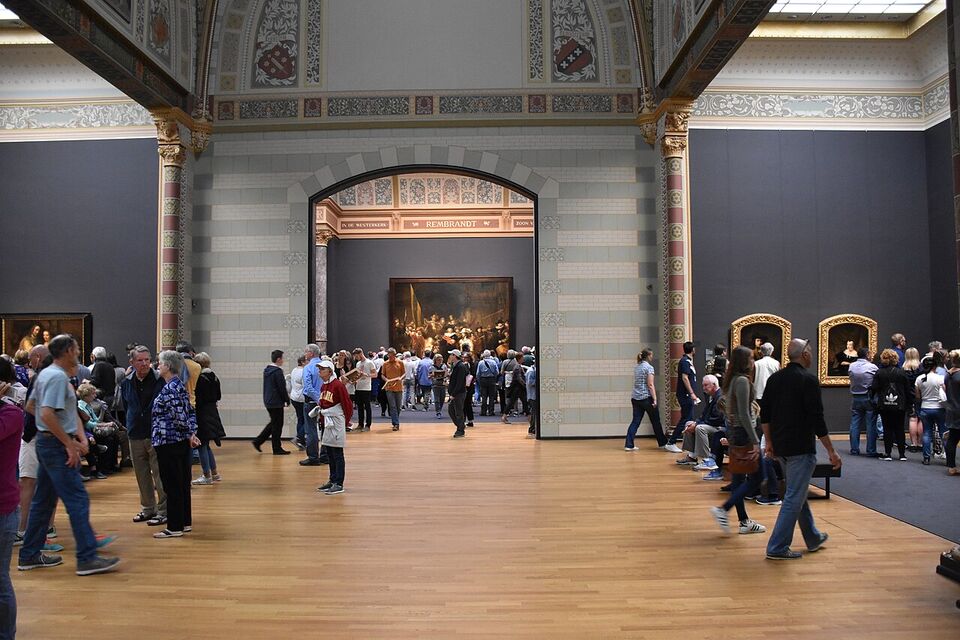
Rembrandt van Rijn is the best-known name. Look for his portraits, his group scenes and his self-portraits made over many years. His Night Watch is a group portrait of an Amsterdam militia company, and the Rijksmuseum calls itself the home of The Night Watch. At the Mauritshuis in The Hague, the museum names Rembrandt's Anatomy Lesson of Dr Nicolaes Tulp and his last self-portrait among its highlights.
Vermeer
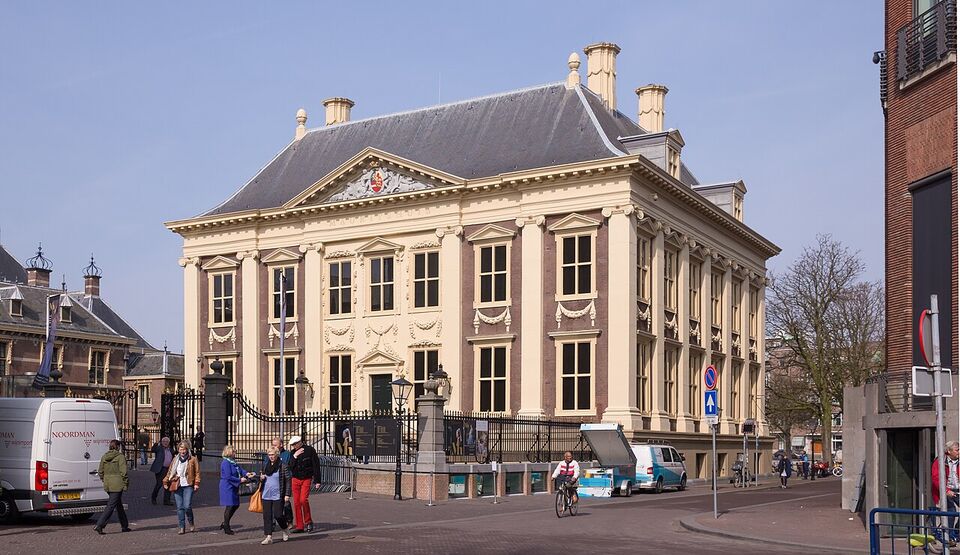
Johannes Vermeer is known for quiet, small-scale paintings. Few of his works survive, which is why the two you can see in the Netherlands draw attention. The Mauritshuis has the Girl with a Pearl Earring, and the Rijksmuseum calls itself the home of The Milkmaid. Both museums list these works on their own pages as their stars.
Frans Hals
Frans Hals (1582-1666) worked in Haarlem. The Frans Hals Museum there says it holds the largest collection of his paintings in the world, and it shows other Haarlem painters beside him, including Judith Leyster and Jacob van Ruisdael. The museum lists his Boy playing the Violin among its highlights. The Rijksmuseum also has works by Hals in its Gallery of Honour.
Other names worth knowing
Jan Steen (a painter of lively household scenes) is named by the Rijksmuseum. Paulus Potter's The Bull is at the Mauritshuis. You will also see Ruisdael's landscapes in Haarlem. If a name on a wall label is new to you, do not worry: the museum's app or audio guide will explain it.
After the Golden Age: Van Gogh, Mondrian and De Stijl
Two later chapters bring most visitors to the Netherlands. Vincent van Gogh, the 19th-century painter, is the subject of the Van Gogh Museum in Amsterdam, which explains his life and shows his paintings and drawings. The Rijksmuseum has four Van Gogh paintings, including his famous self-portrait, according to its own page. The Kröller-Müller Museum in Hoge Veluwe National Park holds about 90 paintings and 180 drawings, reported to be the second-largest Van Gogh collection in the world.
Piet Mondrian and the De Stijl movement (the name means "The Style") belong to the early 20th century and the world of grids, primary colors and straight lines. The Kunstmuseum Den Haag in The Hague, a building by architect H.P. Berlage that opened in 1935, shows art from after 1800 and is said to hold the world's largest collection of Mondrian's paintings (Wikipedia). The Stedelijk Museum in Amsterdam covers modern and contemporary art and design more widely.
The Frans Hals Museum bridges both eras. Besides its 16th- and 17th-century collection, it shows art from 1880 to the present, including works by Isaac Israëls and Charley Toorop.
Where to see what
This table lists the main museums. Hours are from the museums' own pages, checked on November 13, 2026, and can change on holidays.
| Museum | City | Known for | Hours and notes |
|---|---|---|---|
| Rijksmuseum | Amsterdam | Rembrandt's Night Watch, Vermeer's Milkmaid, Hals, Steen, four Van Goghs | Daily 9 a.m. to 5 p.m.; start time required for everyone |
| Van Gogh Museum | Amsterdam | Van Gogh's paintings, drawings and life story | Open daily from 9 a.m.; timed tickets only, sold online |
| Rembrandt House | Amsterdam | Rembrandt's home and studio | Open every day from 10 a.m. except King's Day and December 25 |
| Stedelijk Museum | Amsterdam | Modern and contemporary art and design | Check the museum's site |
| Frans Hals Museum | Haarlem | Largest Frans Hals collection; Leyster, Ruisdael; art from 1880 on | Tuesday to Sunday, 11 a.m. to 5 p.m. |
| Teylers Museum | Haarlem | The oldest museum in the country: art, science, natural history; works by Michelangelo and Rembrandt | Check the museum's site |
| Mauritshuis | The Hague | Girl with a Pearl Earring; Anatomy Lesson of Dr Nicolaes Tulp; Potter's The Bull | Monday 1 p.m. to 6 p.m.; Tuesday to Sunday 10 a.m. to 6 p.m.; last entry 30 minutes before closing; time slot advised |
| Kunstmuseum Den Haag | The Hague | Art after 1800; large Mondrian collection | Check the museum's site |
| Kröller-Müller Museum | Hoge Veluwe National Park | About 90 Van Gogh paintings and 180 drawings (travel site figures) | Check the museum's site; a separate park ticket is also needed |
See these ten
This list is built from what the museums themselves name as highlights, so you can match it to their pages. It is a starting point, not a complete ranking, and we have not described the paintings beyond what the museums say.
- The Night Watch, Rembrandt (Rijksmuseum). Allow time for the room it is in, and check the museum's page for how it is displayed on your dates.
- The Milkmaid, Vermeer (Rijksmuseum). Named by the museum as one of its homes of Dutch masterpieces.
- The Van Gogh self-portrait (Rijksmuseum). One of four Van Gogh paintings the museum lists.
- Girl with a Pearl Earring, Vermeer (Mauritshuis, The Hague). The museum's headline work.
- The Anatomy Lesson of Dr Nicolaes Tulp, Rembrandt (Mauritshuis). One of the museum's named highlights.
- Rembrandt's last self-portrait (Mauritshuis). Listed on the museum's own pages.
- Boy playing the Violin, Frans Hals (Frans Hals Museum, Haarlem). A listed highlight at the museum with the largest Hals collection.
- The Van Gogh Museum, Amsterdam. Use the museum's online collection search to see what is on view before you go.
- The Mondrian collection (Kunstmuseum Den Haag). The museum is said to hold the world's largest collection of Mondrian paintings.
- The Van Gogh collection (Kröller-Müller, Hoge Veluwe). The reward for a longer trip.
Two extras if you have energy: Paulus Potter's The Bull at the Mauritshuis, and the Teylers Museum in Haarlem, which holds works by Michelangelo and Rembrandt along with its science collections.
Check before you go: on view, on loan or being restored
Famous paintings travel to exhibitions, and museums take works off the wall for cleaning and conservation. A museum can be open and still not show the one thing you came for. A few minutes of checking is worth it.
- Search the museum's online collection for the work. Most Dutch museums say whether an object is on display.
- Read the "what's on" page for exhibitions and closures of rooms.
- For the Mauritshuis, look at its visit and "what's on" pages to confirm that Girl with a Pearl Earring is on view. Its visit page showed no closure notice when we checked on November 13, 2026, but works can leave for exhibitions.
- For the Rijksmuseum, check how the Night Watch is being displayed.
- For the Van Gogh Museum, check which exhibitions are running. A Whistler retrospective was reported there until January 10, 2027, and it is included in the regular ticket, according to a travel site.
- Email or call the museum if a particular work matters to your trip.
Watch out
The Mauritshuis, Rijksmuseum and Van Gogh Museum can all sell out of time slots. Booking a ticket does not guarantee a given painting is on view, and a rescheduled slot may not be possible. If one work is the reason for your trip, confirm it is on view first, then book.
How long to give each museum
These are our planning estimates, not museum figures. The Rijksmuseum itself says you can see its highlights in about an hour, which is a good option if you are short on time.
- Rijksmuseum: 2.5 to 3 hours, or one hour for the highlights route.
- Van Gogh Museum: about 2 hours.
- Mauritshuis: 1.5 to 2 hours. It is a small museum and the museum says you can stay as long as you like once inside.
- Frans Hals Museum: 1.5 to 2 hours.
- Teylers Museum: 1.5 to 2 hours.
- Kunstmuseum Den Haag: about 2 hours.
- Kröller-Müller: 2 to 3 hours for the museum, plus the park. See our Hoge Veluwe guide.
Two museums in one day is a comfortable limit for most people. Three is possible in a compact cluster such as the Museumplein in Amsterdam, but tired eyes stop taking things in after the second.
How to look at a painting
You do not need training. Try this simple routine on each work you came to see.
- Look first, read later. Stand in front of the painting for a full minute before you read the label. Notice what your eye goes to first.
- Move. Step back to see the whole picture, then go close to see how it was made. Brushwork that looks quick up close often resolves into a face or a fold of cloth from a distance.
- Find the light. Ask where the light comes from and what it falls on. Dutch painters of this period were often interested in light and shadow.
- Count and compare. In a group portrait, look at who stands in front, who is half hidden, and who looks at you.
- Read the label. Now find out what you were looking at and what the artist wanted you to notice.
- Stop at five or six. Quality of attention beats quantity.
Insider tip
Go to the one work you came for first, while you are fresh, and leave the rest of the museum for afterward. At the Rijksmuseum, that means entering as early as your time slot allows and heading for the Gallery of Honour, where Rembrandt, Vermeer and Hals hang.
Audio guides and apps
- Rijksmuseum: a free app with hundreds of audio stories, and the museum also offers a guided tour of the highlights that you can book.
- Van Gogh Museum: an interactive audio guide, available in twelve languages. You can book it together with your admission ticket.
- Mauritshuis: its own app, described as a pocket-sized guide, and an online "Mauritshuis at home" program that lets you see the collection before you visit.
- Frans Hals Museum: a family listening tour and activities such as a scavenger hunt and dressing up as a civic guard. See the museum's site for current offerings.
Download apps and headphones before you arrive, since museum Wi-Fi can be slow. Bring wired earphones if you plan to use a phone guide. Some museums allow photos, and others do not: the Mauritshuis welcomes pictures but asks you to turn off the flash and leave tripods and selfie sticks at home. If you plan to photograph a work, check the museum's rule before you lift your phone.
Different from home
Many Dutch museums are cashless, and several require a booked time. The Mauritshuis, for example, no longer takes cash at the museum. Bring a contactless card and book your slot before you travel, as you would for a theater. See our money guide.
Words you will see on the labels
Museum labels use a few terms that are easy to learn and make the rooms much easier to read.
- Genre painting
- A scene from everyday life, such as a kitchen, a tavern or a family at home. Jan Steen is the name most often linked with it.
- Still life
- A painting of objects: food, flowers, glassware. The Mauritshuis lists a still life with cheese, almonds and pretzels among works it features online.
- Civic guard (schutterij)
- A citizens' militia company. Groups of guardsmen commissioned large group portraits, and the Night Watch is the best-known one. The Frans Hals Museum even invites children to dress up as a civic guard.
- Old master
- A European painter of roughly the 16th to 18th centuries. The Prince William V Gallery in The Hague, part of the Mauritshuis, shows work by more than 150 of them.
- De Stijl
- "The Style," an early 20th-century movement of straight lines and primary colors, linked to Mondrian.
If you only have time for one
- You want the famous Dutch paintings in one stop: the Rijksmuseum.
- You came for Vincent: the Van Gogh Museum, booked well ahead.
- You want Vermeer's Girl with a Pearl Earring and a small, calm museum: the Mauritshuis in The Hague, as a day trip.
- You prefer a quiet town and fewer crowds: Haarlem for Hals and Teylers.
- You like modern art: the Stedelijk in Amsterdam, or the Mondrian collection in The Hague.
- You like walking and nature as much as art: the Kröller-Müller inside Hoge Veluwe National Park.
A route: Amsterdam, Haarlem, The Hague and beyond
The Netherlands is small enough to see all this by train. Haarlem is 15 to 20 minutes from Amsterdam, with about eight trains an hour. The Hague is about an hour by direct train, according to a travel site, and Haarlem also has direct services toward Leiden and The Hague. A sample plan:
- Day 1
Amsterdam: Golden Age
Rijksmuseum first thing, then the Rembrandt House in the afternoon. See our Amsterdam sights guide for the rest of the city.
- Day 2
Amsterdam: Van Gogh and modern art
Van Gogh Museum in the morning. Add the Stedelijk if you want modern art, and consider the Anne Frank House if you have a ticket.
- Day 3
Haarlem: Hals and Teylers
The Frans Hals Museum (Tuesday to Sunday) and Teylers, then a walk on the Grote Markt. See our Haarlem guide.
- Day 4
The Hague: Vermeer and Mondrian
The Mauritshuis, then the Kunstmuseum Den Haag. See our guide to The Hague.
- Optional day
Hoge Veluwe: Van Gogh in the woods
The Kröller-Müller Museum is about an hour from Amsterdam by car or about two and a quarter hours by public transport, according to a travel site. Plan this as a full day. See our day trips guide for transport.
Leiden, on the way, has an antiquities museum. Our Leiden guide covers it. Trains between these cities run often, but engineering work can change timetables, so use the NS Journey Planner in the week you travel.
Traveling with children and on a budget of attention
Art museums work for children when you keep visits short and give them a job. The Frans Hals Museum offers a scavenger hunt, dressing up as a civic guard and a doll's house. The Rijksmuseum has a family section on its site. For other child-friendly ideas, read our families guide.
If your time is limited to one museum, make it the Rijksmuseum if you want the Golden Age, or the Van Gogh Museum if Vincent is the reason you came. Everything else on this page can wait for another trip.
Add it to a route in the trip builder, or ask us to plan the hotels, trains and guides for you.