Overview
The Netherlands has a high standard of health care, clean water and few health risks for short visits. For most travelers, health planning comes down to four things: travel insurance, a plan for medicines, knowing which number to call, and ordinary seasonal precautions for cold, damp weather, spring allergies, tick bites and sun.
This page explains how the system works for a visitor, what to do when you are ill, how to bring medicine, and what to know about water, allergies, ticks, weather, mental health and accessibility. It does not give medical advice or dosages. Talk to your own doctor or a travel clinic before the trip, especially if you have a chronic condition. For safety and emergency contacts, see our Safety page, and for planning basics see the planning hub.
As of mid-November 2026, we could not retrieve an official Dutch page on visitor health care for this guide, so the descriptions of the system below are general. Check with your insurer and the official sources named in the text before you rely on any detail.
Before you leave: a short planning list
Do these a few weeks ahead, because several depend on other people's schedules: see your doctor if you have a chronic condition, order enough medicine for the trip plus extra, buy insurance, save your insurer's assistance number offline, and write down your blood type and allergies if you know them. Add the emergency numbers in this page to your phone contacts, and tell a family member where you will be staying.
Vaccines and pre-trip checks
We are not aware of any vaccine that is required for American citizens entering the Netherlands, but we could not open the CDC page when preparing this guide, so check the CDC Travelers' Health pages at wwwnc.cdc.gov/travel for the current recommendations. Then:
- Check that your routine vaccines, such as tetanus-diphtheria-pertussis, measles-mumps-rubella and seasonal flu and COVID-19 as advised by your doctor, are up to date.
- Ask your doctor or a travel clinic whether anything is advised for your age, health or plans, such as a long stay or work with animals.
- Do this four to six weeks before departure, so that any series has time to work.
- Bring a record of your vaccinations.
Entry rules are separate from health. For passports, the biometric entry system and other requirements, see our entry page.
Travel insurance and paying for care
This is the part Americans most often get wrong. Medicare generally does not pay for care outside the United States, and most US private plans give limited or no coverage abroad, or cover only emergencies at out-of-network rates. Ask your plan, in writing, what it covers in Europe.
Buy a travel insurance policy that includes:
- Emergency medical treatment and hospital stays.
- Medical evacuation and repatriation, which can cost far more than the treatment itself.
- Coverage for pre-existing conditions if you have any; some policies require you to buy soon after your first trip payment.
- A 24-hour assistance line you can call from the Netherlands.
Read the exclusions: some policies exclude injuries from cycling, alcohol-related incidents or "risky" activities. Since many visitors rent bicycles, check that this is covered (see our cycling page).
Different from home
Visitors from outside the Dutch system are usually expected to pay for care themselves, often at the time of treatment or shortly after. Keep every receipt and ask for an itemized invoice in English, then file the claim with your insurer. Ask the insurer in advance whether they pay the provider directly or reimburse you.
We did not find an official page with typical costs for visitors, so we give no prices. The practical advice is to keep a credit card with room on it and to call your insurer's assistance line early.
How the Dutch system works for visitors
Dutch care is built around the general practitioner, or huisarts. Residents register with a GP, who is the first stop for most problems and refers patients to specialists and hospitals. As a visitor you are not registered, but the same structure shapes what to do.
GP versus emergency
For a non-urgent problem such as an infection, a minor injury or a prescription issue, phone a GP or a walk-in service first rather than going to a hospital. Many practices work by appointment and ask you to call first. Your hotel, a pharmacy or your insurer's assistance line can help you find one, and your insurer may direct you to a preferred provider. Ask for English.
For a life-threatening emergency, such as chest pain, severe bleeding, difficulty breathing, a head injury, stroke symptoms or loss of consciousness, call 112. Do not wait for a GP appointment. Emergency departments (spoedeisende hulp, SEH) are for urgent cases, and outside a real emergency the Dutch system generally expects you to contact a GP first.
After hours: the huisartsenpost
Outside normal hours, in the evening, overnight and on weekends and holidays, GPs in an area run a shared after-hours service called the huisartsenpost. You usually phone first, speak to a nurse or triage staff, and are told whether to come in or what to do. Your hotel or insurer can give you the number for the area you are in. Do not turn up unannounced, and do not use it for a life-threatening problem; call 112 instead.
Pharmacies
Pharmacies (apotheek) in the Netherlands dispense prescription medicines and give advice. Many over-the-counter products are sold at drugstores (drogist) and some supermarkets, but brands and strengths differ from home. A pharmacist can recommend an appropriate over-the-counter product for common problems. Pharmacies keep regular hours, and outside those hours an on-duty pharmacy is usually listed on the door or the website of a closed one. Names and active ingredients can differ from US brands, so bring the generic name of your medicine.
Hospitals
The Netherlands has hospitals in all large cities, including Amsterdam, Rotterdam, The Hague and Utrecht. We do not name or rank them here. For an emergency, an ambulance will take you to an appropriate hospital. For planned care, ask your insurer which providers it will pay directly. Care providers generally speak good English, and staff can usually arrange an interpreter if you need one.
Prescriptions and carrying medicines
If you take regular medicine, plan before you fly:
- Pack medicines in their original labeled containers, in your carry-on, with enough for the whole trip plus a few extra days in case of delays.
- Bring a copy of your prescription or a letter from your doctor that lists the generic name, the dose and the condition.
- Bring the generic name of each medicine; brand names differ.
- Keep medicines in your hand luggage, not in checked bags, and keep insulin and syringes with a doctor's letter.
Controlled substances need more care. Some prescription medicines used for pain, ADHD, anxiety or sleep contain ingredients that are controlled under international rules, and the Netherlands can require documentation for them. We could not verify the current Dutch rules for travelers, so ask your doctor and check with the Dutch authorities and the embassy before you travel, ideally weeks ahead. Do not mail medicines to yourself without checking the rules. If you run out or lose a prescription, a Dutch GP can sometimes prescribe a replacement after an appointment.
Do not take cannabis products or medicines from strangers. Rules on cannabis are on our cannabis page.
Tap water and food
Tap water in the Netherlands is widely drunk and is generally considered safe to drink. Bring a refillable bottle and use it. We did not retrieve an official source for this guide, so if you have a medical condition, check with your doctor.
Food safety standards are high. Raw fish such as herring is a Dutch specialty and is normally eaten fresh from stalls and shops, but if you are pregnant or have a weak immune system, ask your doctor about raw fish, soft cheeses and other foods. If you have food allergies, learn the Dutch words for your allergens and ask in restaurants; staff generally speak English. See our food guide.
Allergies and pollen
Spring brings tree and grass pollen to the Netherlands, and the tulip season overlaps with it. If you have hay fever, bring your usual medicine, check with your doctor and plan for the days when you are outdoors in the bulb fields. Bulb fields usually bloom from around late March to early May, depending on the weather; see our tulips page. Dust and mold in older buildings, damp houseboats and canal-side rooms can bother people with asthma, so ask your accommodation about heating and ventilation.
Ticks in heath and forest
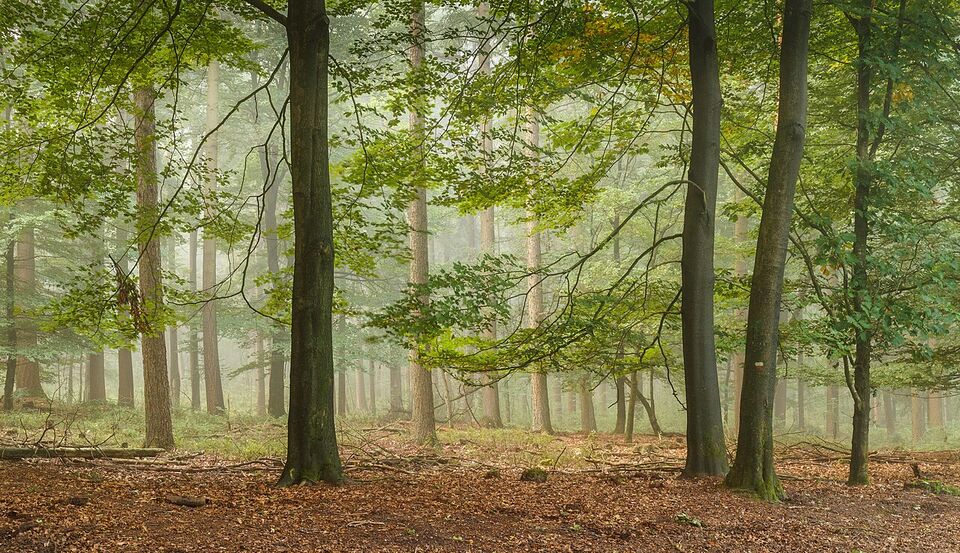
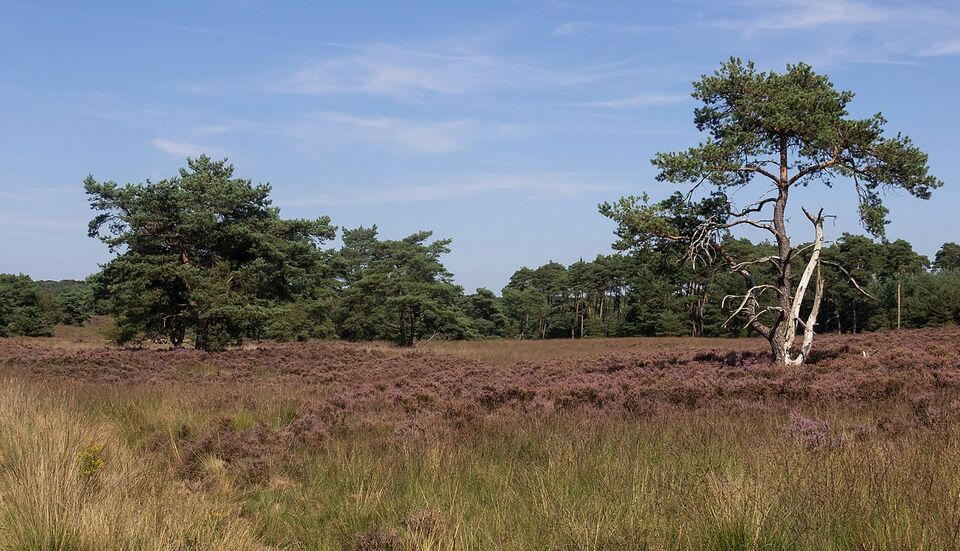
Ticks live in tall grass, heath, dunes and woodland across the Netherlands, including parks and nature areas such as the Hoge Veluwe. They can carry Lyme disease. If you plan to walk in these areas:
- Wear long trousers, tuck them into socks and use a repellent suitable for your age and health.
- Stay on paths and avoid brushing against tall vegetation.
- Check your skin, hairline, armpits, behind the knees and groin at the end of the day, and check children and pets.
- If you find a tick, remove it promptly with fine tweezers or a tick tool, pulling it straight out. Clean the skin.
- Note the date, and see a doctor if a rash, fever or flu-like symptoms appear in the following weeks, or if you are unsure.
City visits carry little tick risk; the concern is hikes and cycling in nature areas. See the Hoge Veluwe page for a typical green-space visit.
Cold, damp, wind and sun
The Netherlands has a maritime climate. According to the climate normals for Amsterdam (Schiphol), the average daily high in November is about 50°F (10°C) and the low about 40°F (4.5°C), with rain on about 13 days; in January the normals are about 43°F (6°C) high and 34°F (1°C) low. Wind and damp make it feel colder.
- Dress in layers with a waterproof outer layer, and bring warm socks and shoes that grip wet cobbles.
- Older adults and people with heart or lung conditions should take cold and slippery pavements seriously.
- Cycling in wet weather is slower and more dangerous. Take extra care on tram rails and cobbles.
- Sun is weaker than in southern Europe but real in summer, especially on the water, on beaches and in open polders. Daylight lasts to about 10 p.m. in June. Use sunscreen and drink water.
Heat waves can also happen in summer. Older buildings and hotels may lack air conditioning, so ask before you book. Our when to go page has the monthly picture.
Insider tip
Bring a small kit: any regular prescriptions, pain and cold relief you already use, blister plasters, a thermometer, sunscreen and an insect repellent. Buying brands you do not know when you feel ill is harder, and pharmacies may be closed on Sundays or evenings.
Children, older travelers and pregnancy
Children and older travelers do well in the Netherlands, but a few points are worth planning for. Bring your child's usual medicines and a note of their vaccination history. Pharmacies sell familiar types of pain and fever relief, but brands and package sizes differ, and the dose depends on the child's age and weight, so ask a pharmacist or your pediatrician and follow the label. We give no dosage guidance here.
Older travelers should check that their insurance has no upper age limit or extra charge, carry a written list of medicines and conditions, and allow for the amount of walking: cobbled streets, stairs in canal houses and long station platforms add up. If you are pregnant, ask your doctor about the timing of the trip, check the airline's rules for late pregnancy, and make sure your insurance covers pregnancy-related care. Keep your medical records with you.
Staying well on the trip
Most illness on a short trip is minor: colds, sore feet, upset stomach, sunburn or a sprained ankle from a cobblestone or a bike. Simple habits help.
- Wash your hands before eating, especially after trains and trams, and carry a small hand sanitizer.
- Pace yourself on arrival after a long flight. Jet lag from the east coast is about six hours; the time difference is five hours for a few weeks around the clock changes (see our when to go page).
- Eat regular meals, drink water and limit alcohol, which hits harder when you are tired.
- If you feel unwell with a fever, cough or breathing difficulty, tell your hotel and your insurer, and phone a GP rather than going to a busy attraction.
- Carry a small first-aid kit with plasters, antiseptic wipes and the over-the-counter medicines you already use.
Around New Year, injuries from fireworks send many people to hospital: 1,239 people were treated for firework injuries on New Year's Eve 2025-26, up 7 percent, according to VeiligheidNL as reported by DutchNews in November 2026. Consumer fireworks are banned nationwide from August 1, 2026, but you should still keep distance from anyone setting them off in the street.
Emergency numbers
| Situation | Number | Notes |
|---|---|---|
| Ambulance, police, fire | 112 | Free, works from any phone; tell the operator your location |
| Police, non-emergency (English) | 0900-8844 | For theft and other non-urgent reports |
| U.S. citizen emergency | +31 (0)70 310-2209, then 3 | U.S. Embassy; alternate +1 301 985 8808 |
| State Department, 24/7 | +1-202-501-4444 | From abroad; +1-888-407-4747 from the U.S. and Canada |
The U.S. Consulate General in Amsterdam, at Museumplein 19, provides consular services for Americans in the Netherlands, including help finding medical care in an emergency. See also the full list on our Safety page.
Mental health support
Travel can be stressful, and new surroundings, jet lag and alcohol can make anxiety or low mood worse. If you take medicine for a mental health condition, follow the medicine rules above and bring enough. If you need help while you are away:
- In an emergency, such as a risk of harm to yourself or others, call 112.
- Contact your insurer's assistance line, which may offer phone support or direct you to a provider.
- Contact a Dutch GP, who is the usual route to counseling and psychiatric care; ask for English.
- Call the U.S. Consulate General in Amsterdam, or the State Department number above, if you are in crisis or need help finding care.
- You may be able to reach US support lines from abroad, such as the 988 Suicide & Crisis Lifeline; check how they work from your phone before you travel.
If you take cannabis, be aware that it can bring on panic or anxiety; see our cannabis page.
Accessibility
The Netherlands is flat, but older cities were not built for wheelchairs or strollers. Expect cobbles, narrow pavements, steep canal-house stairs, high thresholds, bridges with steps and trams where level boarding varies. Many museums and large hotels have lifts, but not all, and some historic sights, such as the Anne Frank House, have steep stairs. Where we have details, they are on the relevant page. The I amsterdam site lists wheelchair-accessible hotels and an accessibility section.
- Ask hotels about lifts, step-free entrances and bathroom layout before you book.
- Check museums' accessibility pages and book timed slots in advance.
- Ask train staff for assistance with boarding in advance if you need a ramp.
- Plan for rain and slippery cobbles with a mobility aid.
For more on getting around, see getting around.
Add it to a route in the trip builder, or ask us to plan the hotels, trains and guides for you.