Euros and the exchange rate
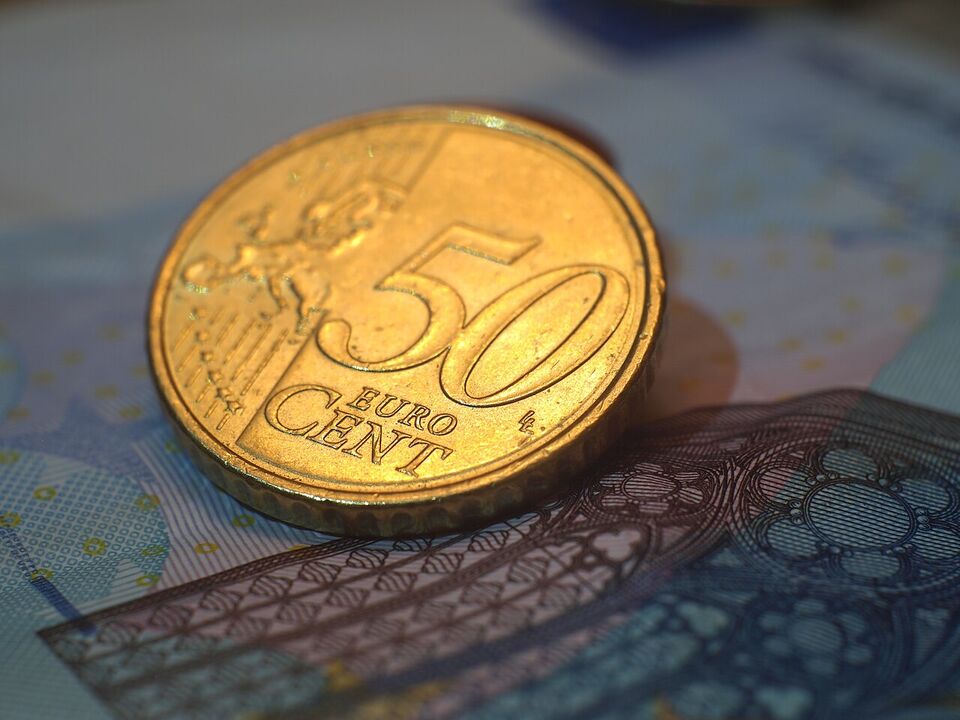
The Netherlands uses the euro, written €. Prices in this guide are shown the way travelers need them: euros first, then dollars in parentheses, converted at the site rate of €1 = US$1.12. At that rate €21 is about $24 and €100 is about $112.
The rate we use is a planning figure, not a quote. The European Central Bank (ECB) published a reference rate of 1.1081 dollars to the euro on November 12, 2026, and the early-November range was about 1.113 to 1.127, so 1.12 sits comfortably in the middle. Your bank or card network sets the real rate on the day, and it often adds a small margin. For a live figure, check the ECB reference rates page, and use the converters page for quick sums on your phone.
Euro amounts are written the American way here: a comma for thousands (€1,250) and a point for decimals (€3.50). Dutch menus and signs often use the opposite, with a comma before the cents (€3,50), so read carefully. A price of €1.250 on a Dutch sign is a little over a thousand euros, not one euro twenty-five.
Different from home
Prices on Dutch price tags and menus include VAT (the sales tax), so the number you see is the number you pay. There is no tax added at the register as in most of the US. Hotels are the exception to the "price you see" idea: the city tourist tax is usually added on top. See the hotel taxes section below.
Cards or cash
Plan to pay with a card for nearly everything. Contactless payment (tapping a card or phone) is the normal way to pay in shops, cafes, restaurants, trams and trains. Cash is accepted in many places, but some businesses have moved toward card-only, so a trip with only banknotes is the riskier choice.
We can name some places that take cards only. The Anne Frank House sells tickets online and accepts only bank or credit cards. The Mauritshuis in The Hague is cashless. The entrances at the Hoge Veluwe National Park and its Kemperberg Tea House are card only. Parking at Zaanse Schans is card only, and there is no cash machine at the site. Treat these as examples of a wider habit rather than a complete list: carry a contactless card wherever you go.
Cash still has a role. Keep a small stash of coins and a few small notes for a tip, a market stall, a coin-operated locker or toilet, or the odd small cafe whose card reader is down. Many visitors do well with about €50 (about $56) in cash at a time rather than a large amount.
Phones and wallets
Apple Pay and Google Wallet work wherever contactless cards do. They are handy for transit, because you can check in and out with the same phone you use for maps. The one rule is to use the same card or device at the start and end of a journey, which we explain on the trains and transit page.
Which US cards work
A US Visa or Mastercard with a chip works in most Dutch terminals. Contactless is the fastest option and is accepted by the transit system. The system takes contactless Maestro, V PAY, Mastercard and Visa cards, including cards issued by ICS, plus Apple Pay and Google Wallet. American Express is not accepted for transit payments, according to a secondary source, and it is also less widely taken in shops than Visa and Mastercard, so do not make it your only card.
Debit cards are the Dutch default. Most residents pay with a local debit card, so you may meet a counter or machine that accepts debit more readily than credit. Maestro and V PAY are debit brands that are common in the Netherlands and rare on US cards. Many US debit cards are branded Visa or Mastercard instead, and those usually work wherever those brands are accepted. We cannot say how your own card will behave, so verify with your bank before you leave.
Here is a short check that takes ten minutes at home:
- Look at your card for a contactless symbol (four curved lines) and a chip.
- Ask your bank or card company what it charges for foreign transactions and foreign ATM withdrawals.
- Confirm you know your card's PIN. Some Dutch machines ask for a PIN rather than a signature.
- Set up the card in Apple Pay or Google Wallet as a backup.
- Pack a second card from a different bank, kept apart from the first.
Watch out
Unattended machines, such as ticket kiosks and parking pay stations, are the places where a foreign card is most likely to be declined. If a machine refuses your card, try a staffed counter, a different card or your phone wallet. For trains, you can also buy an e-ticket in the NS app. See the phones and data page for the apps worth installing.
ATMs and the conversion trap
A cash machine is called a geldautomaat, and you will find them at bank branches, train stations and in shopping streets. Your own bank's rules decide what you pay: look for any flat fee per withdrawal, a percentage foreign transaction fee, and a fee from the machine's owner. Taking out a larger amount less often is usually cheaper than frequent small withdrawals if your bank charges a flat fee each time.
Prefer machines attached to a bank branch. Standalone machines in tourist areas sometimes charge their own fee and are the ones most likely to push the conversion offer described below.
Dynamic currency conversion: always choose euros
Dynamic currency conversion (DCC) is the offer to charge your card in dollars instead of euros. It appears on ATMs and on card terminals in shops, restaurants and hotels, and it can look helpful because it shows the dollar total up front. The catch is that the machine, not your bank, sets the exchange rate, and the margin is usually larger than your card network's.
The fix is simple: when the screen asks whether you want to pay in USD or EUR, choose EUR (the local currency). If a restaurant waiter has already pressed the buttons, ask for the transaction to be redone in euros. The same applies at hotel check-out and when you rent a bike or a car.
Save money
On a €200 (about $224) hotel bill, even a 3% worse rate costs about €6 (about $7). Over a week of meals, tickets and taxis the difference adds up, so make "pay in euros" a habit from the first coffee.
Tell your bank before you go
Card issuers' fraud systems can freeze a card that suddenly appears in another country. Most banks let you add a travel notice in their app or on their website, and some say it is no longer needed. Do it anyway, and also check that your phone number and email on file are current so you can receive a verification code abroad.
Think about the text-message codes. If your bank sends a one-time code by SMS and your US number will not receive texts abroad, you may be stuck at a checkout. Set up an authenticator app or app-based approval before you leave, and read about roaming and eSIM options on the phones, data and power page.
Also note the numbers to call if a card is lost. The toll-free numbers on the back of your card may not work from abroad, so save the bank's international collect-call number. The safety page covers pickpockets and what to do if your wallet goes missing.

What things cost
The table below lists prices we could confirm from official or operator pages as of mid-November 2026. Several rise on January 1, 2027, and we show the change where a source states it. We have not verified current menu prices for coffee, beer, a sandwich or dinner, so we give no figures for them: menus are posted outside nearly every restaurant, and the food page and the budget calculator help you plan meals.
| Item | Euros | US$ (about) | Notes |
|---|---|---|---|
| Anne Frank House, adult | €16.50 | $18 | Includes a €1.00 booking fee; €17.00 (about $19) from 2027; online only |
| Rijksmuseum, adult | €25 | $28 | €26.50 (about $30) from 2027; ages 18 and under free |
| Van Gogh Museum, adult | €25 | $28 | €26 (about $29) from January 1, 2027; under 18 free |
| Mauritshuis, The Hague, adult | €21 | $24 | Under 19 free; cashless |
| Heineken Experience, self-guided tour | €24.95 | $28 | Adults 18 and over |
| Kinderdijk windmills, adult | €21 | $24 | Online price is 10% lower, about €18.90 (about $21) |
| Canal cruise, 75 minutes | from about €26 | $29 | One operator's listed price; the final price shows at checkout |
| Amsterdam tram, bus or metro, 1 hour | €3.40 | $3.80 | GVB ticket |
| GVB 24-hour ticket | €10.00 | $11 | Pay-as-you-go with a card stops at €10.50 (about $12) a day |
| Schiphol to Amsterdam Centraal by train | €5.50 | $6 | 14 to 17 minutes; a paper single-use ticket adds €1.60 (about $1.80) |
| Bike rental, per day (average) | €10 | $11 | Often rented from about 3 hours |
| Station bike (OV-fiets), per day | €4.80 | $5 | €4.95 (about $6) from January 2027 |
The pattern is that big-name museums cost about €16 to €25 (about $18 to $28) per adult, transport is cheap if you use a card, and children and teenagers are often free or reduced. The museums page and Anne Frank House page explain timed tickets, which are as important as the price.
Tipping
Dutch restaurant prices include service, and servers earn a wage, so a tip is not part of the bill the way it is in the US. Rounding up the total or leaving a few euros for good table service is a common courtesy, not an obligation. We give no percentage because there is no fixed rule, and in a casual cafe a few coins left in the jar or "keep the change" is plenty.
For taxis, rounding up the fare is typical. For hotel porters, a euro or two per bag is a kind gesture. Tour guides on free or "tip-based" walks expect payment, so those are the exceptions. Do not feel pressure to add an American-sized tip, and in particular do not add 15 or 20 percent to a card payment. For more on local habits, see the etiquette page.
Insider tip
In a restaurant, you usually ask for the bill (de rekening, alstublieft) and often pay at the table with a handheld terminal. If you want to add a little extra, say the total you want to pay before the server taps the machine.
Hotel taxes, VAT and the visitor refund
Hotel bills carry two different taxes, and both have changed recently. First, VAT on hotel rooms rose from 9% to 21% on January 1, 2026, a national change. Second, a municipal tourist tax is charged per night on top of the room rate.
In Amsterdam the tourist tax is 12.5% of the overnight price in 2026. A secondary source reports that it is calculated on the price before VAT and that city residents are exempt. The City Council passed the 2027 budget on November 12, 2026, raising the tax from 12.5% to 16% in 2027, and the coalition plans further one-point steps up to 20% (reported as 2031). Those later steps are goals, and the exact start day of the 16% rate was not reported, so write "from 2027" in your plans and ask the hotel what it will charge for your dates.
As a worked example, suppose a room is quoted at €200 (about $224) including VAT. If the tax is based on the price before VAT, that base is about €165 (about $185), so the tourist tax at 12.5% is about €20.65 (about $23) a night, and at 16% it would be about €26.45 (about $30). Hotels may show the tax inside or outside the quoted rate, so read the booking page. The nationwide average municipal tourist tax is much lower, about €4.54 (about $5) a night in 2026, so other towns usually cost less than Amsterdam.
Watch out
A hotel price that says "taxes not included" does not necessarily include the city tax, and some booking sites collect it at the property rather than online. Compare the final total, not the headline rate. See the where to stay page for how to compare areas and seasons.
VAT refunds for visitors
Visitors from outside the EU can sometimes reclaim VAT on goods bought in participating shops and taken home unused. The process involves a form, a minimum purchase and a customs stamp, so ask in the shop and read the rules on the shopping and taking things home page.
Public toilets and other small change
Public toilets in train stations, shopping streets and some tourist areas often charge a small fee, and some are staffed by an attendant. Keep a few coins for them, although some now take cards. Cafes and restaurants generally expect you to be a customer before you use theirs, so buy a coffee first.
Lockers, shopping carts and some market stalls may also want coins or small notes. None of these is a reason to carry a big purse of change: a few one-euro and two-euro coins cover them.
Supermarket checkout is also different. At many Dutch stores you bag your own groceries, and you may be asked whether you want a bag. Bring a tote bag and keep your card ready for the contactless reader.
Ways to spend less
The best savings are simple choices rather than clever tricks. Here are the ones that matter most.
- Pay for transit with a contactless card. GVB's pay-as-you-go cap means you never pay more than €10.50 (about $12) a day on its network, and you pay nothing for the free ferries across the IJ behind Centraal station.
- Look at the City Card only if you will use it. The I amsterdam City Card costs €67 (about $75) for 24 hours and €94 (about $105) for 48 hours, and the full version includes public transport, a canal cruise, a 24-hour bike rental and free entry to more than 70 museums and attractions. It covers the Rijksmuseum, Stedelijk, NEMO, A'DAM Lookout and Rembrandt House, but not the Van Gogh Museum, and the Anne Frank House gives no discount.
- Do the Museumkaart math before you buy. The Museumkaart costs €75 (about $84) for adults, including a €4.95 (about $6) registration fee, and it is aimed at Dutch buyers, so visitors from abroad often find it hard to purchase. A temporary card (valid 31 days, five visits) can be bought at some museum ticket desks. For most travelers, the City Card or single tickets are simpler.
- Use the free options. The Rijksmuseum garden is free, the ferries are free and walking the canals costs nothing. Many museums let children and teenagers in free, and the things to do page lists more.
- Eat your biggest meal at lunch. Many restaurants serve lighter or cheaper lunch menus than dinner menus, and supermarket sandwiches and market stalls cost less than sit-down meals. Check the menu board before you sit.
- Book timed tickets directly. Official sites avoid reseller markups. A reseller listed the Van Gogh Museum at a higher price than the museum's own €25, so book on the museum site.
Save money
A City Card day can pay for itself: the Rijksmuseum (€25, about $28), the A'DAM Lookout (from €16.50, about $18) and a canal cruise from about €26 (about $29) already come to roughly the €67 (about $75) price of the 24-hour card, before you count transit and a bike. If you plan fewer than two paid activities a day, single tickets win.
Money mistakes Americans make
Most money problems in the Netherlands come from a handful of habits. Paying in dollars when asked is the biggest, followed by relying on a single card. Forgetting to check out on a train is a close third: under 2026 rules, if you forget to check out, NS charges the full fare of €33.30 (about $37), although you can claim a refund afterward. The trains and transit page shows how to avoid it.
Another mistake is leaving all booking until arrival. The Anne Frank House sells tickets only online and releases them six weeks ahead, so a "pay when I get there" plan will not work. Timed slots at the Rijksmuseum and Van Gogh Museum also need a start time, and door tickets are sold only subject to availability. Money saved by waiting is rarely worth a missed visit.
Finally, remember that your trip budget includes the trip's invisible costs: foreign-transaction fees, hotel tourist tax, and the cost of getting from the airport. The Schiphol transfers page shows what the first leg costs, and the FAQ collects short answers to the questions we hear most.
Add it to a route in the trip builder, or ask us to plan the hotels, trains and guides for you.