The Netherlands at a glance
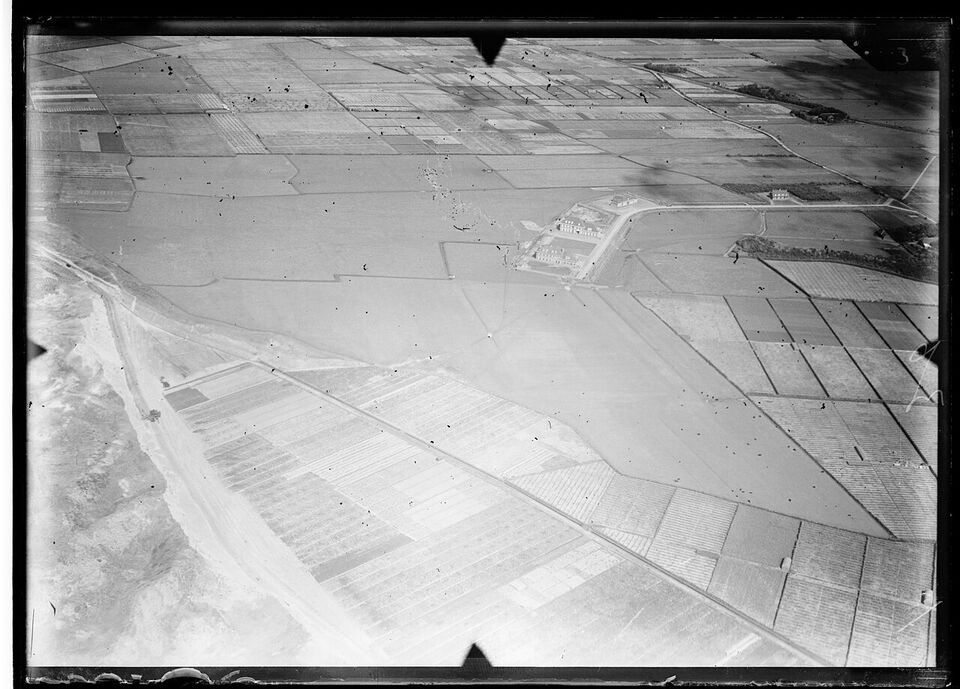
The Netherlands is a small, flat, densely connected country, and that is the main thing to know when you plan a trip. It has twelve provinces, and about a quarter of the land lies below sea level, reclaimed over centuries as polders. Because the main cities sit close together, you can sleep in one hotel and reach most of the places in this guide on day trips by train. Only a few areas, such as Maastricht in the far south, Friesland in the north and Zeeland in the southwest, ask for a night or two of their own.
This page is the map for the whole guide. It explains the regions, who each one suits, how long the train takes from Amsterdam, and how to put them together. If you are still deciding how long to stay, start with our trip planning guide, and for the busiest areas use our day trips from Amsterdam guide for the time and cost of each outing.
A word about times. Where an official or reliable source gave a journey time, we use it. Where we did not confirm one, we say "roughly" and you should check the NS app or 9292.nl on the day, because timetables change and a slow train adds time. Our getting around guide explains tickets, check-in and check-out.
Holland is not the Netherlands
You will hear Americans say "Holland" for the whole country, and you will see it on tourist-board branding such as the holland.com website. It is worth knowing why many Dutch people prefer you do not. Holland is the name of a region, made up of just two provinces, North Holland and South Holland. Together they hold only about 38% of Dutch citizens, and they are two of twelve provinces. People from Groningen, Friesland, Limburg, Brabant and the other ten feel left out when the whole country is called Holland.
The habit comes from history. Holland was the dominant province during the Dutch Republic of the 17th and 18th centuries, and its name came to stand for the whole. As of 2019, the Dutch government has officially preferred "the Netherlands" when speaking of the country.
This guide says "the Netherlands" for the country and "Dutch" for its people and language, and uses Holland only for the two provinces or inside names. If you want to be on the safe side with locals, do the same.
Different from home
Some Dutch people compare it to hearing the United Kingdom called "England." Nobody will take offense if you slip, but saying "the Netherlands" shows you did your homework.
The regions compared
The table gives the shape of each area. Times are from Amsterdam Centraal by train unless noted, and are rough.
| Region | Main places | Best for | From Amsterdam by train | Winter? |
|---|---|---|---|---|
| Amsterdam and North Holland | Amsterdam, Haarlem, Zaandam and Zaanse Schans, Alkmaar, Edam and Volendam, Zandvoort | First trips, museums, canals, windmills, a beach day | Haarlem 15-20 min; Zaanse Schans about 20 min; Zandvoort roughly 30 min | Yes, but Alkmaar's cheese market runs April-September only |
| South Holland | Rotterdam, The Hague, Delft, Leiden, Kinderdijk | Architecture, art, government, beaches, a second city feel | Leiden roughly 35 min; The Hague about an hour; Rotterdam roughly 40 min; Delft about an hour | Yes; indoor museums are strong in cold months |
| Utrecht | Utrecht city, the Dom Tower, wharf cellars | A calm base, canals with a student feel, rail connections | Roughly half an hour | Yes |
| The bulb region (tulips) | Keukenhof in Lisse, fields near Lisse and Hillegom | Spring flowers | Train plus bus, or bus 858 from Schiphol in season; about 35 minutes from Amsterdam, per a secondary source | No: Keukenhof 2027 is open March 18-May 9 only |
| Friesland and the Wadden islands | Leeuwarden, Terschelling, Texel and other islands | Nature, seals, sand and wind, slow trips | Roughly two hours to Leeuwarden; add ferry time for islands | Quiet and cold; check ferry schedules |
| Overijssel (Giethoorn) | Giethoorn, Zwolle, Weerribben-Wieden National Park | Water village, boats, nature | Roughly two hours including a bus from Steenwijk | Yes, canal cruises run in all seasons |
| Gelderland (Hoge Veluwe) | Hoge Veluwe National Park, Kröller-Müller Museum, Arnhem, Nijmegen | Heath and woods, white bikes, art | Roughly 1.5 hours with a bus from the station | Yes |
| Limburg (Maastricht) | Maastricht, Valkenburg | Old squares, food, caves, Belgium and Germany nearby | Roughly two and a half hours | Yes; Christmas markets run November to early January |
| Zeeland and the Delta Works | Middelburg, the Eastern Scheldt barrier, beaches | Water engineering, coast, quiet villages | Roughly two and a half to three hours; a car helps | Quiet; check what opens |
Rough times are marked "roughly" because we did not confirm them against an official timetable. Journey times that we did confirm are Schiphol to Amsterdam Centraal (14 to 17 minutes), Haarlem (15 to 20 minutes, with about eight trains an hour), Zaanse Schans (about 20 minutes) and the WaterShuttle from Rotterdam to Kinderdijk (about 30 minutes, bikes allowed). The Hague is about an hour on a direct train, according to a secondary source.
Amsterdam and North Holland
Amsterdam is the center of most trips, and our Amsterdam guide covers the city. The rest of North Holland is quick to reach. Haarlem is a small, handsome city with a great church on its main square and a museum of Dutch painting. The ride is 15 to 20 minutes, and trains continue to the beach at Zandvoort.
North of the city, Zaanse Schans is the windmill village that most visitors see. The village is free to walk around, per its official site, while the windmills and some museums charge separately. The Zaanse Schans card is €29.50 (about $33) for adults and €20 (about $22) for children 4-17. The municipality has discussed charging an entrance fee, so check before you go. Our windmills guide compares it with Kinderdijk.
The cheese towns are in this area too. Alkmaar's traditional market takes place on Fridays from 10 a.m. to 12:30 p.m. on the Waagplein, from the first Friday in April to the first Friday in September. In 2027 that means April 2 to September 3. Edam holds a market re-enactment on Wednesdays in July and August. Gouda, in South Holland, holds its market on Thursdays in the warmer months (April to August).
South Holland: four cities in a row
South Holland is the most densely settled part of the country, and its main cities lie within a short train ride of each other. Leiden is a university city with canals and the national museum of antiquities. The Hague is the seat of government, with the Mauritshuis (home of the Girl with a Pearl Earring) and the seaside district of Scheveningen. Delft is small, with blue pottery and two historic churches. Rotterdam is a modern port city rebuilt after World War II, with bold architecture, a covered market hall and the departure point for Kinderdijk.
Trains between Delft and its two neighbors, Rotterdam and The Hague, run as often as every five minutes, which makes Delft an easy low-key base. Pick the cities by taste. Art lovers often start with The Hague, architecture fans with Rotterdam, and people who want quiet streets with Delft. Prices for the main sights, as of November 2026:
- Mauritshuis, The Hague: €21 (about $24); book a time slot online. The museum is cashless.
- Delft Old and New Churches: €10 (about $11) for both; the tower is €7.50 (about $8) extra, or €15 (about $17) together.
- Rijksmuseum van Oudheden, Leiden: €14 (about $16).
- Kinderdijk: €21 (about $24) adult; the windmills are a UNESCO site, and buying online gives an automatic 10% discount.
Utrecht and the middle of the country
Utrecht sits in the geographic center and is the country's main rail hub. It has the sunken Oudegracht canal, the Dom Tower and a lively student scene. It is a fine base if you want something calmer than Amsterdam, and it works well with Hoge Veluwe, Rotterdam and Delft as day trips. The roughly half-hour ride to Amsterdam makes it close enough for a day in the capital too.
Utrecht also has the Dom Tower staircase tour (€13.50 (about $15) for adults) and a huge three-floor bicycle parking station by the railway station. Our Utrecht page walks through a full day.
The bulb region and tulip season
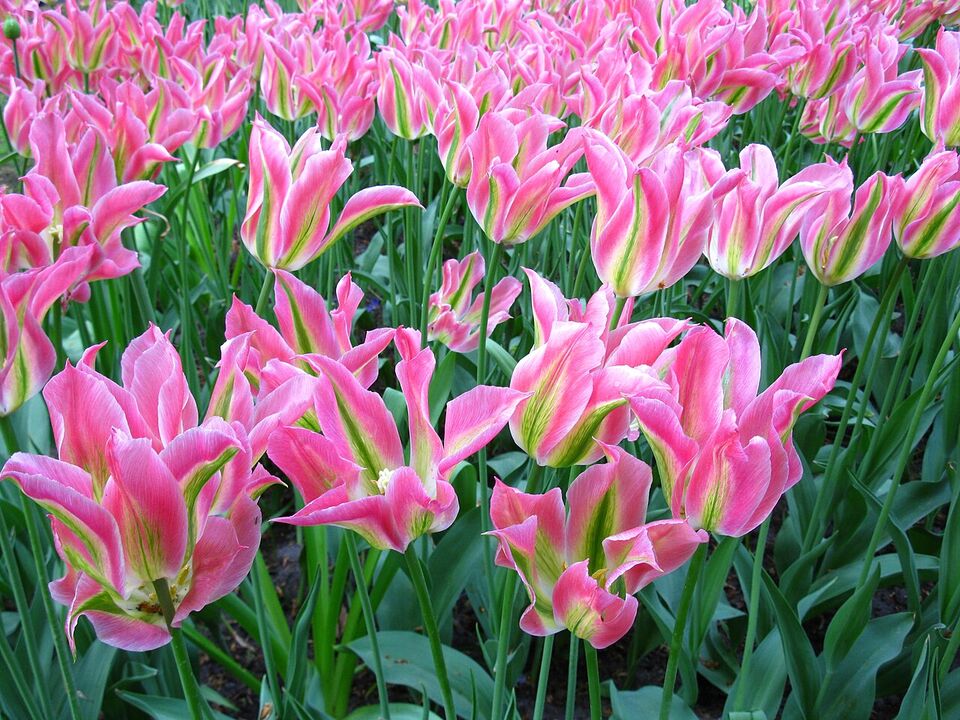
The "bulb region" (Bollenstreek) lies between Haarlem and Leiden, along the coast. It is home to Keukenhof, the garden in Lisse that opens each spring. Keukenhof 2027 runs from Thursday, March 18 to Sunday, May 9, 2027, from 8 a.m. to 7 p.m., including Sundays and holidays, and entry closes at 6:15 p.m. The 2027 prices were not available to us; the 2026 adult price was €21.50 (about $24), with parking about €10 to €14 (about $11 to $16). The fields outside the park usually bloom from around late March to early May, depending on the weather.
In season, the Amsterdam & Region Travel Ticket covers bus 858 from Schiphol to Keukenhof. Our tulips guide covers timing and etiquette, and you should not walk into the flower fields.
Friesland and the Wadden islands
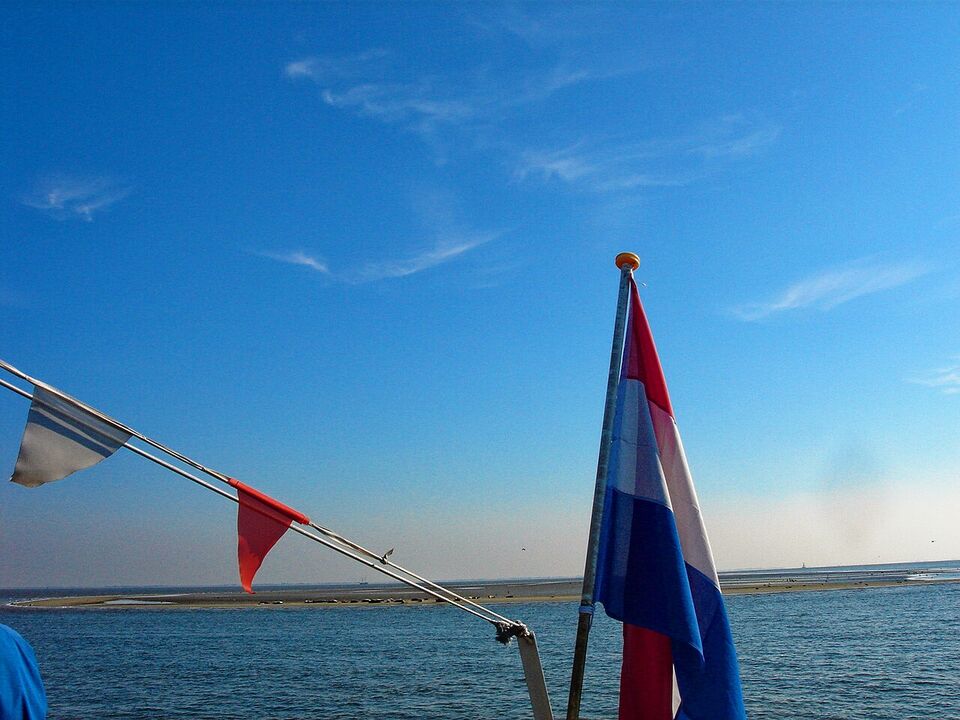
In the far north, Friesland has its own language, West Frisian, which is an official language alongside Dutch. The Wadden Sea off its coast is a UNESCO World Heritage nature site with tidal flats and wildlife, including seals. The Wadden islands, among them Texel and Terschelling, are reached by ferry, and some of them need a train to a harbor town first.
This region suits repeat visitors and nature lovers; it is not an easy day trip from Amsterdam, and it takes the better part of a day each way once you include the ferry. Ferry schedules and fares change by season, so check the ferry operator's site before you plan, and expect fewer sailings in winter. We did not confirm prices or crossing times for this guide.
Overijssel and Giethoorn
Giethoorn is a water village in Overijssel, with canals and no roads for cars in the old center. You see it from the water or on foot. Boating is the main activity: no license is needed for whisper boats or sloops, and a typical outing takes one to two hours. The village is quietest before 10 a.m. and after 4 p.m., and booking ahead is recommended. Our Giethoorn guide covers the practical details.
Getting there takes a train to Steenwijk and then a local bus or taxi; check 9292.nl for the right connection. Because the trip is long, many visitors do it as a full day or add a night in Zwolle or in the village.
Gelderland and Hoge Veluwe
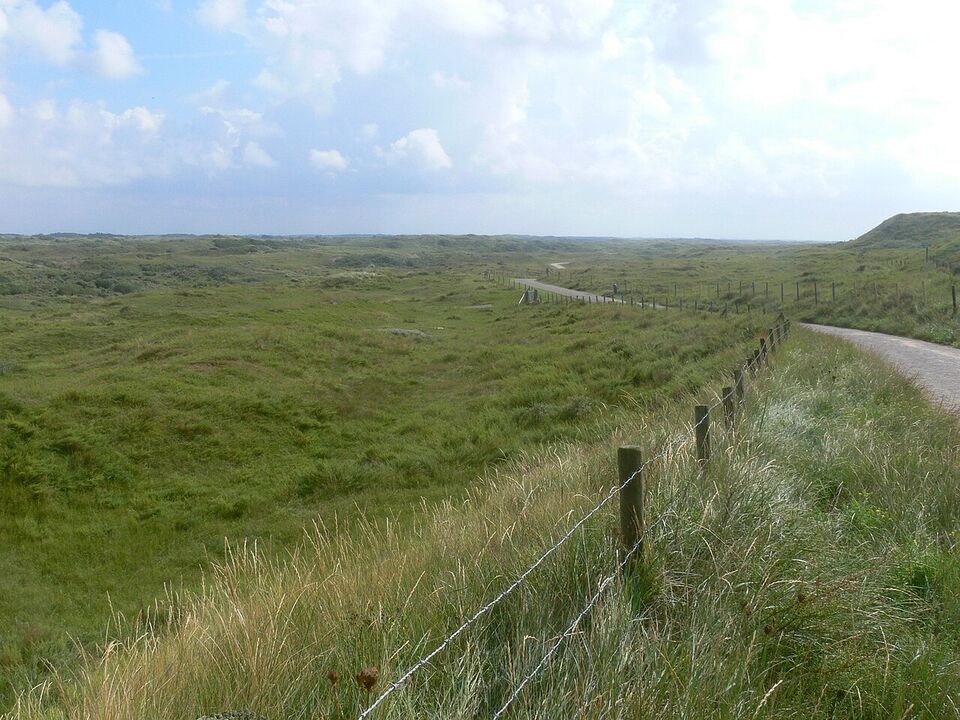
Hoge Veluwe National Park is a large area of heath, sand dunes and forest in Gelderland, and the Kröller-Müller Museum sits inside it. Entry in 2026 is €13.85 (about $16) for adults and children 13 and older, €6.95 (about $8) for ages 6-13 and free under 6; a car is €9.80 (about $11). Museum admission is not included. In 2027 adults pay €14.35 (about $16). Card payment only at the entrances. The park also offers its white bikes to visitors.
It works well in two ways: a full day by bike in good weather, or a museum visit on a gray day. The price of the Kröller-Müller Museum and the park's opening hours were not confirmed for this guide, so check the park's site.
Limburg and Maastricht
Maastricht is in the far south, wedged between Belgium and Germany. It has old squares, a bookstore in a church, city gates, caves and a reputation for good eating. The trip from Amsterdam is roughly two and a half hours, so plan one night. At Christmas, its market on the Vrijthof runs from November 27 to December 27, 2026, and Valkenburg's cave markets start on November 13. Our Maastricht page covers cannabis rules in the border region (the law only) and the Belgian and German side trips.
Zeeland and the Delta Works
Zeeland is the southwest corner, a mix of islands, dikes and beaches. After the North Sea flood of 1953, which broke dikes in the southwest and drowned more than 1,800 people, the government built the Delta Works, a vast system of dams and storm surge barriers that took more than 40 years to complete. The Eastern Scheldt became a national park in 2002, and at 370 square km (140 sq miles) it is the largest in the country.
This is a trip for engineering fans, birders and people who want to leave the crowds. Public transport is thin, so many visitors rent a car. We did not confirm opening hours or prices for the visitor sites, so check each site before you go.
Who each region suits
- First-timers with 4-5 days: Amsterdam plus Haarlem and one windmill outing (Zaanse Schans or Kinderdijk). In spring, swap one for Keukenhof.
- Art and history fans: Amsterdam, The Hague (Mauritshuis), Delft and Leiden. See our museums guide and art guide.
- Families: Amsterdam, Rotterdam, Kinderdijk and the beach at Zandvoort or Scheveningen. See families.
- Architecture fans: Rotterdam, Utrecht (the Rietveld Schröder House) and Amsterdam.
- Nature and slow travel: Hoge Veluwe, Giethoorn, the Wadden islands and Zeeland.
- Food and Christmas markets: Maastricht and Valkenburg in winter. See our December guide.
How to combine the regions
The simplest way to combine places is to sleep in one base and make day trips, then move once for the far-flung ones. Here are four patterns:
- 4-5 days
Amsterdam plus the Randstad
Three nights in Amsterdam, with one day to Haarlem and the beach and one to Delft and The Hague. Stay in a single hotel.
- 7 days
Two bases
Four nights in Amsterdam, three in Utrecht or Rotterdam. Use the second base for Delft, The Hague, Kinderdijk and Hoge Veluwe.
- 10 days
Add the east or south
Add a night in Giethoorn or near Hoge Veluwe, or finish with a night in Maastricht. The longest hops are best at the end, before you fly or take a train to Belgium.
- 14 days
Add the coast
Include Zeeland or a Wadden island, with a car or a ferry. Start and end near Schiphol.
If you plan to continue to Belgium or Germany, see our Belgium and beyond guide. Maastricht is the natural exit. For flight planning, see flights and Schiphol.
Tickets and costs between regions
Within the Randstad you do not need a rail pass. You tap in and out with a contactless card or phone (OVpay) and pay by distance. The minimum one-way fare is €3.00 (about $3.40) and the maximum is €33.30 (about $37). If you forget to check out, the full €33.30 (about $37) is charged in 2026, refundable afterward. NS fares rise by an average of 4.7% in January 2027, so trips booked for next year cost a little more.
Inside the Amsterdam area, the Amsterdam & Region Travel Ticket costs €23 (about $26) for one day, €34 (about $38) for two and €44 (about $49) for three, and covers GVB, Connexxion, AllGo and EBS buses plus NS trains within the Amsterdam area. It is useful for Zaanse Schans and similar outings, but not for The Hague or Maastricht. For the far south, a day return from Amsterdam to Maastricht was reported at just over €66 (about $74) by a secondary source; check ns.nl for the current fare.
Plan ticket costs by region, not by city: a day out is a train fare each way, one or two admissions and a meal. Our budget guide adds the numbers up, and our money guide explains cards and tipping.
Seasons and mistakes
Seasons change what is worth visiting. Spring is for tulips, the cheese market runs April to September, summer is long and bright, and winter brings Christmas markets and a calm, gray feel. The Netherlands is not a big winter destination for beaches or the Wadden islands, but museums and cities are comfortable. Our when to go guide gives month-by-month weather.
Watch out
The most common planning mistake is putting too many places into one day. The distances look small on a map, but each trip includes walking to the station, waiting and changing trains. Stick to one major place and one small one per day.
- Pick a base and make day trips instead of moving every night.
- Check train times on 9292.nl or the NS app on the day.
- Book timed tickets for big museums and Keukenhof in season.
- Carry a contactless card, since some places refuse cash.
- Say "the Netherlands", not "Holland".
Add it to a route in the trip builder, or ask us to plan the hotels, trains and guides for you.