Overview
If you are cruising the Netherlands, the big questions are simple: what kind of ship, where it docks, and what you can do with a port day. River cruises through the Netherlands run on the Rhine and other waterways and are popular in tulip season. Sea cruises call at Amsterdam and, increasingly, Rotterdam. Both give you a day or an evening in a country that is easy to explore by train, tram, ferry and bike.
This page covers the typical river itineraries and where ships dock, the sea cruise terminal in Amsterdam and the plan to move it, what you can do on a port day, whether to book independently or through the ship, mobility and bikes, tulip-season demand and how to add time before or after. Itineraries, ships and docks change every season, so use this as a planning aid and check your own cruise line's schedule.
For land trips, see Amsterdam, Day Trips from Amsterdam and Tulips and Keukenhof. For entry rules, see Entry Rules for Americans.
Typical river itineraries
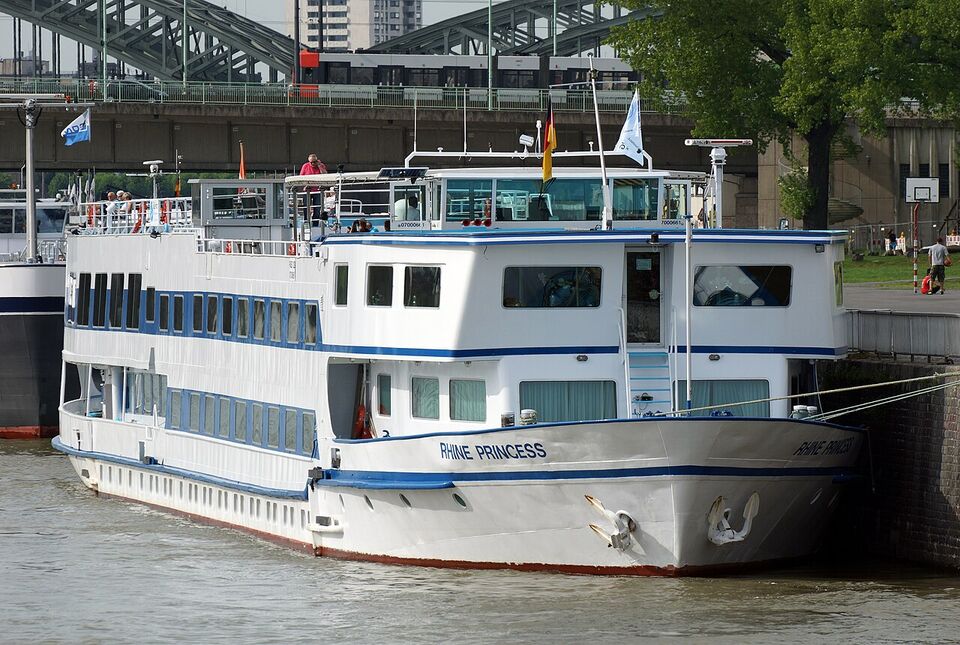
River cruises are small-ship trips where the ship is your hotel and the scenery moves past. In the Netherlands, two themes dominate: Rhine itineraries that link Amsterdam with cities in Germany and sometimes farther up the river toward Switzerland, and tulip-time cruises in spring that stay on Dutch and Belgian waterways. The specifics change by line and year, so we describe the pattern rather than a schedule.
- Tulip-time sailings: usually run in spring so that guests can visit Keukenhof when it is open (March 18 to May 9, 2027). Typical stops may include Amsterdam, Rotterdam, Kinderdijk, and Belgian cities such as Antwerp, depending on the line.
- Rhine routes: often start or end in Amsterdam and run through Germany. Check which end you fly into, since the first or last night in Amsterdam is easy to extend.
- Dutch waterway loops: shorter trips that stay inside the Netherlands and Belgium, often with bike or walking excursions.
We have not confirmed any specific line's 2027 schedule, so check the cruise line's itinerary pages. Ask what is included. Many river cruises bundle meals and some excursions, and drinks and gratuities vary. For the wider picture of crossing borders by train or ship, see Belgium and Beyond.
Where ships dock
Amsterdam
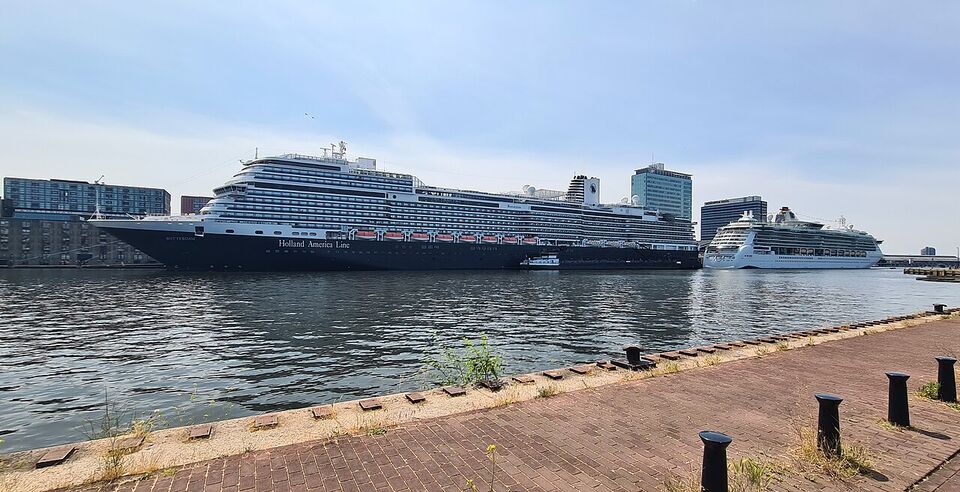
Sea cruise ships use the Passenger Terminal Amsterdam (PTA), a terminal east of Centraal Station on Veemkade. A 2024 report said the port had been receiving up to 150 cruise calls a year with more than 300,000 passengers, and that the terminal would be limited to one berth a day. The same report said annual sea cruise calls would be capped at 100 from 2026, that all ships would be required to use shore power by 2027, and that the council also voted to halve the number of river cruise ships calling at Amsterdam. That report is a secondary source from 2024, so confirm the current limits with the city or your cruise line.
River ships dock at quays in or near the city. The exact quay depends on the line and the day, and it affects how far you walk or ride. Ask your cruise line for the dock, the shuttle plan and the walking time to Centraal Station.
Rotterdam and the Kinderdijk area
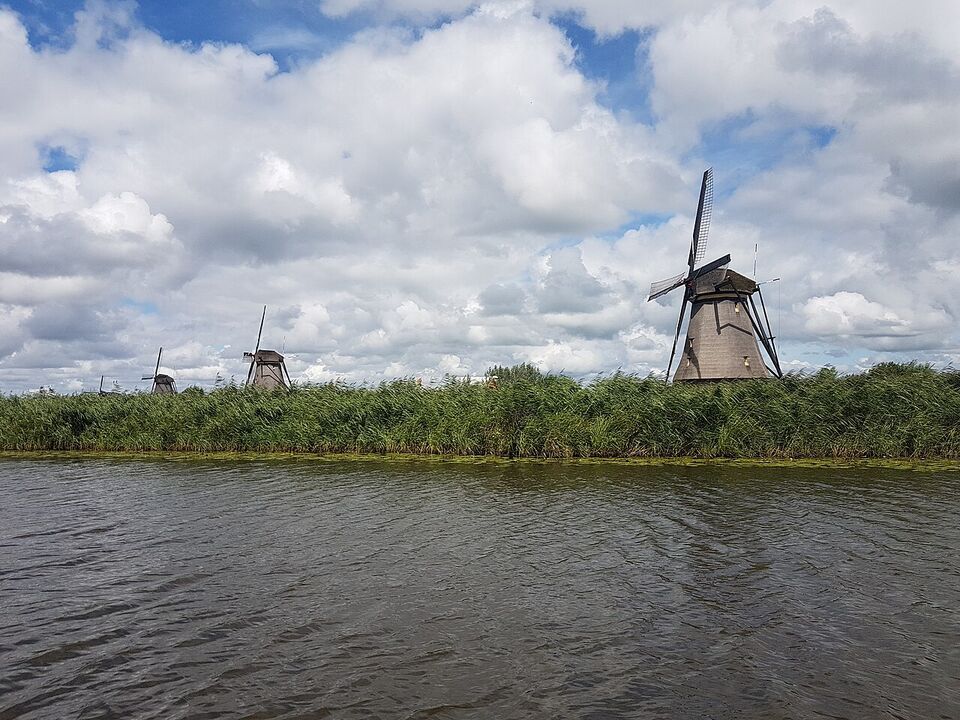
Rotterdam already hosts some sea cruise calls, and a 2024 report said the city could take 40 sea cruises that Amsterdam would no longer accept, with some ships offering bus tours to Amsterdam from there. River itineraries often stop in the Rotterdam area to visit Kinderdijk, the UNESCO windmill site. Ships may moor in or near Rotterdam or in smaller river towns, and you reach the windmills by a short bus or a boat. The WaterShuttle between Rotterdam and Kinderdijk takes about 30 minutes and carries bikes, and Kinderdijk tickets are €21 (about $24) for adults or about 10% less online. For details, see Windmills and Rotterdam.
The Amsterdam sea cruise terminal and the plan to move it
Amsterdam has been trying to reduce cruise traffic for years, citing noise, air pollution and crowding in the center. The 2024 council decision aimed to eventually move the terminal out of the city center, with a target of 2035 for relocating it from Veemkade to Coenhaven, an industrial area west of the center. Some ships had already used Coenhaven, and passengers complained about access, so cruise lines ran buses to the center.
In June 2026, DutchNews reported that the new city administration (a coalition of GroenLinks-PvdA, now called PRO, and D66) planned to close the cruise terminal east of the main railway station to stop sea cruise ships from visiting the city. NL Times reported that the coalition agreement would force the terminal to leave. Neither report gave a closing date, so treat the closure as a plan. If you have a sea cruise that calls at Amsterdam, ask your line how it expects to handle the stop in your sailing year, and check the city site for the current position.
Watch out
Do not assume your itinerary will stay the same. If you book a cruise for 2027 or later that lists Amsterdam, a line may switch the port to Rotterdam or elsewhere, with a bus or train transfer. Ask what the cruise line will do if the stop changes, and read the cancellation terms before you pay.
What to do on a port day
A port day runs on the ship's clock. Know your all-aboard time, work backward and leave a buffer of at least an hour. In the Netherlands, most things you want to reach are connected by train or tram, and the stations are central.
Amsterdam on foot and by tram
Walk from the terminal or take a tram to the center and see the canal ring. Booked-ahead museum tickets are the key, since many sell by timed slot. See Museums in the Netherlands.
Canal cruise
A standard canal cruise runs about 75 minutes. Blue Boat listed its city canal cruise at €26 (about $29) per adult, shown without tax, so check the final price at checkout. City Card holders ride at major operators without booking.
Haarlem by train
A calm option with a historic center and several trains an hour. See Haarlem.
Zaanse Schans
Windmills and crafts. The village is free to walk, and the mills charge separately.
Keukenhof (spring only)
A long day from a ship. Book a timed ticket and a bus, and allow a generous return buffer.
Cycling
Cycling is easy if you know the rules. Free ferries cross the IJ behind Centraal Station. See Cycling in the Netherlands.
If you only have a few hours, pick one thing. For a longer stay, a regional travel ticket can save time and money. An Amsterdam & Region Travel Ticket costs €23 (about $26) for one day in 2026 and covers trains, trams, buses and metro in the region, including the line to Zaanse Schans. Compare it with tapping a contactless card on each ride.
Independent or ship excursion?
Both approaches work, and the best choice depends on the stop.
| Option | Good for | Trade-off |
|---|---|---|
| Independent | Amsterdam, Haarlem, Zaanse Schans, canal cruises | You manage transport and tickets; you must get back on time |
| Ship excursion | Keukenhof or far sites on a tight schedule | Costs more and follows a group pace; the ship waits for its own tours |
| Private guide or driver | Small groups, mobility needs | Higher cost; check cancellation terms |
Independent travel is simple in the Netherlands because trains, trams and ferries are frequent and card payments are standard. The trade-off is risk: if a train is delayed, the ship may not wait. Leave a generous buffer, and keep the ship's emergency number on your phone.
Save money
If you want to see Amsterdam and Haarlem, an independent day with a one-day regional travel ticket usually costs far less than two excursions. Compare the ship's excursion prices with the real costs of the train, entry tickets and lunch before you book.
Mobility, bikes and walking
Old Dutch cities have cobblestones, narrow pavements, steep canal bridges and stairs in older buildings. If walking is hard for you, ask your line about accessible excursions, and check each attraction's access details in advance. The Amsterdam tourist board publishes information on accessible transport and hotels.
Bikes are a different matter. They are everywhere, they move fast and the lanes are marked in red. Americans often stand in bike lanes or step out without looking. Stay out of the red lanes unless you are riding, and look both ways before crossing. If your ship carries or rents bikes, ask for a briefing. The WaterShuttle to Kinderdijk allows bikes on board. We did not confirm the rules for bringing bikes on NS trains, so check ns.nl before you plan a train and bike day.
Tulip-season demand
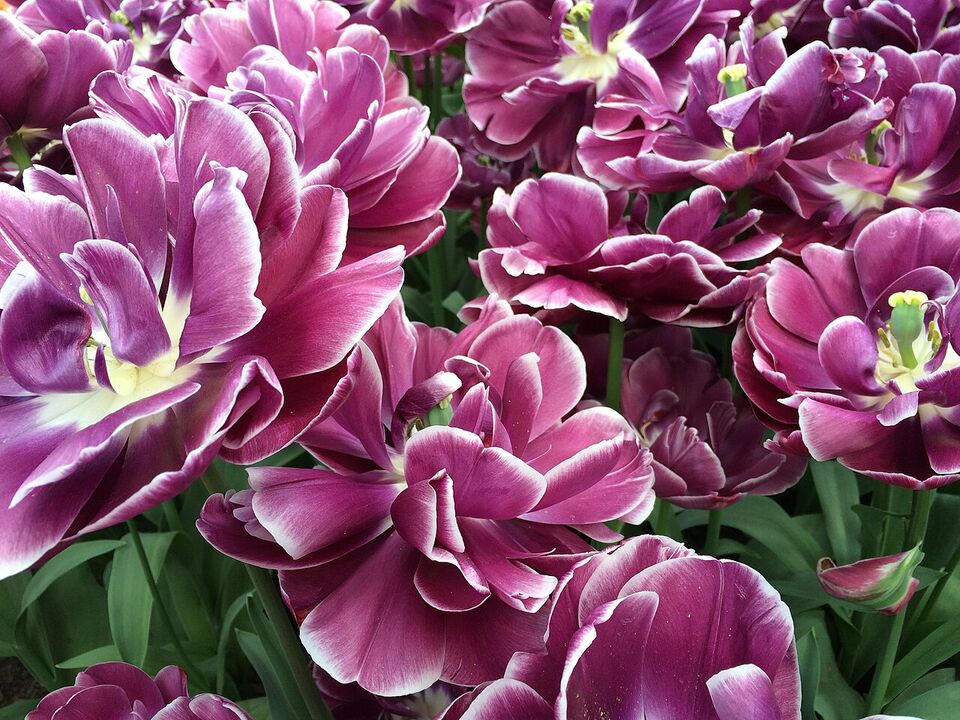
Spring is the busiest cruise season in the Netherlands, because Keukenhof is open from March 18 to May 9, 2027, and the fields bloom roughly from late March to early May. Keukenhof counted more than 1.4 million visitors in 2026. A flower parade also runs through the bulb region in spring; check its date on the organizer's site, and expect that day to be the busiest of all.
- Book your cruise early, since tulip-time cabins are in demand.
- Book Keukenhof timed tickets as soon as they are on sale if you plan a port-day visit.
- Weekday port calls are usually calmer than weekends.
- Remember the weather: spring days range from about 50°F (10°C) in March to about 64°F (18°C) in May, and showers are common.
See Tulips and Keukenhof for the bloom, tickets and rules about the fields.
Adding days before or after
Most river cruises start or end in Amsterdam, and the flights often arrive early or leave late. Adding a night or two on each side gives you rest and a buffer against flight delays. Schiphol is about 14 to 17 minutes by train from Amsterdam Centraal, and a single ride costs about €5.50 (about $6). See Schiphol Airport Transfers for the details.
Hotel costs include VAT, which rose to 21% from 9% on January 1, 2026, plus Amsterdam's tourist tax, which is 12.5% of the room price in 2026. The city council approved an increase to 16% for 2027. Taxes and rates change, so check the final price when you book. For where to stay, see Where to Stay in the Netherlands.
Before you book
- Ask your cruise line where your ship docks and how far that is from the center.
- Check the line's plan if the Amsterdam terminal closes or changes.
- Note your all-aboard time and leave an hour of buffer.
- Reserve timed tickets for museums and Keukenhof before you sail.
- Carry a contactless card for trains, trams and small shops.
- Add a night before or after if you can.
Add it to a route in the trip builder, or ask us to plan the hotels, trains and guides for you.