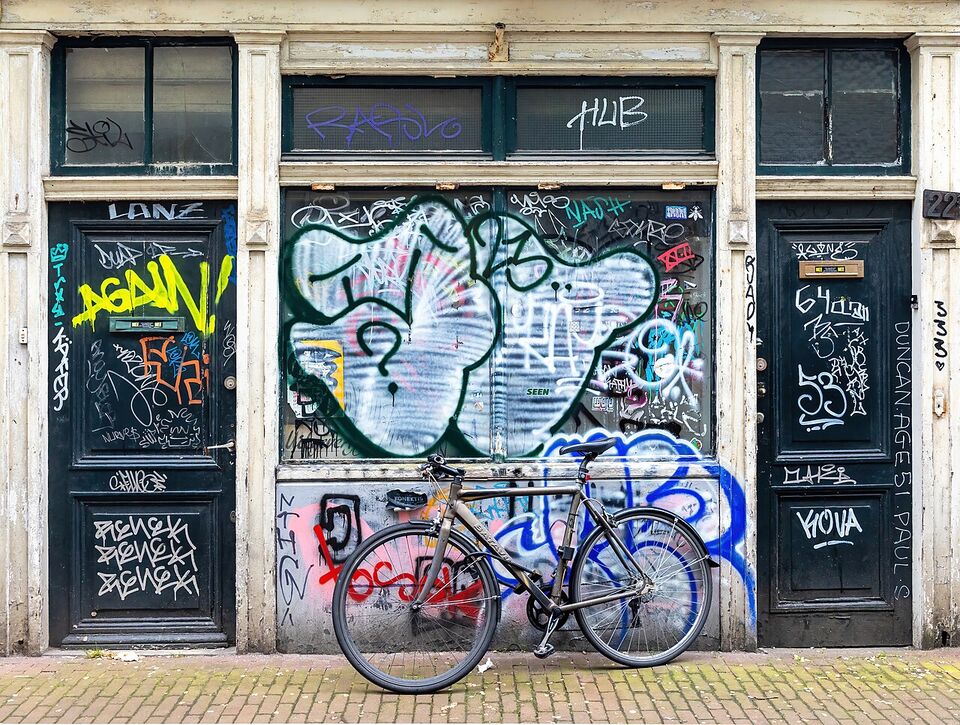
Dutch manners in short
The Dutch are informal, direct, punctual and private, and they value equality and fairness over ceremony. Most Americans find them friendly and a little blunt. The main adjustment is to expect straight answers, short conversations with strangers and no fuss about status, and to give the same in return. Manners are simple, and a visitor who is polite, on time and respectful of bikes and neighbors will be fine.
This page covers the things that actually trip visitors up: directness, the word gezellig, being on time, English and Dutch, greetings and invitations, dining and the bill, queues, bike lanes, noise and privacy, dress, photography, public toilets, tolerance and what not to say. It is about customs, not stereotypes. People differ, and the Dutch are as varied as any other country's.
For related guides, see Dutch phrases, Dutch food, drinks, cycling and safety.
Directness is not rudeness
Dutch people tend to say what they mean without padding. A restaurant server may tell you plainly that a dish is not good today. A shop assistant may say "no" without an apology. A colleague or host may give frank feedback. There is a well-known Dutch saying, roughly "just act normal, that's crazy enough", which sums up a preference for plainness over display.
In practice this means three things. First, do not read bluntness as hostility: a short answer is usually efficient, not cold. Second, you can be direct too. If you do not want something, say so politely and clearly rather than hinting. Third, do not be offended by a straight no or a correction. The Dutch treat honesty as a courtesy, since it saves everyone's time and spares them the guessing.
Different from home
American service culture runs on enthusiasm: "Hi, how are you today?" and "Have a great day!" Dutch service is shorter and more neutral, and it is not unfriendly. A quick "Hoi" and a clear order is normal, and you do not need to fill the pause with small talk.
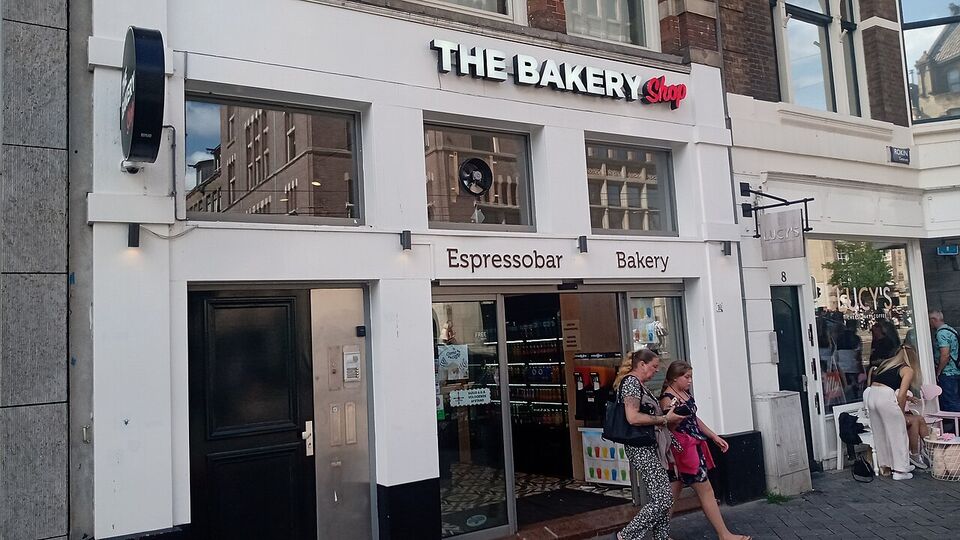
Gezellig and the missing small talk
Gezellig (khuh-ZEL-ikh) is the Dutch word that visitors hear most and translators struggle with. It means cozy, convivial and warm, and it describes a candle-lit café, a long dinner with friends, a Sinterklaas evening or a crowded but happy terrace. Its opposite is ongezellig. If someone says your plan sounds gezellig, it is high praise. Use it for your own evenings too.
The flip side of gezellig is the "no small talk" feeling. In shops, on trains and in lifts, the Dutch often do not chat with strangers, and you may find the quiet slightly cold. It is not. Interactions are brief and practical and then stop. A real question such as Hoe gaat het? (how are you?) is a real question and you will get a real answer. That is the cue to watch for: if someone starts a conversation, it is because they want one, and you can stay as long as you like.
The easiest way into conversation is a practical topic: the weather, food, bikes, the town, where you are from. The Dutch like to talk about travel, politics and sports, and they are curious about American politics, though they may ask pointed questions. Expect the same frankness you meet elsewhere in the conversation.
Punctuality and planning
Being on time matters. Dutch calendars are planned well ahead, and friends often schedule dinners weeks in advance. For appointments, reservations, tours and timed museum tickets, arrive on time or a few minutes early. For a social invitation, being a few minutes late is acceptable, but arriving much later without a message is not. If you are delayed, send a text. Do not be surprised if a restaurant gives your table to someone else after a short wait.
Timed tickets, such as those for the Anne Frank House and the Rijksmuseum, are strict about start times. See the Anne Frank House and museums guides for how booking works. Trains are generally punctual, and their schedules are tight; see trains and transit.
It also means you should not turn up unannounced at someone's home. The Dutch plan visits, and a spontaneous knock is unusual.
English and when to start in Dutch
English is widely spoken, especially in Amsterdam and the other cities, and it is often better than you expect. The Dutch usually switch to English the moment they hear an accent, and they do it to help you. That can be frustrating if you want to practice, but it is not a snub.
A good rule: open with a Dutch greeting (Goedemorgen, Goedemiddag, Dag), then say Spreekt u Engels? (do you speak English?) and let them choose. If they answer in English, continue in English. In very small towns and with older people, English is less certain, and trying a few Dutch words helps. Do not start a long speech in Dutch and expect to be understood. See Dutch phrases for the useful list and for how to say place names.
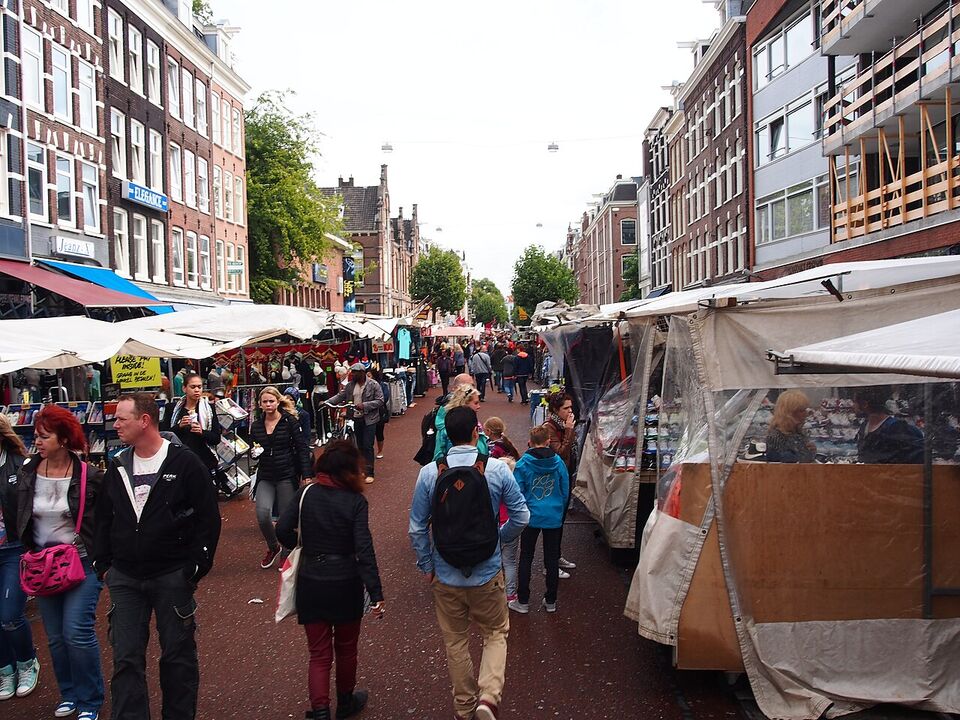
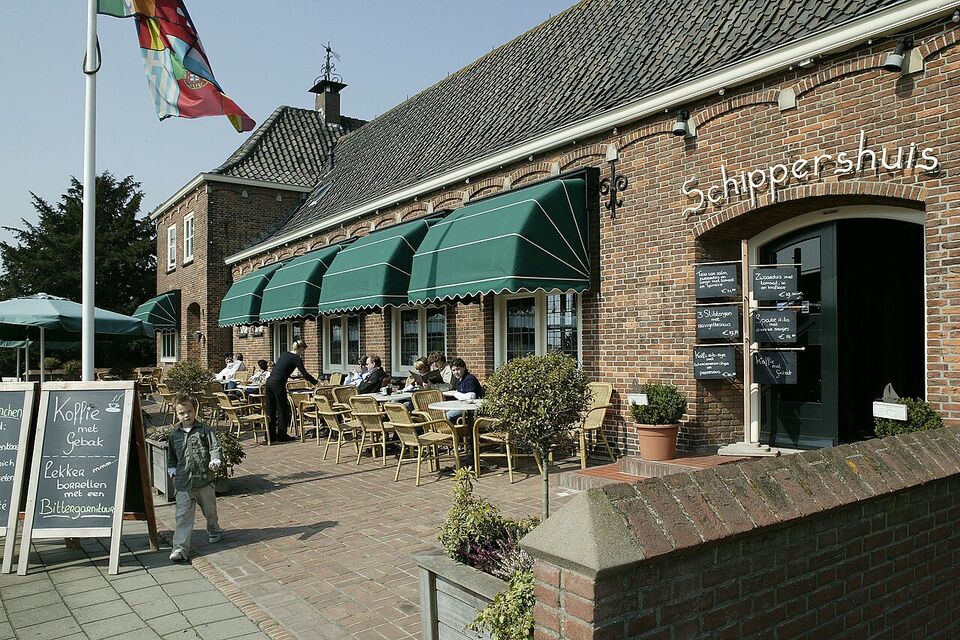
Greetings, invitations and gifts
Greetings
On a first meeting, shake hands, make eye contact and say your name. In business and with strangers, a handshake is standard. Between friends and family, three kisses on the cheek (left, right, left) are common, but follow the other person's lead and do not initiate it with someone you have just met. Men who know each other well may shake hands or hug. A short Hoi or Hallo is fine anywhere.
At parties, it is common to greet and congratulate everyone, including relatives of the person whose birthday it is, with Gefeliciteerd (congratulations). Birthday parties often take place in a circle of chairs with coffee and cake.
Invitations
If you are invited to a Dutch home, say yes or no promptly, because a vague answer causes confusion. Arrive on time. Many hosts serve coffee or tea with a cookie, and traditionally one cookie per cup; wait to be offered another. Dinner starts early, often at 6 p.m. or soon after. It is polite to ask whether to take off your shoes, as many homes expect it, and to compliment the meal.
Gifts
A small gift is appreciated: flowers (a bouquet is the classic), chocolates, or a bottle of wine. Do not go overboard. Gifts are modest, and a nice, thoughtful, simple one is better than an expensive one. At birthdays, the guest usually brings a small present and the host does not open it in front of everyone. When in doubt, flowers always work.
Dining etiquette, the bill and tipping
Dutch dining is relaxed. Wait to be seated in a formal restaurant, but in a café you can choose your own table. Keep your fork in your left hand and your knife in your right. Dutch people often eat sandwiches with a knife and fork, which can look odd to Americans. Before eating, someone may say Eet smakelijk (enjoy your meal), and you can reply with the same. A toast is Proost, with eye contact. See Dutch food for more on dishes and meal times.
The bill
Servers do not bring the bill until you ask. Say De rekening, alstublieft, or catch their eye. Splitting is normal and not awkward: ask to pay separately (apart betalen) as the group orders. The Dutch often settle exactly what each person owes, sometimes down to the cent with a payment app, and the habit comes from a belief in fairness rather than stinginess. If you invite someone and say it is your treat, the Dutch will accept it, but they may offer to pay next time.
Tipping
Service is included in restaurant prices. Rounding up or leaving a few euros for good table service is a common courtesy, not an obligation. No percentage is expected, and a server will not chase you for one. In a taxi or hotel, rounding up or a small tip for exceptional help is also a courtesy. See the money page for payment habits and card tips.
Queues, trains and public spaces
The Dutch queue in an orderly way, though without much ceremony. At bakeries, delis, cheese shops and some post offices, there may be a ticket machine where you take a number and wait for it to be called. If you see one, take a number rather than pushing to the front. On trains and trams, let people get off before you get on, keep your bag off the seat and stand to the right on escalators.
Some trains have quiet compartments, marked by a sign, where phone calls and loud conversation are discouraged. Keep your voice down on public transport in general. Eating a snack on a train is accepted, but strong-smelling food is not welcome.
Bike-lane etiquette
Bikes are the primary traffic in Dutch cities, and the lanes are theirs. Bike lanes, often marked in red asphalt in cities, run beside the road and sidewalk. The most common mistake Americans make is standing, walking or stopping on one to take a photo or look at a phone. Cyclists move fast and will not slow down for you. Look both ways before you cross a bike lane, as bikes can arrive from either direction and often travel faster than you expect, and listen for bells.
If you are on a bike, ride on the right in the lane, use hand signals to turn, and keep front and back lights on after dark, as the law requires. Do not ride on sidewalks, in shopping streets or on motorways. A bike left outside racks can be removed, and the city's fee for getting it back is about €25 (about $28). Helmets are not compulsory, but many visitors choose to wear one. Never park a rental bike on a bridge or in a doorway, and lock it every time. A day's bike rental in Amsterdam averages around €10 (about $11). See the cycling guide for rental details and safety.
Watch out
Do not cycle after drinking, and do not use your phone while riding. Tram tracks can trap a wheel, so cross them at an angle. If you are unsure, walk the bike.
Noise, privacy and the missing curtains
Dutch cities are compact, and in old centers people live above and beside the streets visitors walk through. Keep your voice down at night in residential streets and along canals, avoid dragging rolling suitcases over cobblestones after dark if you can, and do not shout or sing late. Amsterdam reported a record 21 million visitors (NL Times, November 12, 2026), and the city government has been open about the strain this puts on residents. Respect for neighbors is a core Dutch value, and a rowdy group is the clearest sign of a disrespectful tourist.
Many Dutch homes have large windows with no curtains, and the lights are on in the evening, so passers-by can see inside. This is commonly explained as a tradition of openness. Look away, do not stop to stare and never photograph the interiors of people's homes. Seeing in is not an invitation. The same value, privacy, is the reason people may be reluctant to talk about personal topics such as salary or religion with a stranger.
Dress code
Dress is casual almost everywhere. Jeans, sneakers and a jacket are fine for sightseeing, museums, most restaurants and even the theater. Locals tend toward practical, understated clothing: dark colors, good shoes and a rain jacket. Smart-casual is enough for the nicest restaurants. Shorts are common in summer. Comfortable walking shoes matter more than fashion because of cobblestones and bikes. In churches, including the large ones in Delft, Haarlem and Utrecht, covering bare shoulders is respectful. See the packing list.
Photography
Photography in public spaces is generally fine, and canals and streets are easy to photograph. Still, ask before photographing a stranger up close, especially a child, and respect a "no".
The Anne Frank House does not allow photography inside, to protect the original items and avoid disturbing other visitors, and many other museums have their own rules for flash, tripods and specific galleries. Check each museum.
The Red Light District
In De Wallen, do not photograph or film the windows or the people working in them. Sex work is legal and regulated in the Netherlands, and the workers are professionals and residents entitled to privacy and respect. Do not point your phone at the windows, do not take selfies in front of them, do not knock on glass and do not make comments. The city restricts guided tours past the windows, and rules and signs change, so follow any posted instructions. Smoking cannabis in the streets of that area has been banned since May 25, 2023, with a €100 (about $112) fine. For more, read the Red Light District guide.
Public toilets
Public toilets in the Netherlands are not always free. Many on streets, in train stations and at tourist sites charge a small fee, often around €1 (about $1.10), and some accept only cards. The Zaanse Schans toilets, for example, charge €1 (about $1.10) and take only debit or credit cards, according to the site. Keep a few coins and a card handy. In some places an attendant sits by a saucer, and leaving a coin is customary.
Restaurants and cafés often reserve their toilets for customers, so buy a coffee and use theirs. Museums, department stores and some shopping centers have free toilets. In bars and clubs, you may find shared or gender-neutral toilets with separate stalls. Urinals on the street exist in some cities, mostly for men, and are a common source of surprise. If you are traveling with children, plan stops before you leave a museum or train.
Tolerance, openness and LGBTQ+ travelers
The Netherlands has a reputation for tolerance, and the word to know is gedogen, tolerating. It describes a pragmatic approach in which some things are not strictly legal but are tolerated under conditions, as with cannabis. It does not mean "anything goes", and the rules are specific. Cannabis possession of up to 5 grams and sale in licensed coffee shops are tolerated, not legal, and coffee shops may not sell to anyone under 18. The cannabis rules page explains the details.
The Netherlands was the first country to legalize same-sex marriage, in 2001, and LGBTQ+ travelers will find the cities generally open and welcoming, with holding hands in public common in Amsterdam, Utrecht, Rotterdam and The Hague. As anywhere, incidents of harassment happen, particularly late at night and in less central areas. See the safety guide, and the festivals page for Pride events.
A good rule is to treat the openness as a mutual respect, not a license. Dutch people value being left alone, and they value you leaving them alone too. Do not comment on other people's bodies, religion, clothing or relationships.
What not to say
- "Holland" for the whole country. Holland is two of the twelve provinces, North and South Holland. People from the other ten sometimes find the habit annoying. "The Netherlands" is always right, and "Dutch" is the word for the people and the language. Many Dutch people use "Holland" informally themselves, so this is a courtesy rather than a rule.
- "Everything is legal here." It is not. Drugs are illegal but tolerated within strict limits. See the cannabis page.
- Jokes about drugs and the Red Light District. Residents hear these constantly and tire of them. A tourist who treats their city as a theme park is the exact visitor the city asks to stay away.
- "Dutch courage," "going Dutch" and "Dutch uncle." These English idioms are often traced to old rivalries between England and the Netherlands and were not flattering. Many Dutch people shrug, but you can skip them. "Going Dutch" for splitting the bill is the one most likely to get a smile.
- "You all speak such good English." It can sound as if you expected otherwise. A simple thank-you works better.
- Comparisons with Germany or Belgium. They are different countries. Keep them separate.
- Strong opinions about Sinterklaas. The Sinterklaas season, with the saint's arrival in mid-November and gifts on December 5, includes traditions that the Dutch themselves debate. If it comes up, listen first and ask questions before commenting.
Insider tip
When in doubt, watch what the people around you do. If everyone is whispering on a train, whisper. If a café is full and no server comes, wait or go to the bar. The simplest rule is to be on time, say please and thank you, keep your voice down and stay out of the bike lane.
Add it to a route in the trip builder, or ask us to plan the hotels, trains and guides for you.