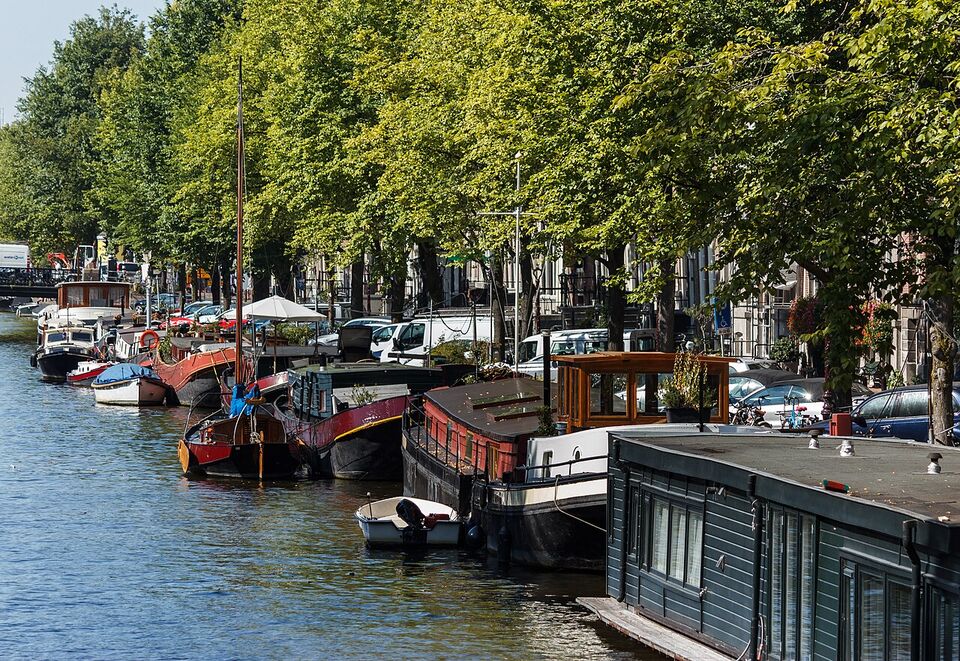
Overview: staying longer than a normal trip
Most Americans visit the Netherlands for a week or two as tourists. A longer stay, such as a month of slow travel, a semester, a work assignment or a move, raises different questions: how many days the rules allow, which permit you need, where you will live, how you will pay for things and how you will get care if you are sick. The answers depend on your purpose, so this page maps the decision points and says where to verify.
This page is general information, not legal or tax advice, and rules change. Always confirm the details on the official sites named below, especially ind.nl for permits, before you commit money. The Dutch immigration service (IND) is the authority for residence permits. For ordinary trips, see Entry Rules for Americans (EES) for the border rules and Plan Your Trip to the Netherlands for the usual planning steps.
The Schengen short-stay rule
The Netherlands belongs to the Schengen area, a group of European countries that share an external border. A US passport holder can visit for tourism without a visa, but only for a limited time. The limit is commonly described as 90 days in any rolling 180-day period, counted across all Schengen countries together. Time in France, Germany or Italy therefore uses up the same allowance as time in the Netherlands. We could not verify the exact wording on an official page as of November 2026, so confirm it, and your passport's validity requirements, on the EU's travel-europe.europa.eu site and with your airline.
Count carefully. The "rolling" part means you look back 180 days from any day you are in the area, not forward from a fixed start date. If you plan a long Europe trip, list every Schengen entry and exit, and ask an immigration adviser to check your count, or use an official calculator if the EU site offers one. Days in the United Kingdom, Ireland and several other European countries do not count, but check each country's own rules.
Two border systems matter in 2026. The EU's entry/exit system (EES) has been fully in use at Schengen external borders since April 10, 2026. On your first entry it takes a facial image and four fingerprints, and later crossings are lighter checks. Queues and procedures vary by airport. ETIAS, a new online travel authorization, has not started as of mid-November 2026; check travel-europe.europa.eu before you go for the latest on timing and any fee.
What happens if you overstay
Overstaying is a legal problem, not a technicality. Consequences can include a fine, being turned back on a later trip or an entry ban, and a record that border officers can see. The EES now logs entry and exit dates, which makes a long stay easier for officers to check. We did not find an official Dutch page describing the penalties, so we cannot give amounts. If you might exceed your limit because of illness, a missed flight or a change of plans, contact the IND or your embassy before the limit expires, not after.
Watch out
A permit application does not usually extend your tourist stay by itself. Ask the IND whether you may wait inside the country while a decision is made, and what documents prove that. Do not assume that a pending application protects you.
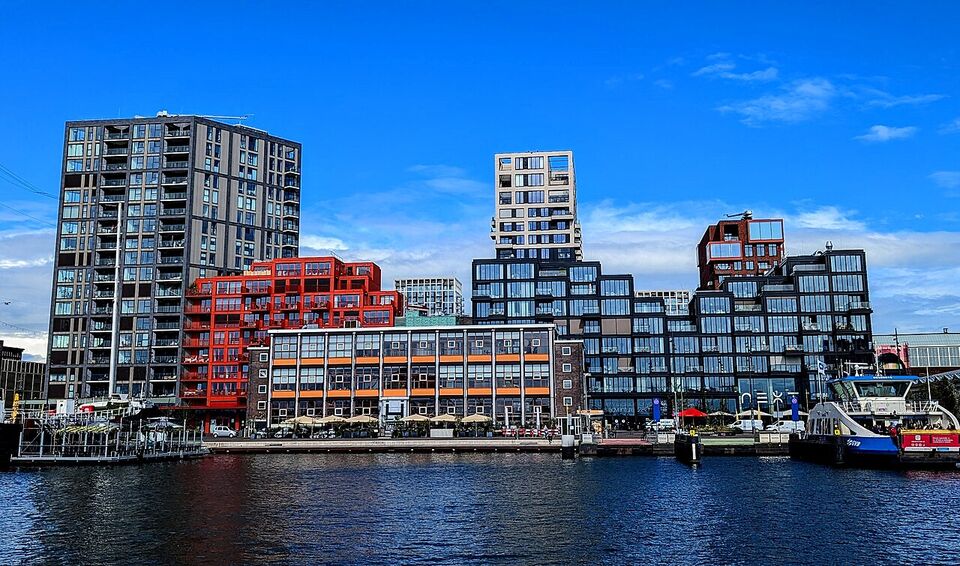
Visas and permits for longer stays
Living, studying or working in the Netherlands for more than the short-stay limit usually needs a residence permit. Which permit depends on why you are going, and each has its own conditions, fees and processing times. We cover only what we could confirm, and all of it should be verified on ind.nl.
The Dutch-American Friendship Treaty (DAFT)
The DAFT is a treaty route for US citizens who want to run a business in the Netherlands. According to a June 30, 2026 summary from the Dutch firm Grant Thornton, an applicant must hold US nationality and fit one of three categories: a key position at a US company, a free profession (self-employed professional work), or a substantial investment in a company of your own. The investment is usually €4,500 (about $5,040). The initial application fee in 2026 is €423 (about $474), and the IND has a statutory decision period of up to 90 days. The first permit lasts two years and can be extended by five more, if the requirements are still met.
Recent policy changes require the treaty conditions to be met within six months after the permit is granted, and extensions need accountant-validated accounts. The same source says that new arrivals sometimes struggled to open a Dutch bank account or register a company without a BSN, and that the requirements have since been adjusted. That source is a professional summary, not the IND itself, so treat these details as a starting point and check ind.nl.
Study, work and partner permits
Other routes include study at a Dutch institution, employment with a Dutch employer that sponsors you, and joining a partner or family member who lives in the Netherlands. We did not verify requirements for any of these on an official page, so we give no income thresholds, fees or timelines. Some permits begin with an entry visa issued by a Dutch embassy or consulate; the IND page for your purpose says whether yours does. If you want to know where to start, contact the Dutch representation that serves your US state, or an immigration lawyer.
Visiting couples sometimes ask about marrying in the Netherlands. The rules are not straightforward for two non-Dutch partners who live abroad, and the municipality will ask for specific documents. Ask the municipality and your embassy before you plan a ceremony.
Working remotely
Many Americans ask whether they can work from a laptop during a long stay. The honest answer is that it depends, and we could not verify the Dutch position as of November 2026. Working for a US employer while sitting in an apartment may be treated differently from taking Dutch clients or a local job, and it may have tax or social security effects the longer you stay. Do not rely on blog posts or forum advice. Ask the IND whether your planned activity is allowed on a tourist stay, and ask a tax adviser about your own situation.
If you do plan to work during a slow-travel month, choose a base with good rail links and reliable internet, and ask your host or hotel about their connection before you pay. Cafes, libraries and coworking spaces exist in the larger cities, but we did not verify prices or access rules.
What a realistic slow-travel month looks like
A month in the Netherlands fits within the short-stay limit, if you have not used up days elsewhere in the Schengen area. It is long enough to stop hurrying, but it is a small country, so the shape of the trip matters. We suggest changing base two or three times rather than staying in one city for four weeks.
- Week 1, Amsterdam: museums, canals and one or two day trips. Book timed tickets early, because slots at the Anne Frank House and Van Gogh Museum fill up.
- Week 2, Utrecht or Haarlem: a quieter pace, cycling, markets and short train trips to Leiden or The Hague.
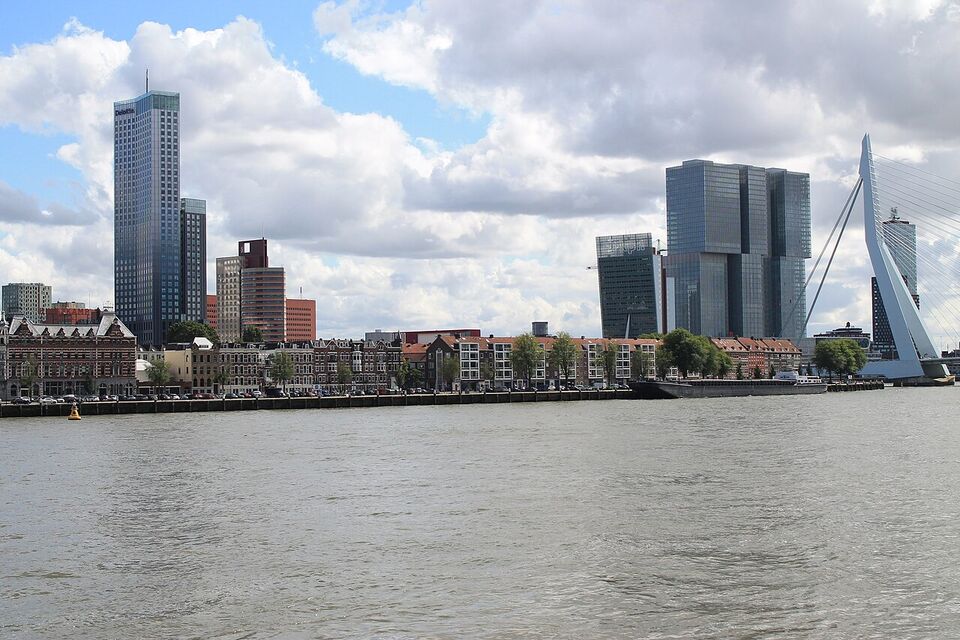
- Week 3, Rotterdam and Delft: modern architecture, food halls and Kinderdijk by WaterShuttle.
- Week 4, Maastricht or the east: a different region, hills and a different food culture, or Giethoorn and the Hoge Veluwe.
Trains make this easy. Most journeys between these bases take from under an hour to a couple of hours; check the NS app or 9292.nl for the times of your route. Our The Netherlands' Destinations page describes each part of the country, and Day Trips from Amsterdam lists easy outings from each base. For a month, a mix of apartments and hotels often costs less than hotels alone, but check the rules below before you book.
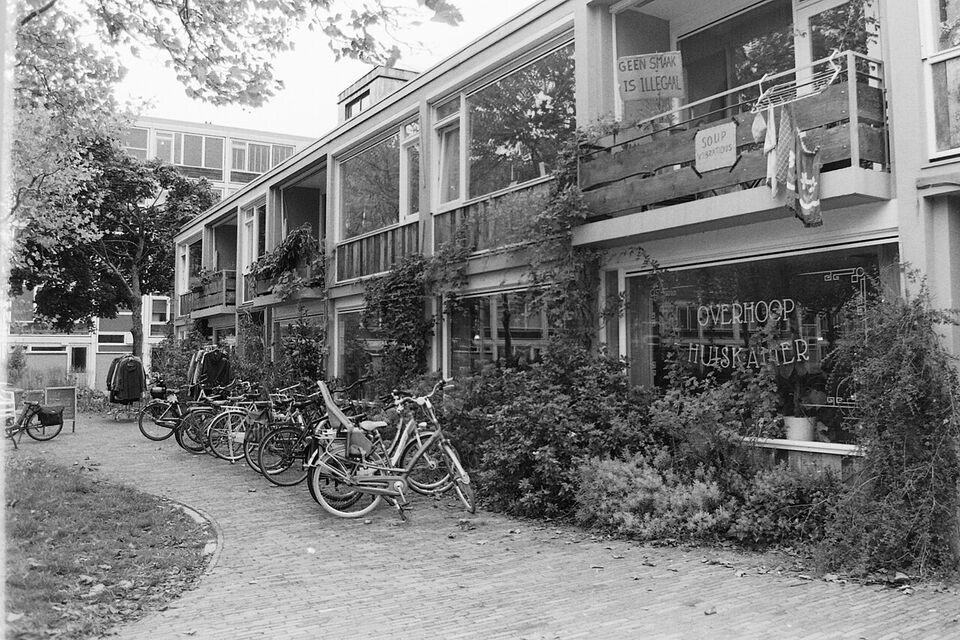
Housing: renting, registering and temporary stays
Housing is the hardest part of a long stay. The rental market in the big cities has been widely reported as tight, with competition for long-term homes, though we did not verify current figures. For a month or a few months, the practical options are hotels, aparthotels, furnished temporary rentals and rooms with a host.
Amsterdam limits short holiday rentals. An owner may rent out a home for up to 30 days a year, rentals for more than four people are illegal, and hosts must remit tourist tax. The rule is aimed at hosts, but it affects what you can book: ask any host for their registration details, and be wary of a listing that cannot show them. We did not verify the permit steps, which the city's page does not describe. Outside Amsterdam, other cities set their own rules, so ask.
Hotel stays carry 21% VAT since January 1, 2026, and Amsterdam adds a tourist tax of 12.5% of the room price in 2026, rising to 16% from 2027 and then by one percentage point a year toward 20%. Over a month, those charges add up, which is one reason a base in Utrecht, Haarlem or Leiden can be cheaper. See Where to Stay in the Netherlands and Netherlands Trip Budget Calculator.
Different from home
The Dutch use a citizen service number, the BSN, much as Americans use a Social Security number for banks, employers and insurers. Residents register with their municipality and receive a BSN; Amsterdam's site describes the "register and get your BSN" step for people moving from abroad. Ask your municipality when you must register. A tourist does not need one.
Health insurance
Check your coverage before a long stay. Many US plans cover little or nothing abroad, and Medicare generally does not cover care outside the United States. Ask your insurer exactly what is covered, how claims work and whether it pays providers directly. Travel medical insurance with evacuation coverage is a common add-on for long trips.
People who live and work in the Netherlands are normally expected to take out Dutch basic health insurance. We did not verify the rules on an official page, so ask the IND and a Dutch adviser about your situation, especially if you hold a residence permit. In an emergency, call 112. Our Health and Medical Care page lists what to prepare, and note that we found no verified official figures for hospital costs.
Banking, phones and taxes
For a short or medium stay, your US cards will do. Most places take contactless cards, though some refuse cash, so carry a contactless card and check your bank's foreign transaction fees. A Dutch bank account usually needs a BSN and an address, which is why opening one is difficult before you have registered. See Money in the Netherlands for cards, cash and the exchange rate.
For a phone, a local prepaid SIM is cheap. KPN Prepaid is €4.99 (about $6) including €10 (about $11) of credit, with bundles from €4 (about $4.50). Vodafone sells a prepaid SIM and a prepaid eSIM, with top-ups from €5 (about $6), and Odido prepaid top-ups run from €10 (about $11) to €50 (about $56). Data volumes vary and were not confirmed. Verizon's TravelPass is listed at US$10 a day of use abroad, but that comes from a secondary source, so check your carrier. Over a month, a local SIM usually costs less than a daily pass. See Phones, Data and Power.
Taxes deserve caution. US citizens generally remain subject to US tax filing wherever they live, and a long stay in the Netherlands, or Dutch income, can create obligations there too. We did not verify the thresholds, so talk to a cross-border tax adviser before a stay of more than a few months, or before you earn money in the Netherlands. Customs rules for goods you bring or ship are on the Dutch Tax and Customs Administration's site.
Bicycles, OV and getting around for a month
If you stay a month, a bike is the best transport. Amsterdam bike rental averages about €10 (about $11) a day, often from three hours; ask the shop about weekly rates. Follow the bike rules: lanes on the right, lights front and back after dark, no riding on footpaths. A bike left outside a rack costs €25 (about $28) to reclaim. See Cycling in the Netherlands.
For public transport, OVpay accepts contactless Mastercard, Visa, Maestro, Apple Pay and Google Wallet, and GVB caps Amsterdam travel at €10.50 (about $12) a day. American Express is not accepted. NS fares rose 6.5% on January 1, 2026 and rise by an average 4.7% in January 2027. OV-fiets rental is €4.80 (about $5) a day in 2026 and goes to €4.95 (about $6) in 2027. If you forget to check out of a train, you are charged the maximum fare of €33.30 (about $37), which is refundable afterward. NS and GVB also sell subscriptions for regular travelers, but we did not verify prices or whether visitors can buy them. See Trains and Transit in the Netherlands.
Community and language
English is widely spoken in Dutch cities, so a month of travel requires no Dutch. A longer stay is easier with some, and learning a little changes how people respond. Amsterdam's municipal site lists Dutch courses and support under "Learning Dutch." Try our Dutch Phrases page for phrases, and Dutch Etiquette for habits that surprise Americans, such as directness and punctuality.
To meet people, look for language classes, sports clubs, community libraries and coworking spaces. Newcomers to a city often find English-speaking groups through local noticeboards and expat news sites. We did not verify any group by name.
Checklist before a long stay
- Count your Schengen days and confirm the rule on travel-europe.europa.eu.
- Check your passport's validity against the current Schengen requirements.
- If you want a permit, read the IND page for your purpose and apply before you rely on staying.
- Ask your insurer what is covered abroad, and buy travel medical insurance.
- Book housing that shows its registration, and ask about taxes in the price.
- Bring a contactless card, a plug adapter and chargers that handle European voltage.
- Arrange a prepaid SIM or an eSIM, and check your carrier's day pass.
- Speak to a tax adviser if you will work or stay for several months.
Add it to a route in the trip builder, or ask us to plan the hotels, trains and guides for you.