What to drink in the Netherlands
The short answer: beer is the default drink, jenever is the traditional spirit, coffee is how the day is paced and the café is where most of it happens. Dutch drinking is relaxed and social, usually paired with a small plate of fried snacks, and people stay at a table for hours. The best way to enjoy it is to slow down and go along with it.
This page covers what to order and how, the brown café and the borrel, coffee and tea, the rules (including drinking age, public drinking and drink-driving), safety around nightlife and what to bring home. For the food that goes with all of this, see Dutch food; for manners at the bar and the table, see Dutch etiquette.
Prices on this page are rough ranges for planning, not quotes. Menus change and central Amsterdam usually costs more than a small town. The numbers on the board in front of you are the real ones.
Beer: pils, Trappist and craft
Pils and what to ask for
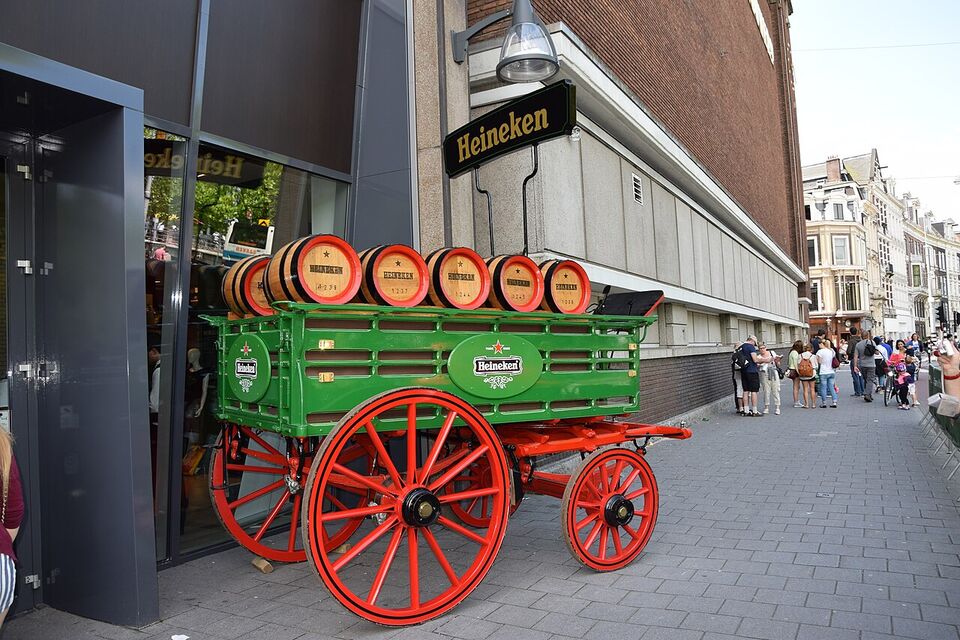
The default Dutch beer is a pale lager, called pils. Ask for een pils and you will usually get a small glass (often around 25 cl, about 8 oz, though sizes differ) with a head of foam. Larger glasses exist, but the small pour is traditional and the beer stays cold. A round of small beers is how the evening works, not one huge pint. The big brands have regional strongholds: Heineken in the west, Grolsch in the east and Bavaria in the south. Other common names include Hertog Jan, Dommelsch, Gulpener and Budels, and the Belgian lager Jupiler is also widely sold.
Expect roughly €3.50 to €5.50 (about $4 to $6) for a small pils in a café and more on a canal-side terrace in central Amsterdam. Those are estimates, and you should check the menu.
Trappist and abbey beers
Belgian-style specialty beers are popular, and so are Trappist ales brewed within monastery walls. A few Dutch ones exist, such as La Trappe from the Koningshoeven abbey near Tilburg, and Belgian Trappist beers are easy to find on a good beer list. Abdijbier (abbey beer) is a style label that does not always mean monks brewed it, so look for the Trappist seal if that is what you want. These beers are strong, often 6 to 10 percent alcohol, and are served in a matching glass. The usual styles on a Dutch menu are dubbel (dark and malty), tripel (golden and strong), blond and quadrupel (very strong). Go slowly with a tripel after a day of walking.
Craft beer
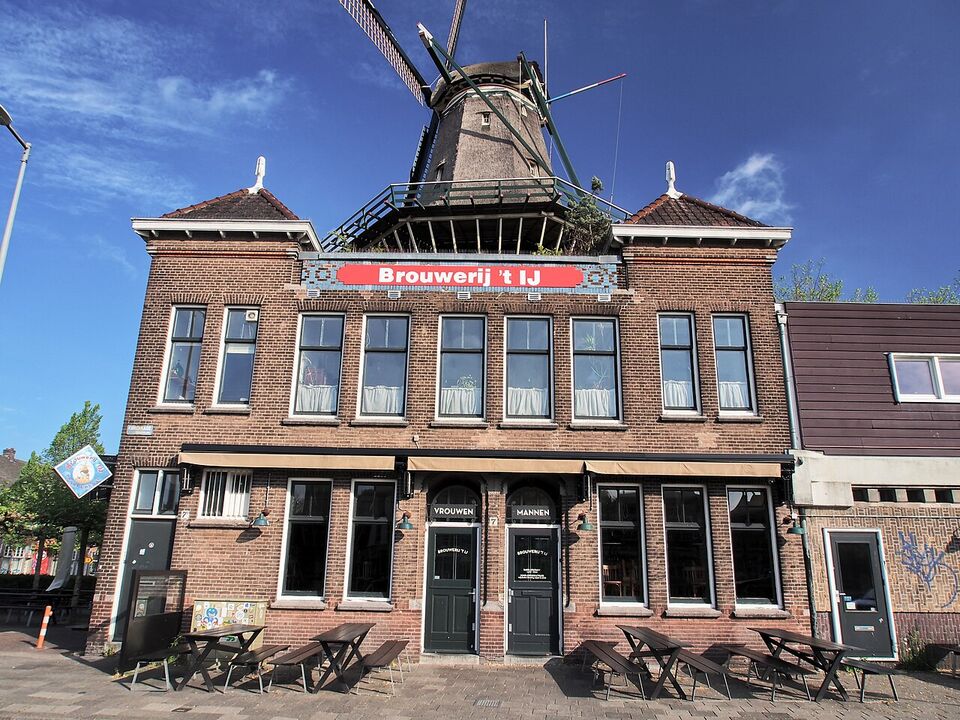
Craft brewing has grown since about 1990, especially in North Brabant and Limburg, and now covers IPAs, stouts, wheat beers and bock (bokbier, a strong dark seasonal style that usually appears in autumn). Brouwerij 't IJ, Jopen and Two Chefs are among the better-known Dutch craft brewers, and bars with a long tap list can be found in most cities. A craft beer in a bar typically costs roughly €5.50 to €8 (about $6 to $9). Check whether a brewery taproom is open before you make a special trip.
Brewery tours
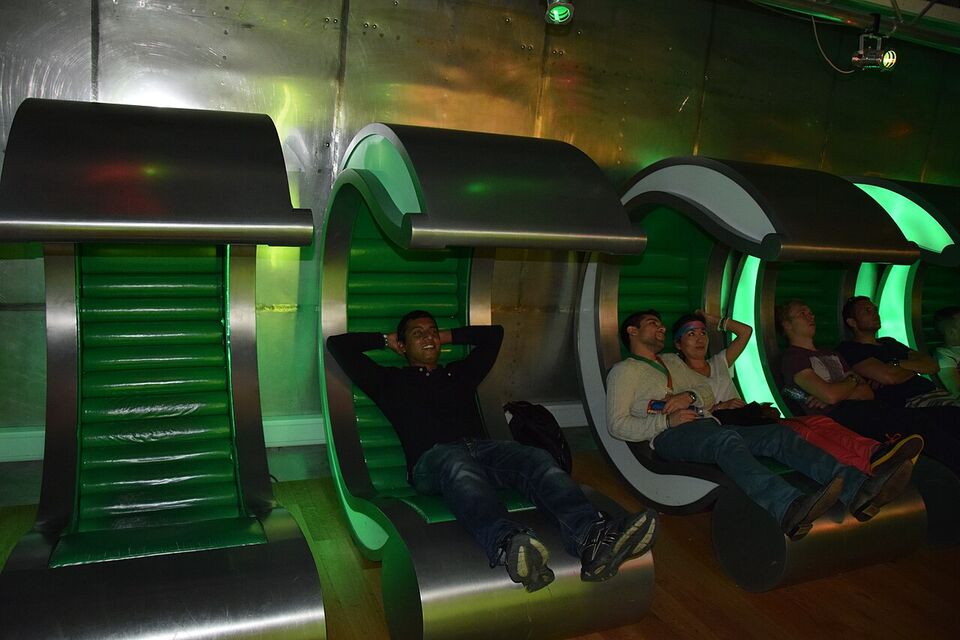
Brewery visits are a category, not just a Heineken activity. The Heineken Experience in Amsterdam lists a self-guided tour for €24.95 (about $28), a tour with rooftop access for €29.95 (about $34, about 2 hours with 2 drinks), a rooftop bar entry only for €15 (about $17) and a VIP guided tour with 5 beers for €65 (about $73). The adult category is 18+, hours vary by day (it opens at 10:30 a.m., and closing varies) and tickets are best bought online. Smaller breweries often run tours on set days only. In every case, book ahead, confirm age limits and check the current hours and prices on the brewery's own website.
Insider tip
If a beer list is intimidating, ask the bartender for a local or seasonal beer (Welk lokaal bier raadt u aan?, or just "What do you recommend?"). Dutch bar staff are usually happy to talk, and will often offer a taste.
Jenever, the national spirit
Jenever (also called genever) is a malty, juniper-flavored spirit and the precursor to gin. It has been drunk in the Netherlands for centuries and is closely tied to the western part of the country, though the northern city of Groningen is also known as a jenever city. In the north, Friesland has its own spiced bitter called Beerenburg.
Young versus old
The two main types are jonge (young) and oude (old) jenever. These words describe the production style, not necessarily the age in the bottle. Young jenever is lighter, cleaner and closer to vodka. Old jenever has more malt wine in the mix, so it is richer, rounder and sometimes golden or barrel-aged. Fruit-flavored versions, such as berry jenever, are also common. If you like whiskey or aged rum, start with an old jenever. If you like gin, start with a young one.
How it is drunk
A proper pour is served in a small tulip-shaped glass filled right to the rim, kept cold. Many people bend down and take the first sip off the top without lifting the glass, so nothing spills. A kopstootje (literally "little head-butt") is a glass of jenever served alongside a small beer. The two are alternated: a sip of one, a sip of the other. A single glass is typically around €4 to €7 (about $4.50 to $8). It is strong, so sip it.
The word borrel can mean the drink itself, and it also means the early evening drinks hour, so you may hear someone say they are going for "een borrel" without any jenever in sight.
Brown cafés and the borrel
A bruin café (brown café) is the traditional Dutch pub. The name is usually explained by the walls and ceilings darkened by decades of smoke. Expect dark wood, a long bar, small tables, a cat or a candle on the counter, a chalkboard and a calm, cozy atmosphere. This is what the Dutch call gezellig, a word that means a warm, easy, sociable feeling. See Dutch etiquette for more on that word.
Brown cafés serve beer, jenever, wine, coffee and tea. Many offer simple food: soup, a sandwich, an uitsmijter and the classic snacks. In the old centers of Amsterdam, Utrecht, Haarlem and other cities, you will find them on side streets and by canals. See the Amsterdam neighborhoods page for areas that suit an evening out.
The borrel
The borrel is the Dutch version of after-work drinks, usually between about 5 p.m. and 9 p.m., especially on Friday afternoons. It means a drink and a plate of savory snacks to share: bitterballen with mustard, cheese cubes, kaasstengels (cheese sticks), spiced nuts and vlammetjes (spicy fried rolls). A mixed snack board is easy to order. It is a good, inexpensive way to eat in the early evening, especially if dinner is late for you. See Dutch food.
Different from home
There is no happy-hour rush and no bartender hovering for the next order. Dutch bars expect you to settle in and order when you are ready. Cocktail menus, if any, are shorter than at home, and drinks are generally served without the large ice pour that Americans expect.
Coffee
Coffee is part of daily life. At home and in offices the Dutch drink filter coffee, with the famous tradition of one cookie per cup. In cafés you will find the full range, from espresso and cappuccino to flat whites. A plain koffie is black filter coffee, usually served with a small cookie or a piece of chocolate on the saucer, and milk or sugar on request. A cup is typically around €3 to €4.50 (about $3.40 to $5).
Koffie verkeerd
Koffie verkeerd ("wrong coffee") has about equal parts coffee and hot milk. It is the closest thing to a latte or a café au lait, and it is a good order if black coffee is too strong. If you want an American-style large coffee, you can ask for an Americano, but sizes are smaller than in the US and free refills are not normal. Iced coffee exists but is less common.
Coffee shop versus café
This is the most important word in the whole page. In the Netherlands, a coffeeshop is a licensed outlet that sells cannabis, not a place for a coffee. If you want coffee and pastry, ask for a koffiehuis, a café or a lunchroom. The legal position, in brief: cannabis remains illegal, but possession of up to 5 grams and sale by licensed shops are tolerated, shops may not sell to anyone under 18 or sell more than 5 grams per transaction, and no alcohol may be sold or consumed in them. Smoking cannabis on the street in the Red Light District has been banned since May 25, 2023, with a €100 (about $112) fine. Take nothing across a border. For the full rules, see the cannabis rules page.
Tea and other warm drinks
The Dutch usually drink tea weak and without milk. Cafés now offer fresh mint tea (verse muntthee) and fresh ginger tea (verse gemberthee), made with leaves or sliced root in a glass of hot water, and these are popular alternatives to coffee. Expect roughly €3 to €4.50 (about $3.40 to $5). In autumn and winter you will also see hot chocolate and chocomel (chocolate milk, hot or cold). Anise milk (anijsmelk), a traditional warm drink, is rarely ordered now. If you want milk in your tea, ask for it.
Terraces, ordering and paying
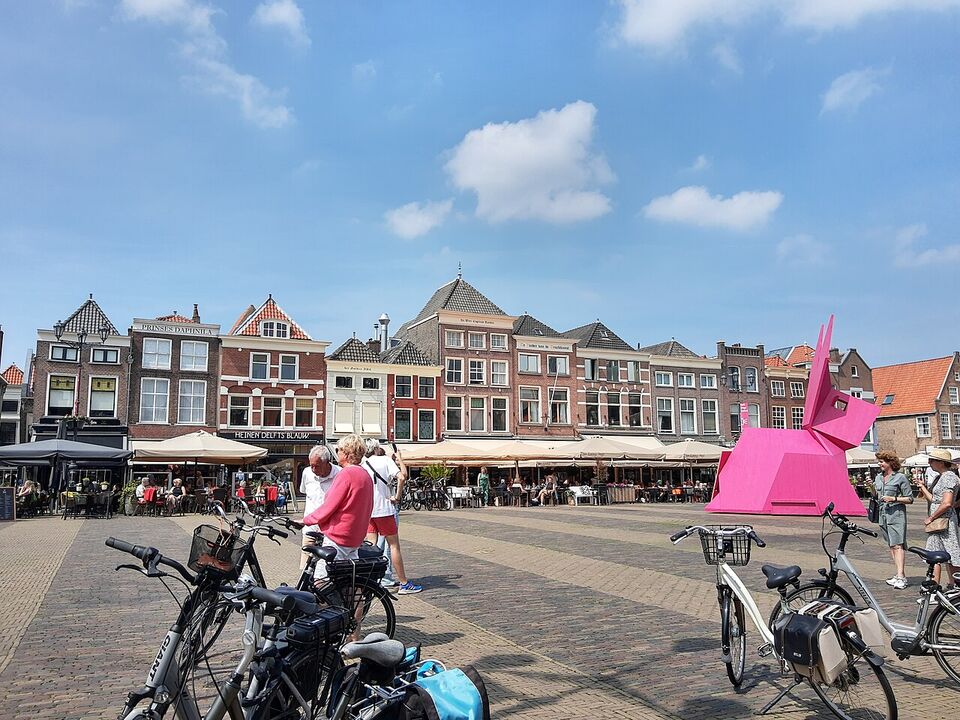
Terrace culture is strong. The first warm day of spring fills every outdoor seat, and many cafés keep terraces open all year with blankets and heaters. Chairs often face the street, so you watch the passing bikes and boats, and nobody will rush you off the table.
Table or bar
In a traditional brown café, you can often order at the bar and carry the drinks back to a table. In a café with waiter service, sit down and wait for someone to come. If you are unsure, look at what the other customers do or ask Kan ik hier zitten? (can I sit here?). A server who sees you will come when ready.
Paying
At a table, you pay at the end: ask for de rekening (the bill) or say Mag ik afrekenen? (may I pay?). At a busy bar, many people pay as they order, and some venues open a tab. Payment by card is normal, and cashless venues exist, so carry a contactless card and ask before you order if you have only cash. Splitting is common: say apart betalen (pay separately) when you order or before the bill arrives.
Tipping
Service is included. Rounding up or leaving a few coins is a courtesy, not a duty, and no percentage is expected. See the money page.
The rules: age, public drinking and driving
Drinking age
As we understand the rules, the minimum age to buy or be served alcohol in the Netherlands is 18, and bars and shops often ask for ID from anyone who looks younger. Carry your passport or a photo copy of it. Older travelers who buy alcohol for younger teenagers or friends can also be in trouble, and shops may refuse a sale if they suspect it is for someone underage. Because these rules change, check the page on alcohol on government.nl before you go, particularly if you are traveling with teenagers. We have not confirmed the current wording, so treat this section as a pointer, not a legal summary.
Drinking in public
Whether you can drink alcohol on the street depends on the municipality, so look for signs. Some neighborhoods of Amsterdam post signs banning public drinking and cannabis smoking because of nuisance, and the Red Light District has had a tougher set of alcohol rules since 2023, including earlier closing times for bars and a crackdown on alcohol sales. The exact hours have been proposed and changed, so we leave them out: ask your hotel. See the Red Light District guide.
Where alcohol is sold
Beer and wine are sold in supermarkets. As we understand it, stronger spirits are sold mainly in liquor stores (slijterij), not in supermarkets. Hours and rules can vary, so plan ahead if you are shopping for a bottle.
Smoking and terraces
As we understand it, indoor tobacco smoking in cafés and restaurants is banned, so smokers go outside, and terraces are where you will smell smoke. Cannabis is a different matter: it is smoked only in licensed coffeeshops and some private places, and local rules apply.
Drink-driving and cycling
Driving after drinking is illegal in the Netherlands, and the limit for most drivers is lower than the 0.08% blood alcohol level that applies in most US states. Confirm the figure on government.nl before you drive. Cycling after drinking is also risky and may be policed, and fine amounts are not something we could confirm. Americans often assume a bicycle is exempt; do not assume that. Use public transport, a taxi or your feet, and see the cycling guide, the driving guide and the transit guide.
Watch out
Do not mix alcohol with cannabis. It is a common reason visitors become ill, and edible products have delayed effects. Eat, drink water and stop early. In an emergency call 112; see the safety guide and the health guide.
Tap water, soft drinks and wine
Tap water
Dutch tap water is generally considered safe to drink, and many people carry a refillable bottle. In a restaurant, say Mag ik een glas kraanwater? (may I have a glass of tap water?). Some places bring it free, some charge a small fee, and some prefer to sell bottled water. Sparkling water is bruisend or spa rood and still water is spa blauw, named after a popular brand. Water at a restaurant can add several euros to a bill if you order bottles, so ask for tap if that matters.
Wine and Limburg
Wine plays a modest role in Dutch drinking, mostly with dinner. The Netherlands does have a few vineyards, concentrated in the hills of South Limburg around Maastricht, producing mostly white wine in small quantities. If you are in Maastricht, a winery visit or tasting is an option, but check that the venue is open and whether you must book. See the Maastricht guide.
Save money
A bottle from the supermarket costs far less than a restaurant glass, and the early borrel menu is cheaper than dinner. Bring a bottle of tap water, and buy beer at the supermarket for a picnic where public drinking is allowed.
Safety in bars and nightlife
Most bars and cafés are relaxed, and visitors rarely have trouble. The sensible precautions are the same as at home. Keep your drink in sight, do not accept drinks from strangers and stay with friends. Spiked drinks are a risk in nightlife everywhere, including Amsterdam: if you or a friend suddenly feel dizzy, unusually drunk or unwell, tell the staff and a friend immediately, and get help. In an emergency, call 112.
Take extra care in crowded tourist streets, where pickpockets work, and where offers of cheap drinks or drugs from street sellers can be a setup. Walk away. Watch your bag in bars. If you plan a late night out, think ahead about how you will get back to your hotel, and keep the address saved. For city rules around cannabis and the Red Light District, read the cannabis rules and Red Light District pages.
Bringing drinks home
Jenever, craft beer and a bottle of local liquor are popular souvenirs. US Customs and Border Protection lists a $800 duty-free personal exemption that includes one American liter (33.8 fl. oz.) of alcohol; the page we checked was last updated in 2024, so confirm the latest on cbp.gov, and remember that state rules may differ. Pack bottles in checked luggage in padded wrapping, because liquids over the carry-on limit cannot go through airport security. A bottle of jenever is often 0.7 liter, so one bottle fits easily. See the shopping and taking things home page for more on what to bring and what to avoid.
Cannabis must never be taken across a border.
A quick glossary of orders
| Order | What you get | Typical cost |
|---|---|---|
| Een pils | Small glass of lager | About €3.50-€5.50 (about $4-$6) |
| Een speciaalbiertje | A specialty or craft beer | About €5.50-€8 (about $6-$9) |
| Een jonge/oude jenever | Young or old jenever, chilled | About €4-€7 (about $4.50-$8) |
| Een kopstootje | Jenever with a beer chaser | Varies by bar |
| Een wijntje | A glass of wine | About €5-€8 (about $6-$9) |
| Een koffie | Black filter coffee | About €3-€4.50 (about $3.40-$5) |
| Een koffie verkeerd | Half coffee, half hot milk | About €3.50-€5 (about $4-$6) |
| Verse muntthee | Fresh mint tea | About €3-€4.50 (about $3.40-$5) |
| Een glas kraanwater | Tap water | Free to a small charge |
These are estimates. See the phrases page for pronunciation of the words above and a longer list for restaurants and bars.
Add it to a route in the trip builder, or ask us to plan the hotels, trains and guides for you.