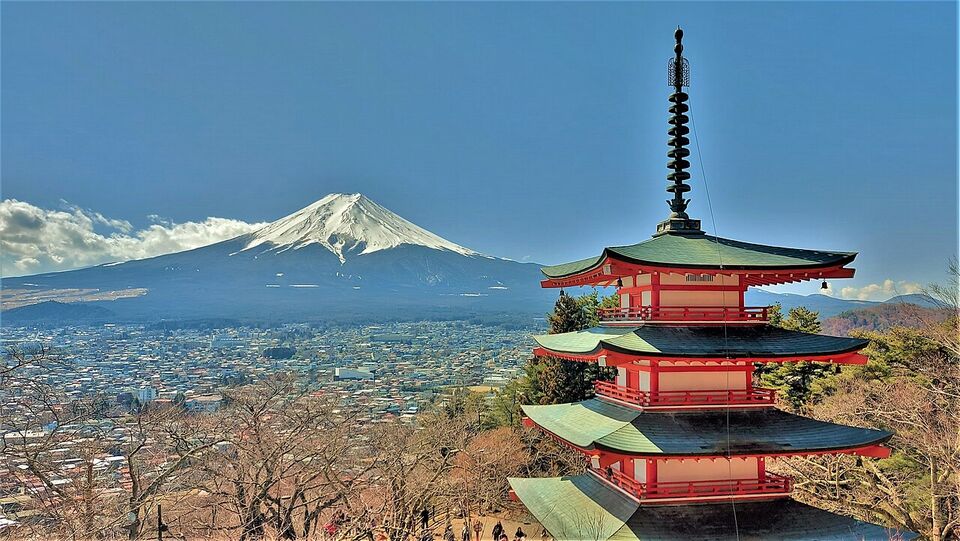
Pick Japan if you want the deepest menu of things to do: Tokyo, Kyoto, hot springs, bullet trains, mountains and islands, with polished transit, and you can handle more cash and more choices. Pick South Korea if you want a compact, late-night, card-friendly country built around Seoul, with palaces, markets, barbecue and K-culture, plus Busan one fast train away. Big first trips of ten days or more lean Japan; a week with one great city and an easy add-on leans Korea.
Better still, do both if you have ten days or more: Tokyo and Seoul are about two hours apart by air, in the same time zone. Just remember the paperwork differs: Japan asks for nothing in advance in 2026, while Korea's K-ETA waiver for Americans ends on December 31, 2026.
| Japan | South Korea | |
|---|---|---|
| Best for | Temples, Kyoto, trains, onsen, skiing, big first trips | Palaces, street food, barbecue, K-culture, late nights, a tidy two-city trip |
| Flight from the US | About 10 to 14 hours nonstop from the mainland US; LAX 11–12, New York about 14 | About 13 to 14 hours from the West Coast, 14 to 15 from the East Coast |
| Entry for Americans | Visa-free up to 90 days; Visit Japan Web optional | Visa-free up to 90 days; no K-ETA through December 31, 2026 |
| Airport to center | Haneda to Shinagawa ¥540 (about $3.50); Narita Express ¥3,140 (about $20) | AREX Express about 43 min, ₩9,500 (about $7) at 2022 fares |
| Fast train | Tokyo–Kyoto Nozomi ¥14,170 (about $90), about 2 hr 15 min | Seoul–Busan KTX about 2.5 hours; fares vary |
| Cash | Still common: ¥10,000–20,000 (about $64–127) a day | Cards widely accepted; cash for markets |
| Language | Japanese; English on major signs | Korean (Hangul); English on major signs |
| Plugs | Type A, 100 V (US plugs fit) | Type C and F, 220 V (bring an adapter) |
| Cherry blossoms | Tokyo full bloom about March 26–April 1 | Seoul late March to early April |
| US advisory | Level 1 (as of November 2026) | Level 1 (as of November 2026) |
Tokyo or Seoul as a first stop
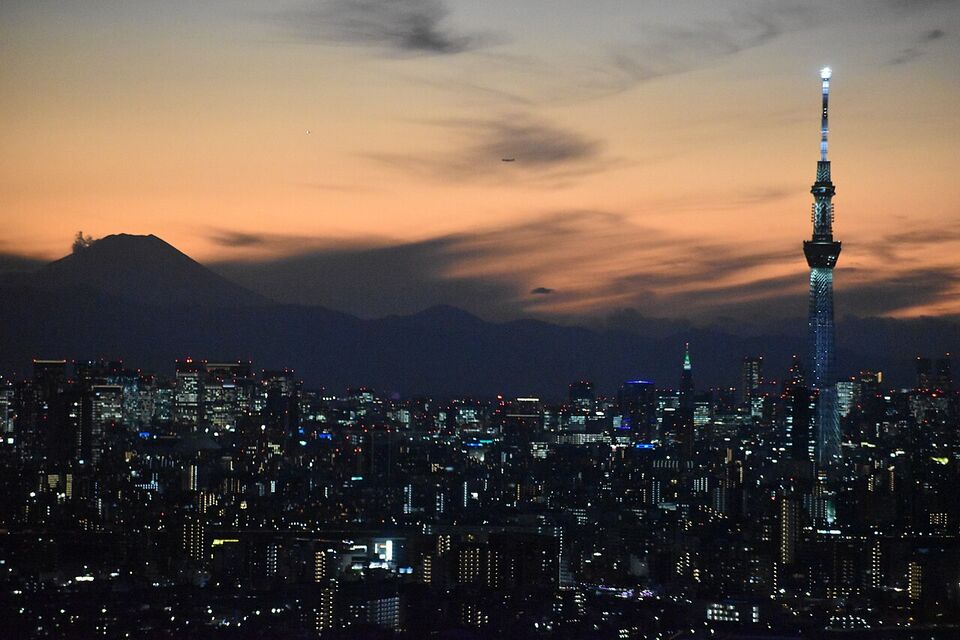
Tokyo works best as a cluster of cities that share a subway map. Base yourself near the JR Yamanote Line and tap an IC card at the gate. Four or five days suits most first-timers, and Tokyo is among the safest big cities in the world. What catches Americans out are small mechanics: which operator runs which line, cash-only restaurants and a last train gone by about 1 a.m. Shinjuku suits most first-timers as a base.
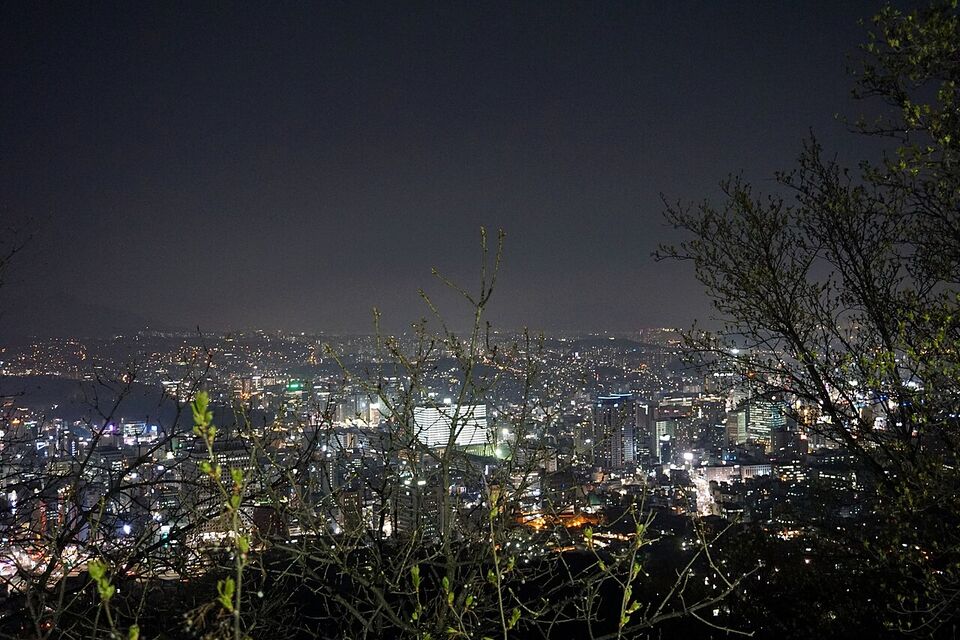
Seoul is easier to read: about 9.6 million people in a metro area of roughly 26 million, a subway that reaches almost everything and old palaces beside glass towers. Bukhansan rises to 2,744 ft (836.5 m) on the city's northern edge, and restaurants, cafes and bathhouses stay open late. Give it three full days, or four or five with a day trip. Tokyo is the door to Kyoto and all of Japan; Seoul is the better single-city trip. See Seoul neighborhoods and Tokyo sights.
Flights and the time difference
Both are easy to reach nonstop. Tokyo's Haneda and Narita have flights from Los Angeles, San Francisco, Seattle, Chicago, New York, Dallas, Houston, Atlanta, Honolulu and more. Typical block times: Los Angeles 11–12 hours, Seattle 10–11, Chicago about 13, New York about 14. New this winter: United flies Chicago to Narita daily from October 24, 2026, and San Francisco to Sapporo three times a week from December 11, 2026 through March 2027. See flights to Japan.
Nearly every flight to Korea lands at Incheon, with nonstops from a long list of US cities, including Atlanta, Chicago, Dallas/Fort Worth, Los Angeles, New York, San Francisco, Seattle and Washington Dulles. Asiana flights become Korean Air flights from December 17, 2026. See flights to South Korea. Schedules change by season, so confirm on the airline's site.
Japan and Korea both sit on UTC+9 with no daylight saving: 14 hours ahead of New York in winter (13 in summer) and 17 ahead of Los Angeles. You cross the date line, so you land a day after you leave. From the airport, Haneda is the closer, cheaper Tokyo airport, and Seoul's AREX Express runs non-stop from Incheon Terminal 1 to Seoul Station in about 43 minutes. See Incheon Airport transfers.
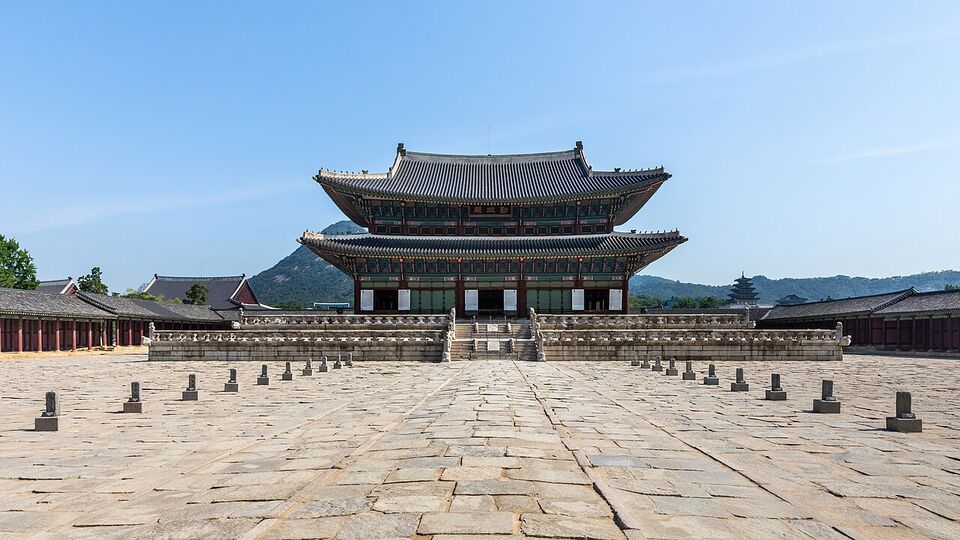
Entry rules: Japan visa-free, Korea's K-ETA
Neither country asks Americans for a visa for 90 days or less. Japan has no authorization to apply for in 2026; JESTA is planned for fiscal 2028 (April 2028–March 2029), with no date or fee yet. Visit Japan Web is free and optional but recommended: one QR code covers immigration and customs. Visitors 16 and older give fingerprints and a photo, you must carry your passport at all times, and Adderall and other stimulants are banned. A ¥3,000 (about $19) departure tax has been built into airfares since July 1, 2026. See Japan entry requirements.
Korea's K-ETA is the item to watch. US citizens are exempt from K-ETA through December 31, 2026. For travel from January 1, 2027, check k-eta.go.kr before you book. We found no official extension past 2026, and past extensions came late in the year, so do not assume. A K-ETA costs ₩10,000 (about $7.50), is usually processed within 72 hours and is not refundable; apply only at k-eta.go.kr or in the app, since look-alike sites charge far more. Visitors also complete the online e-Arrival Card before landing, on the official site only. See Korea entry rules for Americans and our entry requirements by country.
Costs: hotels, food and rail passes
Our two guides are not equally detailed on prices. Japan's lists many 2026 prices; Korea's lists only what it could confirm and says it could not confirm hotel or meal prices. Treat the table as a map of what we know, not a verdict that one is cheaper.
| Item | Japan | South Korea |
|---|---|---|
| Hotel | Business hotel ¥7,000–¥20,000 per room (about $45–127), from a March 2025 overview; busy-season city rates can be double | No 2026 rates confirmed; rooms fill early after record visitor numbers |
| Traditional stay | Ryokan with two meals ¥15,000–¥30,000 per person (about $96–191) | Temple stay ₩70,000–₩100,000 (about $53–$75) a night |
| Everyday meal | Noodles or a set meal ¥1,000–1,500 (about $6–10) | No menu prices confirmed; side dishes free |
| Subway | Tokyo Subway Ticket ¥1,000 (about $6.40) for 24 hours | Adult ride about ₩1,550 (about $1.20), as of June 2025 |
| Top sight | teamLab Planets ¥3,800 (about $24) | Gyeongbokgung ₩3,000 (about $2.50) |
| Rail pass | 7-day JR Pass ¥50,000–¥53,000 (about $318–338) | Korail Pass exists; price not confirmed |
Hotels. Japanese rooms are small and many places charge per person. Cities add a lodging tax: since March 1, 2026 Kyoto charges ¥200 to ¥10,000 (about $64) per person per night by room price, while Tokyo charges nothing under ¥10,000. See where to stay in Japan and in South Korea.
Rail passes. The JR Pass rose on October 1, 2026 for agency sales, though the official site still showed the older price in early November. It rarely pays off: a Tokyo, Kyoto and Osaka loop costs about ¥29,000 (about $185) in single tickets. Korea's Korail Pass covers most Korail trains including KTX, but not subways or the SRT. See is the JR Pass worth it?
Save money
Never tip in Japan, and choose yen or won whenever a terminal offers to charge you in dollars. Japanese izakaya add a small table charge of ¥300–500 (about $2–3).
Getting around: Shinkansen vs KTX
On the Tokaido line, Tokyo to Kyoto takes about 2 hr 15 min on the fastest Nozomi and Tokyo to Shin-Osaka about 2 hr 22 min. Book on smartEX or at station machines; reservations open one month ahead. Bags whose three dimensions add up to 161 cm or more need a reserved seat in the oversized-baggage area, or a ¥1,000 charge applies, so many travelers forward luggage by takkyubin for about ¥2,000–¥3,500 (about $13–22) a bag. See getting around Japan.
Korea's KTX tops out at 305 km/h and runs Seoul to Busan in about 2.5 hours and Seoul to Gangneung in about 2 hours. A second operator, SRT, starts from Suseo in southern Seoul. Book on letskorail.com or the Korail Talk app; we could not confirm 2026 KTX fares. See getting around South Korea.
In the cities, Japan runs on IC cards such as Suica, which also work in Apple Wallet. Since March 25, 2026, Tokyo Metro, Toei and many private railways also accept a tapped contactless card, but not JR East. Seoul runs on T-money, and since March 17, 2026, subway machines at 273 stations accept foreign Visa and Mastercard, with an average 3.7% service fee.
Food
Both are among the world's best places to eat cheaply. Japan's restaurants specialize: a ramen shop makes ramen, a tempura counter makes tempura. A bowl of ramen or a set lunch usually runs ¥1,000–1,500 (about $6–10), and kaiseki in Kyoto starts around ¥10,000 (about $64). Many small shops are cash-only. See Japanese food and Tokyo food.
Korean meals are shared: rice, a stew and free side dishes (banchan) that you can ask to have refilled. Barbecue means pork belly or ribs grilled at your table. One catch: many grill restaurants set a two-portion minimum, so a solo traveler can be turned away. Vegetarians should watch for anchovy broth and fish sauce. See Korean food and eating in Seoul.
Culture and etiquette
Both take shoes off indoors, skip tipping and greet with a small bow. Japan runs on not causing trouble for others: quiet trains, phones on silent, no eating while walking. Korea keeps later hours, though age and seniority shape manners: use two hands to give or receive, and let the eldest start the meal. In both, never stand chopsticks upright in rice. In Gion, signs warn of a ¥10,000 fine for photographing geiko and maiko in private alleys. See Japanese etiquette and Korean etiquette.
Language and navigating
You can manage in English in the big cities of both. Staff in small Japanese restaurants often know few English words; a polite sumimasen and an offline translation app help. Korea's alphabet, Hangul, has 24 basic letters, so many visitors can sound out signs after an hour of practice. See the Japanese phrasebook and the Korean phrasebook.
As of November 2026, Google Maps gives little or no walking or driving help in Korea, so install Naver Map or KakaoMap. Verizon TravelPass is $12 a day in Korea. Bring a plug adapter for Korea (220 V, round two-pin) and check that chargers are dual-voltage (100–240 V). See phones and apps in Korea.
Seasons: blossoms, autumn color and winter
| Month | Tokyo high / low | Seoul high / low |
|---|---|---|
| January | 50°F / 36°F (10°C / 2°C) | 36°F / 22°F (2°C / -6°C) |
| April | 67°F / 50°F (19°C / 10°C) | 64°F / 46°F (18°C / 8°C) |
| July | 86°F / 72°F (30°C / 22°C) | 84°F / 72°F (29°C / 22°C) |
| October | 72°F / 59°F (22°C / 15°C) | 68°F / 51°F (20°C / 11°C) |
Cherry blossoms. Both peak in the same weeks. In a typical year Tokyo's full bloom is about March 26–April 1 and Kyoto and Osaka's about March 31–April 5, so the 2027 planning window is roughly March 28–April 5. Seoul's blossoms usually come in late March to early April, and Jinhae's festival is held April 1–10. No 2027 forecast exists yet for either. See cherry blossom season in Japan.
Autumn color. Japan's arrives late: in 2026 the November 4 forecast put Tokyo's red leaves at about November 30 and Kyoto's at December 14. Korea's comes earlier: Seoraksan peaks around mid to late October and Seoul from late October to mid-November. These are typical ranges, not forecasts. See Japan in November and South Korea in November.
Winter and summer. Tokyo's winter is dry and sunny; Seoul's is colder, though heated ondol floors keep indoors cozy. Most Korean ski resorts open between late November and mid-December, and Japan has the Sapporo Snow Festival (announced for February 4–11, 2027). Summer is hot and humid in both, with typhoon risk. Holidays matter more than weather: Japan's crowds peak in Golden Week (April 29–May 5, 2027), Obon (about August 13–16) and New Year, while Korea's Seollal falls on February 6–8, 2027 and Chuseok on September 14–16, 2027.
Families
Both work well with children. Japan has clean toilets and safe streets; children under 6 ride JR trains free and ages 6 to 11 pay about half. Hotel rooms are small, so look for family rooms. Try teamLab Planets (adults ¥3,800, about $24; children 4–12 ¥1,500, about $10; online only).
Korea's guide calls it an easy country for families. Lotte World has indoor and outdoor parks on the subway: about ₩62,000 (about $47) for adults and ₩47,000 (about $35) for children. Hanbok wearers enter Gyeongbokgung free, and teens love Hongdae and K-pop. See families in South Korea and Japan by interest.
Safety and health
Both rate Level 1, Exercise Normal Precautions, as of November 2026. Violent crime against tourists is uncommon in both; check travel.state.gov a week before you fly. Japan's risks are natural hazards (earthquakes, typhoons, heat, bears in the north) and strict drug laws. Korea's advisory notes tensions on the peninsula and that large demonstrations can form with little notice, but daily life feels normal. Ordinary tourist tours to the JSA have not run since 2023, so book DMZ tours with licensed operators.
Emergency numbers: Japan 110 (police) and 119, plus the Japan Visitor Hotline, 050-3816-2787. Korea 112 (police), 119 and 1330 (Korea Travel Helpline, English, 24 hours). Carry travel medical insurance for either. See safety in Japan and safety in South Korea.
Shopping
Japan is for well-made goods: kitchen knives from about ¥10,000 (about $64), ceramics, stationery and drugstore skincare. Since November 1, 2026 you pay the full price at the shop and claim the tax back as you leave, with a minimum of ¥5,000 (about $32) before tax per store per day. Goods must leave Japan with you.
Korea is for beauty and design: skincare, sheet masks, stationery and snacks, mostly in Myeongdong and Hongdae. Many shops offer tourist tax refunds, but we could not confirm the 2026 minimums, so ask at the till. Returning Americans have an $800 duty-free exemption; anything with meat can be refused, so declare food. See shopping in Japan and shopping in South Korea.
Doing both in one trip
With ten days or more, both is a good plan. Tokyo to Seoul is about 2 hr 15 min to 2 hr 40 min by air; Osaka to Seoul about 1 hr 50 min; Fukuoka to Busan about 1 hour. Haneda flights usually land at Gimpo, closer to central Seoul than Incheon. Low-cost carriers often undercut the big airlines, with one-way fares commonly about $60 to $150, but bags and seats cost extra. Tokyo in and Seoul out is the common open-jaw pair; the reverse works too.
By sea, the fast Queen Beetle hydrofoil is gone for good. As of October 2026, the Camellia Line's New Camellia sails Hakata to Busan in about 6 hours by day, with the return overnight in about 11 hours 30 minutes. A faster hydrofoil, Kobee, has been reported, but we could not confirm a timetable.
- Day 1
Arrive in Tokyo
Register on Visit Japan Web, load an IC card and take the Keikyu line from Haneda.
- Day 2
Tokyo, four nights
Asakusa, Meiji Shrine, a ramen counter and one day trip.
- Day 5
Fly to Seoul
About 2 hr 15 min; complete the e-Arrival Card online. No time difference.
- Day 6
Palaces and markets
Gyeongbokgung in the morning, Bukchon between 10 a.m. and 5 p.m., barbecue at night.
- Day 8
Busan by KTX
About 2.5 hours from Seoul; beaches and temples by the sea.
- Day 10
Fly home
Out of Seoul on an open-jaw ticket; spend your won first.
Each crossing is a fresh arrival: redo Visit Japan Web and the Korean e-Arrival Card, and expect Japan's ¥3,000 (about $19) departure tax each time you leave. As a rough conversion, ¥1,000 is about ₩8,500. For 2027 travel, check k-eta.go.kr first. See Japan and its neighbors and South Korea and Japan together.
Choose Japan if… / Choose South Korea if…
Choose Japan if…
- You have 10 days or more and want variety: Tokyo, Kyoto, Osaka and mountains.
- Temples, gardens, onsen and ryokan are why you travel.
- You want US-style plugs and a spotless transit system.
- You can handle cash and paperwork: tax-free refund steps and Visit Japan Web.
Choose South Korea if…
- You have about a week and want one great city plus Busan.
- Palaces, markets, barbecue and K-culture appeal most.
- You want cheap palace entry and a city that runs late.
- You prefer paying by card and tapping a T-money card.
- You will check the K-ETA rule for 2027 before booking.