Overview
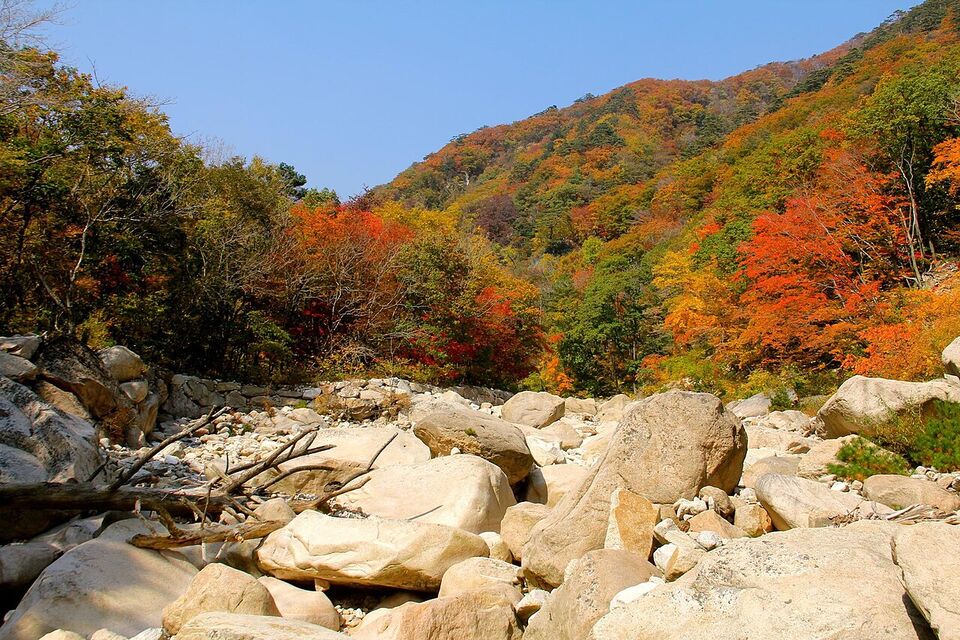
November is a good month for South Korea if you like cool, clear days and quieter sights. The big fall color has passed in the mountains, but the last of it still shows in Seoul's palace gardens and along the south coast during the first half of the month. By the end of November the leaves are down, the evenings feel like winter, and the city starts to put up its holiday lights.
We suggest November for first-time visitors who do not mind packing a coat. You get easy walking weather in the daytime, fewer tour groups than in October, and the start of kimjang season, when families and neighborhoods make winter kimchi. Weekends in Seoul stay busy, because record numbers of visitors came to Korea in 2026 and hotels fill early.
This page covers weather, what to wear, crowds, events, what is open, a five-day plan, a rainy-day plan and day trips. For the full-year picture, see when to go to south korea and Cherry Blossoms and Fall Colors.
Weather in November
Korea has four distinct seasons, and November is the handover from fall to winter. The figures below are long-term averages from the Korea Meteorological Administration (1991-2020 normals for Seoul, and the matching station data for the other cities). Any single week can run several degrees warmer or colder.
| City | Average high | Average low | Notes |
|---|---|---|---|
| Seoul | 53°F (12°C) | 38°F (4°C) | About 51 mm (2 in) of rain over roughly 6 days; first snow possible |
| Busan | 62°F (17°C) | 47°F (8°C) | Mild, with sea breezes at the beaches |
| Jeju City | 61°F (16°C) | 51°F (10°C) | Wetter than the mainland, about 10 rain days |
| Sokcho (near Seoraksan) | 56°F (13°C) | 41°F (5°C) | Mountain trails are colder than the coast |
The weather is changeable. A sunny afternoon at 60°F (16°C) can drop to near freezing after dark, and cold fronts bring dry, windy days. Rain is much lighter than in summer, since about two-thirds of the year's rain falls between June and September. Fine dust is more of a spring concern, but it can show up on some days in other seasons, so check airkorea.or.kr if you have breathing problems.
Korea does not change its clocks, and the US does (on the first Sunday of November). Since the US clocks went back, Korea is 14 hours ahead of New York until the US springs forward in March. Leaving on a Monday evening usually means you land on Tuesday.
What to wear
Dress in layers. A base layer, a sweater or fleece, and a windproof or insulated jacket will cover most days in Seoul. Add a scarf, thin gloves and a hat for evenings and for the Namsan and Han River viewpoints, which are exposed. In Busan and Jeju a light jacket is usually enough in the day.
- Comfortable shoes with grip: palace courtyards are gravel, and wet fallen leaves on stone steps are slippery.
- A compact umbrella or rain shell. Convenience stores sell cheap umbrellas.
- Lip balm and moisturizer: indoor heating is dry, and the air outside is dry too.
- A plug adapter. Korea uses 220 V, 60 Hz with Type C and F (round two-pin) sockets, so US plugs do not fit. Most phone and laptop chargers are dual-voltage (100-240 V), but check the label.
Our South Korea Packing List page has a full checklist.
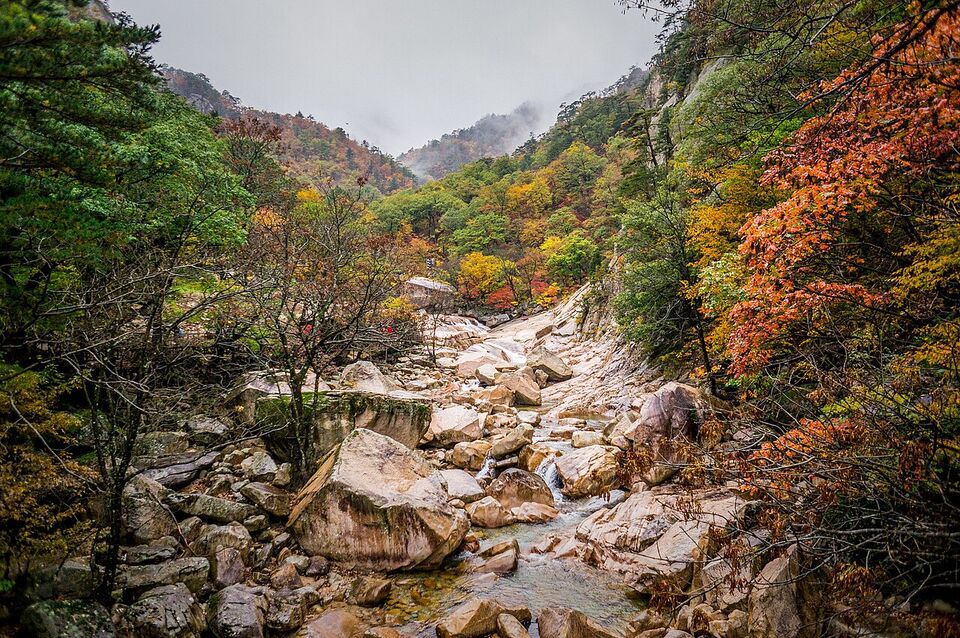
Fall color: where the last of it is
Foliage timing changes from year to year, so treat these ranges as typical rather than promised. We could not confirm this year's foliage status from an official forecast, so check the Korea Tourism Organization (english.visitkorea.or.kr) and the Korea Meteorological Administration (kma.go.kr) a few days before you go.
- Seoul palaces and city parks: usually late October to mid-November. Gyeongbokgung, Changdeokgung and the Deoksugung stone-wall road are the classic places for gold ginkgo and red maple against tiled roofs.
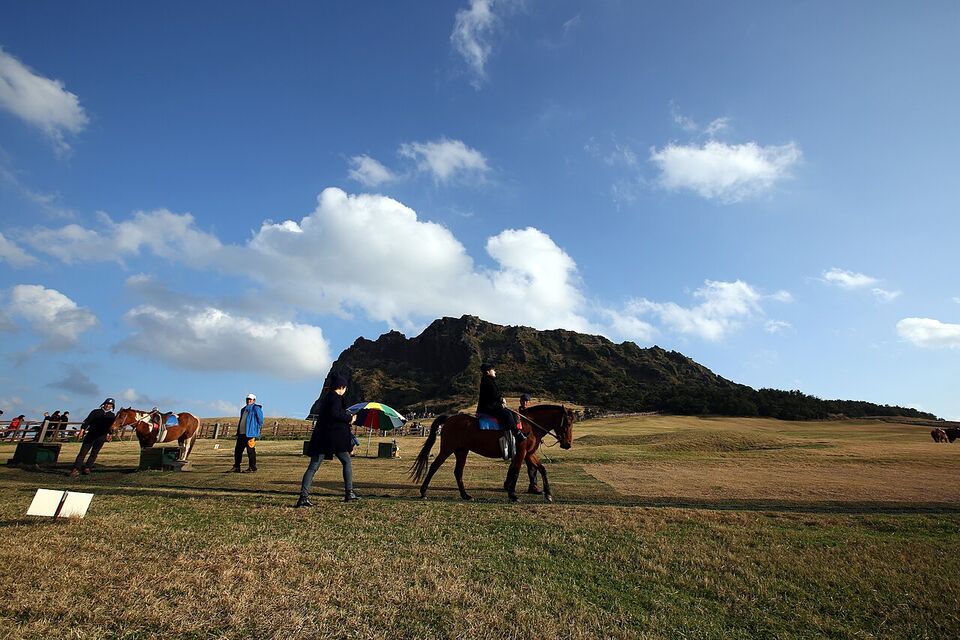
- Jeju and the south coast: color often arrives later, so early to mid-November can still be good. Hallasan's high slopes peak earlier, usually before November.
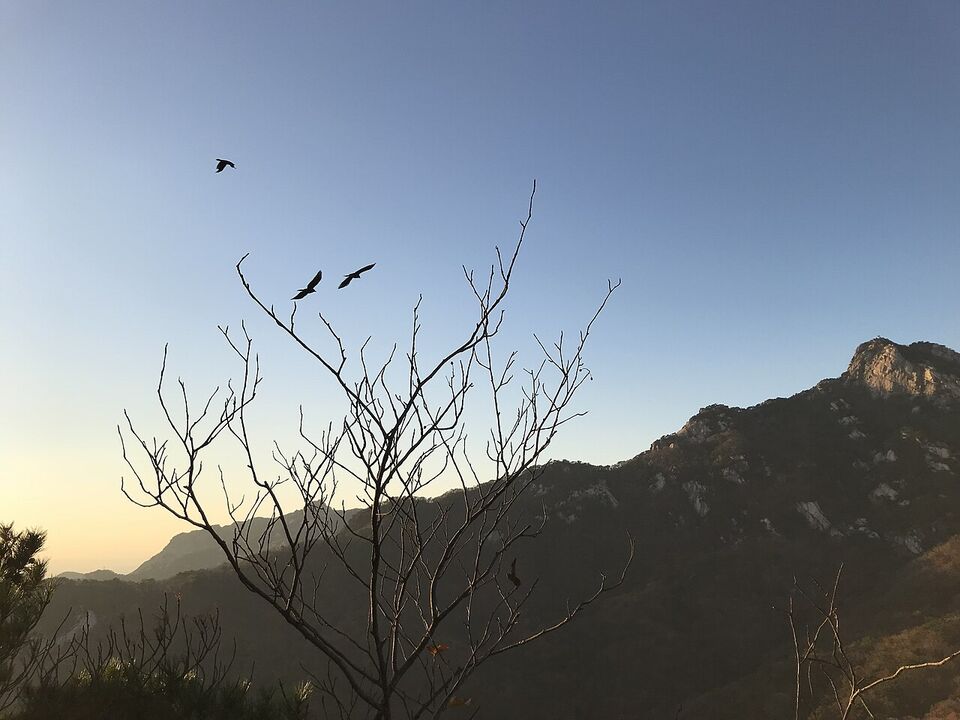
- Seoraksan and the high mountains: peak color is usually in October. By November the upper slopes are bare and can be icy.
Insider tip
Palace admission is low: Gyeongbokgung and Changdeokgung are each ₩3,000 (about $2.50), and Changgyeonggung and Deoksugung are ₩1,000 (about $1) each. Gyeongbokgung is free if you wear hanbok. Palaces have weekly closed days (Gyeongbokgung usually Tuesday, Changdeokgung usually Monday), so confirm on royal.khs.go.kr. The Changdeokgung Secret Garden (Huwon) is by reservation only.
Crowds and prices
November sits between the October peak and the winter lull. Weekends at the main sights (Gyeongbokgung, Bukchon, Myeongdong, Hongdae) are busy, and the best fall-color spots are crowded in the first two weeks. Weekdays in the second half of the month are noticeably calmer.
Korea's tourist numbers were at record highs in 2026, so we suggest booking hotels, hanok stays and popular restaurants early, especially for Friday and Saturday nights. Room rates are not in our sources, so check current prices. Bukchon Hanok Village has visitor rules: tourists may enter the residential "red zones" only between 10 a.m. and 5 p.m.
Different from home
Autumn is a domestic tourism season, too. On fall weekends many Koreans head to the mountains and the same sights you want, so weekday visits feel very different from Saturdays. Think of it like New England in leaf-peeping season.
Events and what is on in November
Dates change every year and many are announced late. Treat everything in this section as a question to verify on the official sites: the Korea Tourism Organization, and Visit Seoul (visitseoul.net).
Suneung exam day
The national college entrance exam (Suneung) is held on one day in mid-November, usually a Thursday. In past years the country has gone quiet around it: exam sites are surrounded by requests for hush, and we understand that aviation authorities have asked airlines to avoid noisy flights during the English listening section, with some traffic and office hours adjusted. We could not confirm the 2026 date or the current arrangements, so check the news or the airline if your flight falls on that day. Tourist sights stay open, but expect some nervous parents and quieter streets near schools.
Kimjang kimchi season
Kimjang is the tradition of making and sharing kimchi in late autumn to last the winter, and it is recognized on UNESCO's intangible heritage list. November and December are when many households and neighborhoods make it. Seoul and other cities have held public kimjang events where visitors can try making and tasting kimchi. We could not verify a 2026 date or venue, so check Visit Seoul and the Korea Tourism Organization. Markets such as Gwangjang and Namdaemun are good for watching the cabbage and chili seasonal shopping. See Korean Food for the dishes to try.
Lights, lanterns and the Seoul Lantern Festival
The Seoul Lantern Festival used to run in November, but in recent years it has started in December (the 2025 edition ran from December 12, 2025 to January 4, 2026). We could not find the 2026-27 dates, so check Visit Seoul (visitseoul.net) before you plan around it. Department stores and some streets start their holiday lights in mid to late November.
Marathons, concerts and K-culture
Fall is a busy season for road races and concerts, and a race can close roads on Sunday mornings. Check the race organizer or Visit Seoul for any marathon on your dates. K-pop concert schedules are not in our sources; see K-pop and K-drama and verify with the venue and ticket seller.
What is open and what is closed
- Open: palaces (except their weekly closed day), museums, markets, temples, most mountain trails at lower levels, department stores, theme parks, and all the indoor attractions.
- Check before you go: ferries to islands, cable cars and high mountain trails, which depend on the weather. Seoraksan cable car and high trails are weather dependent; check knps.or.kr.
- Lotte World in Seoul has no closing days, and it is open 10 a.m. to 9 p.m.; some outdoor rides close in cold or wet weather. A one-day adult ticket was ₩62,000 (about $47) in the sources we found, so check the current price.
There are no national holidays in November, so shops and restaurants run normal hours.
A sample five-day plan
- Day 1
Arrive and settle in Seoul
If you fly from the US you usually land a calendar day later, because you cross the date line. Take AREX from Incheon: about 43 minutes non-stop to Seoul Station. Walk a short evening loop and get dinner. See Incheon Airport Transfers.
- Day 2
Palaces and old neighborhoods
Gyeongbokgung in the morning for the best light and the changing-of-the-guard ceremony if it is running that day, then Bukchon (before 5 p.m.) and Insadong for lunch and tea. End with an evening walk along Cheonggyecheon stream.
- Day 3
Changdeokgung, markets and Namsan
Reserve the Secret Garden if you want it, then browse Gwangjang Market and take the cable car or walk up Namsan for a city view at dusk. See Things to Do in Seoul.
- Day 4
Day trip for foliage
Use the options in the next section. Return to Seoul for a late dinner in Hongdae or Seongsu.
- Day 5
Last shopping and departure
Myeongdong for skincare shopping, a last meal, then the airport. Leave plenty of time and check your terminal on airport.kr.
A rainy-day plan
November rain is light, but a cold drizzle is common. Switch to indoor sights: the National Museum of Korea and the War Memorial of Korea (both large, with exhibits in English; check hours and any fees on their sites), a jjimjilbang (public bathhouse; see January for how it works), a covered market lunch, a cafe in Seongsu or Hongdae, or Lotte World's indoor areas. Seoul Sky in the Lotte World Tower was listed as open 10:30 a.m. to 10 p.m. Sunday to Thursday and until 11 p.m. on Fridays, Saturdays and public holidays; check the current hours. It is a poor choice on a cloudy day because the view is blocked.
Day trips for the foliage
Nami Island
Famous for its tree-lined paths. Leaves usually peak in October, so by November it may be bare, but the walk is still pleasant. Check the ferry and weather first.
Suwon Hwaseong
Walk the fortress wall for views over fall color. Close enough to Seoul for an easy afternoon trip. See Day Trips from Seoul.
Gyeongju
Fall color around Bulguksa and the royal tombs often lasts into mid-November. See Gyeongju.
Jeonju Hanok Village
Hanok lanes with fall color and street food in cool weather. See Jeonju.
Bukhansan National Park
The mountain is within the city. Trails are less colorful by November, but the cool days are good for hiking. See Hiking in South Korea.
Jeju Island
Mild and still colorful in early November, with tangerine season starting. See Jeju Island.
KTX fares and times change; we suggest about 2.5 hours for Seoul to Busan and checking letskorail.com for the exact schedule and price.
Pros and cons for an American
| Pros | Cons |
|---|---|
| Cool, dry, comfortable walking weather | Evenings are cold; pack a real coat |
| Last fall color early in the month | Color timing varies; late November is mostly bare |
| Fewer crowds than October | Weekends at top sights are still busy; hotels fill early |
| Kimjang season and the start of the winter lights | Event dates are often announced late |
| No national holidays, so normal opening hours | Some mountain and island activities are weather-dependent |
Watch out
US citizens are exempt from K-ETA through December 31, 2026. For travel from January 1, 2027, check k-eta.go.kr before you book. File the online e-Arrival Card before you land, and use only the official site (e-arrivalcard.go.kr), because look-alike sites exist. Check entry notices about a week before you fly.
If you are planning more months, see December and January, and our Festivals and Holidays page for the full-year calendar.
Add it to a route in the trip builder, or ask us to plan the hotels, trains and guides for you.