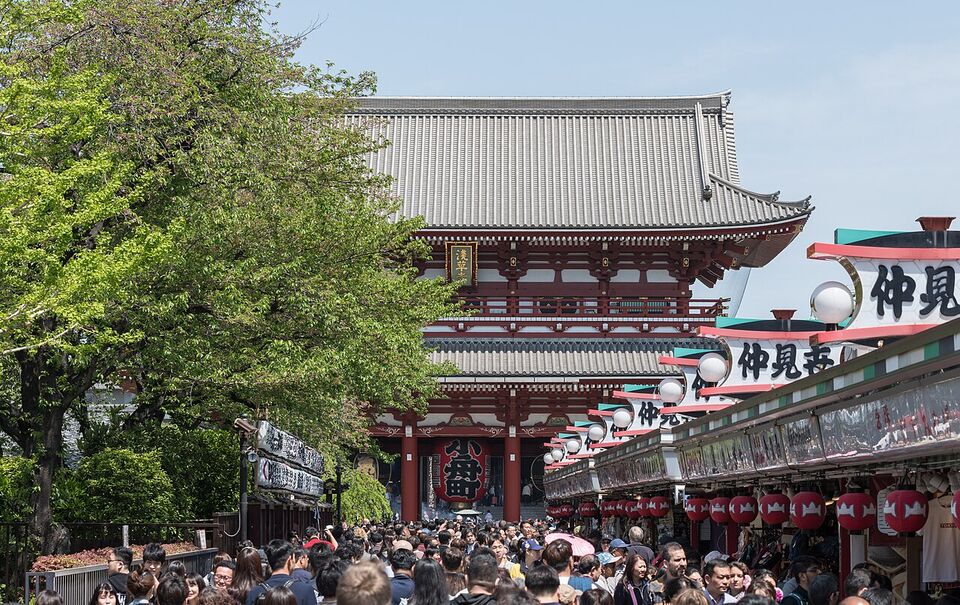
Overview: what is worth buying and what to know first
Japan is a good place to shop if you buy things made well and priced lower than at home: kitchen knives, ceramics, stationery, skincare, denim, and food that is hard to find in the US. The weak yen (about ¥157 to the dollar as of November 2026) helps. Our guide rate in this page is US$1 = ¥157, so ¥10,000 is about $64.
Three things have changed recently and matter before you spend a yen. First, the tax-free system changed on November 1, 2026: you now pay the tax at the till and get it back at the airport. Second, a few US rules on goods from Japan have shifted since 2025, so read the customs section before you buy anything big. Third, airlines now apply tighter rules on power banks. Those three are covered below, after the shopping list.
A practical order for the trip: spend your first days looking, not buying. Prices for the same item vary a lot between a department store, a discount chain and a specialist street, and you will learn to spot a fair price quickly. Leave a few hundred dollars of suitcase space unused, or plan to buy a bag, and keep every receipt in one envelope.
This page assumes you already have your trip outline. If you do not, start with planning your Japan trip, and see money, cards and cash for how to pay in shops.
What to buy
Knives
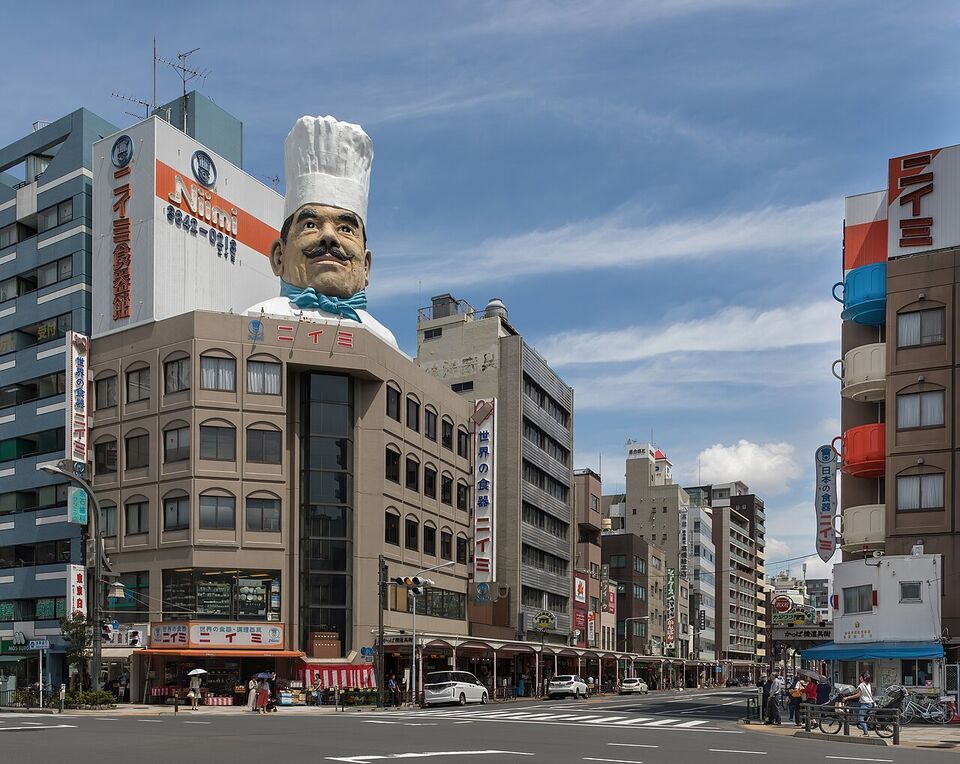
Japanese kitchen knives are the classic purchase. The three places to look are Kappabashi in Tokyo (a long street of kitchenware shops near Asakusa), Sakai south of Osaka (a knife-making town with a centuries-old trade), and Seki in Gifu Prefecture (another blade town, with a cutlery museum and many shops). Kappabashi is the easiest for a short trip. Shop staff often speak some English and will explain steel types, single versus double bevel, and sharpening.
Prices vary by steel and maker. A decent all-purpose chef's knife (gyuto) commonly costs from about ¥10,000 (about $64), and hand-forged knives run to ¥50,000 (about $320) or well above. Many shops will engrave a name for a fee, which can take a day or two, so shop early in the trip. Ask about a sharpening stone or a care leaflet, since carbon-steel knives rust if left wet.
Knives must go in checked baggage on the flight home (details in the airport section below). Never put one in a carry-on, even a small paring knife.
Ceramics and tableware
Regional pottery is a better buy than a generic souvenir. Names to know: Arita and Imari (porcelain, Kyushu), Mashiko (rustic stoneware, near Tokyo), Kutani (colorful, Ishikawa), Bizen (unglazed, Okayama) and Mino (Gifu). Kappabashi in Tokyo, department-store tableware floors and kilns' own shops all stock them. Kyoto and Kanazawa have many small ceramics galleries.
Breakable items are best bought late and carried in your hand luggage or wrapped in clothes. Shops will wrap them carefully, and most can ship to your hotel or to a forwarding office if you do not want to carry them (see the shipping section).
Skincare and drugstore buys
Japanese drugstores are one of the best value stops for visitors. Popular categories are sunscreen, cleansing oil, face masks, lip balm, medicated patches and eye drops. Well-known brands include Shiseido, Kose, Hada Labo, Biore and DHC. Prices are usually lower than US prices for the same item, and the shelves are organized so that you can compare brands easily.
Big drugstore chains such as Matsumoto Kiyoshi, Sundrug, Tsuruha, Welcia and Cosmos handle tax-free sales in most tourist areas. Look for a tax-free sign on the door or a counter near the register. Cosmetics are considered consumables under the tax-free rules, but opened or used items do not qualify. Do not open them before you leave Japan.
Check medicine rules before you buy. Some cold and allergy medicines sold in the US are restricted when you bring them into Japan, and some products sold in Japan are not sold or approved in the US, so keep to small personal amounts. Our health and medicine page has the details.
Stationery
Stationery shops are a pleasure to browse. Pens (Pilot, Uni, Zebra, Pentel), notebooks, washi tape, stamps and good paper are cheap compared with the US. Itoya in Ginza is a famous multi-floor store, and Loft, Hands and Muji have branches in most cities. A single pen can cost ¥150 to ¥500 (about $1 to $3), while fountain pens run higher.
Denim and clothing
Japanese denim has a following among fans of raw, selvedge jeans, and the center of the trade is Kojima in Okayama Prefecture. In Tokyo, look in Shibuya, Harajuku, Daikanyama and Koenji, and in Osaka at Amerikamura. Quality brands sell jeans from about ¥20,000 to ¥40,000 (about $127 to $255). Thrift and vintage shops in Shimokitazawa and Koenji are cheaper and fun for browsing. Clothing sizes run smaller than US sizes, and shops in tourist areas may not have larger sizes. Try things on.
Whisky and sake
Japanese whisky (Suntory, Nikka and smaller distilleries) has become expensive and hard to find as demand has risen, and prices at liquor shops, department stores and Don Quijote vary widely. Some age-statement bottles are rationed or sold by lottery, and shops may limit purchases. We cannot confirm current prices for particular bottles, so compare two or three shops before you buy.
Sake is easier. A 720 ml bottle from a good brewery commonly costs ¥1,500 to ¥4,000 (about $10 to $25), and the department-store basements and specialist shops let you taste before buying. Remember that alcohol counts toward your US duty-free limit (see below). Wrap bottles well and pack them in your checked bag. For more on what to drink, see drinks in Japan.
Matcha and tea
Matcha prices have risen sharply in the last couple of years, because global demand has outpaced the supply of tencha (the shade-grown leaf used for matcha). Some well-known Kyoto and Uji shops have raised prices or limited the number of tins per customer. Expect to pay more than you did a few years ago, and expect some shelves to be empty. Sencha, hojicha and genmaicha are more widely available and cost less. Buy sealed tins, which are easy to pack and clear US customs without a problem when declared.
Japanese snacks and food
Snacks are the easiest gifts: Kit Kat flavors, Pocky, Calbee chips, rice crackers, Tokyo Banana cakes and regional sweets sold at stations as omiyage (souvenirs to share with coworkers and family). Prices are modest, around ¥500 to ¥1,500 (about $3 to $10) a box. Department store basement food halls (depachika) have the best variety and the best packaging. Look at the expiration date and avoid anything perishable that you cannot carry cold. For more on food, see eating in Japan.
Different from home
Japanese shops usually quote the tax-inclusive price on the tag, so the price you see is the price you pay (10% on most goods, 8% on most food). The tax-free refund is separate and happens at the airport, not at the till.
Where to shop
Department stores
Good for tableware, food gifts, cosmetics and fashion, with dedicated tax-free counters. Staff are used to visitors, and gift wrapping is excellent. Prices are higher than discount shops, but quality is dependable.
Don Quijote (Donki)
An overstuffed discount store with snacks, cosmetics, electronics, souvenirs and costumes. Most stores handle tax-free sales and many have signs in English. Price differences between branches can be large, so a quick look at a second store can save money.
100-yen shops
Good for kitchen gadgets, stationery, travel organizers and small gifts. Many Daiso shops now also sell items at ¥220 to ¥550. Check the tag instead of assuming everything costs the base price.
Markets and flea markets
Food markets are best for snacks and tea, not for bulk gifts, and many sell fresh food that cannot go to the US. Temple flea markets such as Toji in Kyoto and the antique market at Tokyo International Forum run on set days, so check dates before you go.
Specialty streets
Streets built around one trade are the best place to compare. See pop culture, anime and games for collectibles.
Airport shops
Convenient for last-minute omiyage, and good for sweets. Prices on alcohol and cosmetics are not always lower than in town, so do not leave big purchases for the airport unless you are sure.
Cash is still useful in small shops, markets and some specialist stores, while department stores and chains take cards. Read our money guide for the cash side. If you shop a lot in one place, ask about points cards and coupons, which are common and sometimes available to visitors.
The tax-free refund system from November 1, 2026
Japan's consumption tax is 10% (8% on most food and drink). Visitors can get it back on goods they take out of the country. Until October 31, 2026 the tax was taken off at the till in tax-free shops. Since November 1, 2026 the system works in reverse: you pay the full tax-inclusive price in the shop, and the refund comes after you leave Japan's customs control at the airport or port.
The rules in plain terms
- Minimum spend: ¥5,000 (about $32) before tax, per store, per day. This minimum is the same as before.
- Time limit: do the departure procedure within 90 days of the purchase date.
- The goods must leave Japan with you, in your carry-on or checked bag. The old cap of ¥500,000 on consumables is gone, and the old split between consumables and general goods no longer applies. You no longer need sealed bags.
- Do not use consumables in Japan. Food, drink and cosmetics that you open or use here do not qualify.
- Not eligible: gold and platinum bullion, and goods that already carry no consumption tax.
- Bring your passport. The official sources say you present your passport at the departure terminal; they do not say shops scan it at purchase. Some shops may still ask to see it to confirm you are an eligible visitor, so keep it handy and carry the same passport to the airport.
At the airport
Before you check your bags, find the tax-free procedure terminal in the international departure hall and scan your passport. A green result means you are done with the customs step. A red result means you take your goods to a customs inspection counter. The refund then goes to you by the method the shop sets, so ask the shop how it pays and whether it charges a fee. At Narita, Haneda, Kansai, Chubu, Fukuoka, New Chitose and Naha you can also start online through Visit Japan Web in designated areas before security.
The key point is that customs checks each receipt as a whole. If one item from a receipt is missing from your luggage, the whole receipt fails. Keep the goods from each receipt together, or buy fewer items per receipt, and keep them easy to reach in case of a red result. Finish everything before boarding. Customs and airlines do not compensate travelers who miss a flight because the procedure took too long, so arrive early. We suggest planning an extra 30 to 60 minutes at the airport, and more on the first weeks of the new system, because both staff and travelers are still learning it.
Watch out
If you pack tax-free goods in a checked suitcase, do the terminal step first, and know where each item is. A bag already checked cannot be inspected. Also expect to pay a handling fee in some stores or refund services, though we could not confirm amounts. Ask at the till how the refund is paid and what it costs.
Leaving by ship
If you leave by cruise ship, the procedure happens at the seaport, and you also need your landing permit. Because the refund is claimed when you leave the country, you must complete the procedure at your final departure point from Japan and not at an earlier airport on a domestic trip.
Shipping things home
For heavy or fragile items, shipping is often easier than carrying, but costs and rules deserve a look. Japan Post EMS (express mail) and parcel services are the usual options for visitors, and the big takkyubin (courier) companies such as Yamato and Sagawa handle luggage between hotels and airports. Hotels and many shops can send items for you.
- Japan Post: sends parcels to the US, but goods shipments to the US were suspended from late August 2025 after changes to US customs rules. Japan Post says it resumed accepting US-bound mail at virtually all post offices on October 15, 2026. For merchandise worth over $100 and up to $2,500, you must register the shipment in advance and prepay US duty through an outside provider (Japan Post names Zonos and SafePackage), which charges its own service fee. Letters, printed matter and EMS documents are exempt. Rules were revised again on October 23 and November 1, 2026, so check Japan Post's international mail notices before you ship.
- Courier companies (DHL, FedEx, UPS and others) are fast and trackable, but usually cost more.
- Ask for the full cost in writing: shipping, insurance and any duty or brokerage fee that the US side will charge you on arrival.
- No tax refund on mailed goods. The goods must leave Japan with you to qualify. If you plan to claim a refund, carry the item. Ask the shop before you decide.
Save money
A cheap suitcase from Don Quijote or a department store often costs less than shipping a box. A bag of ¥5,000 to ¥8,000 (about $32 to $51) lets you carry goods yourself, claim the tax refund, and skip US duty on mailed parcels.
US customs: what you can bring home
The $800 exemption
Each US citizen returning from abroad generally has a $800 personal exemption, based on the fair retail value of what you bought. You must have been outside the US for at least 48 hours. Members of one family traveling together can combine their exemptions on a single declaration, so a family of four may declare up to $3,200 together. Duty is charged on the value above the exemption.
Duty rates on Japanese goods have changed since 2025 because of US tariff policy. Do not assume what was true on an earlier trip. Check the CBP page for returning travelers before you fly, and keep receipts. The exemption applies to goods you carry with you, not to parcels you mail.
Alcohol and tobacco
Adults 21 and older can bring home 1 liter of alcohol duty-free. A standard sake bottle is 720 ml, a whisky bottle usually 700 ml, so one of each is already over. More than 1 liter can still enter, but state and federal duties and taxes apply, and some states set their own limits. Allowances for cigarettes and cigars are also limited.
Food, meat and plants
- Meat products are not allowed: no dried or packaged beef, including wagyu jerky, and no pork products or foods with meat in them, such as some instant noodles and curry blocks. The US blocks meat from many countries to prevent animal disease. If a snack lists beef, pork or chicken extract, leave it.
- Fresh fruit and vegetables: generally not allowed. Japanese fruit gifts are lovely but will be confiscated.
- Plants, seeds and soil: restricted. Bonsai and cut flowers need permits and inspection, and you should not buy a plant on impulse.
- Allowed in general: sealed, shelf-stable snacks, tea, dried noodles without meat, sauces and many sweets. Rice is a special case, so check before buying more than a small bag.
Declare all food on your customs form. If in doubt, declare and let the officer decide. Failing to declare restricted items can lead to fines, which are far higher than the price of the item. Check the USDA APHIS traveler pages before you pack food.
Different from home
US border officers expect a declaration of food, even a bag of crackers. In Japan, the same strictness applies to the other direction: see entry rules for what to declare on arrival and Japan's duty-free limits.
What you cannot take on a plane
Airport security in Japan and the US follows similar principles, but small details trip people up with shopping.
- Knives and blades: checked baggage only. Wrap each blade, put it in a sheath or box and pack it among soft items. Airlines and security can refuse a knife that is loose or unwrapped. Do not carry one in a cabin bag, even in a box.
- Liquids in carry-on: containers of 100 ml (3.4 oz) or less in one clear bag, on flights from Japan, including sake, sauces, sunscreen and perfume. Put larger bottles in your checked bag.
- Power banks and lithium batteries: keep them in the cabin, never in checked baggage. From April 2026, rules for flights to and from Japan do not let you use or charge a power bank on board, and the reported limit is two per person, each under 160 Wh. Airline rules vary, so check yours.
- Lighters and matches: disposable lighters are usually allowed only in limited number in your cabin bag or on your person, and not in checked bags. Do not buy a stock of them as souvenirs.
- Aerosol cans: limited in volume. Skip the spray sunscreen unless it is small.
- Wasabi, sauces and miso: usually fine if sealed, but liquids count. Put them in checked luggage.
Airlines also set weight limits that differ by ticket type, and airports charge for excess weight. Weigh the bag at your hotel before you leave. Our packing guide covers luggage and leaves room for purchases, and flights from the US covers allowances on the main airlines.
A simple shopping plan
- Week one
Look and compare
Visit a department store, a Don Quijote, a drugstore and a 100-yen shop. Note the prices of the things you want. Do not buy big items yet.
- Middle
Buy by category
Go to specialist streets for knives and ceramics, and pick up engraved or custom items early so that they are ready. Keep each shop's receipt and any warranty card.
- Last days
Consolidate and pack
Group tax-free goods by receipt, keep them accessible, pack knives and bottles in checked luggage, and keep power banks and fragile items in the cabin bag.
- Airport
Terminal, then bags
Arrive early, use the tax-free terminal with your passport before you check in, then check your bags and complete the refund steps.
- Passport, receipts and goods together for the tax-free terminal
- Knives wrapped and in the checked bag
- Alcohol under 1 liter per adult, or plan to pay duty
- No meat products, fresh fruit or plants
- Power banks in the cabin, not checked
- Customs declaration form filled in honestly
Common mistakes
Buying everything at the airport. Prices are fine for sweets, but you do not want to be rushing for a knife or a bottle at the last minute. Opening consumables. A tester or a sample you open may disqualify the item from a refund. Splitting receipts. Multiple small receipts at one store may not reach ¥5,000 each, so ask the clerk to combine your purchases on one receipt where the store allows it. Forgetting the weight. Ceramics, books and cast-iron teapots are heavy. Ignoring the second leg. If you fly home through another country, check the customs rules there too.
For a wider view of how much to budget, see our Japan budget guide, and for the big-city bases where most shopping happens, see Tokyo, Kyoto and Osaka.
Add it to a route in the trip builder, or ask us to plan the hotels, trains and guides for you.