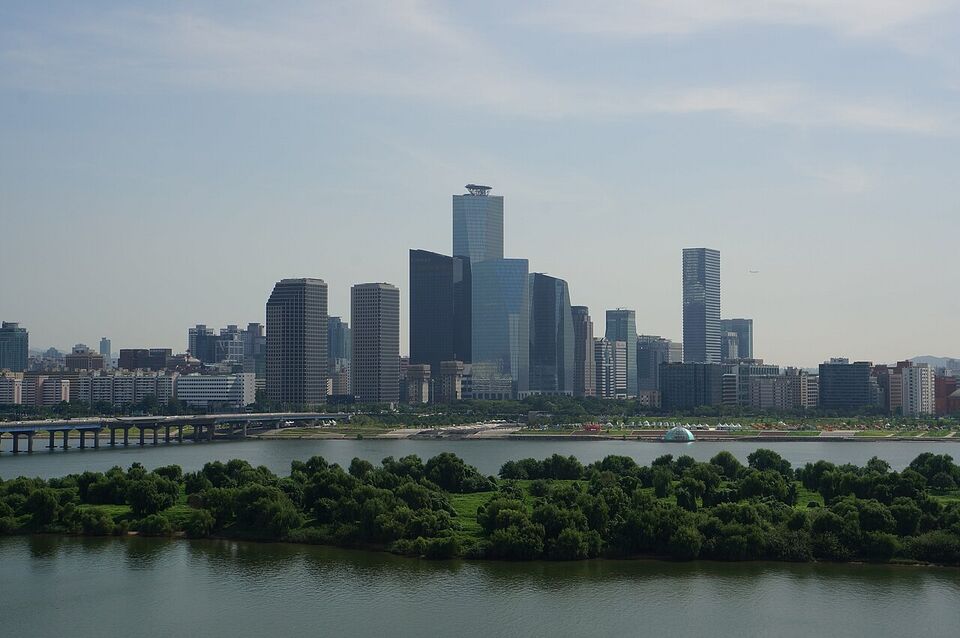
Seoul in a nutshell
Seoul is a city of about 9.6 million people inside a metro area of roughly 26 million, and it is easier to visit than those numbers suggest. The subway reaches almost everything you will want to see, signs carry English, and the main sights sit in a few clear clusters. Most first-time visitors need three to five days, a hotel near a subway station, and a plan that puts the palaces in the morning and the markets and neighborhoods in the evening.
This page is the hub for our Seoul guides. It explains how the city is laid out, how to choose where to sleep, and how to plan a first visit. For details, follow the links to things to do in Seoul, Seoul neighborhoods, day trips from Seoul, Seoul food and Incheon Airport transfers.
Prices on this page are in Korean won with dollars at about US$1 = ₩1,330. The rate moves daily, so treat dollar figures as a guide.
What makes Seoul different for first-timers
Three things set Seoul apart from most capitals, and they shape how you plan.
Palaces next to skyscrapers
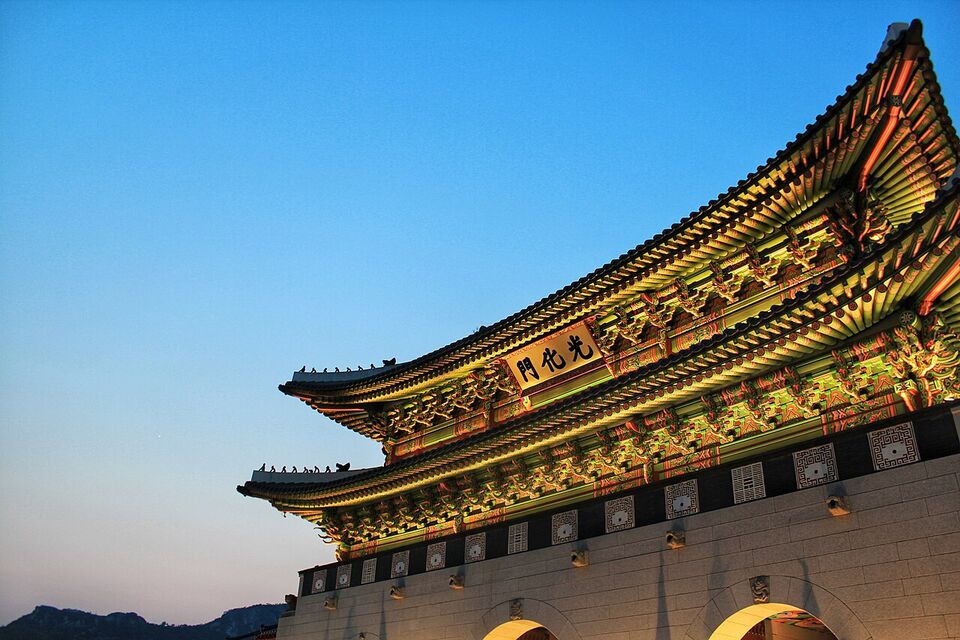
Seoul was the capital of the Joseon dynasty for about 500 years, and the old royal palaces still sit in the middle of the modern city. At Gyeongbokgung ("palace of great blessings"), you can stand in a courtyard of tiled roofs and look up at glass office towers. Five UNESCO World Heritage Sites lie within the Seoul capital area, including Changdeokgung palace, Jongmyo Shrine, Hwaseong Fortress in Suwon and Namhansanseong. You do not need to leave town to move between centuries; a ten-minute subway ride is enough.
Mountains inside the city
Seoul sits in a bowl of hills. Bukhansan on the northern edge rises to 2,744 ft (836.5 m), and its trails start at subway stations and bus stops. Namsan, the hill in the center with N Seoul Tower on top, is a short walk or cable-car ride from Myeongdong. A hike or a hilltop sunset fits into a normal sightseeing day, which is rare for a city this size.
A city that runs late
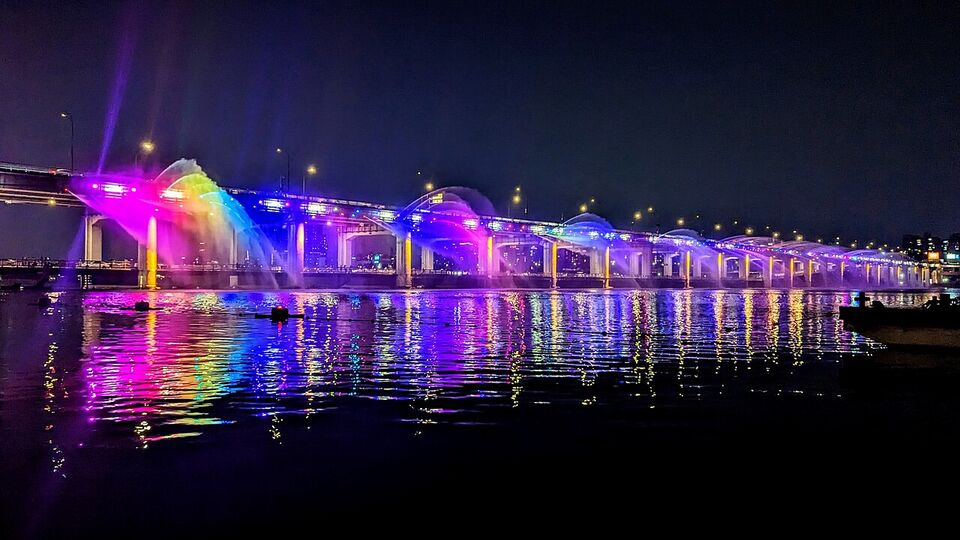
Seoul keeps long hours. Restaurants, cafes, convenience stores, markets and bathhouses (jjimjilbang) stay open into the night, and some never close. Many people eat dinner after 7 p.m. and go on to a second or third stop. That makes it easy to see the palaces on a calm morning and still have a whole evening of food and walking. It also means you can recover from jet lag at 2 a.m. with a bowl of noodles. For the bigger picture of when to travel, see when to go to South Korea.
How many days to give Seoul
Give Seoul at least three full days. That is enough for two palaces, one hanok (traditional Korean house) area, a museum, one market and a night view. With four or five days, you can add a day trip, a slower neighborhood such as Seongsu, or a hike in Bukhansan.
- Two days: workable on a stopover, but you will pick one palace and one neighborhood and skip the rest.
- Three days: the sweet spot for a first visit with a tight trip.
- Four to five days: room for a day trip, a rest day and the late-night side of the city.
- A week or more: good if you are mixing Seoul with Busan or Gyeongju. Our trip planning guide shows how to split time.
Flights from the US arrive after a long haul and a date change: leaving on Monday usually means landing on Tuesday. Korea is 14 hours ahead of New York in US winter and 13 hours ahead in US summer time, and Korea does not change its clocks. Count your first afternoon as a light day.
How Seoul is laid out
Two features organize the city: the Han River and the subway ring.
The Han River
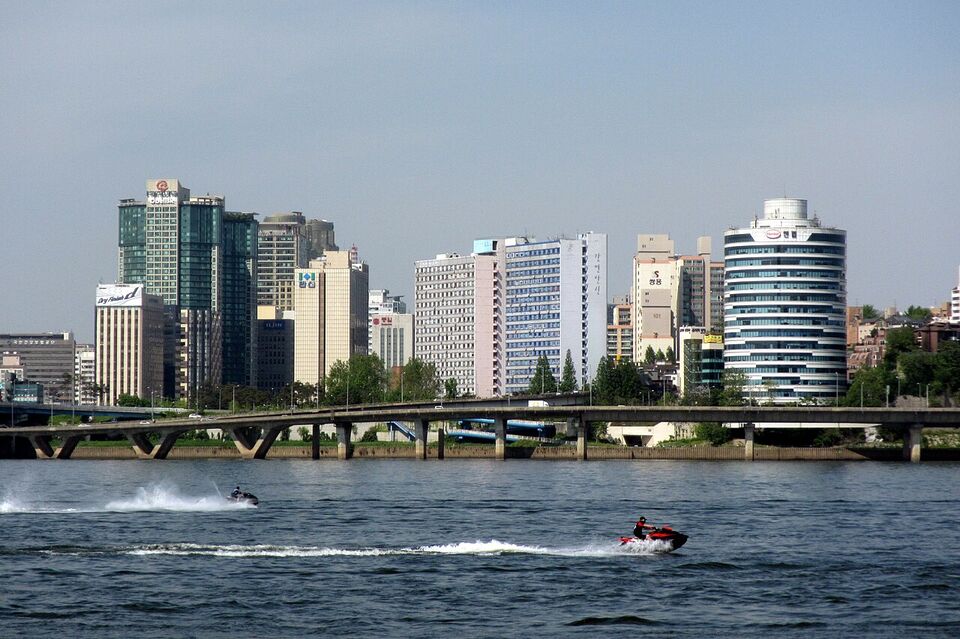
The Han River runs east to west through the middle of Seoul and splits it into a northern half and a southern half. North of the river (Gangbuk) is the historic core: the palaces, Bukchon, Insadong, Myeongdong, Dongdaemun, Hongdae and Itaewon. South of the river (Gangnam, which simply means "south of the river") is the district of towers, shopping malls, offices and wide avenues, plus Lotte World Tower in Jamsil. Yeouido, the island in the river, holds the National Assembly and the financial district. Wide, landscaped parks line the river banks, including Yeouido, Banpo, Ttukseom, Mangwon and Jamsil Hangang parks, and you can reach them by subway.
The subway ring
Seoul's subway has more than 20 lines across the metro area. Line 2 runs in a loop around the central districts and is the line you will use most: it touches Hongdae, City Hall, Dongdaemun History & Culture Park, Jamsil and Gangnam. Lines 1, 3, 4 and 5 cross the loop and reach the palaces and Seoul Station. Line 3 stops at Gyeongbokgung station for the main palace and Anguk for Bukchon and Insadong. Line 4 serves Myeongdong, and the airport line (AREX) ends at Seoul Station.
A short subway ride costs about ₩1,550 (about $1.20), based on figures from mid-2025, with small additions for longer trips. A rechargeable T-money card or a tourist pass works on subways and buses. Since March 17, 2026, foreign Visa and Mastercard cards and some phone wallets work at ticket machines in 273 stations on Lines 1 to 8, with a service fee of about 3.7% on overseas cards. Check prices of the Climate Companion Card passes at the station machine.
Insider tip
Trains stop running around midnight and restart about 5:30 a.m. Late-night buses and taxis cover the gap, so plan your return before a long evening out. Check seoulmetro.co.kr for the last train times on your line.
Neighborhoods at a glance
This table sums up the districts you will hear about most. Our neighborhoods guide goes deeper on each.
| Neighborhood | Character | Best for | Subway |
|---|---|---|---|
| Jongno and Bukchon | Palaces, hanok lanes, old Seoul | First-timers, history, quiet mornings | Lines 1, 3, 5; Gyeongbokgung and Anguk stations |
| Insadong | Tea houses, crafts, galleries | Souvenirs, calm evenings | Lines 1, 3, 5; Anguk and Jonggak |
| Myeongdong | Cosmetics shops, street food, crowds | Shopping, central base | Line 4 Myeongdong; Line 2 Euljiro 1-ga |
| Hongdae | Student district, live music, late nights | Nightlife, younger travelers | Line 2, AREX, Gyeongui-Jungang Line |
| Itaewon | International restaurants, bars, hilly lanes | Global food, a relaxed night out | Line 6 Itaewon |
| Gangnam | Offices, malls, glass towers | Business travel, modern hotels | Line 2, Line 9, Shinbundang Line |
| Seongsu | Converted factories, cafes, pop-up shops | Design, cafes, a second visit | Line 2 Seongsu |
| Yeouido and Euljiro | Riverside parks; old print shops turned bars | Picnics, offbeat evenings | Lines 5 and 9; Line 2 and 3 at Euljiro |
How to choose a base
Where you sleep matters more in Seoul than in many cities, because the city is spread out and the subway is the glue. Use these steps to decide.
- Start with your list. If your first days are palaces and old streets, base in Jongno or Myeongdong. If you want nightlife, base in Hongdae. If you are in Seoul for work in Gangnam, stay there.
- Find a station. Choose a hotel within five minutes' walk of a station on Line 2 or Line 3 if you can. These lines link the most sights.
- Check the airport link. The AREX train runs straight to Seoul Station and Hongdae. Express service takes about 43 minutes to Terminal 1 and the all-stops commuter train takes about 53 minutes. If your base is near a station on that line, your arrival and departure are simple. Read our airport transfer guide for the full set of options.
- Look at the walk. Many Seoul streets climb. A hotel a few blocks from a station can mean a steep hill with luggage. Look at a map for the slope.
- Book early. Visitor numbers are at record highs and hotels fill up early, so reserve as soon as your dates are firm.
Our guide to where to stay in South Korea covers hotel types, hanok stays and jjimjilbang overnights, and tells you what each tier ($, $$, $$$) gets you.
A first-timer plan for three to five days
This plan groups sights by area so you do not cross the city more than once a day. It assumes you are comfortable with a lot of walking. The sights themselves are described in our things to do guide.
- Day 1
Palace, old lanes and a night view
Start at Gyeongbokgung early, when the courtyards are quiet. Walk east to Bukchon for hanok lanes and then to Insadong for lunch and tea. In the evening, go up Namsan to N Seoul Tower or stroll the lit-up Cheonggyecheon stream. Keep the day light if you arrived the day before.
- Day 2
Second palace, museum and markets
Visit Changdeokgung with its Secret Garden, which needs a reservation and a guided walk. Spend the afternoon at the National Museum of Korea or the War Memorial. End with dinner at Gwangjang Market or a barbecue restaurant in Jongno.
- Day 3
Modern Seoul
Go to Dongdaemun Design Plaza, Seongsu for cafes, and then Jamsil for the view from Lotte World Tower. Finish with an evening walk along the Han River in Yeouido or Banpo.
- Day 4
A day trip or a hike
Choose Suwon's fortress, a day of walking in Bukhansan, or a guided DMZ-area tour. See day trips from Seoul and the DMZ guide.
- Day 5
Choose your own
Pick the district you liked most, such as Hongdae for shopping and live music or Itaewon for a different mix of food, and add a jjimjilbang visit if you want to try a Korean bathhouse.
Timing tips
- Weekday mornings for palaces. Arrive when the gates open and you will have a quieter walk. Weekends and holidays bring crowds, and a school group can arrive any time.
- Evenings for markets. Street-food markets and neighborhoods such as Myeongdong feel busiest after dusk, which is when most stalls are fully set up.
- Season. Spring and fall are the most comfortable. Seoul's summers reach about 86°F (30°C) in August with heavy rain in summer, and January averages 35.8°F (2.1°C) for the daytime high. Our seasons guide has the detail.
- Holiday weeks. At Seollal (Lunar New Year) and Chuseok, many Koreans travel and many small shops close for a few days. Seollal 2027 is Sunday, February 7 (holiday February 6 to 8), and Chuseok 2027 is Wednesday, September 15 (holiday September 14 to 16).
- Pace yourself. Subway stairs and long walks add up. Plan one major sight in the morning, a long lunch, then one or two lighter stops.
Palaces: what to know before you go
The palaces are the heart of a first visit, so know the basics before you build the schedule.
- Admission. Gyeongbokgung and Changdeokgung cost ₩3,000 (about $2.50) for adults. Changgyeonggung, Deoksugung and Jongmyo Shrine cost ₩1,000 (about $1) each. The government has said it is weighing a first fee increase in about 20 years, so check the current price at royal.khs.go.kr.
- Closed days. Each palace closes one day a week. Gyeongbokgung usually closes on Tuesday and Changdeokgung on Monday, but check the Royal Palaces and Tombs Center site, royal.khs.go.kr, for the current schedule. Some palaces offer free entry on Wednesdays; check which ones.
- Hanbok. Visitors wearing hanbok (traditional Korean clothing) enter Gyeongbokgung free. Rental shops cluster near the palace.
- Secret Garden. The garden at Changdeokgung is by reservation, and some pavilions are for guided tours only.
Watch out
Do not plan two palaces on the same day without checking the closed days. A Monday or Tuesday itinerary built around Changdeokgung and Gyeongbokgung can leave you at a locked gate. Look up the schedule before you book guided tours.
Money, language and daily practicalities
Cards are widely accepted, including contactless and phone payment, and transit cards work at many convenience stores. Carry a little cash for markets and street-food stalls, and for temple donation boxes. Tipping is not customary in Korea, and some upscale hotels add a service charge to the bill. Our money guide has the detail.
Plug sockets are 220 V with round two-pin (Type C and F) plugs, so bring an adapter. Most phone and laptop chargers handle 100 to 240 V, but check the label. For help, 112 is the police, 119 is fire and ambulance, and 1330 is the Korea Travel Helpline, which answers in English around the clock.
Seoul treats its tap water to drinking standards, but many locals drink filtered or bottled water. Air quality can dip on some days in winter and spring; check airkorea.or.kr if you have a breathing condition.
Different from home
Seoul's public spaces are quiet on transit. People speak softly on the subway, take calls rarely and give seats to older passengers. The pink-marked seats are for pregnant riders. Convenience stores sell full meals, and cafes are open late. Our etiquette guide explains the rest.
Eating and spending in Seoul
Seoul is one of the easiest places in Asia to eat well on a modest budget. Markets, noodle shops and convenience stores cover cheap meals, while barbecue restaurants and hotel dining rooms sit at the other end. We give no menu prices here because they move with the season and the neighborhood; look at the posted menu before you sit down. Many barbecue places expect at least two portions per table, so solo travelers do better at noodle, stew and rice-bowl restaurants.
Side dishes (banchan) arrive free with most Korean meals and can usually be refilled. Restaurants often have floor seating where you take off your shoes. Our Seoul food guide and the national food guide explain what to order.
Save money
Palaces are among the cheapest big sights in Asia at ₩1,000 to ₩3,000 (about $1 to $2.50), and the Cheonggyecheon stream walk, the Han River parks and the lower levels of N Seoul Tower are free. Some palaces and royal tombs have free Wednesdays, so check royal.khs.go.kr for the current list. A transit card is cheaper than buying single-use tickets, which add a refundable ₩500 (about $0.50) deposit.
Hotels are the big cost. Visitor numbers are at record highs, so book early and compare a few areas. A hanok guesthouse or a business hotel outside the busiest zones can cost less than a room in Myeongdong, and a subway ride is cheap enough to make that worthwhile.
Mistakes to avoid
- Visiting on a palace closed day. Check royal.khs.go.kr and arrange your days around it.
- Staying too far from a station. A hotel that looks central on a map may be a 20-minute uphill walk from the nearest subway stop. Choose a base within a short walk of a station.
- Trying to see everything in one area per day. Seoul is wide. Group sights by area, as in the plan above, and accept that you will miss some.
- Skipping the entry steps. Complete the online e-Arrival Card on the official site, e-arrivalcard.go.kr, before you land. Check entry notices at k-eta.go.kr and kr.usembassy.gov a week before you fly. Our entry guide covers the details.
- Entering Bukchon at the wrong time. Tourists can enter the "red zones" of Bukchon only from 10 a.m. to 5 p.m., and guests of local guesthouses are excepted.
- Assuming a JSA visit. Ordinary tourist tours to the Joint Security Area at Panmunjom have not run since 2023. Read our DMZ guide for what is open.
Safety and calm
Seoul is a safe city for visitors, and the usual precautions are enough. The US State Department lists South Korea at Level 1: Exercise Normal Precautions (as of November 2026); check travel.state.gov before you go. Large demonstrations can happen near Gwanghwamun with little notice, so keep away from crowds if you see one forming. Keep your phone and wallet secure in crowded areas as you would at home. Our safety guide has more.
Where to go next
Use these pages to go deeper:
- Things to do in Seoul: palaces, museums, markets, hills and the river.
- Seoul neighborhoods: what each district is like and where to base.
- Day trips from Seoul: Suwon, Incheon, Nami Island and more.
- Seoul food: markets, barbecue and what to order.
- The DMZ: what a visit involves and what is open.
- Getting around South Korea: KTX, buses and city transit.
Add it to a route in the trip builder, or ask us to plan the hotels, trains and guides for you.