Korean food in one page
Korean food is built around rice, soup and a table of shared side dishes, with a main dish of grilled meat, fish, stew or noodles. It is more varied than the fermented kimchi and red chili paste people expect, and much of it is not spicy at all. This guide explains how a meal is put together, the dishes worth trying by category, how to order and share, how to handle spice, what to drink, and what to eat in different regions of the country. For where to eat in the capital, see where to eat in Seoul, and for drinks, see soju, makgeolli and cafes.
We do not give menu prices here. We could not confirm 2026 prices for restaurants from official sources, so use the price shown on the menu or the wall, and see our money guide for daily budgets.
How a Korean meal is built
A traditional meal has three layers: a bowl of steamed rice (bap), a soup or stew (guk or jjigae), and side dishes (banchan). Kimchi is nearly always among the side dishes. At a restaurant, the main dish arrives with the rice and soup, and the side dishes arrive in small plates for the whole table. They are free, and you can ask for refills.
Korean tables are meant for sharing. Everyone eats from the same plates, the stew is placed in the center, and each person has their own rice bowl and spoon. Rice and soup are eaten with the spoon, and the metal chopsticks are for side dishes and meat. Do not stick chopsticks upright in a rice bowl, because that resembles the incense used at funeral ceremonies, a point covered in our etiquette guide.
Different from home
At home, each person gets a plate and a main dish. In Korea, the dishes are shared, rice is served separately, and the side dishes come free with the meal. You do not need to order a separate side for each person, and you should not feel bad about asking for more kimchi.
The dishes to try, by category
Barbecue and grilled meat
Samgyeopsal is grilled pork belly, cut thick and eaten wrapped in lettuce. Galbi is marinated beef or pork ribs, and bulgogi is thin marinated beef, often cooked in a pan with vegetables and broth. Dak galbi is spicy marinated chicken stir-fried with cabbage and rice cakes. The grilling method, often over gas or charcoal at a built-in table grill, is part of the experience (see our Seoul eating guide for the two-portion rule at barbecue restaurants).
Stews and soups
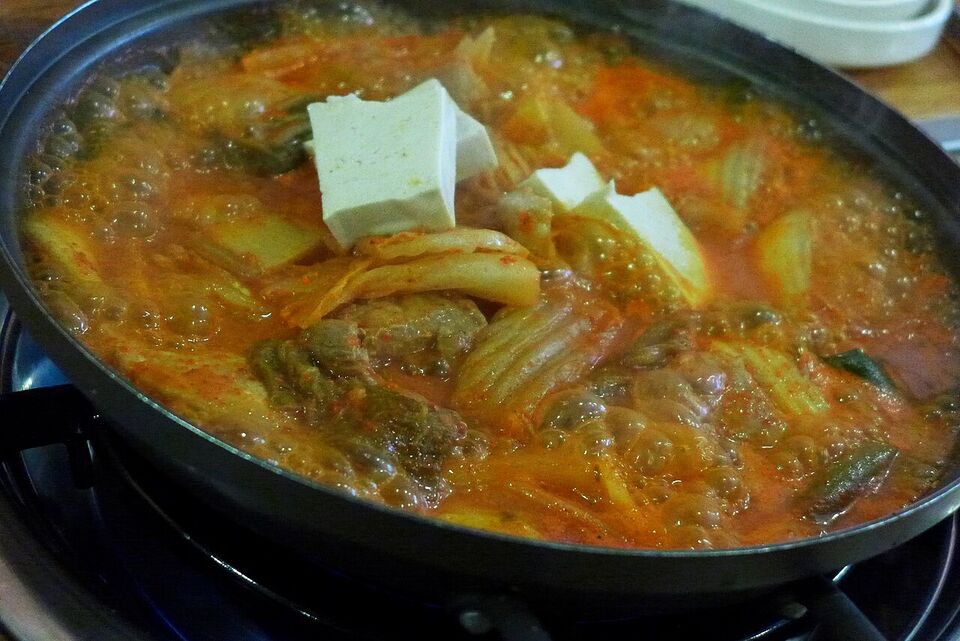
Kimchi jjigae is kimchi stewed with pork and tofu. Doenjang jjigae is a soybean paste stew, milder and earthy. Sundubu jjigae is a soft tofu stew, served bubbling with an egg you crack into it. Samgyetang is a whole young chicken stuffed with rice and ginseng in a clear broth, traditionally eaten in hot weather. Seolleongtang is a milky beef bone broth you season yourself with salt, pepper and spring onion. Budae jjigae ("army base stew") combines sausage, ramen and kimchi in a spicy broth for a group.
Noodles
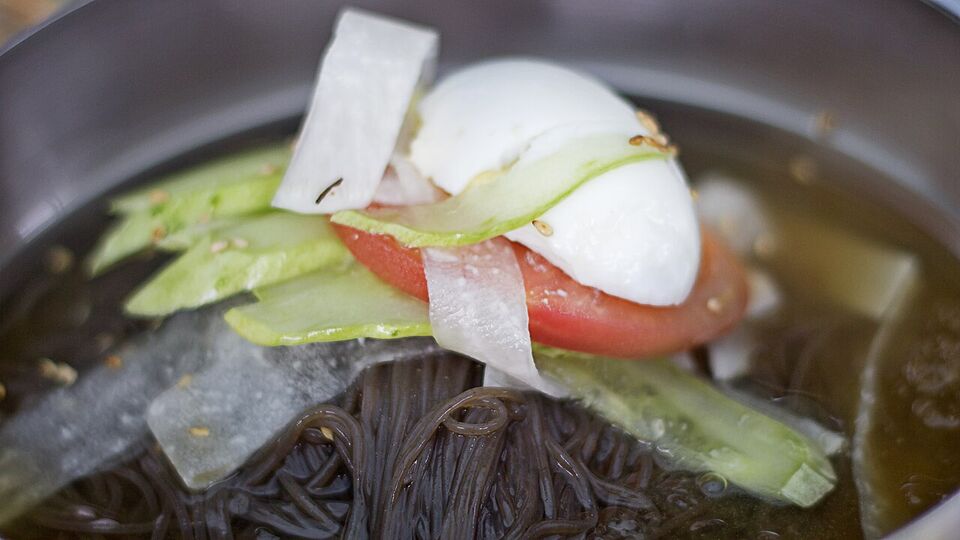
Naengmyeon is cold buckwheat noodles in an icy broth, eaten in summer but available all year. Kalguksu is hand-cut wheat noodle soup. Japchae is glass noodles stir-fried with vegetables. Jajangmyeon is wheat noodles in a black bean sauce, a Korean-Chinese dish that Koreans eat often. Ramyeon is Korean instant ramen, a staple of convenience stores.
Rice dishes
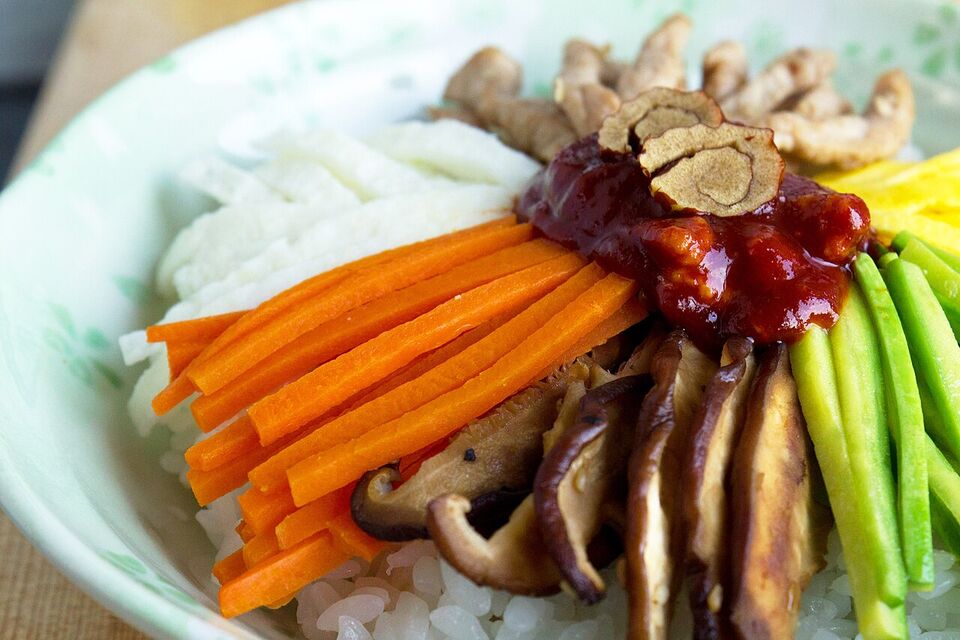
Bibimbap is a bowl of rice topped with seasoned vegetables, meat and usually a fried egg, with chili paste (gochujang) that you mix in. In a stone bowl (dolsot) the rice crisps at the bottom. Gimbap is rice and fillings rolled in seaweed, sliced like a sushi roll but seasoned with sesame oil, not raw fish. Bokkeumbap is fried rice, and gukbap is rice in soup.
Street food and snacks
Tteokbokki is chewy rice cakes in a sweet and spicy sauce. Odeng is fish cake on a skewer in hot broth. Hotteok is a sweet pancake filled with brown sugar and nuts. Twigim is deep-fried vegetables, squid or sweet potato. Bungeoppang and gyeranppang are warm pastries in winter. More in our Seoul eating guide.
Fried chicken
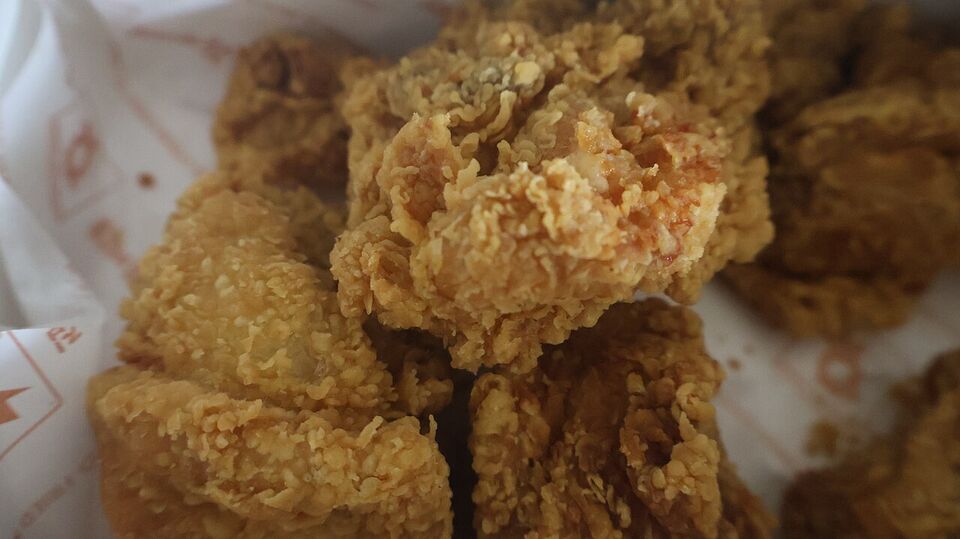
Korean fried chicken is usually double-fried for a crisp skin, then served plain (huraideu), glazed in sweet and spicy sauce (yangnyeom) or coated in soy garlic. It is eaten with beer in a pairing called chimaek, which became popular during the 2002 World Cup, when fans gathered in parks to watch the games. Many places deliver to parks and Han River lawns.
Seafood
Korea has a long coastline, and seafood is common. Hoe is sliced raw fish, served at coastal markets such as Busan's Jagalchi Market. Haemul jjim is steamed mixed seafood in spicy sauce, and ganjang gejang is raw crab marinated in soy sauce, an acquired taste. Raw and live seafood, like sannakji (live small octopus), is for adventurous eaters. Eat raw seafood at busy, reputable restaurants.
A table of dishes
| Dish | What it is | Spice | Suits |
|---|---|---|---|
| Bulgogi | Thin marinated beef, grilled or pan-cooked | Mild, sweet | First-timers, kids |
| Samgyeopsal | Grilled pork belly with lettuce wraps | Mild (sauces vary) | Groups, barbecue fans |
| Galbi | Marinated short ribs | Mild, sweet | Groups, meat eaters |
| Bibimbap | Rice bowl with vegetables, egg and chili paste | Mild to medium (you add the paste) | Solo diners, first-timers |
| Kimchi jjigae | Kimchi stew with pork and tofu | Medium to hot | Spice lovers, cold days |
| Sundubu jjigae | Soft tofu stew with egg | Mild to hot (choose the level) | Solo diners |
| Samgyetang | Whole chicken soup with ginseng and rice | Not spicy | Anyone avoiding chili |
| Naengmyeon | Cold buckwheat noodles in broth | Mild (or spicy mixed version) | Hot weather |
| Kalguksu | Knife-cut noodle soup | Not spicy | Cold days, kids |
| Japchae | Glass noodles with vegetables | Not spicy | Vegetarians (check for meat) |
| Tteokbokki | Rice cakes in chili sauce | Medium to hot | Street snacks, spice fans |
| Gimbap | Rice and fillings rolled in seaweed | Not spicy | Picnics, quick lunches |
| Dak galbi | Spicy stir-fried chicken and cabbage | Medium to hot | Groups |
| Fried chicken | Double-fried chicken, plain or glazed | Plain is mild; glazed varies | Groups, late night |
Spice levels and how to ask for no spice
Korean food has a reputation for heat, and some dishes earn it. But a large part of the cuisine, including grilled meats, samgyetang, kalguksu, japchae and gimbap, is not spicy. Red stews, tteokbokki and many marinades are hot, with the heat coming from chili flakes (gochugaru) and chili paste (gochujang). Heat builds with each bite, and rice, a boiled egg or cold side dishes help to cool it.
To ask for no spice, say "an maepge hae juseyo" (please make it not spicy) or point to a symbol on the menu. Some restaurants have a spice setting, particularly for tofu stew and fried chicken. Many dishes arrive already mixed and cooked, so the kitchen cannot always remove the heat. If you are unsure, order a dish that is not spicy by design. Learn more in our Korean phrases page.
Kimchi itself is fermented cabbage or radish seasoned with chili, garlic and salted seafood, and comes in dozens of types. Some kimchi is mild, white or watery. It is on every table, and you can ask for it without chili if you do not eat spicy food.
How to order and share
- Order one main dish per person at one-dish restaurants, and then add shared sides if you are hungry. At barbecue restaurants, order by the portion, not per person.
- Share a table of dishes. If you are a group, order several dishes and put them in the middle.
- Use the call button or kiosk. See our Seoul eating guide for call buttons and QR menus.
- Ask for refills. "Deo juseyo" (more, please) works for side dishes and water.
- Pay at the counter when you leave. Do not tip.
- Use a translation app. Papago and similar apps can read a menu through your phone camera. See phones and apps.
What to drink with Korean food
Water or barley tea (boricha) is served free with the meal. Soju and beer are the usual choices at barbecue and fried chicken restaurants, and makgeolli (milky rice wine) is a classic pairing with pancakes and fried food. Soft drinks and sweet rice punch (sikhye) are common at the end of a meal. See our drinks guide for etiquette, strengths and cafe culture.
Regional specialties
Jeonju bibimbap
Jeonju is known across Korea as a food city, and it is one of the cities famous for its own version of bibimbap. Expect a bowl with many seasoned vegetables and a sauce. See our Jeonju guide.
Busan pork soup
A milky pork bone broth with rice and sliced pork, seasoned at the table with salted shrimp, chives and spicy paste. It is a classic Busan everyday dish, alongside raw fish at the market. See our Busan guide.
Jeju black pork
Jeju is known for its black pig, grilled at the table in thick cuts. The island is also known for abalone, sea urchin and tangerines. See our Jeju guide.
Andong chicken
Andong's braised chicken (jjimdak) is cooked in a sweet and savory soy sauce with potatoes and glass noodles, sometimes with chili. The city is also known for soju brewing and salted mackerel. See our Andong guide.
Dietary needs
Vegetarian and vegan
Korean food is vegetable-heavy, but meat, fish and seafood are in much of it. Common hidden ingredients are anchovy or beef broth in soups and stews, fish sauce and salted shrimp in kimchi, and egg or pork in some pancakes and fried rice. We recommend looking for temple food, dedicated vegetarian restaurants, and simple dishes such as japchae without meat or bibimbap without meat and egg, and then asking about the broth. Our temples guide covers temple meals.
Shellfish and allergies
Salted shrimp, oysters and fish sauce are common in kimchi and in many sauces and soups. Carry an allergy card in Korean and ask directly, because staff may not realize that stock or kimchi counts as an allergen. See health for allergy advice.
Halal and gluten
Pork and alcohol are used throughout Korean cooking, and halal restaurants are mostly in Itaewon and a few tourist areas. Check the restaurant's own certification and whether it is open before you go. Gluten is hard to avoid: soy sauce, doenjang, gochujang and many sauces contain wheat, and noodles and pancakes use wheat flour. Rice-based dishes are safer but not guaranteed. Neither list is complete, so confirm with the restaurant.
Convenience stores and food courts
Convenience stores (CU, GS25, 7-Eleven, emart24) are open all day and have hot water dispensers for instant noodles, microwaves for rice and sandwiches, and a seating area. They sell rice balls, gimbap, boiled eggs, fried chicken and coffee, and they are a good choice for a quick breakfast, a late meal or a budget day. Many accept transit cards, as covered in our money guide.
Department stores, malls and big stations have food courts with Korean, Japanese and Chinese counters, bakeries, and often a food hall in the basement. Order at a kiosk or counter, get a buzzer or number, and carry the tray to a table. Food courts are easy to use if you cannot read a menu, because food is shown in photos. They are also a safe place to eat with children. See traveling with kids.
Food etiquette basics
- Wait for the oldest person at the table to pick up their spoon before you start eating.
- Use the spoon for rice and soup and chopsticks for side dishes. Do not lift the rice bowl to your mouth.
- Do not stick chopsticks upright in the rice or pass food chopstick to chopstick.
- Pass and receive items with your right hand or with two hands.
- Some restaurants have raised floor sections where you take off your shoes. Look for shoe shelves at the entrance.
- Blowing your nose at the table is considered rude. Step away to a restroom.
Insider tip
If the staff cook for you at the table, let them. They know when the meat is done. Do not touch the grill, and wait for them to say it is ready.
Eating alone, with kids and on a schedule
Solo travelers eat well in Korea if they pick the right place. Noodle shops, gimbap counters, bibimbap and stew restaurants, and food courts all serve one person without fuss. Barbecue, dak galbi and army base stew are built for two or more, and some restaurants will not seat one diner at a table for four at busy hours. If you do want barbecue alone, ask at the door and be ready to order two portions or to be told no.
Children who do not like spice have plenty of choices: bulgogi, gimbap, kalguksu, samgyetang, fried chicken, rice balls and egg dishes. Ask for the kimchi to be rinsed or skip it. Many restaurants have booster seats and spoons that suit small hands, though that varies by place.
Plan around mealtimes. Lunch runs roughly from noon to 2 p.m., and many restaurants close for a break in the afternoon. Dinner starts early evening, and kitchens often stop taking orders an hour or more before closing. Bars and chicken pubs stay open later. Check opening hours and last order on Naver Map, as we describe in our Seoul eating guide.
Mistakes to avoid
- Assuming all Korean food is spicy, and avoiding it. Many dishes are mild, and you can ask for less heat.
- Ordering a single portion at a barbecue restaurant. Check the minimum.
- Pouring soy sauce or chili paste over everything. Taste first, since most dishes are already seasoned.
- Eating raw seafood from a stall that does not look busy.
- Taking food out of the country. Customs rules for returning to the US restrict meat products and some produce, so check CBP's list and declare all food. Packaged foods are often fine, but anything with meat, and fresh fruit or vegetables, can be refused.
- Not asking about broth if you avoid meat or fish.
- Forgetting the holidays. During Seollal and Chuseok, many restaurants close for several days. See our festivals guide.
Add it to a route in the trip builder, or ask us to plan the hotels, trains and guides for you.