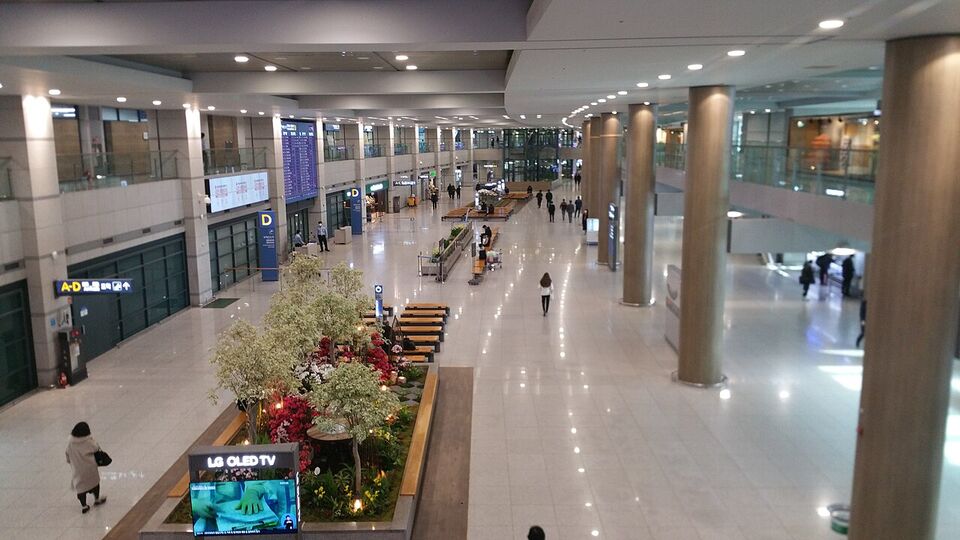
Overview: take the train unless it is late at night
For most arrivals, the AREX (Airport Railroad Express) train is the best way from Incheon Airport into Seoul. The non-stop Express takes about 43 minutes from Terminal 1 to Seoul Station, and the all-stops train takes about 53 minutes. Both avoid traffic, and fares are low compared with a taxi. Airport limousine buses reach many hotels directly, and taxis are the simplest choice when you arrive late, travel as a group or have a lot of luggage.
This page covers the two terminals, the steps from your plane to the arrivals hall, the AREX Express and all-stops trains, limousine buses, taxis and late-night options, a comparison table by arrival time, a first-hour checklist, and the connection to Gimpo Airport and Jeju flights. We could not confirm 2026 fares for buses and taxis, and the AREX figures are older, so check the Incheon Airport and AREX sites before you go. See also flights to South Korea and Seoul.
The two terminals
Incheon has Terminal 1 (T1) and Terminal 2 (T2), plus a concourse for some departures. Korean Air, Delta and Air France-KLM use Terminal 2, and Asiana, Jin Air, Air Busan and Air Seoul have moved to Terminal 2 as well, with Asiana arriving on January 14, 2026. Asiana flights become Korean Air flights from December 17, 2026. United, American, Alaska and Air Premia terminals are not confirmed here, so check your ticket and the airport's flight information page. Wrong-terminal mistakes are common, especially after the 2025-26 moves.
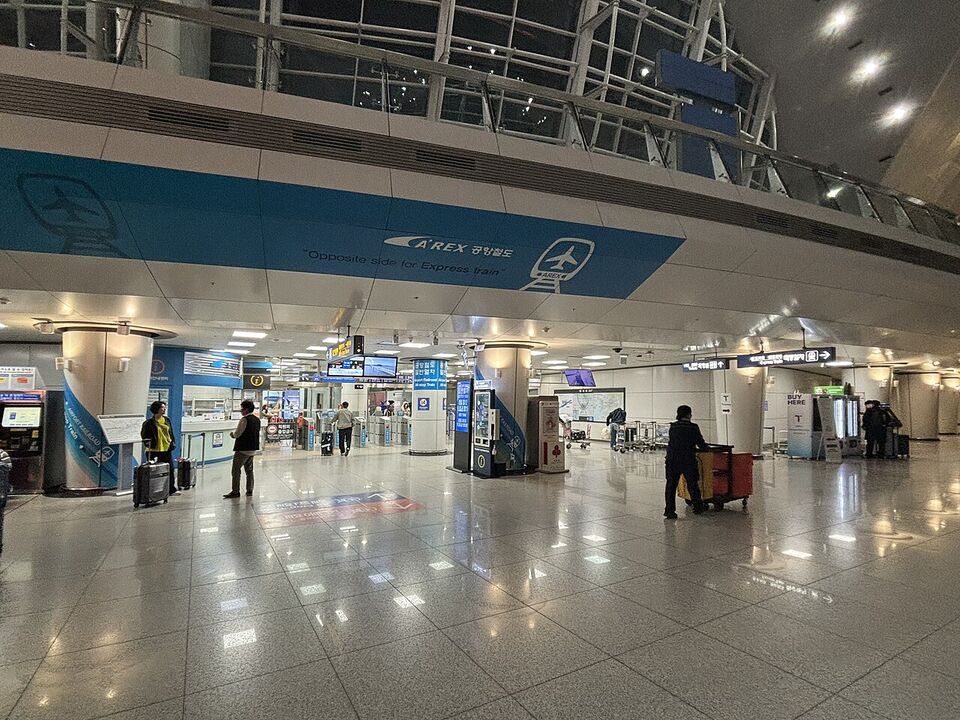
A free shuttle bus links the two terminals, reported to run every 5 to 8 minutes, and the ride takes about 20 minutes. AREX serves both terminals: the Terminal 1 station is in the transport center next to the building, and the Terminal 2 station is in the basement. Allow time to move between terminals if you have to.
Watch out
Do not go by an older blog's terminal list. Airlines have moved terminals in the last two years. Confirm Terminal 1 or Terminal 2 for your flight on your booking and on airport.kr before you leave for the airport, and again when you land.
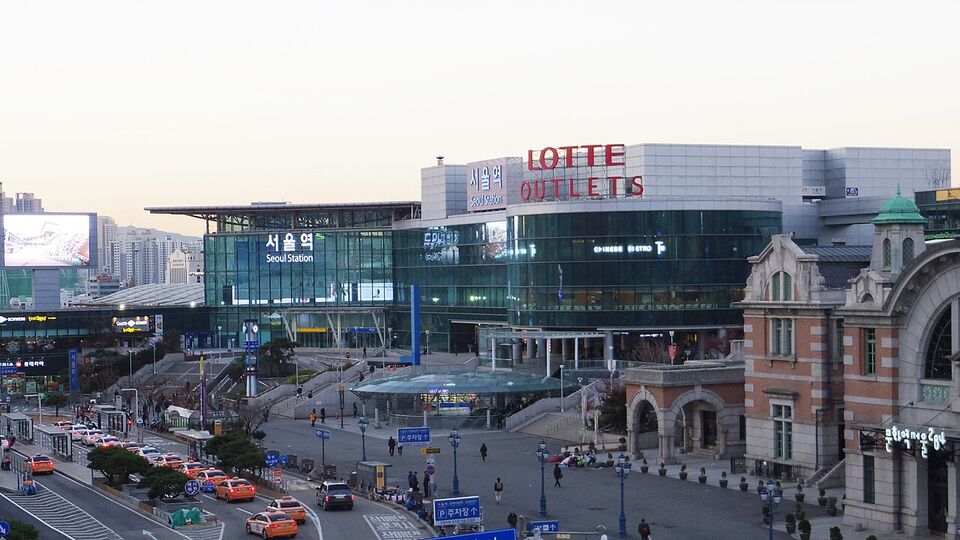
Immigration and baggage: from the plane to arrivals
- Walk to immigration. Follow the arrivals signs. Have your passport open. Complete the online e-Arrival Card before landing, on the official site only, e-arrivalcard.go.kr.
- Pass the immigration desk. An officer checks your passport and usually takes a photo and fingerprints. Americans can visit visa-free for up to 90 days, and US citizens are exempt from K-ETA through December 31, 2026. For travel from January 1, 2027, check k-eta.go.kr before you book.
- Collect your bags. Find your flight on the baggage screen. Carts are available, and a luggage service may deliver bags to a hotel, so ask at the information desk.
- Go through customs. Declare food, plants or large amounts of cash as the rules require. Korea limits meat, dairy, fruit and plants, so check the Korea Customs Service pages.
- Enter the arrivals hall. Here you find ATMs, SIM and Wi-Fi counters, T-money sales, and the signs to the AREX station, buses and taxis.
After a long flight the whole sequence often takes an hour or more, longer in the morning wave of long-haul arrivals. Do not book a tight onward transfer or a pickup right at your landing time.
AREX: Express versus all-stops
AREX runs between Incheon Airport and Seoul Station, with stops along the way. Both train types serve the airport stations. The two kinds differ in speed, seats and price.
AREX Express
The Express is non-stop between Incheon Airport and Seoul Station, taking about 43 minutes to Terminal 1 (Terminal 2 adds a few minutes). Seats are reserved, with reclining 2+2 seats, luggage space and free Wi-Fi. It runs about every half hour, and AREX added four Express trips a day from October 23, 2026. A ticket costs about ₩9,500 (about $7) as of 2022 and may have risen. The Express does not stop at Gimpo Airport.
The Express ticket machines take won and Korean credit cards. If you have only a foreign card, use a staffed ticket window.
AREX all-stops train
The all-stops (commuter) train takes about 53 minutes from Seoul Station and runs up to every 6 minutes. It costs about ₩4,750 (about $3.50) as of 2022, with a ₩500 (about $0.50) deposit on single-use cards. It stops at Gimpo Airport, Digital Media City, Hongik University (Hongdae), Gongdeok and other stations, with free transfers to the subway lines it crosses. The local-train ticket machines take won only, so have cash or a T-money card ready. Many visitors use the all-stops train to reach Hongdae directly.
Seoul Station is the end for most travelers. From there, subway lines and taxis reach hotels. The line's other end, the airport side, is Terminal 2. Check your hotel's nearest subway station before you travel, and see getting around for the subway.
Insider tip
If you leave Seoul by AREX, the Seoul Station City Airport Terminal has offered early airline check-in and immigration for some flights. A renewal notice was posted in 2026, so confirm that it is open and which airlines it serves on arex.or.kr before you rely on it.
Airport limousine buses
Airport buses, called limousine buses, stop outside the arrivals halls and run to many Seoul districts and hotels, to Gimpo Airport and to other cities. They are comfortable, with luggage storage under the seat. The ride is door to door for a hotel on the route, and often takes longer than the train because of road traffic. An older reference gives an average of about 70 minutes, and the time depends on traffic and your stop.
We could not confirm current routes and fares, so check the bus page on airport.kr. Look for the route number or the hotel name on the stop's list. Buy your ticket at the booth near the stop, or board and pay by T-money card where the route allows it. Ask the booth where to get off for your hotel, and screenshot the stop name. Buses are a good choice if your hotel is on a route, because you skip the subway transfer with luggage. See where to stay for areas.
Taxis, late nights and dawn arrivals
Taxis wait at the arrivals curbs. A trip into central Seoul has taken about an hour, in older figures, and depends on traffic. We could not confirm current fares, so we give none, and tolls and a night surcharge usually apply. Look for the official taxi stand outside arrivals, and have your hotel's name and address ready in Korean and English, on your phone. Larger vans, called call vans, can carry groups with big bags, and airport.kr lists a Taxi and Call Van page.
Trains stop overnight, so a late-night or dawn arrival is where the choice changes. Check the last AREX train on arex.or.kr, and remember that immigration and baggage can add an hour or more, so a landing close to the last train may not make it. Airport late-night buses run when the trains are off, and airport.kr has a Late-Night Bus page. For arrivals before the first train, a taxi is the most predictable choice, or wait in the terminal and take the first train if you are in no hurry.
For the first night, consider a hotel close to the airport or on the AREX line, such as in Hongdae or near Seoul Station, to avoid a long taxi ride at 2 a.m. Tell your hotel your arrival time so it can stay open to check you in.
Comparing your options
| Option | Speed | Comfort | Convenience | Best for |
|---|---|---|---|---|
| AREX Express | About 43 minutes to Seoul Station; fastest and not affected by traffic | High: reserved seat, luggage racks | Station is at the terminal; then subway or taxi from Seoul Station | Daytime and evening arrivals, solo or two travelers |
| AREX all-stops | About 53 minutes to Seoul Station; more to other stops | Medium: commuter seats, can be crowded at rush hour | Direct to Hongdae, Gimpo and subway transfers | Budget, Hongdae, Gimpo, T-money users |
| Limousine bus | Slower; traffic dependent | High: seat and luggage space | May stop near the hotel; check the route list | Heavy luggage, hotel on a route |
| Taxi or call van | About an hour in older figures; depends on traffic | High, door to door | Easy with a hotel address ready; check the fare and surcharges | Groups, late night, early dawn, heavy luggage |
| Late-night bus | Slow | Medium | Runs when trains are off; check routes on airport.kr | Late-night arrivals on a budget |
As a general rule, take the Express in the daytime, the all-stops train for Hongdae, a bus when it stops by your hotel, and a taxi or night bus after the trains stop. Check the AREX site on the day for notices: a union warning strike was averted by a wage deal on the morning of the strike day, reported on November 13, 2026, but notices on service can change.
The first hour: a checklist
- Get online. Switch on your eSIM, or visit a carrier or pocket Wi-Fi counter. See phones, Wi-Fi and apps.
- Get a little cash. Use a Global ATM or an exchange counter for about ₩50,000 (about $38), enough for fares and a snack. See money.
- Buy a T-money card. Get one at a convenience store in the terminal and load it with cash, or buy a ticket at an AREX machine or window.
- Follow the AREX signs. Look for AREX or the Airport Railroad. Take the escalator down to the platform.
- Pick the right platform and train. Express and all-stops trains use separate ticket windows and signs, and Express is shown in orange. Check the screen for the destination.
- Know your stop. Seoul Station is the end of the line. For Hongdae, take the all-stops train to Hongik University.
- Plan the last mile. Check the subway line or taxi from your stop, and save your hotel's address on your phone.
Gimpo Airport and the transfer to Jeju flights
Gimpo International Airport is the domestic hub, closer to central Seoul. Most Seoul-Jeju flights leave from Gimpo, on the world's busiest air route. Take the AREX all-stops train from Incheon, since the Express does not stop at Gimpo. When the line first opened, the all-stops train took about 33 minutes between the two airports; check the current time on arex.or.kr. Limousine buses also run between the two airports.
If you land from the US and connect to Jeju the same day, give yourself a long buffer: immigration, baggage and customs can take an hour or more, and the ride to Gimpo adds more. We suggest at least four hours between landing and a Gimpo departure, and an overnight in Seoul if you can. Domestic baggage rules may differ from your international ticket, so check. See Jeju and flights for the route.
Mistakes to avoid
- Going to the wrong terminal. Check Terminal 1 or 2 for your airline.
- Not knowing the last trains. Look up the last AREX time before you land, not after.
- Taking an unofficial ride. A jet-lagged traveler is an easy target for a tout who approaches in the hall. Use the official taxi stand, insist on the meter, and have the address on your phone.
- Boarding the Express for Gimpo. It does not stop there. Use the all-stops train.
- Arriving with no cash or card that works. Foreign cards do not work at local-train machines, so have won ready.
- Booking a tight onward flight. Leave a long buffer after a long-haul arrival.
Add it to a route in the trip builder, or ask us to plan the hotels, trains and guides for you.