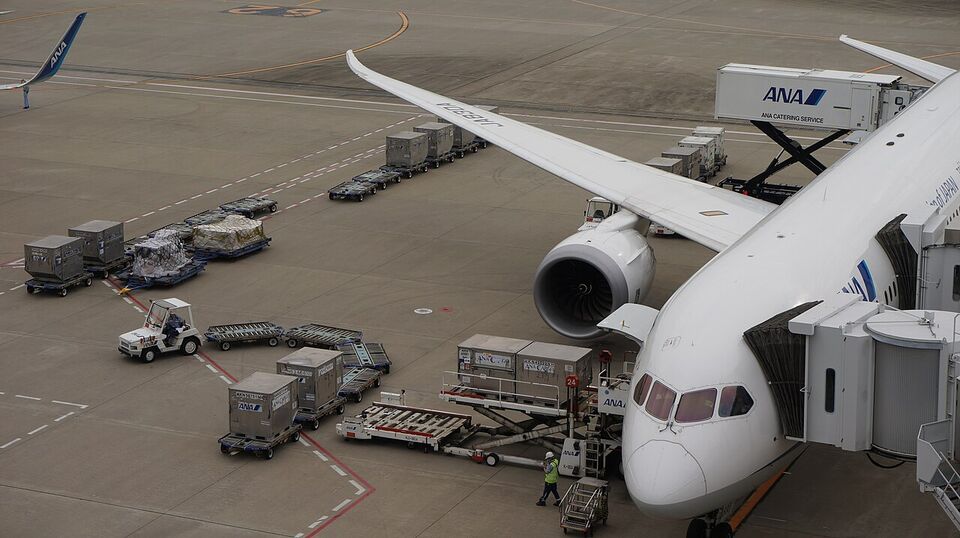
The short answer: nonstop from most big US airports
Japan is one of the easiest long-haul destinations to reach from the United States. Most large US airports have a nonstop, the flight is about 10 to 14 hours from the mainland, and the biggest question is not whether you can fly direct, but which Tokyo airport and which airline suit your trip.
The rest of this page lists who flies where as of November 2026, compares Haneda with Narita, explains how to get into town from each airport, and gives practical advice on timing your booking, the date line and jet lag. Airline schedules change by season, so confirm a route on the airline's own site before you buy.
US nonstops by city and airline
Japan's two Tokyo airports are Haneda (HND) and Narita (NRT). Osaka's is Kansai (KIX). The table lists the routes we found through airline announcements and route listings in November 2026. Only the United Chicago-Narita and San Francisco-Sapporo flights, Delta's Seattle flights and Japan Airlines' published US routes were checked against airline pages. The rest come from route listings that did not always agree with each other, so treat any single airline as "reported" until you see it in a booking engine. It is a guide rather than a timetable, and some routes are seasonal.
| US city | Tokyo Haneda (HND) | Tokyo Narita (NRT) | Other Japan airports | Approx. flight time |
|---|---|---|---|---|
| Los Angeles (LAX) | ANA, JAL, Delta, United, American | ANA, JAL, United | Osaka Kansai: JAL (some days only) | 11-12 hours |
| San Francisco (SFO) | ANA, JAL, United | ANA, JAL, United | Osaka Kansai: United; Sapporo: United from Dec 11, 2026 (3 times a week, winter only; reported) | About 11 hours |
| Seattle (SEA) | ANA, Delta | JAL, Alaska; Delta daily from March 27, 2027 | Osaka Kansai: Alaska (reported, unconfirmed) | 10-11 hours |
| Chicago (ORD) | ANA, JAL, United | United daily from Oct 24, 2026; ANA; American daily from March 27, 2027 | About 13 hours | |
| New York (JFK) | ANA, JAL, American | About 14 hours | ||
| Newark (EWR) | United (reported) | About 14 hours | ||
| Washington Dulles (IAD) | ANA, United | About 14 hours | ||
| Dallas-Fort Worth (DFW) | JAL, American | American | About 13 hours | |
| Houston (IAH) | ANA | United | About 13-14 hours | |
| Atlanta, Detroit, Minneapolis | Delta (each) | 12-14 hours | ||
| Boston (BOS), San Diego (SAN) | JAL (each) | BOS about 14; SAN about 11 | ||
| Denver (DEN) | United (reported) | About 12 hours | ||
| Honolulu (HNL) | ANA, JAL, Delta, Alaska | ANA, JAL | Osaka Kansai: JAL, Alaska; Nagoya Chubu: JAL | About 8 hours |
Flights home are usually one to two hours shorter than the outbound flight because of the jet stream. Flight times above are typical block times from general sources and vary by route and day. Hawaii is the only part of the US with a nonstop to Nagoya. We could not confirm mainland nonstops to Fukuoka, Nagoya or Okinawa, so those need a connection in Tokyo, Osaka or Seoul.
What is new for winter 2026-27 and 2027
- United, Chicago O'Hare to Tokyo Narita: daily on a Boeing 787-8 (expected) from October 24, 2026, per United's May 2026 announcement.
- United, San Francisco to Sapporo (New Chitose): three flights a week from December 11, 2026 through March 2027, on a Boeing 787-9 (expected). United calls it the first nonstop between the US mainland and Sapporo; it is aimed at ski season. The days of the week were not stated in United's announcement, so check them when you book. See Hokkaido and Skiing in Japan.
- Delta, Seattle to Tokyo Narita: daily from March 27, 2027 on an Airbus A330-900neo, in addition to its Seattle-Haneda flight (per Delta's announcement).
- American, Chicago to Tokyo Narita: reported as daily from March 27, 2027 (secondary sources; check American's site).
United said in May 2026 that it will run up to 13 daily flights between the US mainland and four Japanese airports this winter. Because new routes are announced and sometimes trimmed, check the schedule when you book.
Insider tip
Alliances matter for miles and connections. ANA and United are in Star Alliance, JAL, American and Alaska in oneworld, and Delta in SkyTeam. If you hold elite status or miles with one, filter by alliance first, then compare fares. Japanese carriers (ANA, JAL) are known for service, but we do not rank them.
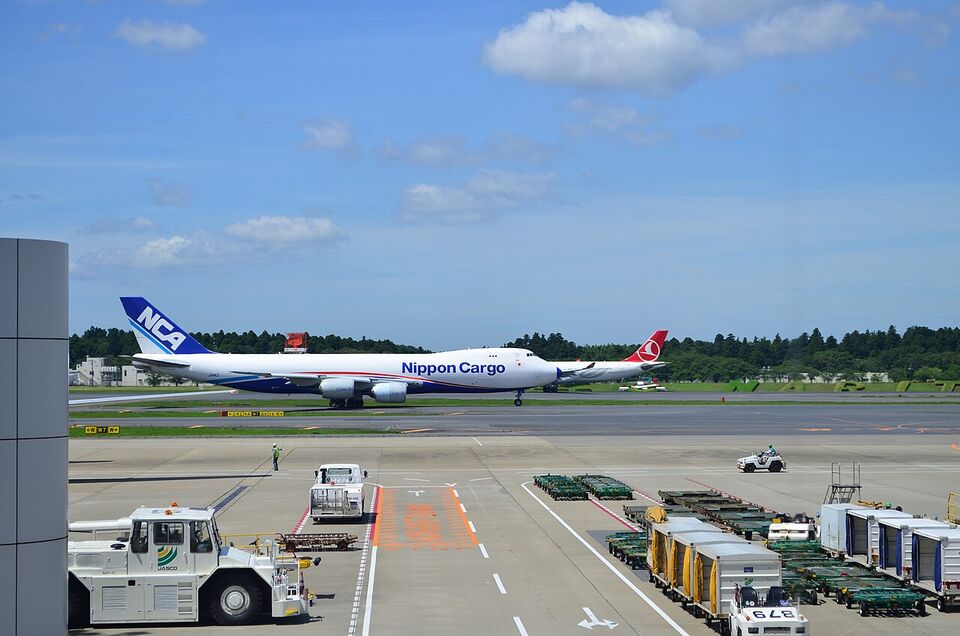
Haneda or Narita?
If you can choose, we suggest Haneda for most visitors. It is the closer, cheaper and faster airport to reach central Tokyo. Narita is a good option when the fare or schedule is better, or when you are heading east toward Chiba or Narita itself.
| Haneda (HND) | Narita (NRT) | |
|---|---|---|
| Distance to central Tokyo | About 9 miles (14 km) | About 40 miles (65 km) |
| Train to Tokyo area | Keikyu Line to Shinagawa: 20-25 min, ¥540 (about $3.50). Tokyo Monorail to Hamamatsucho: about 25 min, ¥720 (about $4.60) | Narita Express to Tokyo Station: 53-60 min, ¥3,140 (about $20); to Shinjuku, Shibuya or Shinagawa ¥3,330 (about $21) |
| Cheaper train options | Keikyu through service to Asakusa: about 40-50 min, about ¥650 | Keisei Skyliner to Nippori or Ueno: about 36-41 min, about ¥2,470; Keisei Access Express or Main Line about 60-80 min, roughly ¥1,300-1,500 |
| Bus | Limousine bus from about ¥1,000, Tokyo Station about ¥1,200, Shibuya about ¥1,300; 30-60 min | Airport Limousine about ¥3,100 (about $20) to Tokyo Station, 70-100 min |
| Taxi (central Tokyo) | Flat fares about ¥7,600 to Tokyo Station, ¥8,500 to Shibuya, ¥9,100 to Asakusa (about $48-58); surcharge 10 p.m.-5 a.m. | Fixed fares by zone: about ¥29,000-31,000 (about $185-197) to Tokyo Station area, ¥31,500-32,500 (about $201-207) to Shinjuku or Shibuya, plus tolls |
The prices come from a mix of operator pages and secondary sources. The Narita Express fares are from JR East (page updated March 14, 2026). Haneda fares are from a Tokyo guide updated April 2026 and are approximate. Check the Skyliner fare on the Keisei website. Also note that some N'EX services were suspended on November 6-8, 2026, so check for track work if you land in that window.
For many travelers, the better question is where your hotel is. Haneda is faster to Shinagawa, Shibuya, Ginza and Asakusa. Narita is nearer to Ueno and Nippori by Skyliner, and the Narita Express runs directly to Tokyo, Shinjuku, Shibuya and Yokohama. For neighborhoods and subway options, see Tokyo. For a Tokyo Subway Ticket, see Money in Japan.
Late arrivals
US flights tend to land at Haneda in the late evening, and at Narita in the afternoon. Haneda is the safer one for a midnight arrival, since it keeps late-night buses and taxis available (at higher fares), but trains stop at midnight or a little after. At Narita, the last trains to central Tokyo leave around 10 or 11 p.m., and a late arrival can mean an expensive taxi or an airport hotel. If your flight is delayed, plan a first night near the airport or check what the last train is before you commit to a downtown hotel. We suggest confirming the last-train time with the airport website once you know your arrival time.
Getting to Osaka and Kyoto from Kansai Airport
If you fly into Osaka Kansai (KIX), the airport is on an island in Osaka Bay. These are the usual options:
- Kyoto: the JR Haruka limited express takes about 80 minutes. The standard fare is ¥3,390 (about $22) for an unreserved seat, with a reserved seat extra at about ¥530. Foreign-visitor discount tickets (bought outside Japan with your passport) cost ¥2,700 (about $17) to Kyoto. The JR Pass covers it.
- Osaka (Namba): the Nankai Rapi:t limited express takes about 38 minutes for ¥1,670 (about $11), or the cheaper Nankai Airport Express takes about 43 minutes for ¥970 (about $6) with no reservation and IC cards accepted.
- Shin-Osaka: the Haruka runs there too, with a discount ticket of ¥1,900 (about $12).
Prices are from a secondary source updated in April 2026, so check them before you go. See Osaka and Kyoto for more, and Is the JR Pass Worth It? before buying a rail pass.
Open-jaw tickets
An open-jaw ticket flies you into one city and home from another, for example into Tokyo and out of Osaka. It saves a day of backtracking by bullet train, and it often costs little more than a round trip. Search "multi-city" or "open jaw" in the airline's booking engine. Combine it with a luggage-forwarding service to send your bags ahead (see Getting Around Japan). If you want to add Korea or Taiwan, see Japan and Its Neighbors.
When to book and what drives the price
Fares to Japan move with season, not just booking date. The general pattern is that the most expensive periods are cherry blossom season (late March to early April), Golden Week (late April to early May), Obon (mid-August), autumn leaves (November) and the New Year period. January and February, apart from the New Year week, and early December are usually the cheapest, and the summer months are cheaper than you might expect because of the heat.
As a general guide, not a rule, we suggest booking two to six months ahead for most dates, and six to nine months ahead for cherry blossom season or a trip over a holiday. Set a fare alert on a flight search site, and book when a fare is within a normal range for your dates rather than waiting for a bargain that may not come. Check the airline's own site for baggage rules, because Japanese carriers are often more generous than US basic-economy fares.
- Fly midweek rather than weekends if your dates are flexible.
- Compare Haneda and Narita; the fare difference can be large.
- Look at premium economy: on a 12-hour flight, the extra legroom is worth pricing out.
- Check the dates for the departure tax: the ¥3,000 per person charge applies to flights leaving Japan on or after July 1, 2026. See Entry Requirements.
Also factor the cost of getting to your US departure gateway. A cheap fare from a hub city can cost more once you add the positioning flight.
Save money
Before you book a ticket with a layover in Asia, compare it with a nonstop to Tokyo plus a cheap domestic or low-cost flight within Japan. Savings of a few hundred dollars may not be worth an extra 5 to 10 hours on a long itinerary. For travel inside Japan, flights and trains are covered in Getting Around Japan.
What to expect when you land
After landing you go through immigration (fingerprints and a photo, see Entry Requirements), collect your bags, and clear customs. At Narita and Haneda this can take from 30 minutes to well over an hour when several long-haul flights arrive together. Have your Visit Japan Web QR codes ready, and use the shortest line available for foreign visitors.
Inside the arrivals hall, you can buy an IC card or Welcome Suica, collect a pocket Wi-Fi or SIM, withdraw yen from a 7-Eleven or post office ATM, and book luggage forwarding to your hotel. If you have a pre-bought rail pass exchange order, the JR East Travel Service Center in the terminal handles it. Read Staying Connected in Japan and Money in Japan before you land so you know what to buy first.
When you leave, allow plenty of time. Plan to be at the airport at least three hours before an international departure, more if you want to complete the tax-free refund procedure at the terminal before you check bags (see Shopping and Bringing It Home). Luggage allowances on Japanese carriers can differ from US ones, and you should check them again if you buy souvenirs.
Crossing the date line: what day will it be
Japan is nine hours ahead of Coordinated Universal Time and has no daylight saving time. That puts it 14 hours ahead of New York in winter (13 in summer), 15 ahead of Chicago (14 in summer), 17 ahead of Los Angeles (16 in summer) and 19 ahead of Honolulu.
Because of the time difference and the length of the flight, nearly every trip from the mainland arrives the day after you leave. A typical example: leave Los Angeles at about 1 p.m. on Monday in winter, fly about 11.5 hours, and land at about 5:30 p.m. on Tuesday Japan time. Your hotel booking should start on the night you land, which is a calendar day after you depart. Many travelers lose a night by booking the day they leave. Flights from the East Coast leave in the morning or at midday and land the next afternoon or evening.
On the way home the reverse is true: you often arrive at a US airport on the same calendar day you left Japan, earlier on the clock than you departed. Do not book anything important for your first morning back. The Converters for Americans page includes a time-zone tool, and Plan Your Trip to Japan shows how many days to allow.
Beating jet lag
A 13 to 17-hour gap is large, and eastbound flights are harder than westbound ones. Most people feel tired for the first few days and a bit off for up to a week. A few practical steps help.
- Shift a little before you go. For three or four nights, go to bed and rise an hour or so earlier if you can. Do not try to change everything at once.
- Set your watch to Japan time at boarding. If it is night in Japan, try to sleep. If it is day there, stay awake with a movie, a walk in the aisle and water.
- Limit alcohol and heavy meals on the plane, drink water, and consider an eye mask, ear plugs and a neck pillow.
- Get outside in daylight as soon as you land, even for a walk of 30 minutes, and eat meals at local times. Avoid a long afternoon nap; if you must, keep it to 30 minutes.
- Keep the first day light. A visit to a neighborhood, a temple garden or a bath (see Onsen and Hot Springs) is better than a packed itinerary.
- Be careful with sleep aids. Medicines that are routine in the US may be restricted in Japan; see the medicine rules in Entry Requirements and ask your doctor.
Plan the first two days with flexible bookings, and put timed tickets or tours (Ghibli Museum, teamLab, a Mount Fuji tour) on day three or later. If you will be waking up at 3 a.m., many convenience stores are open 24 hours, and an early start suits dawn visits to places like Fushimi Inari. Travelers with health conditions should ask a doctor about long flights and blood clots (moving, hydration and compression socks are standard advice).
Watch out
Check your passport and Visit Japan Web before you reach the airport. Airlines often check your passport, onward ticket and sometimes your entry documents at check-in, and you cannot board without them. See Entry Requirements for the list. If a typhoon is forecast, airlines usually post waivers allowing free changes, so check the airline's alerts a few days ahead. See Safety in Japan.
Add it to a route in the trip builder, or ask us to plan the hotels, trains and guides for you.