What to see and how to plan it
Tokyo's sights are spread over a huge area, so the best plan groups them by district: Asakusa and Ueno in the east, Harajuku and Shibuya in the west, and the waterfront and palace in the middle. Three full days cover the main sights, with one extra day for the Ghibli Museum or a day trip. Most of the best things here are free or cost under ¥3,500 (about $22).
The biggest planning trap is timed tickets. teamLab, Shibuya Sky and the Ghibli Museum all sell time slots, and some sell out weeks ahead. Book them before you fly, and keep the other days loose. If you need help with transit, see Tokyo; for restaurants near each sight, see Tokyo Food and Nightlife.
Prices at a glance
Prices are for adults in November 2026. Several of these change with the season or day, so use the official page at booking time. The US dollar column uses US$1 = ¥157.
| Sight | Adult price | US$ | Notes |
|---|---|---|---|
| Senso-ji | Free | 0 | Grounds open all day; main hall hours are shorter |
| Meiji Jingu | Free (Inner Garden ¥500) | about $3.20 for the garden | Shrine closes at dusk; hours change by month |
| Imperial Palace East Gardens | Free | 0 | Closed Mondays and Fridays |
| Shibuya Sky | reported about ¥2,700 before 3 p.m., ¥3,400 later (online) | about $17-22 | Timed entry; price not confirmed on the official page, so check it before booking |
| Tokyo Skytree (Tembo Deck) | from ¥1,800 online | from about $11.50 | Price shown per visit day; same-day desk tickets add a ¥500 fee |
| teamLab Planets | ¥3,800 | about $24 | Timed ticket, online only; prices can vary by date |
| teamLab Borderless | about ¥3,400 for adults | about $22 | Dynamic pricing, so the price varies by date and time |
| Ghibli Museum | ¥1,000 | about $6 | Date and time fixed; no door sales |
| Tokyo National Museum | ¥1,000 | about $6 | Special exhibitions cost extra |
| Edo-Tokyo Museum | about ¥800 | about $5 | Permanent exhibition; special shows extra |
| Toyosu tuna auction viewing | Free | 0 | Lottery only |
| Sumo (chair seat) | about ¥3,500-5,500 | about $22-35 | Three tournaments a year |
Senso-ji and Asakusa
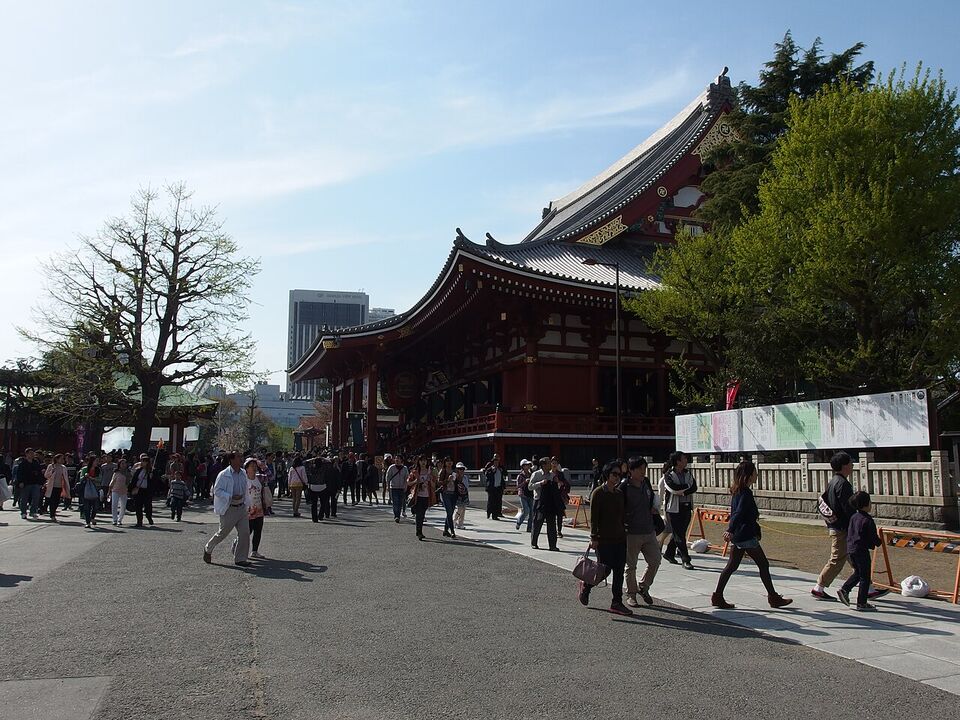
Senso-ji is Tokyo's oldest temple, in Asakusa, and it is also the most visited. You enter through the Kaminarimon gate with its giant red lantern, walk the Nakamise shopping street, and reach the main hall and five-story pagoda. Admission is free. The grounds are open around the clock, and the main hall is usually open from early morning (about 6 a.m., a little later in winter) until about 5 p.m. Stalls on Nakamise mostly open about 10 a.m. and close by 5 or 6 p.m.
The temple gets very crowded from mid-morning to mid-afternoon. Come at 7 or 8 a.m. for quiet and clear photos, or after the shops close, when the buildings are lit. Fortune slips (omikuji) cost about ¥100 (about $0.65), and if you draw a bad one you tie it to the rack. For how to behave at temples and shrines, see Temples, Shrines and Castles.
Insider tip
Walk past the main hall to the small Asakusa Shrine next door, which is usually calm, and then to the side streets around Kappabashi for kitchenware. Pair Asakusa with Ueno or Skytree, both a short ride away.
Meiji Jingu and Harajuku
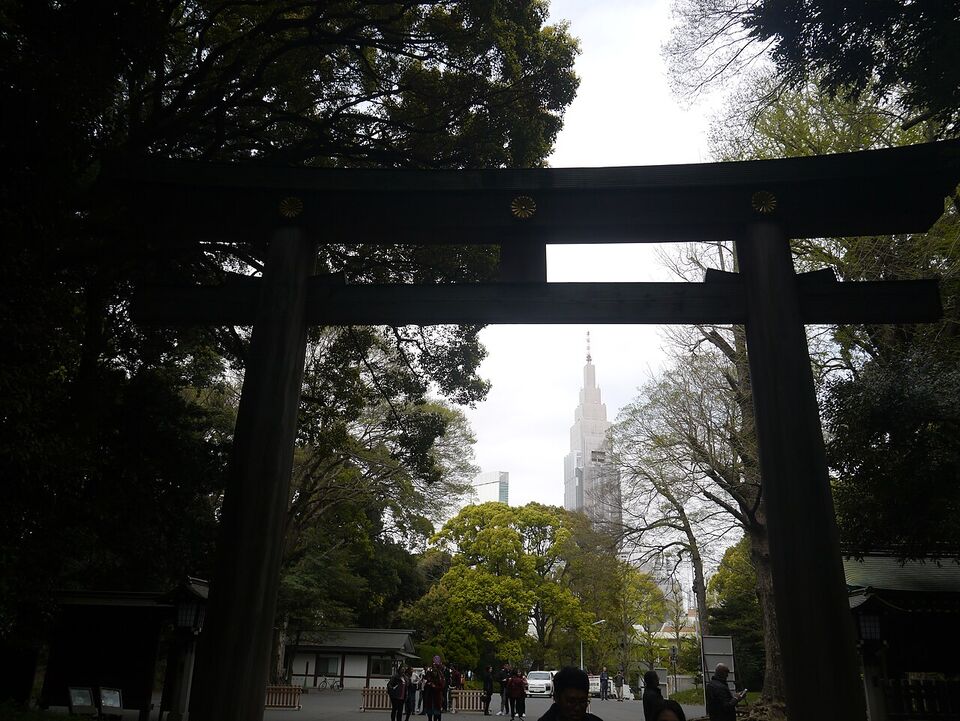
Meiji Jingu is a Shinto shrine for the Meiji Emperor, set in a wooded park of about 170 acres (70 hectares) between Harajuku and Shinjuku. The walk from the gate under the huge wooden torii takes 10 to 15 minutes through the trees. Entry is free, with the shrine open from sunrise to sunset: in November, about 6:10 a.m. to 4:10 p.m. The Inner Garden (Gyoen) costs ¥500 (about $3.20) and has different hours. On weekends you may see a wedding procession, so keep a respectful distance and do not block the path.
Harajuku is the neighborhood outside the station, with Takeshita Street for teen fashion and snacks, and Omotesando for upscale shopping. It is crowded on weekends. Visit the shrine first, early in the day, then browse the street.
Imperial Palace East Gardens
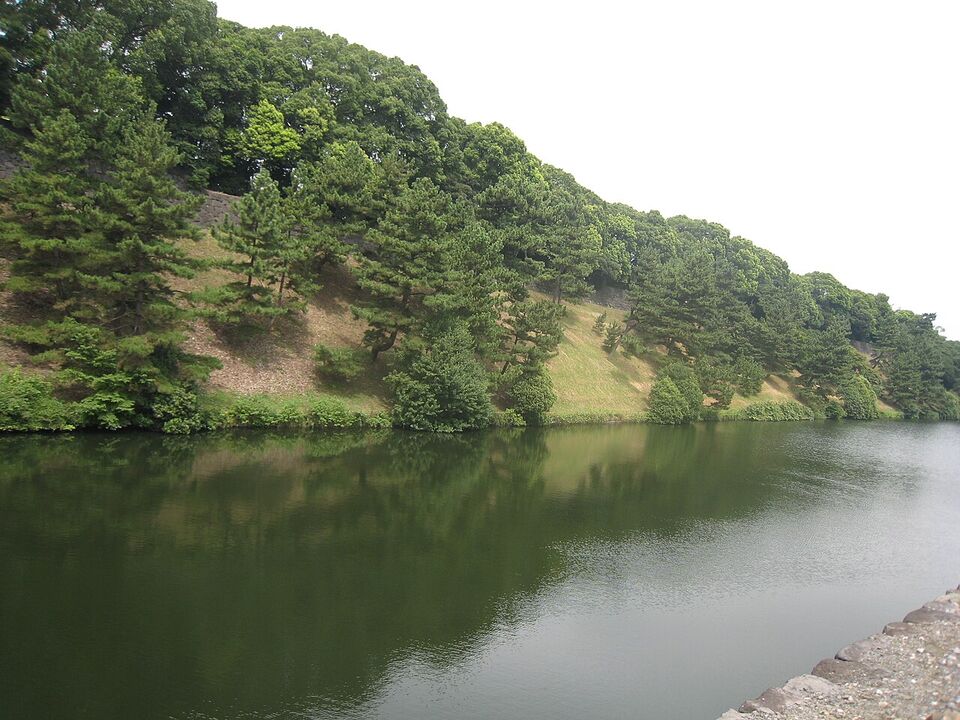
The Imperial Palace is still the home of the Emperor, and the inner grounds are not open to the public. The East Gardens, once part of Edo Castle, are open to everyone for free. You see the stone walls, moats, a few guard houses and a lawn. Entry is through the Otemon, Hirakawa-mon or Kitahanebashi-mon gates, with bag inspection at the entrance.
The gardens are closed on Mondays and Fridays (except national holidays, with the Emperor's Birthday on February 23 an exception), from December 28 to January 3, and at times for court events. If a Monday is a national holiday, the gardens close the next day instead. Hours change with the season: from November 1 to the end of February, they are 9 a.m. to 4 p.m., with the last entry at 3:30 p.m. In summer they stay open until 5:30 or 6 p.m. Limited guided tours of the palace grounds are offered through the Imperial Household Agency; check its site for dates and how to apply.
Shibuya Crossing and Shibuya Sky
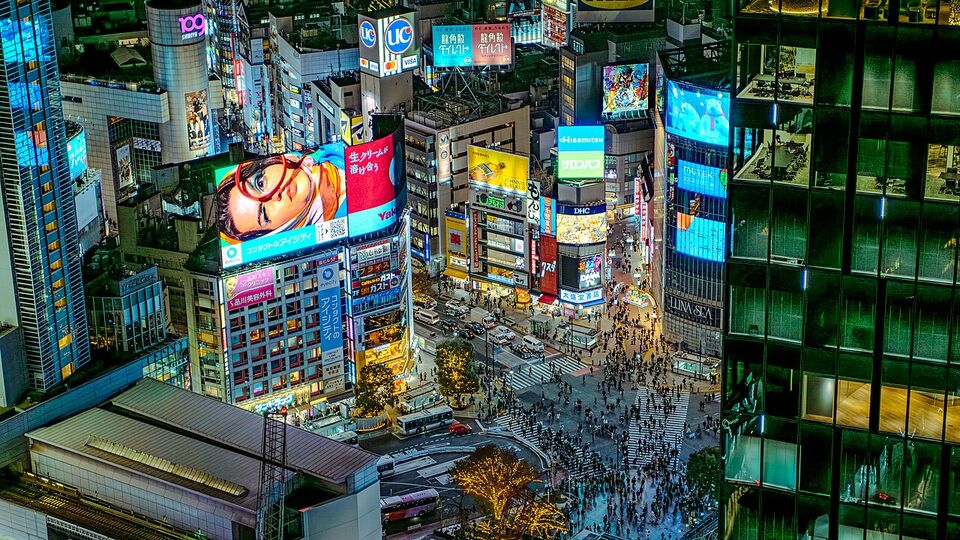
The Shibuya Scramble is a large intersection where traffic stops in all directions and crowds cross at once. It is free and busy at any hour, and works best at dusk when the screens come on. The Hachiko statue, honoring a loyal dog, is by the station exit and is a common meeting point.
For the view from above, use Shibuya Sky, an open-air rooftop on top of Shibuya Scramble Square, about 750 feet (229 m) up. It opens at 10 a.m. and runs until about 10:30 p.m. We could not confirm the price on the official page. Recent guides report roughly ¥2,700 (about $17) for entry before 3 p.m. and ¥3,400 (about $22) from 3 p.m. on, so confirm on the official Shibuya Scramble Square page. Tickets are timed and, reportedly, released a few weeks ahead. Sunset slots sell out first.
Bags, hats, food, drinks, tripods and selfie sticks are reported to be banned on the rooftop; check the rules when you book. Phones and small neck-strap cameras are fine, and lockers are provided for your loose items. The deck can close in high winds.
Tokyo Skytree
Tokyo Skytree, in Oshiage near Asakusa, is 2,080 feet (634 m) tall and the tallest tower in Japan. The Tembo Deck at 1,148 feet (350 m) starts at ¥1,800 (about $11.50) for adults when booked online, with the price depending on the day shown at booking, and the upper Tembo Galleria at 1,476 feet (450 m) costs extra. Buying the same day at the desk or machines adds a ¥500 (about $3.20) fee per ticket, so book ahead. Check the official opening-hours page, because hours change by season and day.
The tower sits above a shopping and dining complex, so it is easy to combine with Asakusa. Skytree and Shibuya Sky are similar experiences. If you see only one, Shibuya Sky is better placed for sunset and for looking down on the crossing, while Skytree is higher and easy to combine with Asakusa.
teamLab Planets and Borderless
teamLab is a digital art collective with two permanent museums in Tokyo. teamLab Planets is in Toyosu, reached by the Yurikamome line to Shin-Toyosu. You walk barefoot through ankle- or knee-deep water, through rooms of mirrors, and into a garden of orchids. Tickets for adults 18 and over are ¥3,800 (about $24), junior high and high school students ¥2,800 (about $18), children 4 to 12 ¥1,500 (about $9.60). They are timed and sold online only, and prices can change with dynamic pricing. Hours are usually 8 a.m. to 10 p.m., with the last entry an hour before closing. It closes on a few scheduled days (the official calendar lists Thursday, December 3, 2026 and Thursday, January 14, 2027), so check the calendar.
Wear clothes you can roll up, because water can reach knee height. Free rental shorts, towels and shoes are available, and the staff will store your bag in a locker. Some floors are mirrored, so wear pants or shorts (free rental shorts are available). Children under 13 need an adult, and some rooms are not suitable for pregnant visitors.
teamLab Borderless is in Azabudai Hills near Roppongi. It is a maze-like museum where artworks move between rooms, so visits are unplanned. An adult ticket is around ¥3,200 (about $20) in one 2026 guide, with higher weekend and peak prices, and other sources give a higher range. We could not confirm the current price, so check the official ticket site. Hours vary, and weekday visits are shorter than weekend ones. If you only have time for one, Planets is more physical and Borderless is more exploratory.
The Ghibli Museum
The Ghibli Museum in Mitaka, west of Shinjuku, is a small museum about the animation studio's films, with original drawings, a short film room and a rooftop garden. Admission is by advance reservation only, with nothing sold at the door and no reservations at the museum. Adults 19 and over pay ¥1,000 (about $6); ages 13 to 18 pay ¥700 (about $4.50), 7 to 12 pay ¥400 (about $2.50), 4 to 6 pay ¥100 (about $0.65), and children 3 and under are free.
- Sale date: Tickets for each month go on sale at 10 a.m. Japan time on the 10th of the month before. The next sale, for December visits, is November 10, 2026, and January tickets go on sale December 10.
- Where: The official Ghibli Museum site links to the English Lawson Ticket page for overseas buyers.
- Entry times: Tickets are for one date and entry time (commonly 10 a.m., noon, 2 p.m. and 4 p.m.). There is no set time to leave.
- ID: The person who booked must bring the same passport, and names must match.
- Resale: Tickets cannot be resold. Tours that include admission exist if you miss out.
The museum is usually closed one day a week and for some other days, so check the booking calendar for open dates. You reach it by taking the JR Chuo Line to Mitaka and a short bus or a 15-minute walk. Photography inside is not allowed. For the larger Ghibli Park near Nagoya, see Anime, Games and Pop Culture.
Watch out
Do not buy Ghibli Museum tickets from resellers or auction sites. The museum checks names and passports at the door, and tickets in someone else's name will be refused.
Museums: Tokyo National Museum and Edo-Tokyo Museum
The Tokyo National Museum in Ueno Park is Japan's largest museum, with samurai swords, ceramics, Buddhist sculpture, kimono and ukiyo-e prints in several buildings. Admission to the collection is ¥1,000 (about $6) for adults, ¥500 for university students, and free for anyone under 18 or over 70 with proof of age. Hours are 9:30 a.m. to 5 p.m., and until 8 p.m. on Fridays and Saturdays. It is closed on Mondays (or Tuesday if Monday is a holiday), on December 15, 2026, and from December 26 to 31, 2026. Admission is free on November 3, 2026. Allow two to three hours, and start with the Japanese Gallery in the main building.
The Edo-Tokyo Museum in Ryogoku reopened on March 31, 2026, after being closed for renovation since April 2022. It tells the story of Edo and Tokyo with life-size buildings and models. Adults pay ¥800 (about $5) for the permanent exhibition, ages 65 and over ¥400, university students ¥480, high school students ¥300, and younger students are free. Special exhibitions are extra, at around ¥1,300 (about $8.30). The museum is typically closed on Mondays, but check its calendar. It is a short walk from the sumo hall, so it pairs well with a tournament day.
Toyosu and the Tsukiji Outer Market
Tokyo's wholesale fish market moved from Tsukiji to Toyosu in 2018. Toyosu now holds the tuna auction, and the old Tsukiji site's outer market remains as a street of shops and eateries. They are two different experiences.
Toyosu tuna auction viewing
Seeing the tuna auction at Toyosu is free but needs a place in the monthly lottery. Entry is by application on the Tokyo Metropolitan Government's website for the next month's dates, and a window of about a week opens each month; for example, the August 2026 entries ran from July 1 to 7, and September's from August 5 to 12. Winners are told by email. The tour runs from about 5:45 to 6:25 a.m., and you must meet at the Promotional Corner on the third floor of Block 7 at 5:30 a.m. Bring photo ID. There are rules: no flash, follow the guide's instructions, no one who has been drinking, and no transfers or changes of date.
The market is closed on Sundays, national holidays, and some Wednesdays. If you do not win the lottery, you can still view the market from the visitor walkways during the day, and eat sushi at the market restaurants. Plan to get there by taxi or on the Yurikamome line, since early trains do not reach it at 5 a.m.
Tsukiji outer market
The Tsukiji outer market is liveliest from about 9 a.m. to 1 p.m. Most shops close by early afternoon and many are closed on Wednesdays, Sundays and national holidays. You can try tamagoyaki (sweet omelet), grilled seafood skewers and sushi at the counters. Many stalls are cash only, so carry cash. Eating while walking is discouraged: eat in front of the shop where you bought or in a designated area, and throw trash in the shop's bin. Lanes are narrow, and large groups and big suitcases are unwelcome.
Sumo in Tokyo
Tokyo hosts three of the six annual grand sumo tournaments, all at the Ryogoku Kokugikan: January 10-24, May 9-23 and September 12-26, 2027. Each lasts 15 days, with bouts from the morning for the lower ranks. The top division wrestlers fight in the late afternoon, ending around 6 p.m. You do not need to stay all day.
Tickets for January go on sale December 5, 2026, and for May and September on April 10 and August 7, 2027. The official English ticket site, Ticket Oozumo, takes online orders, and a handling fee applies. The Kokugikan box office sells same-day tickets on quieter days. The January tournament often sells out quickly.
| Seat | Approximate price | Notes |
|---|---|---|
| Chair seat C | ¥3,500-4,000 (about $22-25) | Lower-priced chair category |
| Chair seat B | ¥5,000-5,500 (about $32-35) | Higher-priced chair category |
| Box seat C (4 people) | ¥34,000-38,000 (about $217-242) | Tatami floor, shoes off, four people |
| Box seat B (4 people) | ¥40,000-42,000 (about $255-267) | Higher-priced box category; weekends cost more |
Chair seats are the better choice for most visitors because box seats are cramped for adults who do not sit on the floor. Food and drink may be taken to your seat, apart from the ringside seats. Tickets cannot be changed or cancelled once bought, and programs can change at short notice. Prices are approximate and we could not confirm them on the Sumo Association page this month, so check the ticket site before you buy.
A sample three-day plan
- Day 1
Old Tokyo: Asakusa, Ueno and Yanaka
Be at Senso-ji by 8 a.m., then walk Nakamise and Asakusa Shrine. Ride to Ueno for the Tokyo National Museum (open 9:30 a.m.), then walk through Yanaka for the old streets and a late afternoon snack. If the museum is closed (Monday), swap in the Edo-Tokyo Museum and a sumo day if a tournament is on. For dinner, see Tokyo Food and Nightlife.
- Day 2
Harajuku, Shibuya and Shinjuku
Reach Meiji Jingu when it opens, then Takeshita Street and Omotesando. Lunch in Shibuya, and book a Shibuya Sky slot about 30 minutes before sunset. Cross the crossing at dusk, and finish in Shinjuku for dinner and a drink in the alleys. The last trains stop around midnight.
- Day 3
Waterfront, market and palace
Eat breakfast at the Tsukiji outer market (not Wednesday or Sunday), then ride to Toyosu for your teamLab Planets slot. In the afternoon, go to the Imperial Palace East Gardens, arriving before 3:30 p.m. in winter, and not on Monday or Friday. If teamLab is not your thing, swap in teamLab Borderless in the evening or the Ghibli Museum if you hold tickets.
- Extra day
Ghibli, a day trip or sumo
With a fourth or fifth day, go to the Ghibli Museum in Mitaka, take a day trip (see Day Trips from Tokyo), or watch a sumo tournament if one is on. Tokyo and Kyoto together are covered in Tokyo vs Kyoto.
Save money
Most of Tokyo's great experiences cost nothing: the shrines, the palace gardens, the crossing and wandering Yanaka. Choose one paid view (a deck) rather than two, use a Tokyo Subway Ticket on a heavy subway day, and buy teamLab and Skytree tickets in advance to avoid the ¥500 same-day fee. See Money in Japan for cards and cash.
Add it to a route in the trip builder, or ask us to plan the hotels, trains and guides for you.