Korean in one page
You can travel in South Korea without speaking Korean. In Seoul, Busan and other big cities, subway and street signs carry English, and hotels, tourist offices and many restaurants have someone who can help. Outside those places, a few phrases and a translation app make the difference between a polite blank and a smooth exchange. This page gives you the writing system in a nutshell, pronunciation tips for Americans, and short phrase lists by situation, with Hangul (the Korean alphabet), romanization and an easy pronunciation.
We use Revised Romanization, the system used on Korean road signs and subway maps. The "say it" column is an approximation for English speakers, not an exact sound. For manners that go with the words, see our etiquette guide. For apps and data, see phones and apps.
Hangul: why you can learn it in an hour
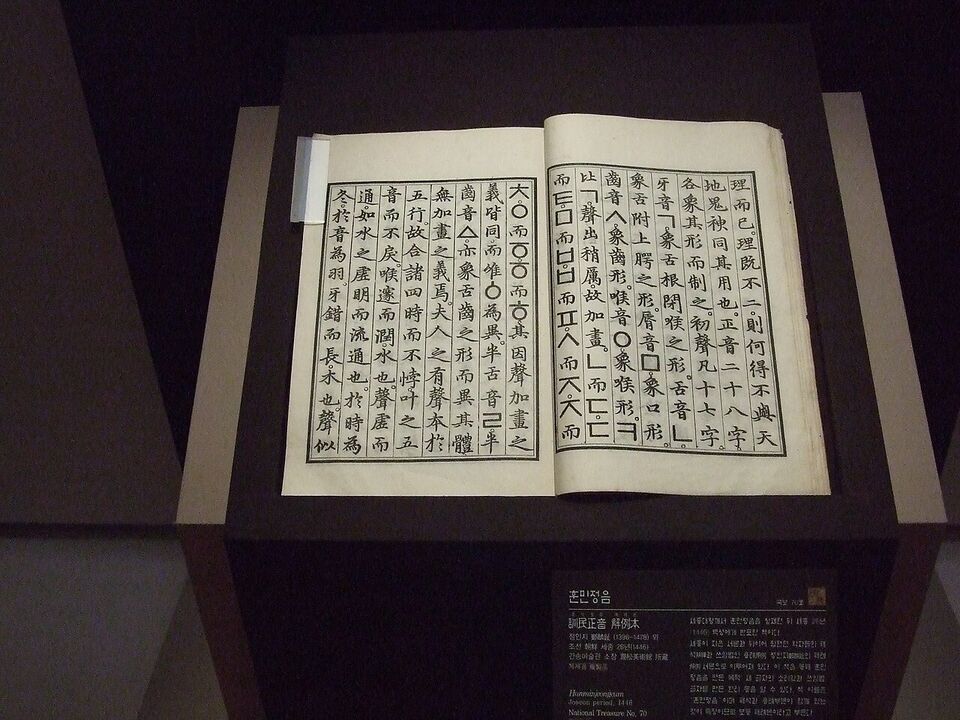
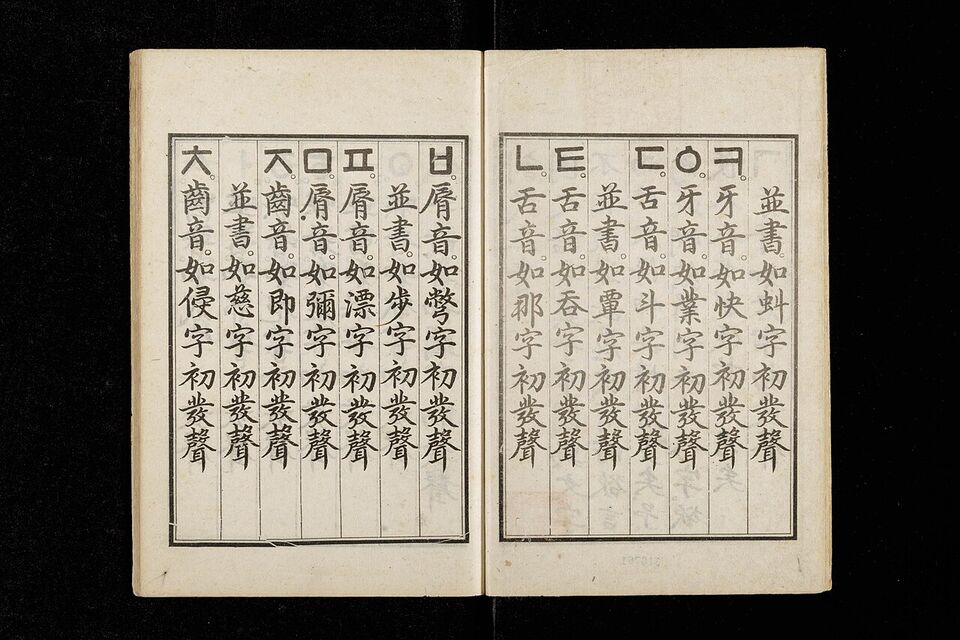
Hangul (한글) is the Korean alphabet, created in the 15th century under King Sejong the Great and officially published in 1446. It has 24 basic letters, 14 consonants and 10 vowels, and the shapes follow logic: consonant shapes show how your mouth makes the sound, and vowels are built from a line and a dot. Letters are grouped into square blocks, one block per syllable.
That is why visitors can read it quickly. You do not need to know what a word means to sound it out, and many Korean words are borrowed English words that you will recognize once you can read them, such as the Hangul for "coffee" or "taxi". A good rule of thumb is to learn the consonants and vowels in the table below, then practice by reading station names (the table shows the main letters, not all 24) on the subway map.
| Letter | Sound | Letter | Sound |
|---|---|---|---|
| ㄱ | g (k at the end) | ㅏ | a, as in "father" |
| ㄴ | n | ㅓ | eo, like "uh" in "cut" |
| ㄷ | d (t at the end) | ㅗ | o, as in "go" |
| ㄹ | r between vowels, l at the end | ㅜ | u, as in "moon" |
| ㅁ | m | ㅡ | eu, like "oo" with spread lips |
| ㅂ | b (p at the end) | ㅣ | i, as in "see" |
| ㅅ | s | ㅇ | silent at the start; "ng" at the end |
| ㅈ | j | ㅊ | ch |
| ㅋ | k, with a puff of air | ㅌ | t, with a puff of air |
Try it: 가 is ga and 나 is na. The word 커피 reads keopi, which is "coffee".
Pronunciation tips for Americans
- Vowels are short and clean. Say each vowel without gliding into a second sound, as English often does.
- Eo and eu are the tricky ones. "Eo" is a relaxed "uh". "Eu" is like "oo" with your lips spread, not rounded.
- There are three kinds of k, t, p, ch. Plain, with a puff of air, and tense (a tight sound with no puff). Do not worry about the difference at first. Context and gestures carry you.
- The R is between an R and an L. A quick tap of the tongue, like the "tt" in "butter" said fast.
- Stress is light and even. Give each syllable roughly equal weight, instead of the English up-and-down stress.
- Sounds shift in sequence. Some letters sound different next to others, which is why the romanization of a word can differ from the spelling. Use the spoken form in this guide and the signs will teach you the rest.
Greetings and politeness levels
Korean has levels of speech that change word endings depending on who you speak to. As a visitor, you only need one: the polite everyday level that ends in -yo (요). A more formal level ending in -mnida is used in shops, announcements and business, and you will hear it when staff greet you. The casual level is used among close friends and with children, and you should not use it with strangers.
| English | Hangul | Romanization | Say it |
|---|---|---|---|
| Hello | 안녕하세요 | annyeonghaseyo | ahn-nyuhng-ha-seh-yo |
| Goodbye (you are leaving) | 안녕히 계세요 | annyeonghi gyeseyo | ahn-nyuhng-hee gyeh-seh-yo |
| Goodbye (they are leaving) | 안녕히 가세요 | annyeonghi gaseyo | ahn-nyuhng-hee gah-seh-yo |
| Nice to meet you | 반가워요 | bangawoyo | bahn-gah-wuh-yo |
| Yes | 네 | ne | neh |
| No | 아니요 | aniyo | ah-nee-yo |
| I don't know / I'm not sure | 모르겠어요 | moreugesseoyo | moh-reu-geh-ss-uh-yo |
| Do you speak English? | 영어 할 수 있어요? | yeongeo hal su isseoyo? | yuhng-uh hahl soo ee-ss-uh-yo |
A slight bow of the head goes with a greeting, and a handshake is common in business. See etiquette.
Thanks, please and excuse me
There is no single English-style "please" in Korean. The word juseyo (주세요), "please give me", does the job when you order or ask for something. "Excuse me" comes in three forms depending on the situation: calling for attention, getting past someone, and apologizing.
| English | Hangul | Romanization | Say it |
|---|---|---|---|
| Thank you (polite) | 감사합니다 | gamsahamnida | gahm-sah-hahm-nee-dah |
| Thanks (friendly) | 고마워요 | gomawoyo | goh-mah-wuh-yo |
| It is OK / no problem | 괜찮아요 | gwaenchanayo | gwen-chah-nah-yo |
| Excuse me (to get attention) | 저기요 | jeogiyo | juh-gee-yo |
| Excuse me (over here, in a restaurant) | 여기요 | yeogiyo | yuh-gee-yo |
| Excuse me (to pass by) | 잠시만요 | jamsimanyo | jahm-shee-mahn-yo |
| I am sorry | 죄송합니다 | joesonghamnida | jweh-song-hahm-nee-dah |
| Please give me this | 이거 주세요 | igeo juseyo | ee-guh joo-seh-yo |
Numbers: two systems
Korean has two sets of numbers, and you use each in different situations. Native Korean numbers count things and people (one cup, two people) and give your age. Sino-Korean numbers are used for money, dates, phone numbers, addresses, floors and minutes. In a restaurant you might say "two people" with native numbers and then read the price with Sino-Korean numbers.
| Number | Native (counting) | Sino-Korean (money, dates) |
|---|---|---|
| 1 | 하나 hana | 일 il |
| 2 | 둘 dul | 이 i |
| 3 | 셋 set | 삼 sam |
| 4 | 넷 net | 사 sa |
| 5 | 다섯 daseot | 오 o |
| 6 | 여섯 yeoseot | 육 yuk |
| 7 | 일곱 ilgop | 칠 chil |
| 8 | 여덟 yeodeol | 팔 pal |
| 9 | 아홉 ahop | 구 gu |
| 10 | 열 yeol | 십 sip |
For big numbers, use the Sino-Korean set: 100 is 백 baek, 1,000 is 천 cheon and 10,000 is 만 man. Korean prices are counted in units of 10,000, so a price of 20,000 is "two man". Before the noun, native numbers shorten: one cup is han jan, two cups du jan, three se jan. Our money guide covers the won.
Ordering food
| English | Hangul | Romanization | Say it |
|---|---|---|---|
| A table for two | 두 명이요 | du myeong-iyo | doo myuhng-ee-yo |
| Menu, please | 메뉴판 주세요 | menyupan juseyo | meh-nyoo-pahn joo-seh-yo |
| What do you recommend? | 추천해 주세요 | chucheonhae juseyo | choo-chuhn-heh joo-seh-yo |
| Not spicy, please | 안 맵게 해 주세요 | an maepge hae juseyo | ahn mep-geh heh joo-seh-yo |
| I do not eat meat | 고기 안 먹어요 | gogi an meogeoyo | goh-gee ahn muh-guh-yo |
| I have an allergy | 알레르기가 있어요 | allereugiga isseoyo | ahl-leh-reu-gee-gah ee-ss-uh-yo |
| More, please | 더 주세요 | deo juseyo | duh joo-seh-yo |
| Water, please | 물 주세요 | mul juseyo | mool joo-seh-yo |
| Takeout, please | 포장해 주세요 | pojanghae juseyo | poh-jahng-heh joo-seh-yo |
| It is delicious | 맛있어요 | masisseoyo | mah-shee-ss-uh-yo |
| I will eat well (before eating) | 잘 먹겠습니다 | jal meokgesseumnida | jahl muhk-geh-ss-eum-nee-dah |
| The check, please | 계산해 주세요 | gyesanhae juseyo | gyeh-sahn-heh joo-seh-yo |
| Cheers | 건배 | geonbae | guhn-beh |
See where to eat in Seoul, Korean food and drinks for the dishes and the habits behind these phrases.
Shopping and bargaining
| English | Hangul | Romanization | Say it |
|---|---|---|---|
| How much is it? | 얼마예요? | eolmayeyo? | uhl-mah-yeh-yo |
| Can I pay by card? | 카드 돼요? | kadeu dwaeyo? | kah-deu dweh-yo |
| Can I try it on? | 입어 봐도 돼요? | ibeo bwado dwaeyo? | ee-buh bwah-doh dweh-yo |
| Do you have another size? | 다른 사이즈 있어요? | dareun saijeu isseoyo? | dah-reun sah-ee-jeu ee-ss-uh-yo |
| It is too expensive | 너무 비싸요 | neomu bissayo | nuh-moo bee-sah-yo |
| Please give me a discount | 깎아 주세요 | kkakka juseyo | kkah-kka joo-seh-yo |
| I will take it | 이거 살게요 | igeo salgeyo | ee-guh sahl-geh-yo |
| A receipt, please | 영수증 주세요 | yeongsujeung juseyo | yuhng-soo-jeung joo-seh-yo |
Most shops, department stores and convenience stores have fixed prices, and bargaining there is not done. At some traditional markets you may ask for a small discount if you are buying several items, with a smile, but it is not a game of hard haggling as in some countries. For tax-free shopping, ask at the till and bring your passport. See shopping.
Directions and transport
| English | Hangul | Romanization | Say it |
|---|---|---|---|
| Where is the toilet? | 화장실 어디예요? | hwajangsil eodiyeyo? | hwah-jahng-shil uh-dee-yeh-yo |
| Where is the subway station? | 지하철역 어디예요? | jihacheolyeok eodiyeyo? | jee-hah-chuhl-yuhk uh-dee-yeh-yo |
| Does this bus go to ...? | 이 버스 ...에 가요? | i beoseu ... e gayo? | ee buh-seu ... eh gah-yo |
| Please take me to this address | 여기로 가 주세요 | yeogiro ga juseyo | yuh-gee-ro gah joo-seh-yo |
| Stop here, please | 여기 세워 주세요 | yeogi sewo juseyo | yuh-gee seh-wuh joo-seh-yo |
| Right / left / straight | 오른쪽 / 왼쪽 / 직진 | oreunjjok / oenjjok / jikjin | oh-reun-jjok / wen-jjok / jik-jin |
| Airport | 공항 | gonghang | gong-hahng |
When you show a taxi driver a destination, a screen with the Korean name from Naver Map is more reliable than an English spelling. For trains, subways and taxis, see getting around.
Emergencies and health
| English | Hangul | Romanization | Say it |
|---|---|---|---|
| Help! | 도와주세요! | dowajuseyo! | doh-wah-joo-seh-yo |
| Call the police | 경찰 불러 주세요 | gyeongchal bulleo juseyo | gyuhng-chahl bool-luh joo-seh-yo |
| I need a doctor | 의사가 필요해요 | uisaga piryohaeyo | ee-sah-gah pee-ryo-heh-yo |
| Hospital / pharmacy | 병원 / 약국 | byeongwon / yakguk | byuhng-wuhn / yahk-guk |
| It hurts | 아파요 | apayo | ah-pah-yo |
| I lost my passport | 여권을 잃어버렸어요 | yeogwoneul ireobeoryeosseoyo | yuh-gwuh-neul ee-ruh-buh-ryuh-ss-uh-yo |
The emergency numbers are 112 for the police, 119 for fire and ambulance, and 1330 for the Korea Travel Helpline, which offers help in English around the clock. Our safety guide and health guide have more.
Reading station and menu signs
Subway stations show names in Hangul, English and often Chinese and Japanese, and each station has a number, so you can follow numbers if you cannot read. The words below turn up often.
| Hangul | Romanization | Meaning |
|---|---|---|
| 역 | yeok | Station |
| 입구 / 출구 | ipgu / chulgu | Entrance / exit (exits are numbered) |
| 환승 | hwanseung | Transfer |
| 화장실 | hwajangsil | Toilet |
| 남자 / 여자 | namja / yeoja | Men / women |
| 정기휴무 | jeonggi hyumu | Regular closing day |
| 영업중 / 준비중 | yeongeopjung / junbijung | Open / preparing (closed for now) |
| 매운 | maeun | Spicy |
| 고기 | gogi | Meat |
| 금연 | geumyeon | No smoking |
On menus, 인분 (inbun) means "portion", so "2 inbun" is two portions, which matters for barbecue. Words you may want to recognize: 비빔밥 (bibimbap), 김치찌개 (kimchi jjigae), 삼겹살 (samgyeopsal), 냉면 (naengmyeon) and 김밥 (gimbap), with more dishes in our food guide.
Useful apps
- Papago is a translation app by Naver. It translates typed text, speech and photos, which is handy for menus and signs. We could not confirm current features or pricing, so check the app store listing.
- Naver Map and KakaoMap are the main map apps in Korea, with English modes, subway and bus routing and restaurant listings. As of November 2026, Google Maps gives little or no walking or driving directions in Korea (it works mainly for transit), so check before you rely on it.
- Kakao T is the common taxi app. Some functions may need a Korean phone number, so check before you rely on it.
- Google Translate works as a backup, including the camera mode for menus.
Download the apps and any offline language packs before you travel, and see phones and apps for SIMs, eSIMs and Wi-Fi.
Mistakes to avoid
- Using the casual level with strangers. Stay with the -yo or -mnida forms.
- Calling a server by waving or snapping your fingers. Use the call button or "yeogiyo".
- Using the wrong number system. Use native numbers for things and people, Sino-Korean for prices and dates.
- Showing a taxi driver an English name only. Show the Hangul address on your phone.
- Relying on English alone in a small restaurant. Have Papago ready, and smile.
- Getting discouraged by pronunciation. Koreans are used to foreigners trying, and the effort is appreciated.
Add it to a route in the trip builder, or ask us to plan the hotels, trains and guides for you.