How eating in Tokyo works
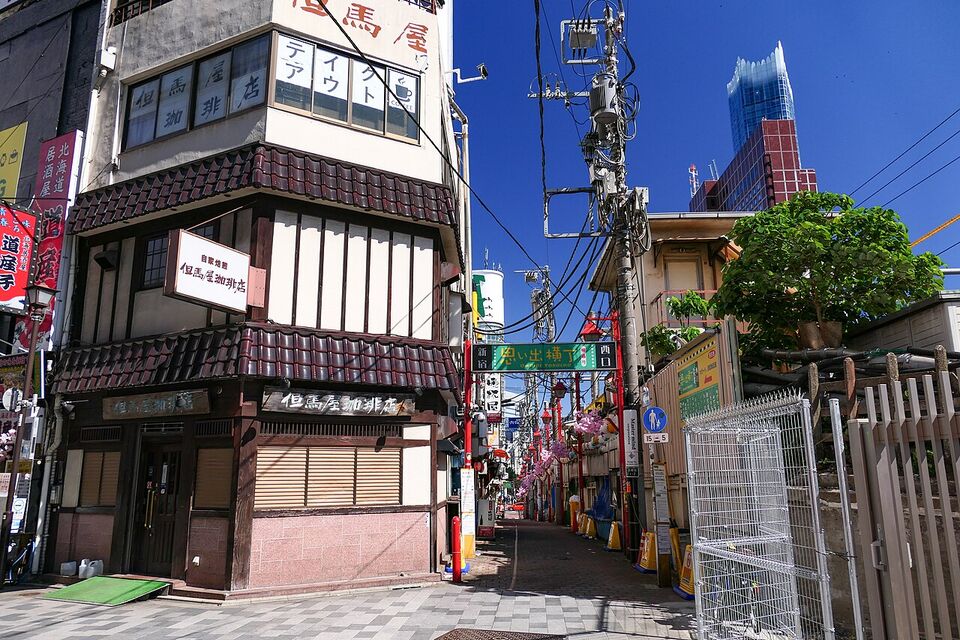
Tokyo is one of the best food cities in the world, and you can eat extremely well without speaking Japanese, booking anything or spending much. The key is to know the formats: a specialist counter does one thing (ramen, tempura, sushi, curry), an izakaya is a pub with small dishes, a depachika is a department store food hall, and a yokocho is an alley of tiny bars and grills.
Most meals cost less than in the US. A bowl of ramen or a set lunch is ¥1,000-1,800 (about $6-11), a good dinner with drinks at an izakaya is about ¥3,000-5,000 (about $19-32), and a convenience-store breakfast is a few hundred yen. Prices rose in 2025 and 2026, and we could not check most of these against official sources, so treat all prices here as typical rather than exact. For national food basics, such as regional dishes, allergies and diets, see Japanese Food, and for sake and whisky see Sake, Whisky and Drinks.
Different from home
There is no tipping, and the check is usually paid at the register on your way out, not at the table. You say gochisosama deshita (thank you for the meal) as you leave. Staff will bring water and a hot towel (oshibori) without being asked, and in some places they will not come back until you call out sumimasen (excuse me) or press the call button on the table.
Ramen
Ramen is Tokyo's everyday meal. The traditional Tokyo style is a clear soy-based broth with thin curly noodles, but you will also find rich pork-bone (tonkotsu), salt (shio), miso and dipping noodles (tsukemen) in the same block. A bowl typically costs ¥1,000-1,800 (about $6-11), with extras such as an egg, extra pork or a larger portion adding ¥100-300 (about $0.65-1.90).
- Ticket machine: At many shops, you pay at a vending machine by the door, then hand the ticket to the staff. Machines often have English or pictures. Many take only cash, so carry ¥1,000 bills and coins; some newer machines accept cards or IC cards.
- Queues: The best-known shops have lines of 30 to 60 minutes at peak. Go before noon, between 2 and 4 p.m., or just before closing. Do not take a place in line while others wait, and do not take photos of other customers.
- Eating: Slurping is fine and means it is hot and good. Finish quickly and leave, because shops expect people to move on. Taking a call at the counter is rude.
- Customizing: Some shops let you choose noodle firmness (katame is firm), richness and spice level on a form.
Ramen is almost always made with pork or chicken stock, so it is hard for vegetarians. A few shops serve vegetarian or vegan ramen; check the Japanese Food page for how to ask.
Sushi: conveyor belt, standing and omakase
Sushi comes in several price levels, and the best choice depends on your budget and how adventurous you are.
| Type | Typical cost per person | What to expect |
|---|---|---|
| Conveyor-belt (kaiten) or tablet-ordered | About ¥1,000-2,500 (about $6-16) | Plates from about ¥120 (about $0.75) at the big chains, prices vary by store; check in at a kiosk, order on a tablet, pay at a machine. Some chains do not take IC cards. |
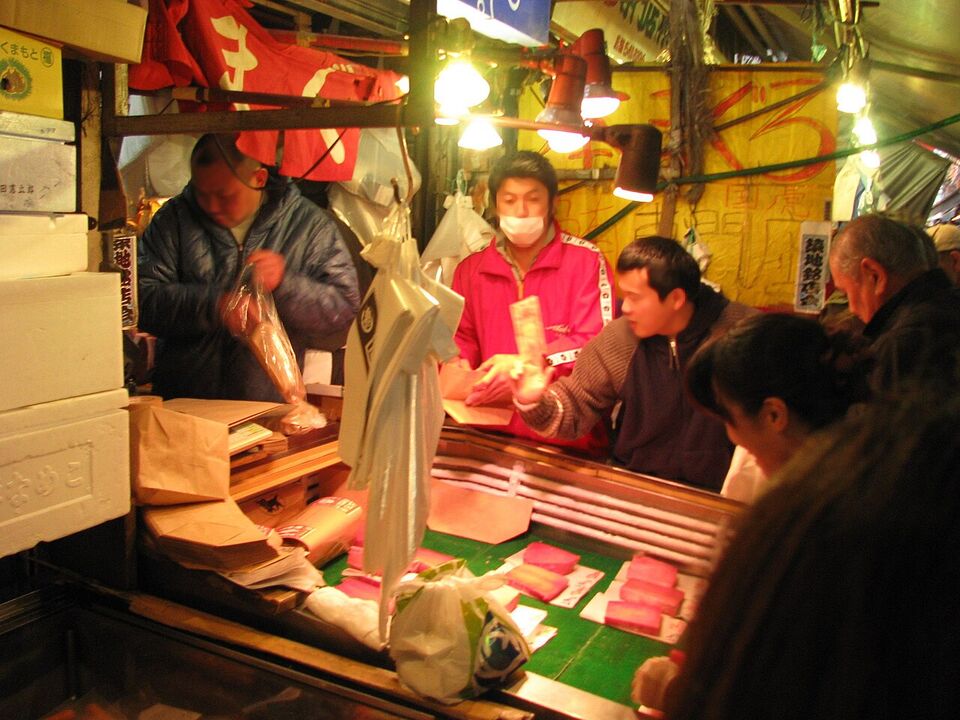
| Standing sushi (tachigui) | About ¥2,000-4,000 (about $13-25) | Quick counter meals near stations and markets; pay per piece or per set; no reservations |
| Casual counter or set lunch | About ¥3,000-6,000 (about $19-38) | Sit at a counter and order sets or pieces; lunch is cheaper than dinner |
| Omakase (chef's choice) | From about ¥8,000-15,000 (about $51-96) at lunch; far more for the famous counters | A fixed course served piece by piece; reservations required |
At a counter, you can eat nigiri with your fingers or chopsticks. Dip the fish side, not the rice, into soy sauce, and do not mix wasabi into the soy. Ginger is for cleansing between pieces, not a topping. The chef often seasons the sushi for you, so ask before adding soy. Finish each piece in one or two bites, and arrive on time, because many places serve all guests at once.
How to book the famous counters
The best-known sushi counters in Tokyo have 8 to 10 seats and take reservations weeks to months ahead. There is no single system: each restaurant uses its own page, a reservation platform, a phone line in Japanese, or a hotel concierge. Booking opening dates vary, so look at the restaurant's own page for its release schedule, and set a reminder for the day it opens.
- TableCheck: Many restaurants have English booking pages. Standard bookings have no fee, and you may need to give a card number, which is held or charged under the restaurant's rules.
- OMAKASE: An English reservation app and site that has been reported to charge ¥390 (about $2.50) a seat (check the current fee) and requires a card for booking, cancellation and no-show charges.
- Tabelog and Pocket Concierge: Other multilingual services. Tabelog has been reported to charge ¥440 (about $2.80) a person, paid at the restaurant (check the current fee), and Pocket Concierge holds your card until the booking is confirmed.
- Concierge: Many hotels and some premium credit cards offer a concierge who can book restaurants that do not take online reservations. Ask about the service, its fee and the cancellation terms first.
Watch out
Cancellations at small counters can cost 50 to 100% of the course price if you cancel late, and a no-show is billed in full. A restaurant has a few seats and cannot refill a cancelled one. Read the cancellation terms and keep a screenshot, tell the restaurant of allergies when you book, and arrive on time (late arrivals can be turned away). If you cannot go, cancel through the original booking channel as early as you can.
Other things to eat: tempura, tonkatsu, soba and more
Tokyo's specialist shops are the heart of the food culture. Tempura counters fry each piece in front of you, with a set lunch from about ¥2,000-4,000 (about $13-25) and a counter dinner at ¥10,000 (about $64) and up. Tonkatsu (breaded pork cutlet) shops serve a set meal of cutlet, cabbage, rice and miso soup for roughly ¥1,500-2,500 (about $10-16). Soba (buckwheat noodles) shops are quiet, with cold noodles on a bamboo tray for dipping. Standing soba bars near stations serve a bowl in minutes for about ¥500-800 (about $3-5).
Also look for gyudon (beef bowl) chains open all day, curry rice shops, monjayaki (a runny griddle dish in Tsukishima) and unagi (grilled eel). Many small restaurants have a lunch set (teishoku) that costs much less than dinner, so lunch is a way to try the more expensive places on a budget. Many close between 2 and 5 p.m.
Convenience stores (7-Eleven, Lawson, FamilyMart) sell fresh sandwiches, rice balls and hot food. They are a normal part of eating in Japan, not a last resort. For breakfast and snacks they are hard to beat.
Depachika: the department store food halls
A depachika is the food hall in the basement of a department store. It has dozens of counters selling bento boxes, sushi, salads, fried chicken, pastries, wagashi (sweets) and fruit, with beautiful packaging and often free samples. Good ones in Tokyo include the halls at Isetan Shinjuku, Mitsukoshi Ginza and Nihombashi, Takashimaya Shinjuku and Nihombashi, Daimaru at Tokyo Station, and Tokyu Food Show in Shibuya. These are open when the stores are, typically from 10 a.m. to 8 p.m.
Prices are higher than a convenience store but good for what you get: a bento is about ¥1,000-2,000 (about $6-13). Late in the day, usually from about 7 p.m., many counters mark down perishable food by 20 to 50%, though the amount and timing vary. Eating inside the hall is not allowed, so take your food to a hotel room, a park or a bench. Some stores have a small seating area on a rooftop or upper floor.
Save money
Depachika bento for dinner, lunch sets for your big meal, and convenience-store breakfast can cut a Tokyo food budget in half without eating badly. Spend the savings on one special counter meal instead of three average ones. For overall budgets, see Budget Calculator.
Izakaya and the otoshi table charge
An izakaya is a casual pub where groups share many small dishes: grilled chicken skewers (yakitori), fried chicken, sashimi, salads, rice dishes and plenty of beer, highballs and sake. It is the standard after-work meal, and one of the most fun and accessible ways to eat in Tokyo. Expect about ¥3,000-5,000 (about $19-32) a person for food and several drinks, and more at upmarket places. The big chains have picture menus and tablet ordering, with typical costs of ¥2,000-4,000 (about $13-25) a person and long late hours.
Almost all izakaya charge otoshi, a small dish served as soon as you sit and billed as a table charge, usually ¥300-500 (about $2-3) a person. It is automatic, comes with a snack, and is normal; it is not a tip, a scam or optional, and you cannot send it back. At some places it is called tsukidashi or a seat charge (seki-ryo).
How to order
- Order drinks first. Beer (biiru) is the standard start. Ask for toriaezu biiru ("beer for now").
- Order food in rounds, not all at once. Dishes come out as they are ready and are meant to be shared.
- Look for an all-you-can-drink plan (nomihodai), typically 90 minutes to 2 hours for about ¥1,500-2,500 (about $9.60-16) a person. Everyone at the table must usually join, and there is a last-order time.
- Pay at the register when you leave. Many izakaya take cards, but small ones are cash only.
The legal drinking age is 20. You may be asked for ID, so carry your passport or a copy. Smoking rules: since April 2020, restaurants must be non-smoking indoors, but small bars of a certain size can allow smoking if they post a sign, so many izakaya and bars still have smoke. Ask for a non-smoking table when you book.
Yokocho: alley food and drink
A yokocho (side alley) is a lane of tiny stalls and bars, usually with a few seats each. They are the closest thing to old Tokyo drinking culture, and they are atmospheric, cramped and cash-focused.
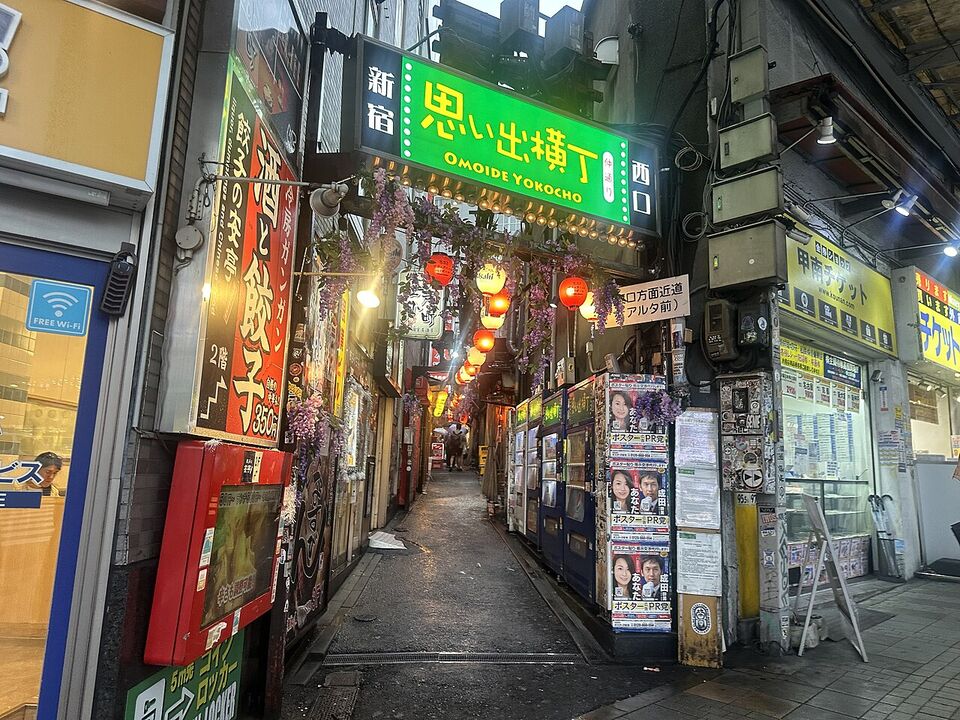
Omoide Yokocho
A smoky lane of yakitori counters under the railway tracks. Skewers are about ¥150-300 (about $1-2) each and beer ¥500-700 (about $3-4.50). Most are cash only. Go early, before about 7 p.m., for a seat, because some shops close by 11 p.m.
Yurakucho under the tracks
Lively grills and beer halls tucked under the elevated line, packed with office workers from 6 p.m. A good first izakaya experience. Seats often go to the first group in line.
Ameyoko and Ueno
A busy market lane with fruit, dried goods, seafood skewers and standing bars. Better for daytime eating and snacks than a late evening. Some bars open from morning.
Nonbei Yokocho and Ebisu Yokocho
Two smaller lanes with low-key bars and yakitori counters, mostly for people in the mood for a quiet drink. Many have English-speaking staff, but not all. Confirm hours at the door.
Golden Gai and the bar scene
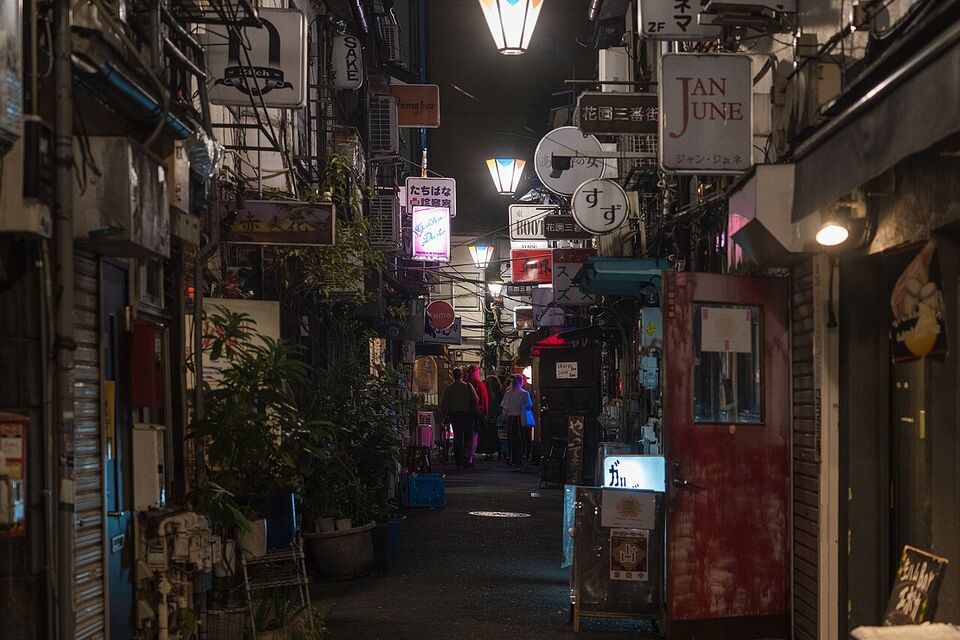
Golden Gai, in Shinjuku, is a cluster of six narrow alleys with more than 200 bars, most with only 6 to 8 seats. Each bar has its own theme, from film to punk to jazz, and the owner is the bartender. Bars open around 7 or 8 p.m., and many stay open until 3 to 5 a.m. The sweet spot is between 9 p.m. and midnight, before the weekend crowd gets loud.
Cover charges
Most Golden Gai bars charge a cover (chaji), usually posted on the door or the menu. We found different figures from different sources: commonly ¥500-1,500 (about $3-10) a person, with some budget bars lower at ¥300-500 and themed bars at ¥1,000 or more. It often includes a small snack. Drinks are ¥600-1,500 (about $4-10). Expect to spend ¥2,000-3,500 (about $13-22) for your cover charge and two or three drinks at one bar. The charge is posted, so read the sign before you walk in. Do not go in if you do not agree to it.
- Cash: Many bars take only cash, and some don't take IC cards. Bring about ¥10,000 (about $64) for the evening.
- Welcome signs: Look for English menus or signs saying tourists are welcome. A "members only" or a Japanese-only sign means try the next door. Solo travelers and pairs get in more easily than large groups.
- Manners: Order at least one or two drinks, keep your voice down, ask before photographing people, do not block the alley, and do not bring outside food.
Other nightlife
Beyond Golden Gai, Shibuya, Roppongi, Ebisu and Nakameguro have bars, clubs and lounges, and Shimokitazawa has live-music bars. Cocktail bars in Ginza are quiet, elegant and often with a seat charge of ¥1,000 or more (about $6.40). Karaoke rooms are rented by the hour, with food and drinks, and are common for groups.
Watch out
In Kabukicho (next to Golden Gai) and Roppongi, street touts approach visitors offering cheap drinks or "girls" bars. Do not follow them. Rip-off bars can run up bills of tens or hundreds of thousands of yen. Never hand over your passport or card, and if you are overcharged, do not pay on the spot, call the police at 110, and go to the nearest police box. See Safety in Japan for details.
Reservations, hours and the last train
Many casual places do not take reservations, but popular izakaya, yakiniku (grilled meat) and anywhere with a set course do. For a group of four or more on a Friday or Saturday night, book. You can use the restaurant's own site, TableCheck or Tabelog, or ask your hotel to call for you. A short Japanese phrase helps: yoyaku shitai no desu ga ("I would like to make a reservation").
Note that last order (rasuto odaa) is typically 30 to 60 minutes before closing. In Tokyo, the last trains leave between about midnight and 1 a.m., and the last departure from Shinjuku is around 12:20 to 12:35 a.m. If you plan to stay out, either settle on a taxi home or an all-night spot; see Tokyo for last trains, taxis and fares.
Allergies and diets
Dashi (fish stock) is in much of Japanese cooking, so vegetarian eating takes care. Soy, wheat, egg, shellfish and buckwheat (soba) are common allergens. Carry a translated allergy card. Tell the restaurant when you book, rather than at the table. See Japanese Food for the phrases and details.
Sample budgets and a food day
A frugal day: convenience-store breakfast (¥500, about $3), a ramen or set lunch (¥1,200, about $7.60), depachika or izakaya dinner (¥3,000, about $19). That is about ¥4,700 (about $30) for food. A comfortable day: a cafe breakfast, a tempura lunch set (¥3,000, about $19), a casual izakaya dinner (¥4,500, about $29) and a nightcap, around ¥10,000 (about $64). A treat day with a sushi or kaiseki dinner at ¥15,000 and up (about $96) can quickly double that.
A simple, practical pattern: a big meal at lunch when prices are lower, a small dinner near your hotel, and one special reservation each week of your trip. Sights near these places are on Tokyo Sights, and the Tsukiji outer market and Toyosu are good for breakfast sushi.
Add it to a route in the trip builder, or ask us to plan the hotels, trains and guides for you.